
We read and scored the most influential productivity books — these 20 are the ones that actually change how you work. Every title was ranked with the same transparent 5-point rubric: lasting impact, evidence quality, practical application, writing, and reader consensus. Each links to a free in-depth summary with a plan to apply it. Whether you’re picking your first productivity read or hunting the one book you somehow missed, start here.
The 20 Best Productivity Books, Ranked
SPIN Selling Summary & Review: Let the Buyer Name the Need
Counting down from #20 to our #1 pick. Each book links to a free, in-depth summary.
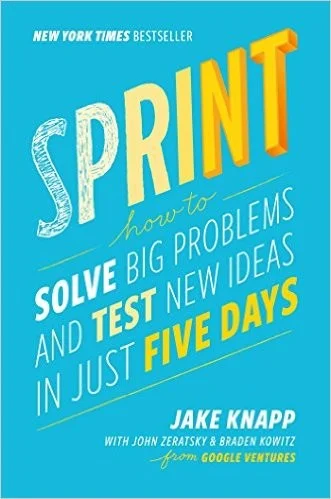
Sprint
Jake Knapp
★★★★★4.4/5
Knapp’s design sprint framework, developed at Google Ventures, compresses months of debate into a structured five-day process.
Monday: map the problem. Tuesday: sketch solutions. Wednesday: decide. Thursday: prototype. Friday: test with real users. It’s the most practical innovation methodology since the lean startup, and it works for everything from product design to marketing campaigns. This book will fundamentally change how your team makes decisions and launches projects.
Best for: Teams that need to solve big problems and test ideas in just five days
“Great ideas can come from anywhere, but you need a structured process to find them.”
Psycho-Cybernetics Summary & Review: Your Self-Image Sets the Ceiling
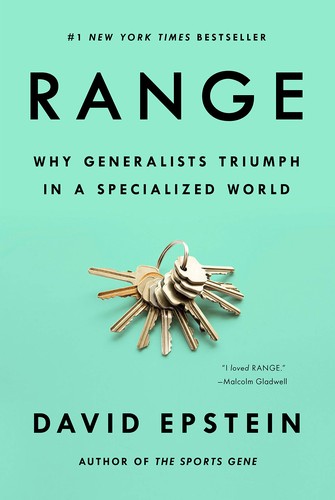
Range
David Epstein
★★★★★4.4/5
Epstein makes the evidence-based case that generalists — not specialists — are primed to excel in the modern world.
Drawing on research from sports, music, education, and business, he shows that breadth of experience and late specialization beat early focus in most domains. For the productivity-obsessed, this is a necessary corrective: sometimes the most productive thing you can do is explore, experiment, and connect ideas across fields. A liberating read for anyone who feels behind because they haven’t found their “one thing.”
Best for: Multi-passionate people who’ve been told to specialize
“Breadth of training predicts breadth of transfer. The more contexts in which something is learned, the more the learner creates abstract models.”
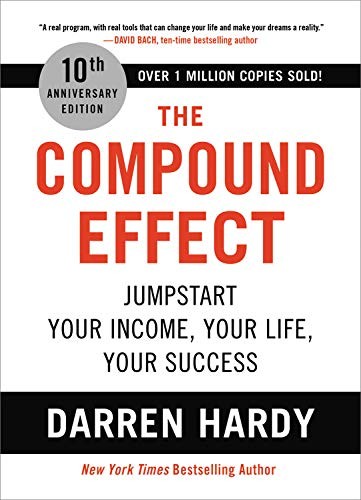
The Compound Effect
Darren Hardy
★★★★☆4.3/5
Hardy’s core message is mathematical: small, smart choices + consistency + time = radical difference.
The book proves this with vivid examples of how tiny daily decisions compound into massively different life outcomes over months and years. It’s the philosophical twin of Atomic Habits — where Clear focuses on the mechanics of habit formation, Hardy focuses on the mathematics of cumulative advantage. Short, punchy, and packed with tracking worksheets that make the abstract concrete.
Best for: Goal-oriented people who need a reminder that consistency beats intensity
“Small, smart choices + consistency + time = radical difference.”
Hyperfocus
Chris Bailey
★★★★☆4.3/5
Bailey’s key insight is that productivity has two modes, and most books only address one.
Hyperfocus covers the concentrated attention you need for deep work, while Scatterfocus covers the intentional mind-wandering that fuels creativity and problem-solving. By managing your “attentional space” and toggling between these modes deliberately, you get both more done and more creative ideas. It’s the most complete attention-management book available — the perfect complement to Deep Work.
Best for: People who want to master both focused work and creative mind-wandering
“The state of our attention determines the state of our lives.”
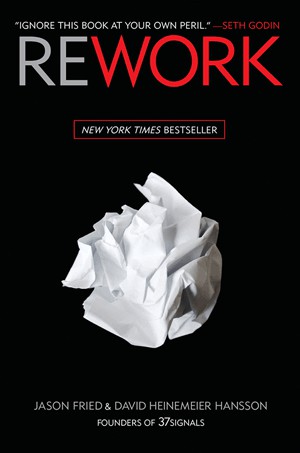
Rework
Jason Fried & David Heinemeier Hansson
★★★★★4.5/5
The Basecamp founders wrote a book as lean as their company philosophy.
Each chapter is two to three pages — a single sharp idea, no filler. Meetings are toxic. Planning is guessing. Workaholism isn’t a virtue. These contrarian takes shocked the business world in 2010 and still hit hard. Rework won’t give you a system — it’ll give you the courage to throw out the bloated ones you’re using. Best read in a single sitting with a highlighter in hand.
Best for: Founders and indie builders who want to do more with less
“Workaholism isn’t a virtue. It’s a drug that masks deeper problems.”
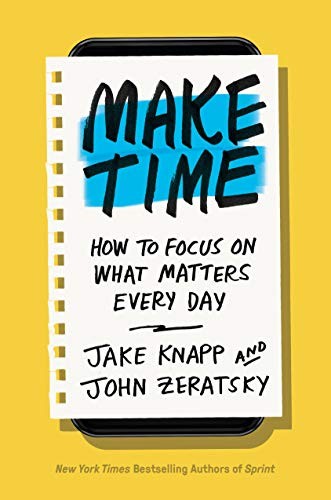
Make Time
Jake Knapp & John Zeratsky
★★★★☆4.3/5
Former Google designers Knapp and Zeratsky built Make Time as a menu, not a mandate.
Their four-step daily framework — Highlight (choose one priority), Laser (protect focus), Energize (take care of your body), and Reflect (adjust) — is refreshingly undogmatic. With 87 tactics to mix and match, you customize your own system instead of following someone else’s rigid rules. It’s the most beginner-friendly and forgiving productivity book on this list, perfect for anyone allergic to “productivity bro” culture.
Best for: Busy people who want a flexible, no-guilt daily productivity framework
“If you want to make time for the things that matter, you have to stop reacting to what’s in front of you.”
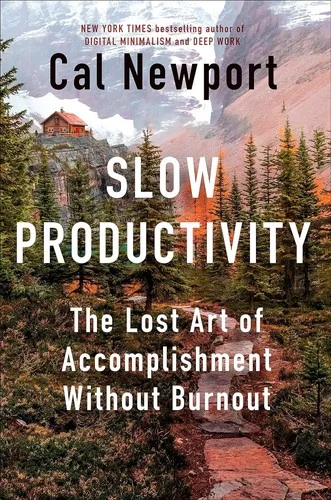
Slow Productivity
Cal Newport
★★★★☆4.3/5
Newport’s most mature work makes the case that the best knowledge work has always been done slowly.
Drawing on examples from Isaac Newton to Georgia O’Keeffe, he shows that doing fewer things, working at a natural pace, and obsessing over quality produces both better results and a better life. The three principles are deliberately anti-hustle, offering a sustainable alternative to the burnout treadmill. This is the productivity book for people who’ve realized that doing more faster isn’t working.
Best for: Burned-out knowledge workers ready to reject hustle culture
“Do fewer things. Work at a natural pace. Obsess over quality.”
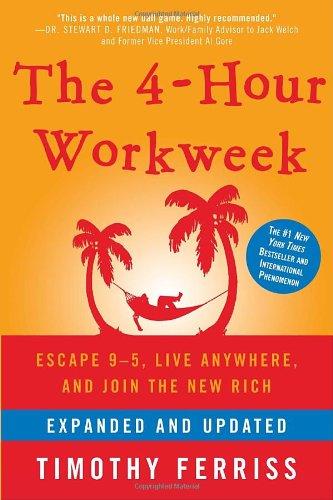
The 4-Hour Workweek
Tim Ferriss
★★★★★4.5/5
Love it or roll your eyes, Ferriss’s manifesto permanently changed how a generation thinks about work.
The DEAL framework (Definition, Elimination, Automation, Liberation) challenged the assumption that more hours equals more output. Concepts like “selective ignorance,” batching, and the 80/20 principle applied to work have become productivity staples. Some of the specific tactics have dated, but the core philosophy — design your ideal lifestyle first, then engineer your work to support it — remains radical and liberating.
Best for: Corporate employees dreaming of escaping the 9-to-5 grind
“Focus on being productive instead of busy.”
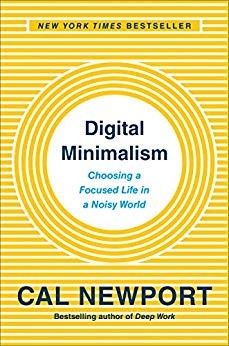
Digital Minimalism
Cal Newport
★★★★☆4.3/5
Newport follows up Deep Work with a full philosophy for your relationship with technology.
Digital Minimalism isn’t about deleting all your apps — it’s about being intentional with which technologies earn access to your attention. The 30-day digital declutter process gives you a structured reset, while the principles help you rebuild a tech life aligned with your values. In an age of infinite scrolling and notification anxiety, this book is preventive medicine for your productivity.
Best for: Anyone who can’t stop checking their phone
“The key to thriving in our high-tech world is to spend much less time using technology.”
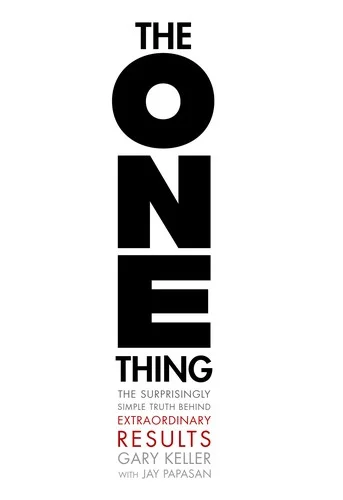
The ONE Thing
Gary Keller
★★★★☆4.3/5
Keller’s focusing question — “What’s the ONE thing I can do such that by doing it everything else will be easier or unnecessary?” — is the single.
most powerful prioritization tool in productivity literature. The book systematically dismantles the myths of multitasking, balanced lives, and equal priorities. The domino-effect metaphor (a single domino can topple something 50% larger) makes the case for sequential focus viscerally compelling. Simple but not easy — exactly the kind of book that rewards rereading.
Best for: Entrepreneurs and ambitious professionals who struggle with focus
“What’s the ONE Thing I can do such that by doing it everything else will be easier or unnecessary?”
The Effective Executive
Peter F. Drucker
★★★★★4.5/5
Written in 1967, Drucker’s slim masterpiece remains the definitive guide to knowledge-worker productivity.
His five practices — know where your time goes, focus on contribution, build on strengths, concentrate on the few major areas, and make effective decisions — are as relevant in the age of AI as they were in the age of typewriters. Drucker’s writing is precise and unsentimental, wasting not a single word. This is the book every executive wishes they’d read at the start of their career.
Best for: Managers and executives who need to multiply their impact through others
“There is nothing so useless as doing efficiently that which should not be done at all.”
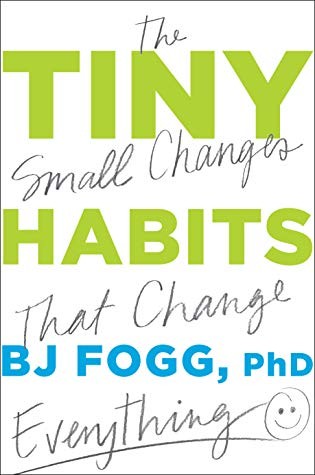
Tiny Habits
BJ Fogg
★★★★★4.5/5
Stanford behavior scientist BJ Fogg brings 20 years of research to a deceptively powerful idea: make the habit so small it’s impossible to fail.
Two pushups after brushing your teeth. One sentence of journaling after your morning coffee. The magic is in the “anchor-behavior-celebration” recipe and the insight that emotions create habits, not repetition. Where Atomic Habits gives you the philosophy, Tiny Habits gives you the lab-tested engineering. Together they’re the complete habit-change toolkit.
Best for: Anyone who has tried and failed to build new habits using willpower alone
“People change best by feeling good, not by feeling bad.”
Four Thousand Weeks
Oliver Burkeman
★★★★★4.4/5
Burkeman does something no other book on this list attempts: he argues that most productivity advice is a trap.
If you only have roughly 4,000 weeks to live, trying to optimize every minute is itself a form of avoidance. Instead, he advocates embracing your finite nature and choosing what to neglect deliberately. This is the most philosophically rich productivity book of the decade — part existentialism, part practical wisdom. Read it after you’ve tried the systems; it’ll change what you use them for.
Best for: Productivity enthusiasts who suspect the whole game might be rigged
“The real measure of any time management technique is whether it helps you neglect the right things.”
Eat That Frog!
Brian Tracy
★★★★★4.7/5
Brian Tracy’s classic delivers more actionable advice per page than almost any productivity book ever written.
The core message is timeless: identify your most important task (your “frog”) and do it first thing every morning. No apps, no complex systems — just disciplined prioritization and immediate action. At under 130 pages, it respects your time while delivering 21 concrete techniques for overcoming procrastination. It’s the book you recommend to someone who needs results today, not next month.
Best for: Chronic procrastinators who need a no-nonsense kick to start executing
“If you have to eat a live frog, it does not pay to sit and look at it for a very long time.”
The Power of Habit
Charles Duhigg
★★★★★4.5/5
Before Atomic Habits made habit science mainstream, Duhigg’s book cracked open the cue-routine-reward loop that governs nearly half of our daily actions.
What makes this book special is the storytelling — from Alcoa’s safety revolution to the neuroscience of habit formation, Duhigg weaves research into narratives that make the science stick. The concept of keystone habits (small changes that cascade into larger transformations) remains one of the most powerful ideas in productivity literature.
Best for: Anyone who wants to understand why they do what they do — and how to change it
“Champions don’t do extraordinary things. They do ordinary things, but they do them without thinking.”
Essentialism
Greg McKeown
★★★★★4.5/5
McKeown’s thesis is beautifully simple: the disciplined pursuit of less produces more.
In a world that rewards busyness, Essentialism gives you permission — and a framework — to eliminate the trivial many and focus on the vital few. The book’s real power is in its decision-making filter: if it isn’t a clear yes, it’s a clear no. Combined with practical strategies for gracefully saying no and designing your life around what truly matters, this is the antidote to modern overwhelm.
Best for: High achievers who say yes to everything and feel spread too thin
“If you don’t prioritize your life, someone else will.”
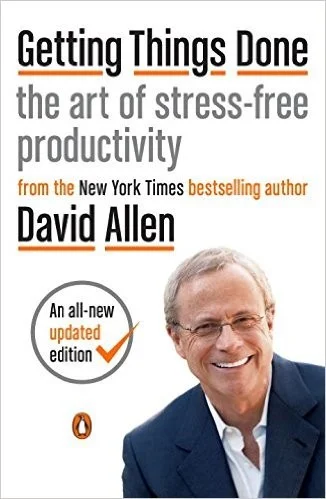
Getting Things Done
David Allen
Good Habits, Bad Habits Summary & Review: Design Context, Not Willpower
★★★★★4.5/5
GTD is the productivity methodology — the one that spawned an entire industry of apps, workflows, and certifications.
David Allen’s insight that your mind is for having ideas, not holding them, remains revolutionary. The five-step capture-clarify-organize-reflect-engage workflow gives you a complete external brain. Yes, the full system takes commitment to implement. But even adopting just the two-minute rule and weekly review will transform how you manage commitments. Every serious productivity practitioner eventually reads this.
Best for: Overwhelmed professionals who need a trusted system to capture everything
“Your mind is for having ideas, not holding them.”
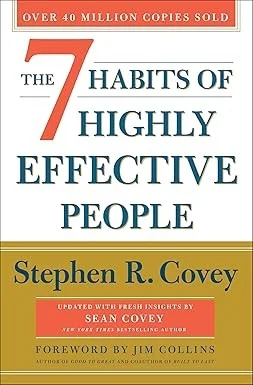
The 7 Habits of Highly Effective People
Stephen R. Covey
★★★★★4.5/5
Thirty-five years after publication, Covey’s framework remains the most comprehensive operating system for personal and professional effectiveness ever written.
The progression from dependence to independence to interdependence gives readers a developmental roadmap that no other productivity book attempts. “Begin with the end in mind” and “Put first things first” have entered the business lexicon for good reason — they work. This isn’t a quick-tips book; it’s a philosophy for living deliberately.
Best for: Leaders and professionals who want a complete personal effectiveness system
“The key is not to prioritize what’s on your schedule, but to schedule your priorities.”
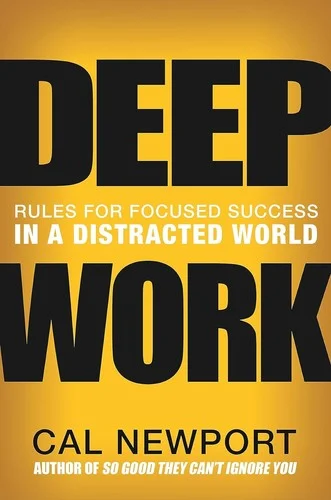
Deep Work
Cal Newport
★★★★★4.5/5
Cal Newport makes the most compelling case of any modern author that the ability to focus without distraction is becoming both increasingly rare and increasingly valuable.
Deep Work doesn’t just diagnose the problem of constant connectivity — it provides concrete rituals and scheduling strategies to protect your most cognitively demanding work. Newport backs every argument with research and real examples from Carl Jung to J.K. Rowling. If you do any kind of creative or analytical work, this book will reshape how you structure your days.
Best for: Knowledge workers drowning in email, Slack, and shallow tasks
“Who you are, what you think, feel, and do, what you love — is the sum of what you focus on.”
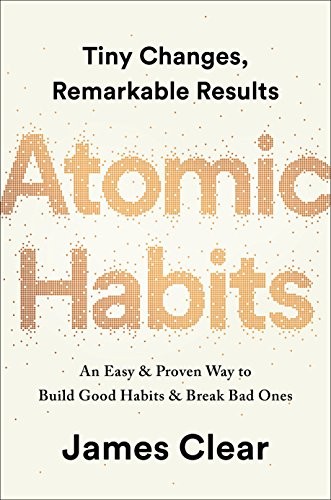
Atomic Habits
James Clear
★★★★★4.7/5
No productivity book has changed more lives in the last decade.
James Clear distills decades of behavioral science into a deceptively simple framework — make good habits obvious, attractive, easy, and satisfying. What separates this from every other habits book is the focus on identity change: you don’t just build habits, you become the kind of person who does them. The 1% improvement philosophy makes starting feel effortless, while the systems-over-goals mindset keeps you going. It’s the rare book that’s both scientifically rigorous and immediately actionable.
Best for: Anyone who wants to build better habits without relying on willpower
“You do not rise to the level of your goals. You fall to the level of your systems.”
Free workbook
Most of these books agree on how habits form; the hard part is doing it. The Art of Habits is our free 27-page workbook — six chapters, thirteen exercises — built from the habit books on this list. PDF and Notion.
Free. One confirmation click in your inbox, then the download. Unsubscribe any time.
How to Choose Your First Productivity Book
Not sure where to begin? Match the book to your current bottleneck — one book applied beats ten books skimmed.
Still unsure? Preview any book with our free in-depth summaries — test-drive the ideas in fifteen minutes before committing to three hundred pages.
Recommended Reading Paths
Not sure where to start? Pick the path that matches where you are right now.
🌱 The Beginner’s Path
Just getting started with productivity? Read these five in order — each one builds on the last.
🚀 The Advanced Path
Already productive? These five will push you to the next level — philosophical depth, anti-hustle wisdom, and deliberate innovation.
⏰ The Time Management Path
Struggling specifically with time? These five tackle the problem from every angle — systems, philosophy, energy, and focus.
More Top-Rated Books
High-scoring books just outside the top 20 — each links to our full summary and review.
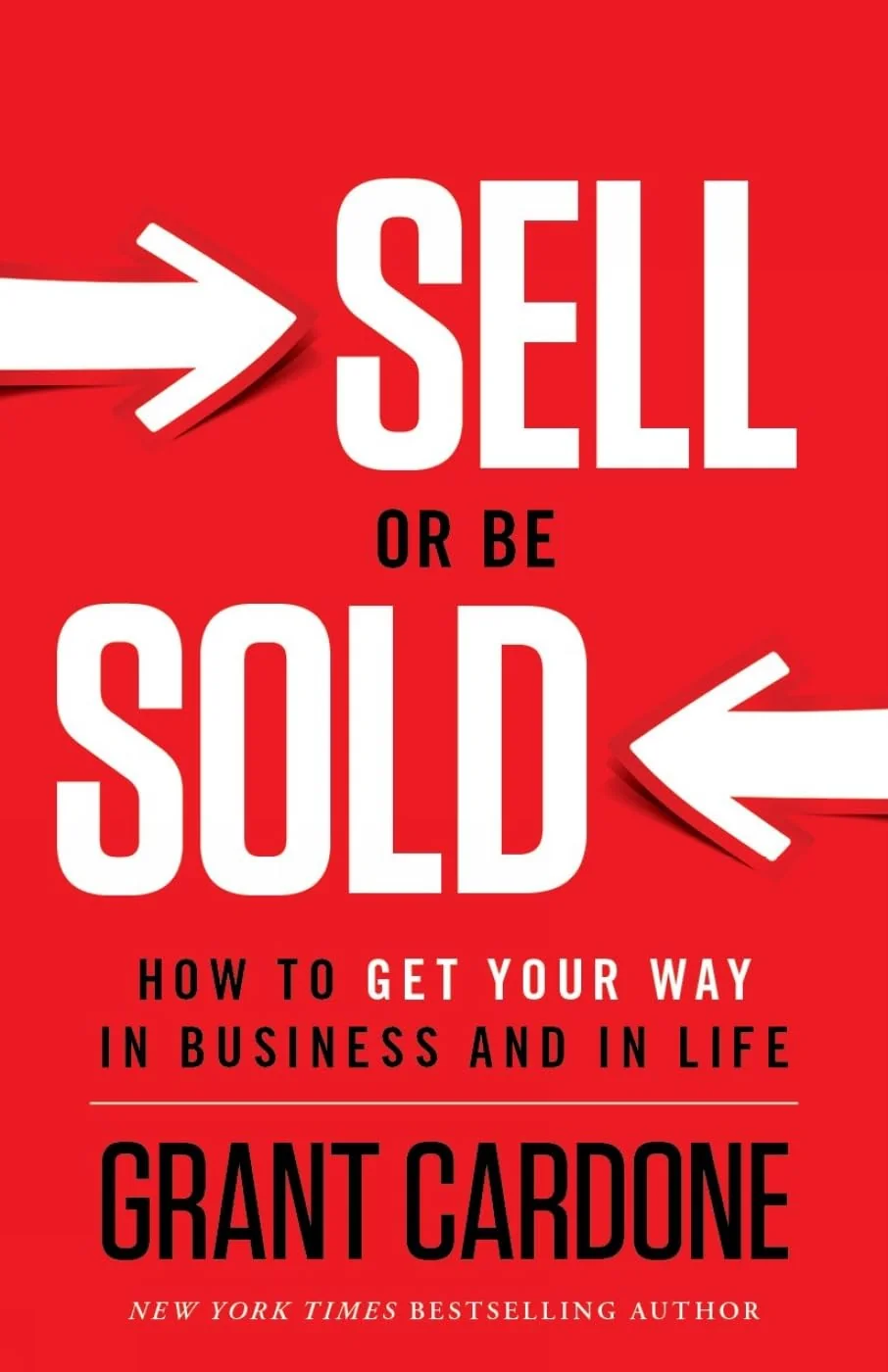 Sell or Be Sold
Grant Cardone
★★★★½ 4.5
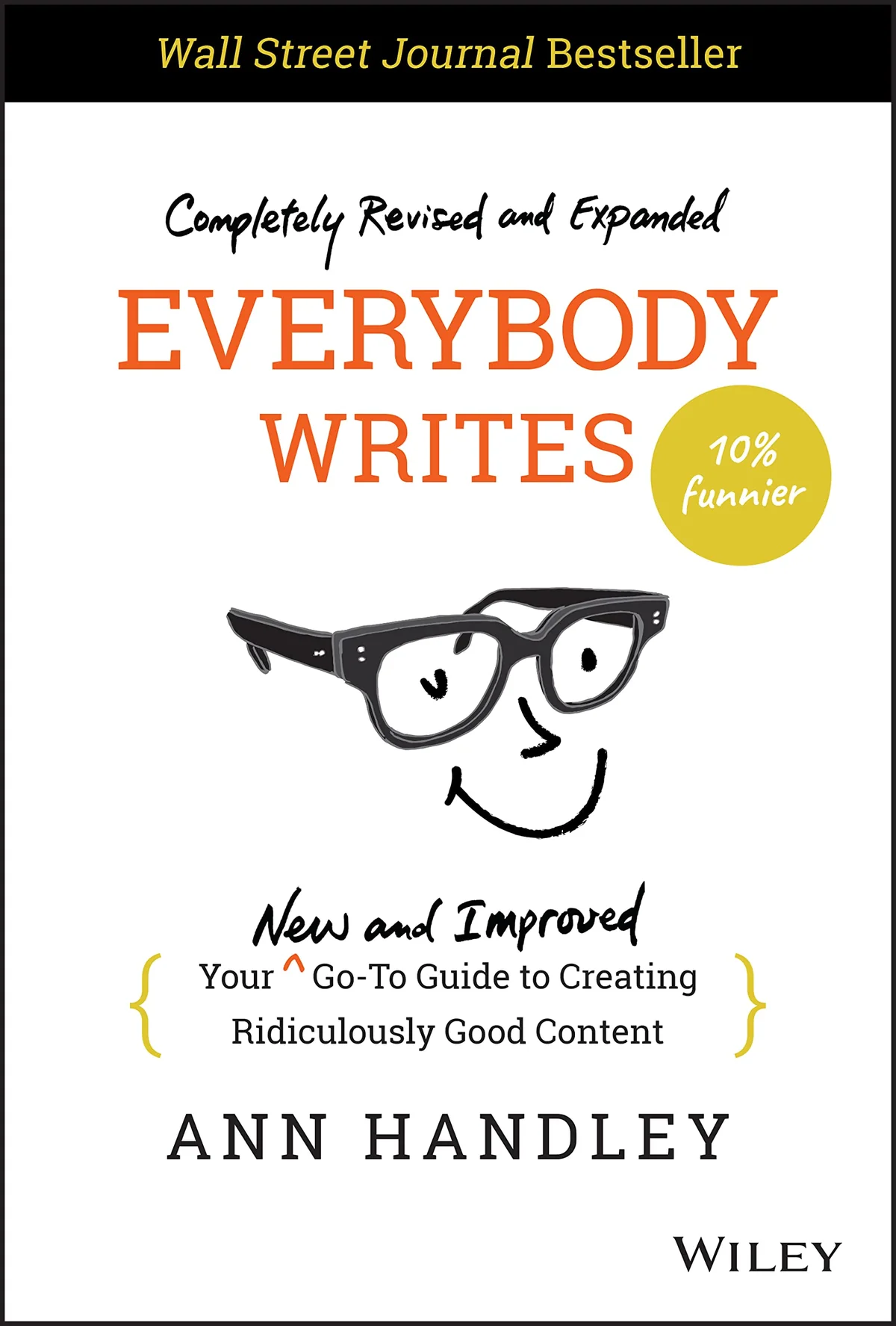 Everybody Writes
Ann Handley
★★★★½ 4.6
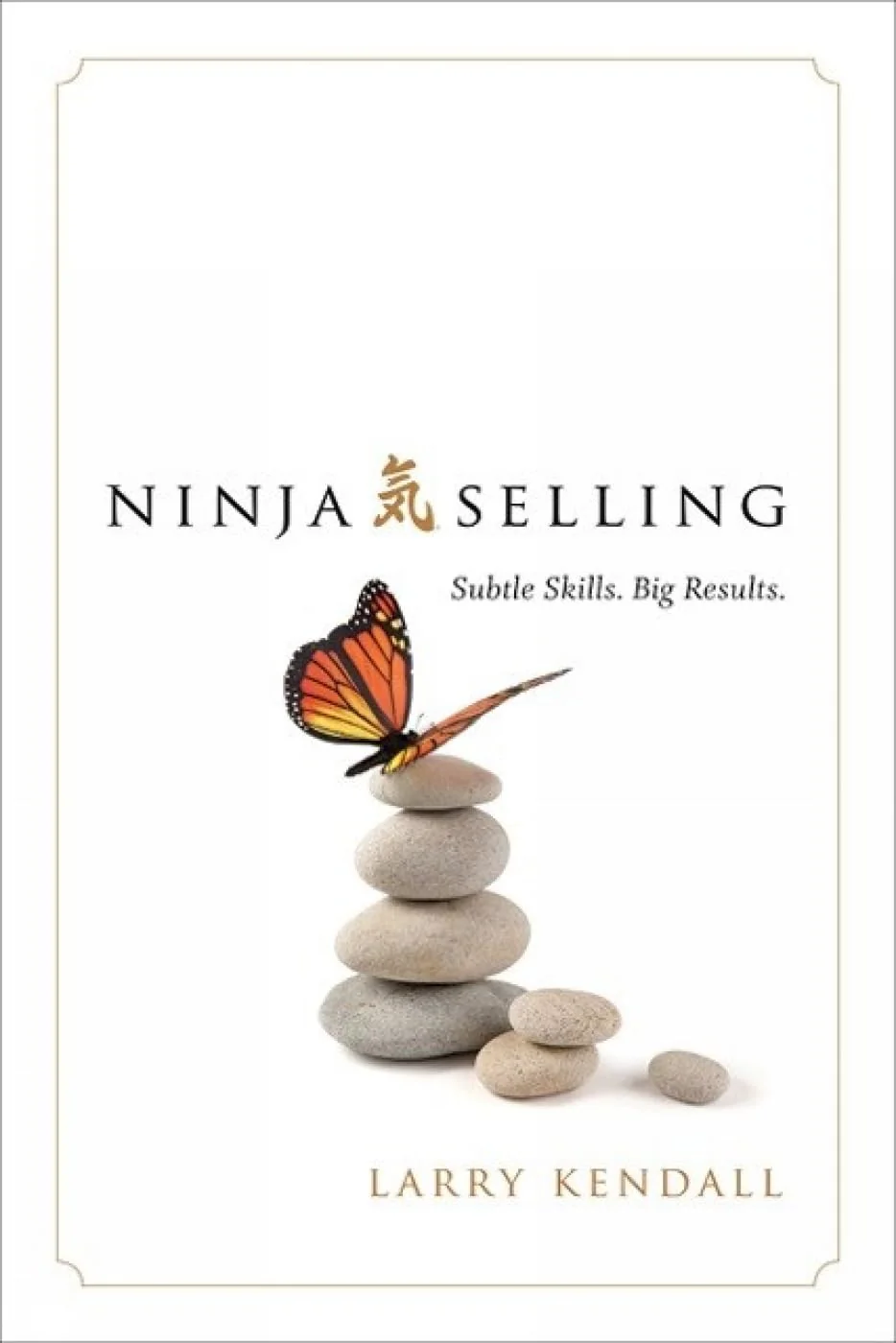 Ninja Selling
Larry Kendall
★★★★⅗ 4.6
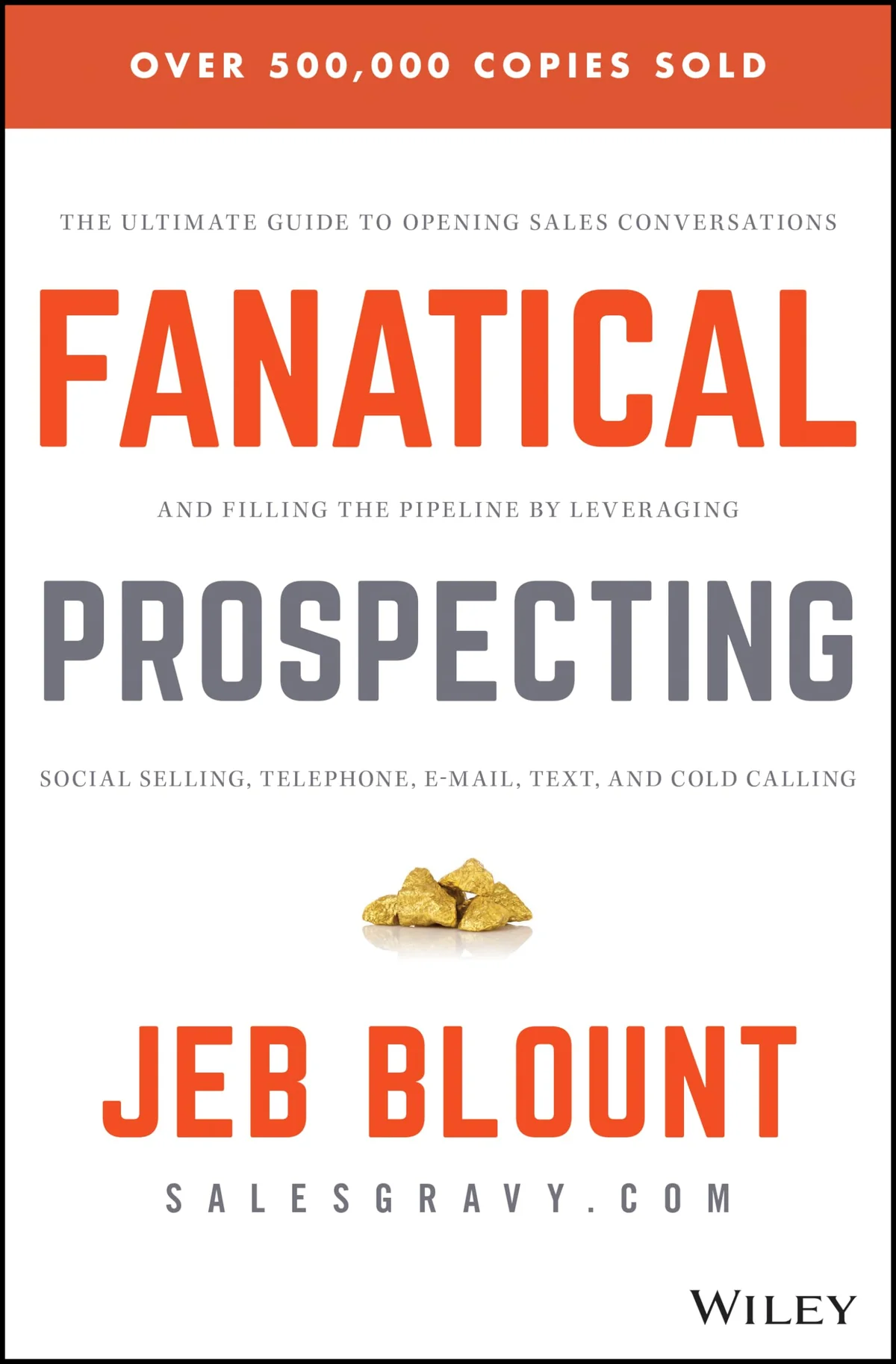 Fanatical Prospecting
Jeb Blount
★★★★½ 4.6
 The Elements of Style
William Strunk Jr. & E. B. White
★★★★⅗ 4.6
 The Challenger Sale
Matthew Dixon & Brent Adamson
★★★★½ 4.5
 SPIN Selling
Neil Rackham
★★★★⅗ 4.6
 Presentation Zen
Garr Reynolds
★★★★½ 4.5
 Pitch Anything
Oren Klaff
★★★★½ 4.5
 Maximum Achievement
Brian Tracy
★★★★½ 4.5
 How to Win at College
Cal Newport
★★★★☆ 4.4
 Perennial Seller
Ryan Holiday
★★★★½ 4.5
 TED Talks
Chris Anderson
★★★★½ 4.6
 Stealing Fire
Steven Kotler & Jamie Wheal
★★★★½ 4.5
 Today Matters
John C. Maxwell
★★★★½ 4.5
 Win the Day
Mark Batterson
★★★★½ 4.5
 Lives of the Stoics
Ryan Holiday & Stephen Hanselman
★★★★½ 4.5
 How to Change
Katy Milkman
★★★★½ 4.6
 Built to Sell
John Warrillow
★★★★½ 4.5
 The Great Mental Models
Shane Parrish
★★★★½ 4.6How Successful People Think — John C. Maxwell
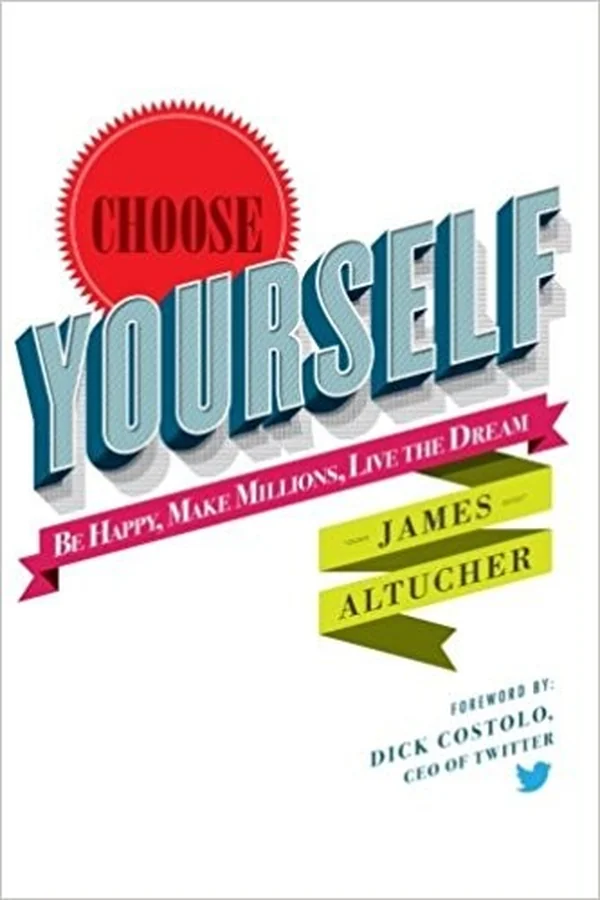 Choose Yourself
James Altucher
★★★★☆ 4.4
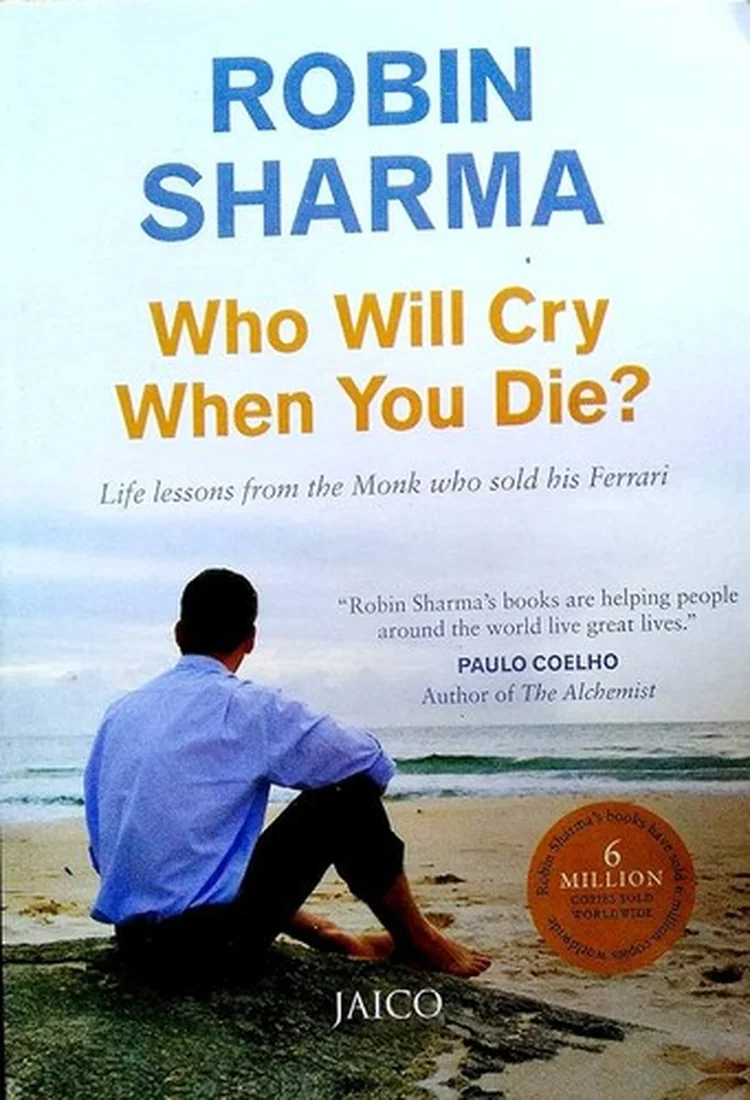 Who Will Cry When You Die?
Robin Sharma
★★★★☆ 4.4
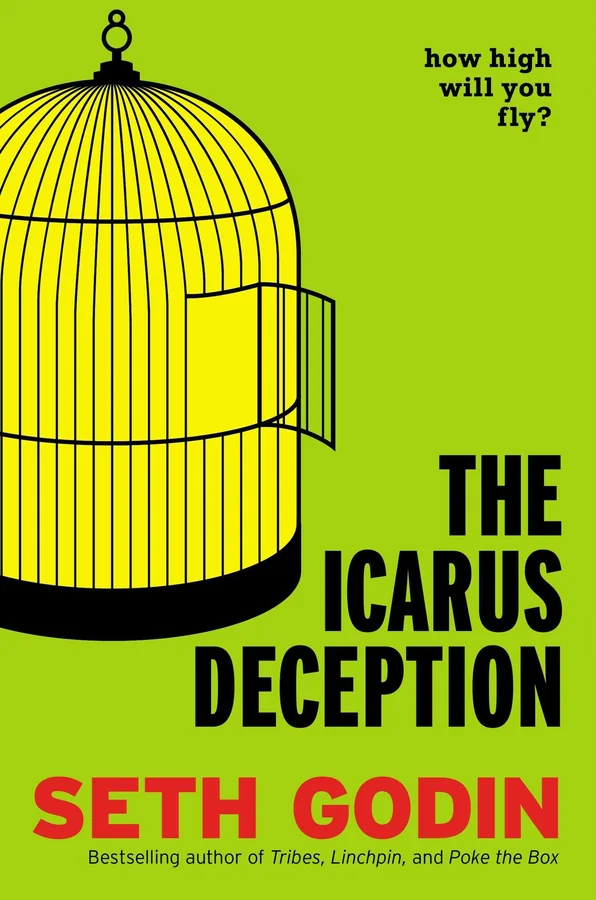 The Icarus Deception
Seth Godin
★★★★☆ 4.4
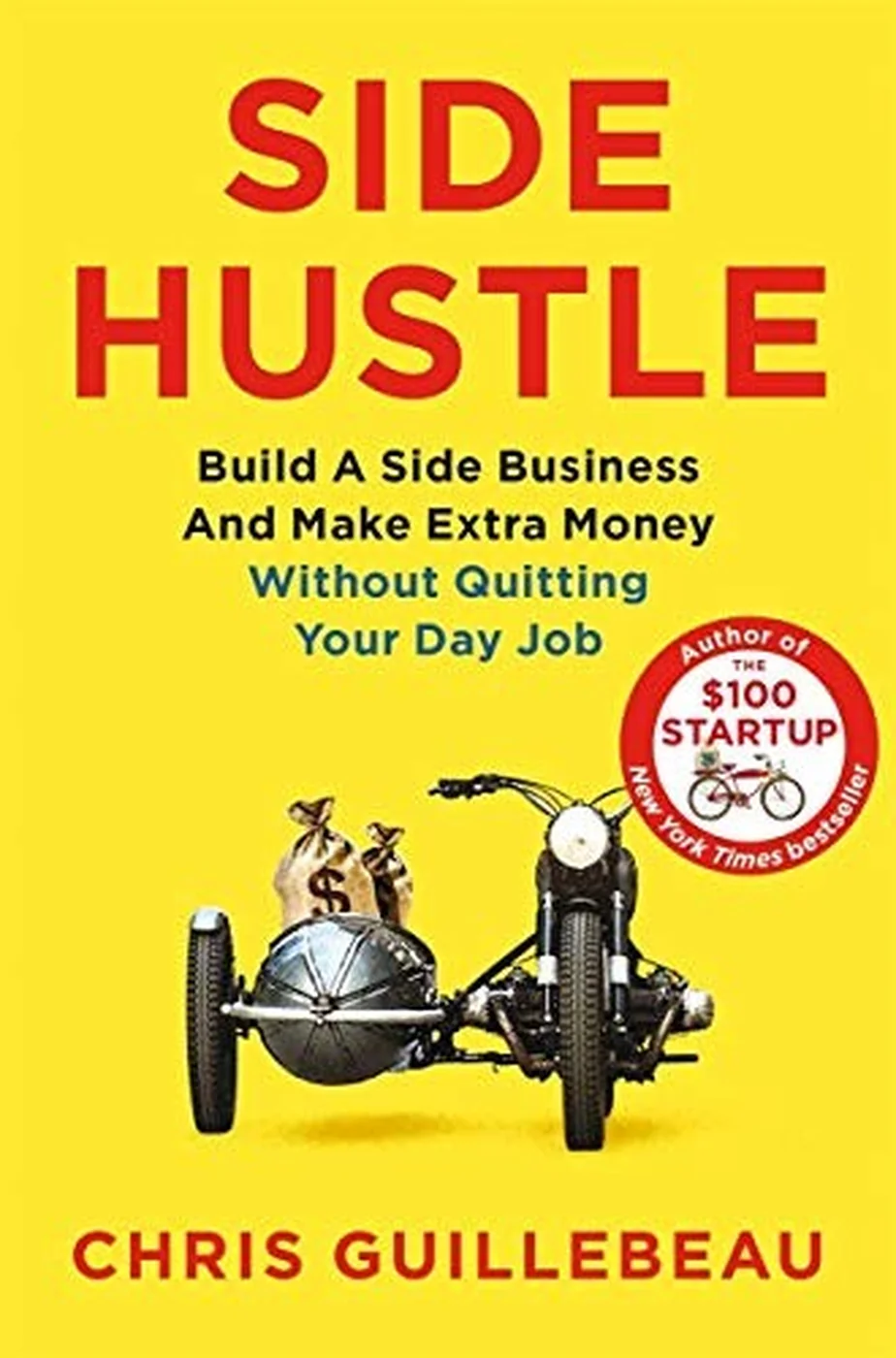 Side Hustle
Chris Guillebeau
★★★★☆ 4.4
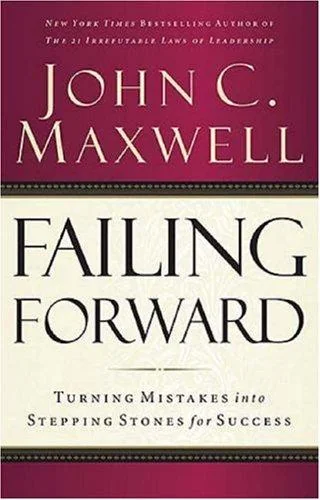 Failing Forward
John C. Maxwell
★★★★½ 4.5
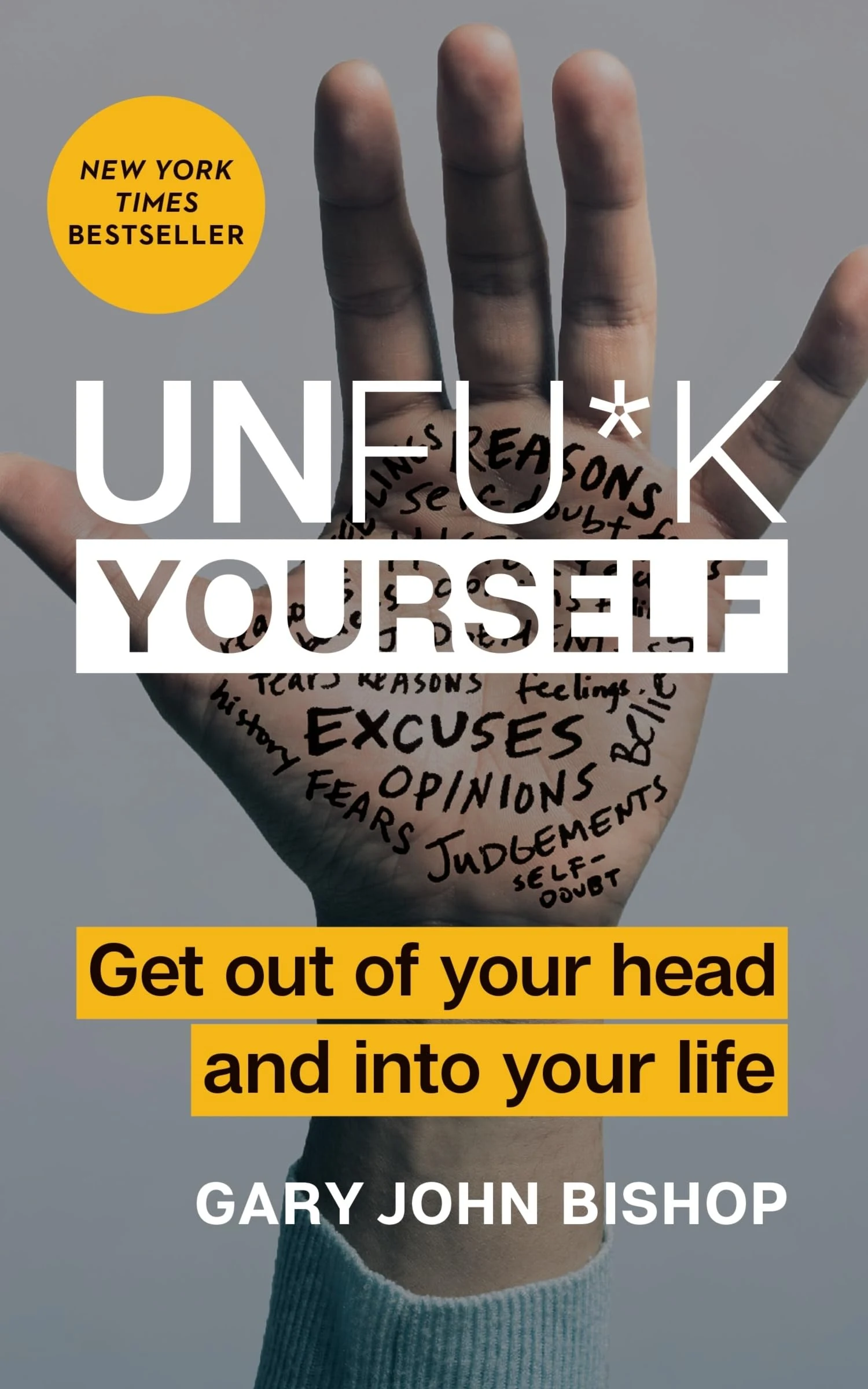 Unfu*k Yourself
Gary John Bishop
★★★★☆ 4.4
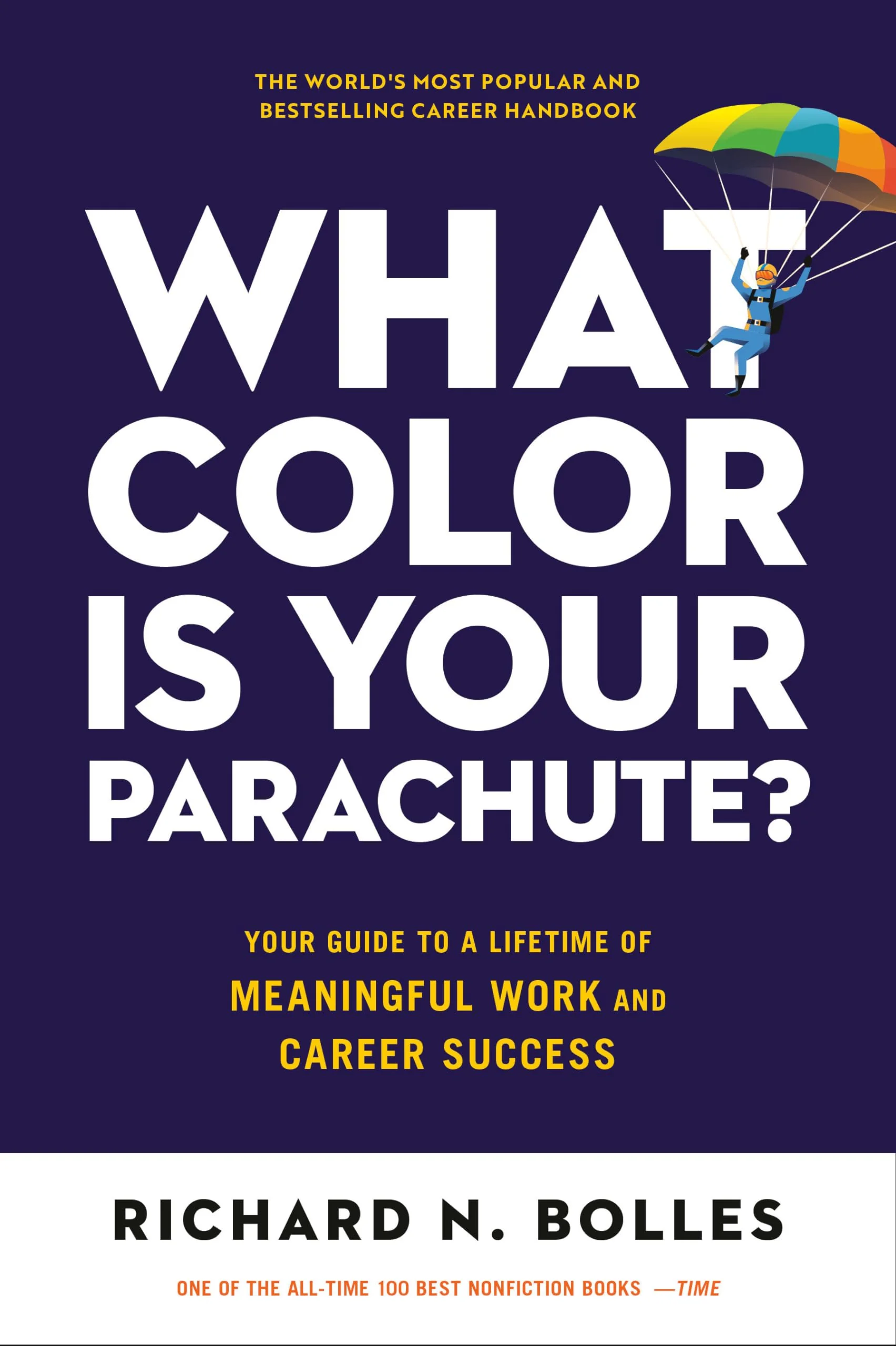 What Color Is Your Parachute
Richard N. Bolles
★★★★½ 4.5
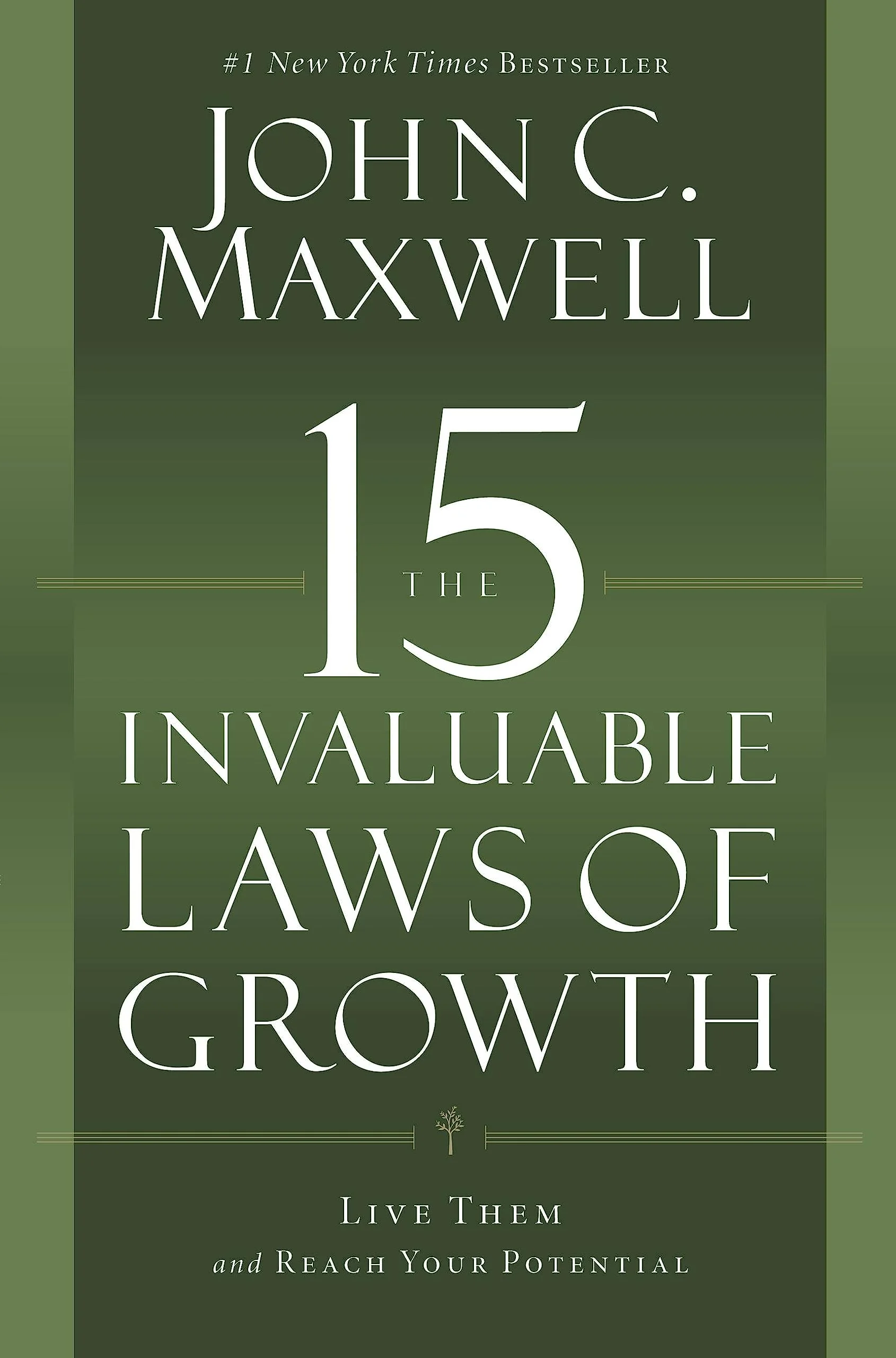 The 15 Invaluable Laws of Growth
John C. Maxwell
★★★★½ 4.5
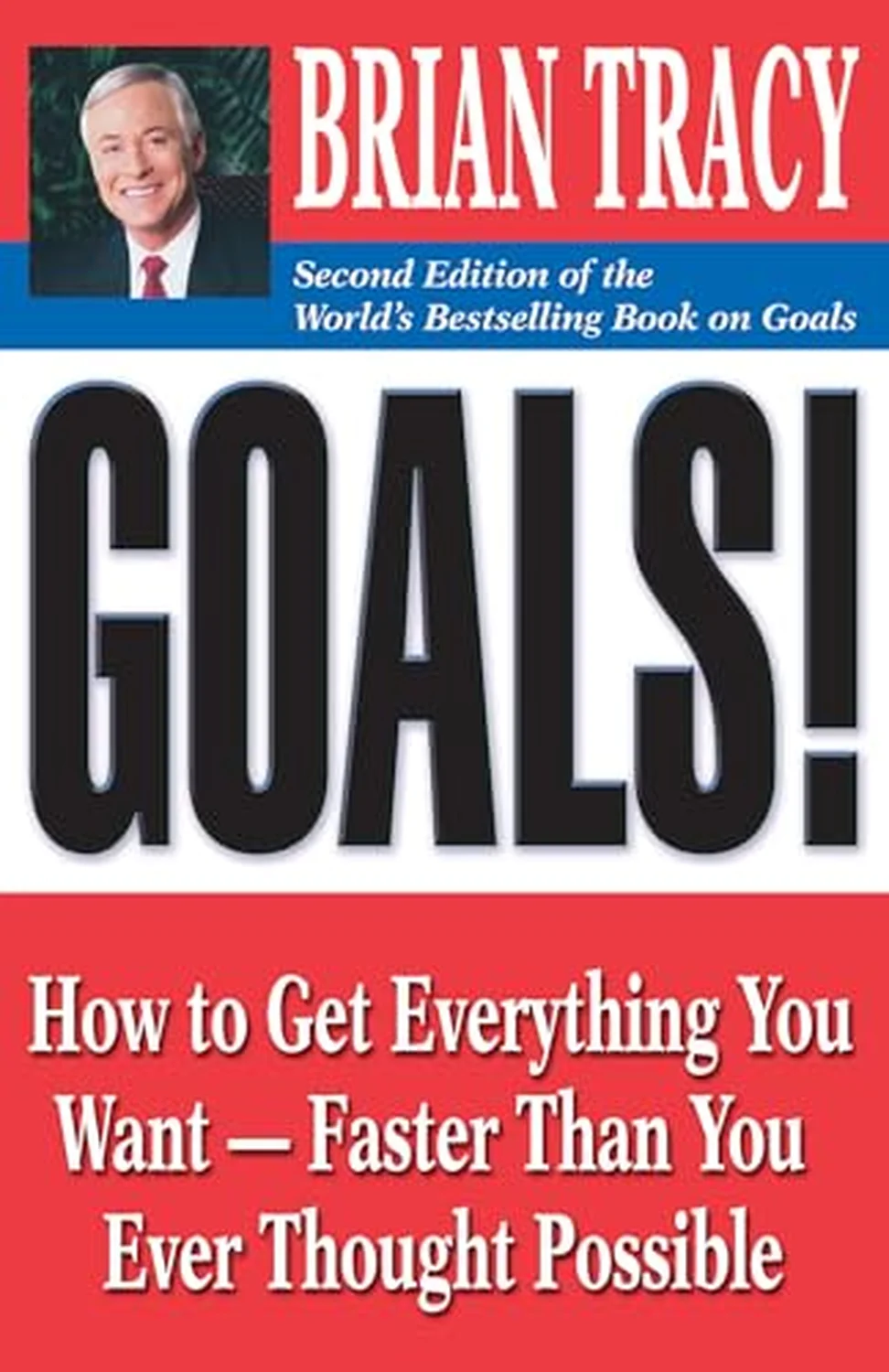 Goals!
Brian Tracy
★★★★½ 4.5
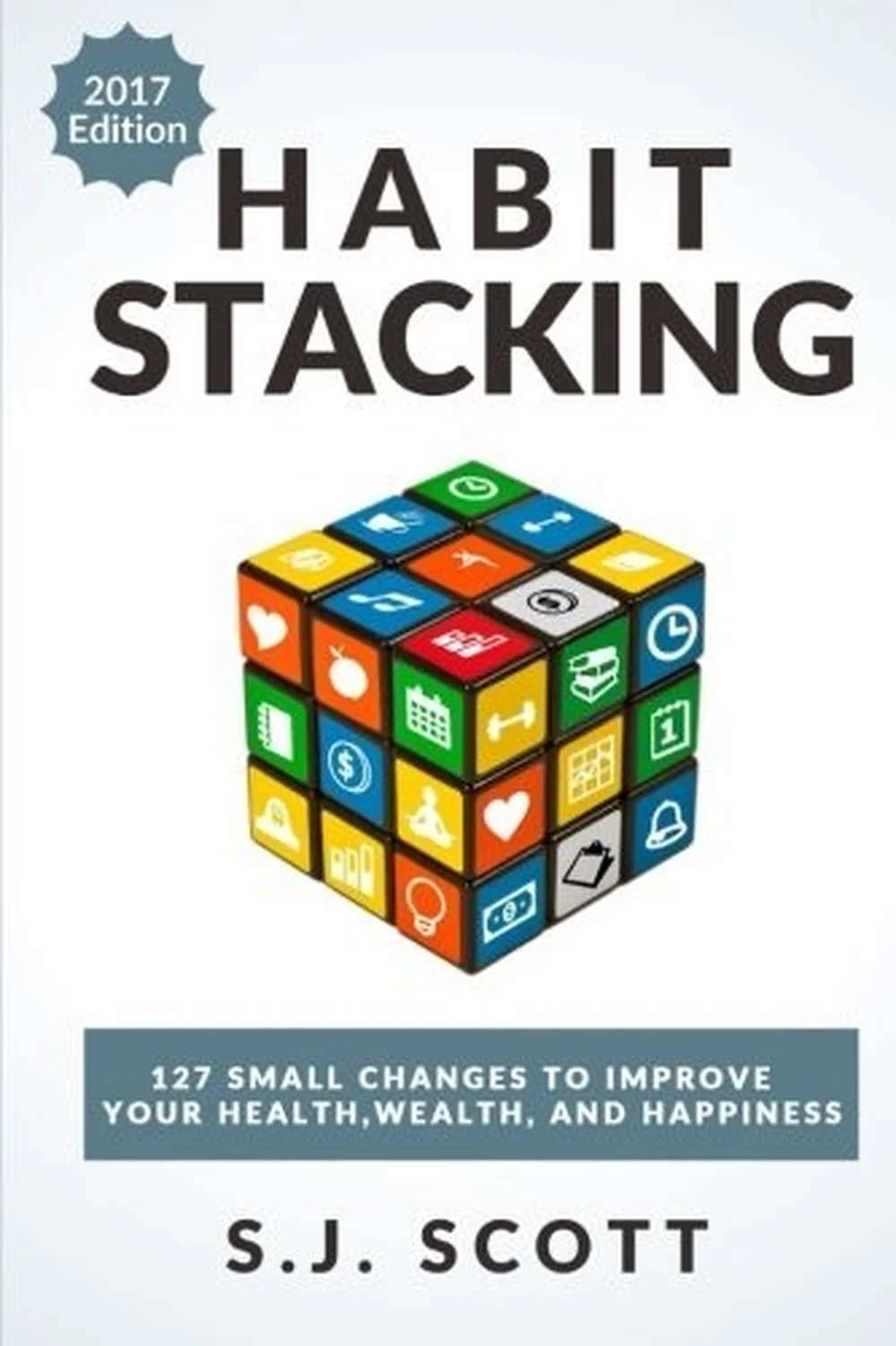 Habit Stacking
S.J. Scott
★★★★☆ 4.4
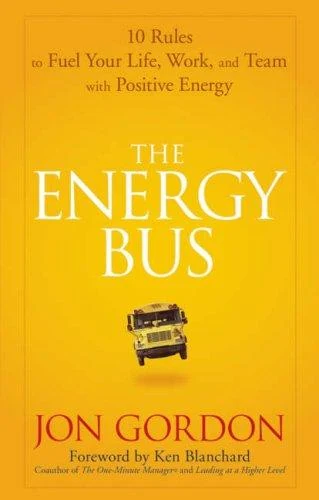 The Energy Bus
Jon Gordon
★★★★☆ 4.4
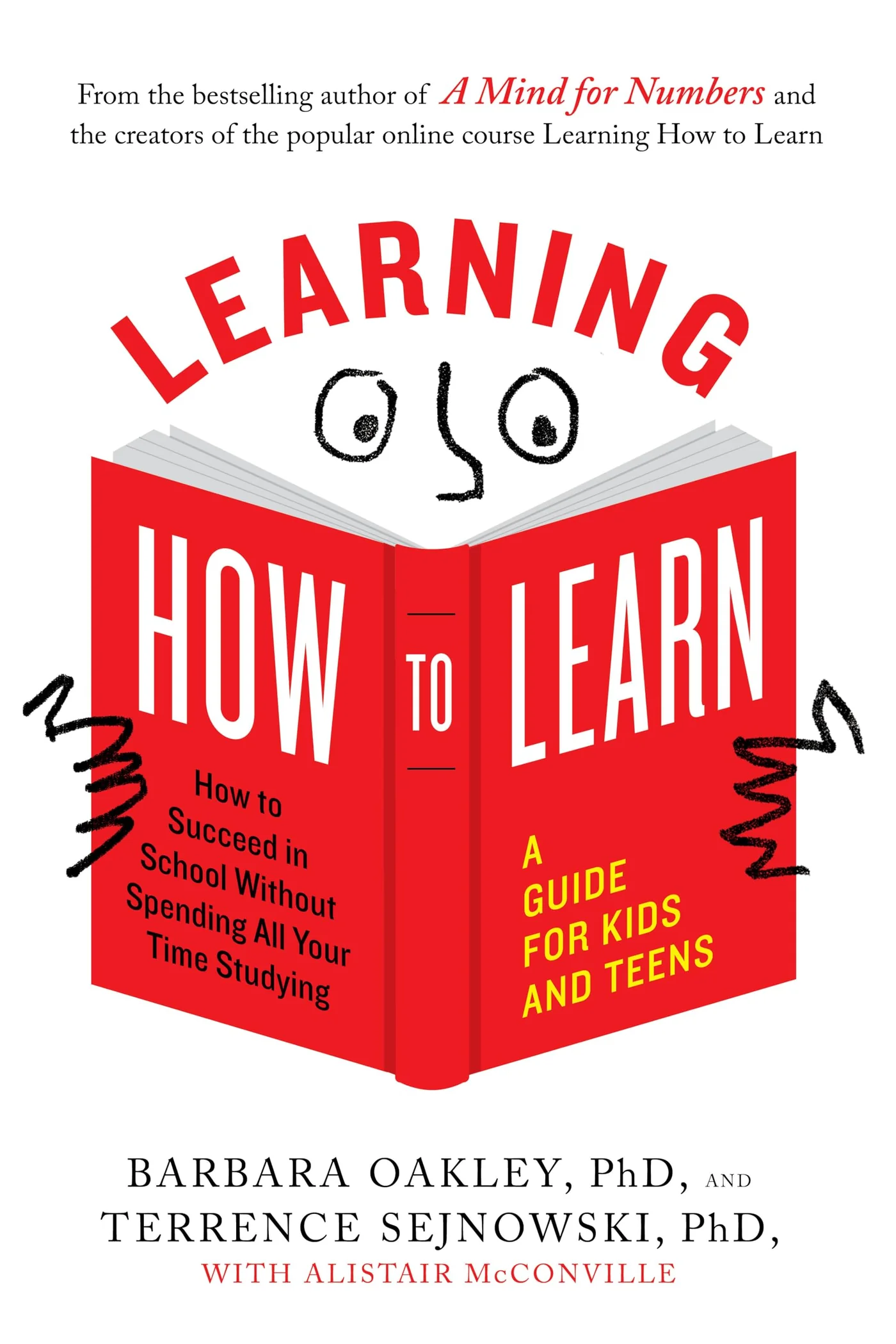 Learning How to Learn
Barbara Oakley, Terrence Sejnowski & Alistair McConville
★★★★½ 4.5
 The Unicorn Project
Gene Kim
★★★★½ 4.5
 The Presentation Secrets of Steve Jobs
Carmine Gallo
★★★★½ 4.5
 Talk Like TED
Carmine Gallo
★★★★½ 4.5
 The Mom Test
Rob Fitzpatrick
★★★★½ 4.6
 The Bullet Journal Method
Ryder Carroll
★★★★½ 4.6
 Ego Is the Enemy
Ryan Holiday
★★★★★ 4.6
 The Life-Changing Magic of Tidying Up
Marie Kondo
★★★★☆ 4.3
 The Slight Edge
Jeff Olson
★★★★½ 4.7
 The Magic of Thinking Big
David J. Schwartz
★★★★½ 4.6
 Better Than Before
Gretchen Rubin
★★★★ 4.2
 A World Without Email
Cal Newport
★★★★★ 4.6
 Grit
GritAngela Duckworth
★★★★½ 4.5
Jason Fried & David Heinemeier Hansson
★★★★½ 4.6
 The Power of Less
Leo Babauta
★★★★☆ 4.3
 Discipline Is Destiny by Ryan Holiday
 The Organized Mind by Daniel J. Levitin
Daniel J. Levitin
★★★★½ 4.5
 The Procrastination Equation by Piers Steel
Piers Steel, PhD
★★★★½ 4.6
 Think and Grow Rich
Napoleon Hill
★★★★½ 4.5
 Show Your Work!
Austin Kleon
★★★★★ 4.6
 The 7 Habits of Highly Effective People
Stephen R. Covey
★★★★★ 5.0
 Deep Work by Cal Newport
Cal Newport
★★★★½ 4.6
 Can’t Hurt Me
David Goggins
★★★★★ 4.8
 Think Like a Monk
Jay Shetty
★★★★½ 4.5
 The Goal
Eliyahu M. Goldratt
★★★★★ 4.7
 The Creative Act
Rick Rubin
★★★★½ 4.5
 Make It Stick
Peter C. Brown, Henry L. Roediger III & Mark A. McDaniel
★★★★½ 4.6
 The War of Art
Steven Pressfield
★★★★☆ 4.2
 Indistractable
Nir Eyal
★★★★☆ 4.2
 So Good They Can’t Ignore You
Cal Newport
★★★★★ 4.4
 The Now Habit
Neil Fiore
★★★★☆ 4.3
 The Checklist Manifesto
Atul Gawande
★★★★☆ 4.3
 Free to Focus
Michael Hyatt
★★★★☆ 4.3
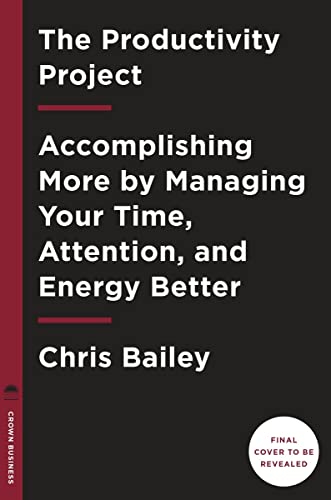 The Productivity Project
Chris Bailey
★★★★☆ 4.1
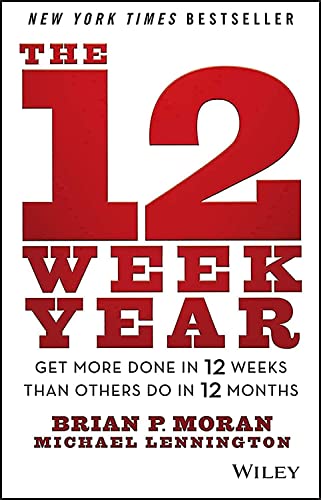 The 12 Week Year
Brian P. Moran
★★★★☆ 4.2
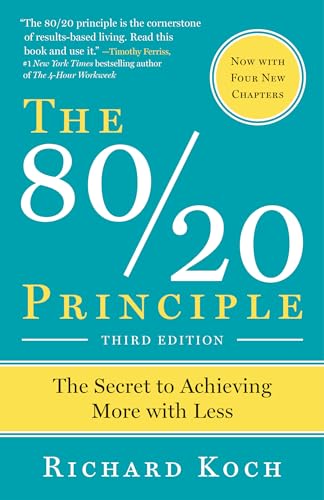 The 80/20 Principle
Richard Koch
★★★★☆ 4.2
 Smarter Faster Better
Charles Duhigg
★★★★☆ 4.1
 Ultralearning
Scott H. Young
★★★★☆ 4.3
 The Pomodoro Technique
Francesco Cirillo
★★★★☆ 4.0
 Joy at Work
Marie Kondo & Scott Sonenshein
★★★★☆ 4.0
 The Practice of Groundedness
Brad Stulberg
★★★★★ 4.6
 The Art of Impossible
Steven Kotler
★★★★☆ 4.4
 The Dip
Seth Godin
★★★★☆ 4.3
 The Success Principles
Jack Canfield
★★★★☆ 4.4
 Awaken the Giant Within
Tony Robbins
★★★★☆ 4.3
 Mini Habits
Stephen Guise
★★★★½ 4.4
 Tools of Titans
Tim Ferriss
★★★★½ 4.5
 Made to Stick
Chip Heath & Dan Heath
★★★★½ 4.6
 How to Read a Book
Mortimer J. Adler & Charles Van Doren
★★★★½ 4.6
 The Phoenix Project
Gene Kim, Kevin Behr & George Spafford
★★★★½ 4.6
 Moonwalking with Einstein
Joshua Foer
★★★★½ 4.6
 Outwitting the Devil
Napoleon Hill
★★★★½ 4.5
 As a Man Thinketh
James Allen
★★★★½ 4.5
 Psycho-Cybernetics
Maxwell Maltz
★★★★½ 4.6
 Thinking in Systems
Donella H. Meadows
★★★★½ 4.6
 Hidden Potential
Adam Grant
★★★★½ 4.6
 Discipline Equals Freedom
Jocko Willink
★★★★½ 4.5
 Who Not How
Dan Sullivan & Benjamin Hardy
★★★★½ 4.6
 Unlimited Memory
Kevin Horsley
★★★★ 4.3
 The Monk Who Sold His Ferrari
Robin Sharma
★★★★½ 4.5
 10x Is Easier Than 2x
Dan Sullivan & Dr. Benjamin Hardy
★★★★½ 4.5
 The 8th Habit
Stephen R. Covey
★★★★☆ 4.4
 Unlimited Power
Tony Robbins
★★★★☆ 4.3
 The 7 Habits of Highly Effective Teens
Sean Covey
★★★★½ 4.5
 Clear Thinking
Shane Parrish
★★★★½ 4.6
 Linchpin
Seth Godin
★★★★½ 4.4
 The Personal MBA
Josh Kaufman
★★★★½ 4.5
 Managing Oneself
Peter Drucker
★★★★½ 4.6
 Tribe of Mentors
Tim Ferriss
★★★★½ 4.5
 Give and Take
Adam Grant
★★★★½ 4.6
 StrengthsFinder 2.0
Tom Rath
★★★★½ 4.5
 Relentless
Tim S. Grover
★★★★½ 4.5
 Decisive
Chip Heath & Dan Heath
★★★★½ 4.5
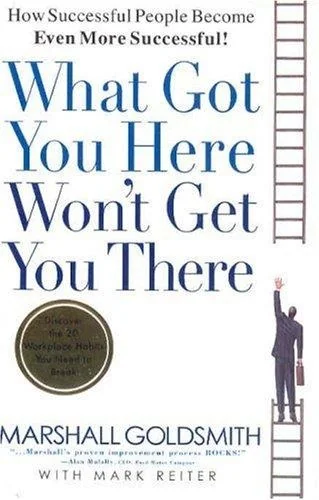 What Got You Here Won’t Get You There
Marshall Goldsmith
★★★★½ 4.6
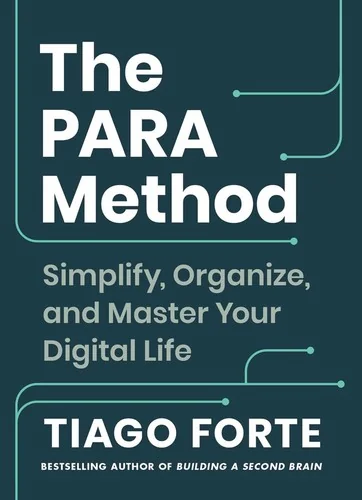 The PARA Method
Tiago Forte
★★★★☆ 4.4
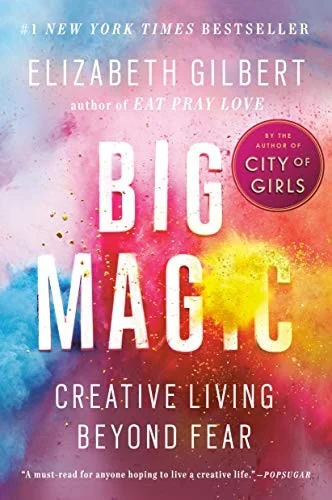 Big Magic
Elizabeth Gilbert
★★★★½ 4.5
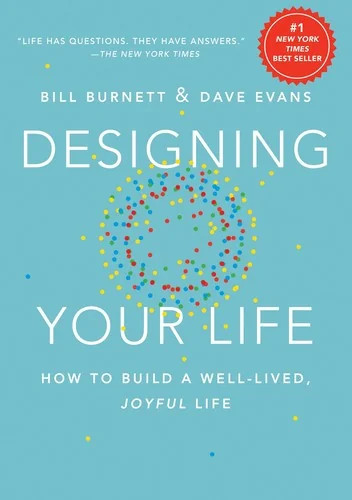 Designing Your Life
Bill Burnett & Dave Evans
★★★★½ 4.6
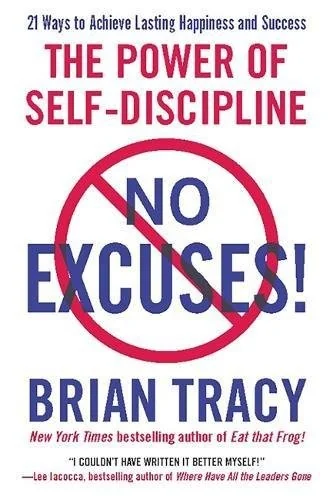 No Excuses!
Brian Tracy
★★★★☆ 4.4
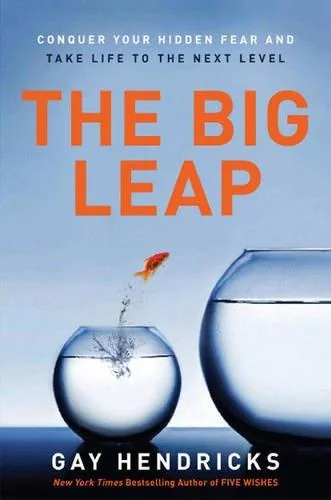 The Big Leap
Gay Hendricks
★★★★☆ 4.4
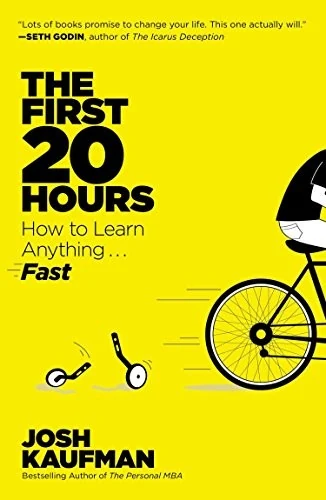 The First 20 Hours
Josh Kaufman
★★★★½ 4.4
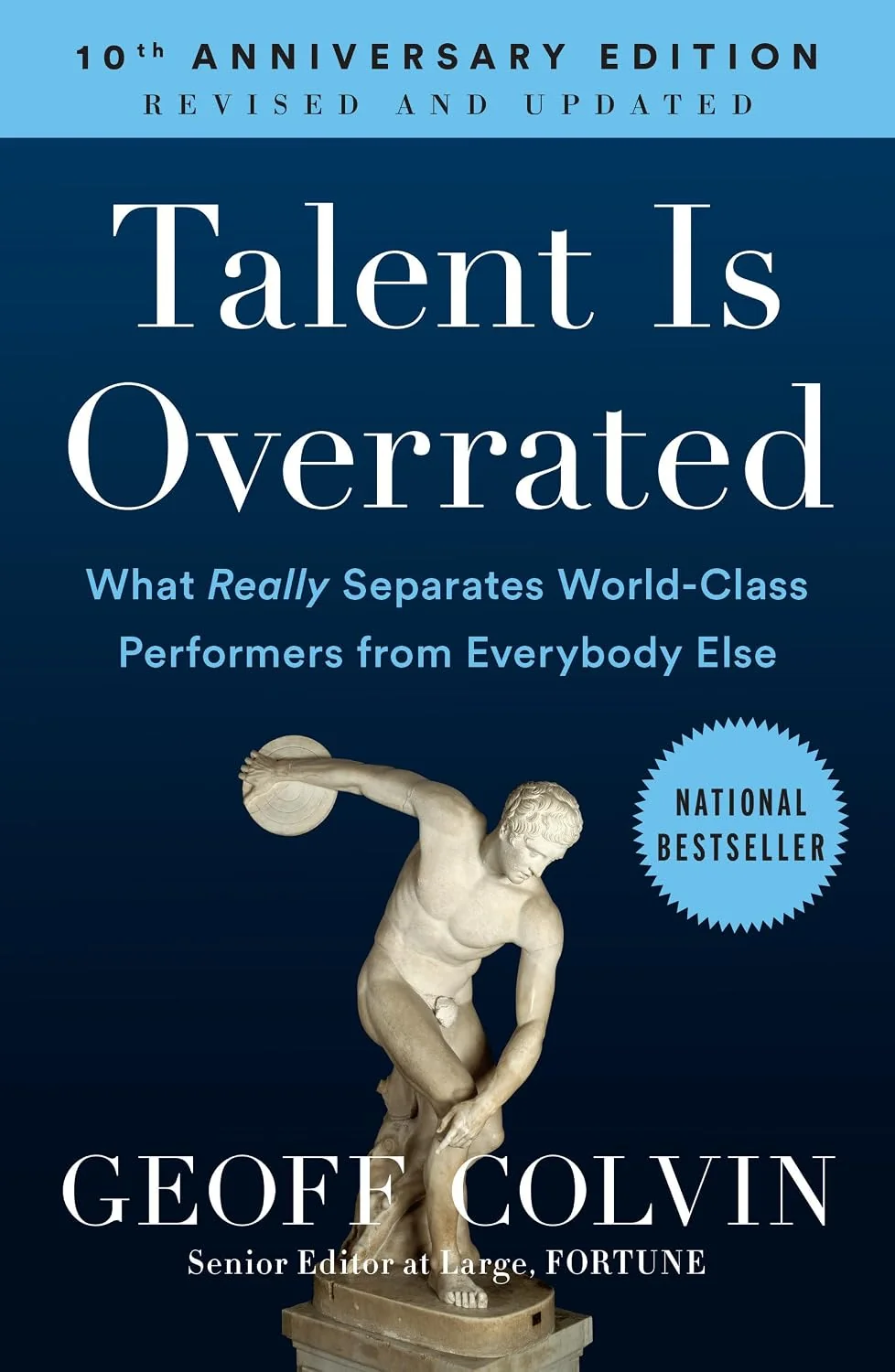 Talent Is Overrated
Geoff Colvin
★★★★☆ 4.4
 The Daily Laws
Robert Greene
★★★★½ 4.5
 Focus
FocusDaniel Goleman
★★★★½ 4.5
 Brain Rules
John Medina
★★★★☆ 4.5
 Courage Is Calling
Ryan Holiday
★★★★½ 4.5
 How Will You Measure Your Life
Clayton Christensen
★★★★½ 4.6
 The Four Tendencies
Gretchen Rubin
★★★★½ 4.5
 The Science of Self-Discipline
Peter Hollins
★★★★☆ 4.3
 The Practicing Mind
Thomas M. Sterner
★★★★☆ 4.4
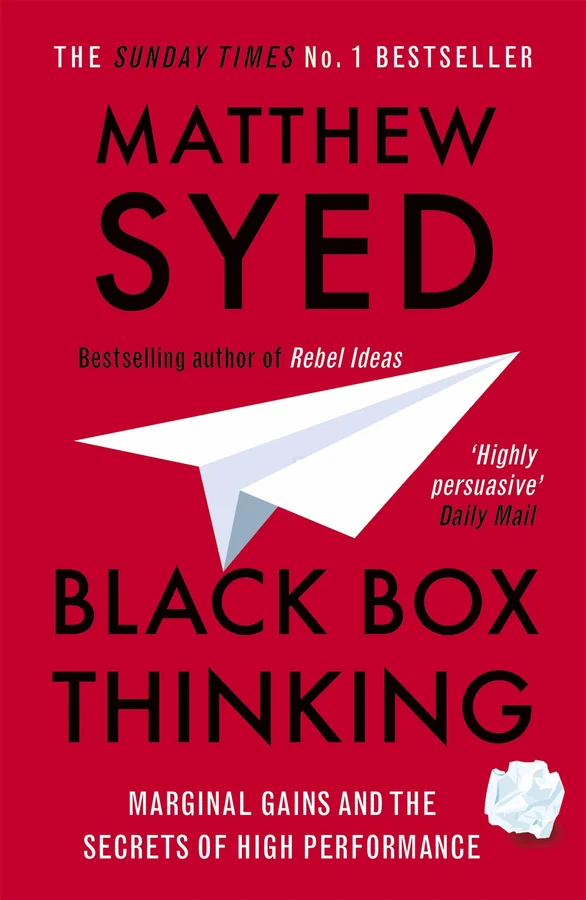 Black Box Thinking
Matthew Syed
★★★★½ 4.6
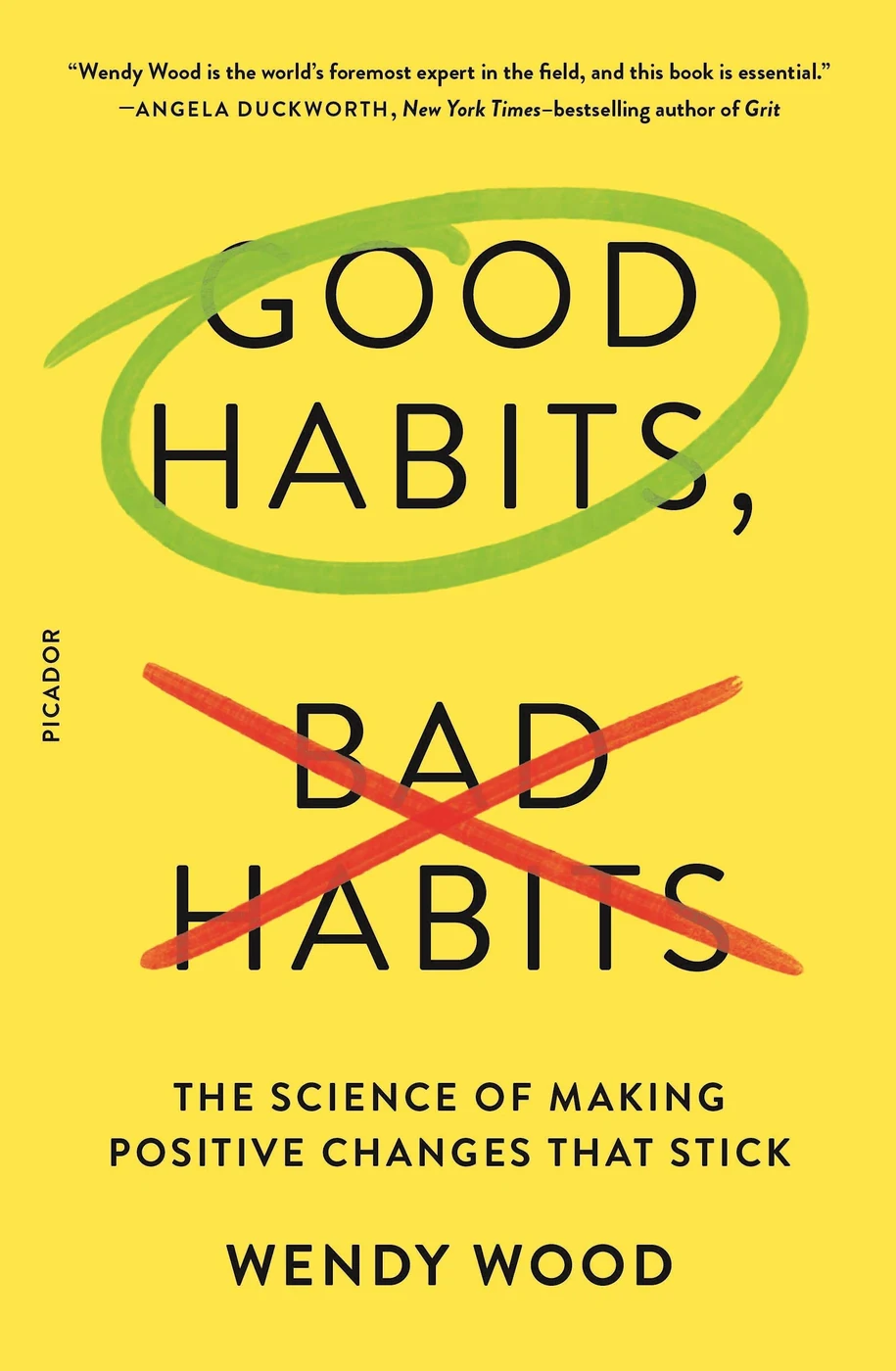 Good Habits, Bad Habits
Wendy Wood
★★★★½ 4.6
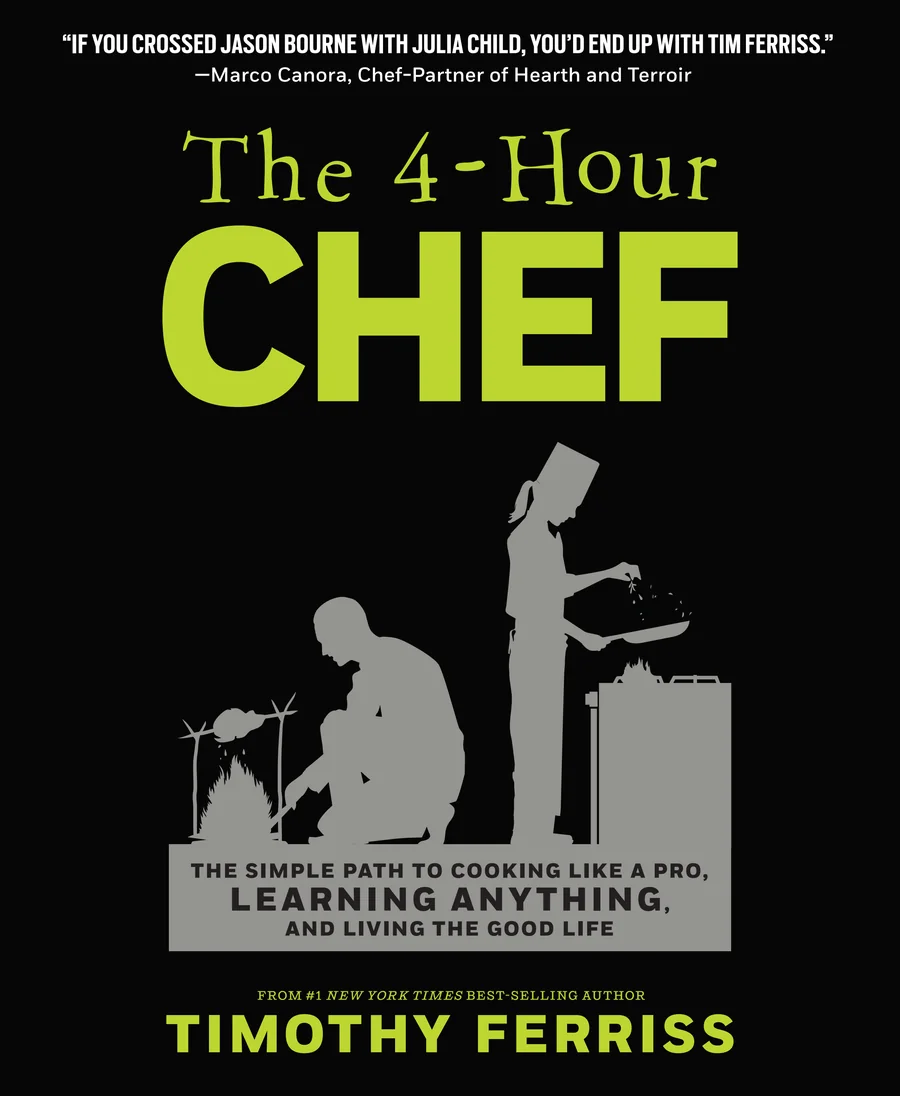 The 4-Hour Chef
Timothy Ferriss
★★★★½ 4.5
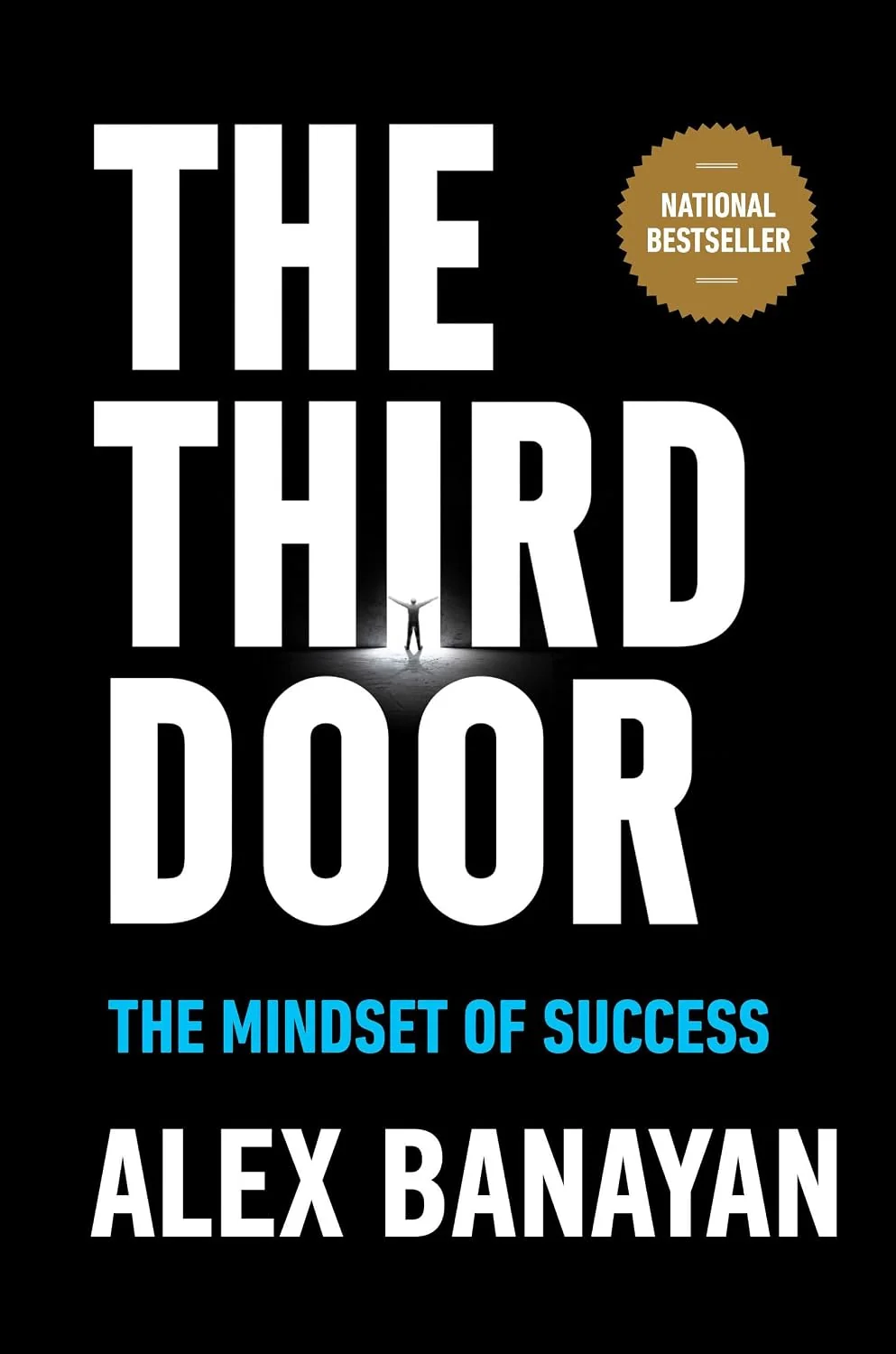 The Third Door
Alex Banayan
★★★★½ 4.5
 Chop Wood Carry Water
Joshua Medcalf
★★★★☆ 4.4
 How to Break Up with Your Phone
Catherine Price
★★★★½ 4.5
 Soundtracks
Jon Acuff
★★★★☆ 4.4
 The Little Book of Talent
Daniel Coyle
★★★★½ 4.5
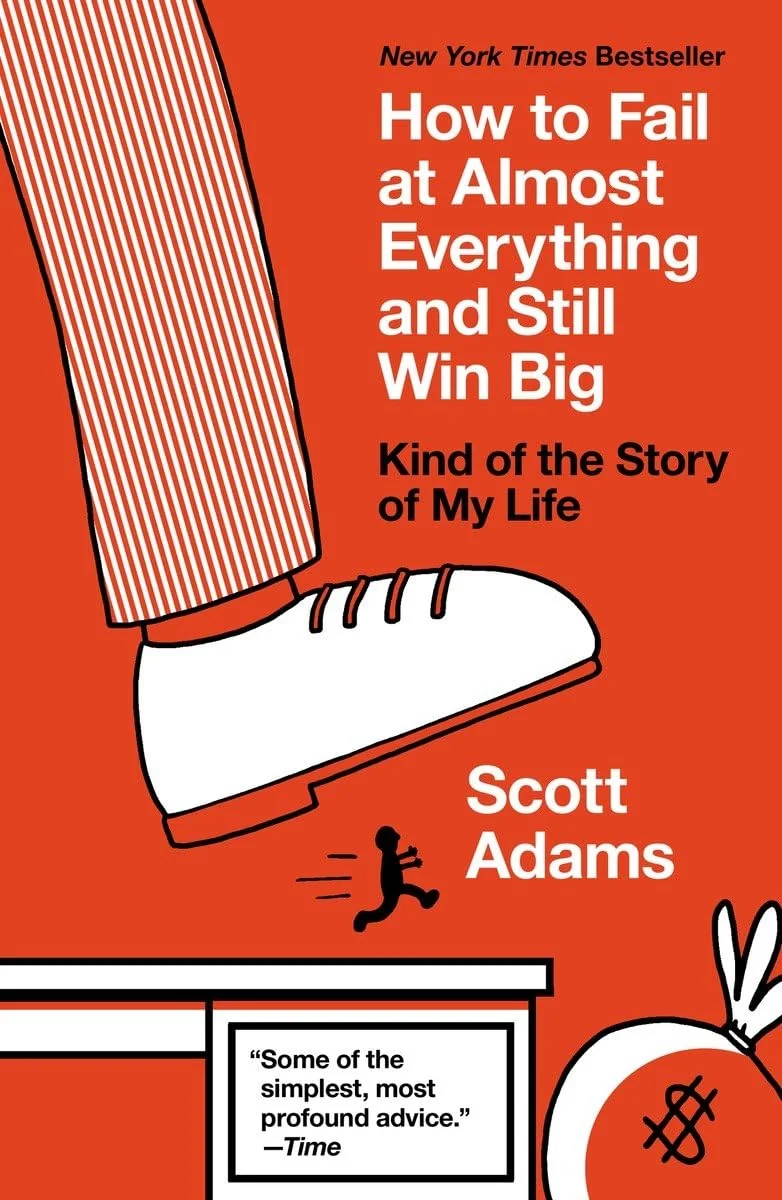 How to Fail at Almost Everything
Scott Adams
★★★★½ 4.5
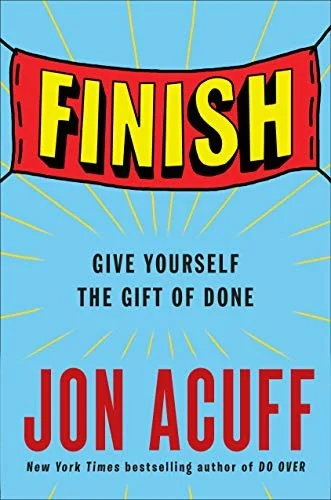 Finish
Jon Acuff
★★★★☆ 4.4
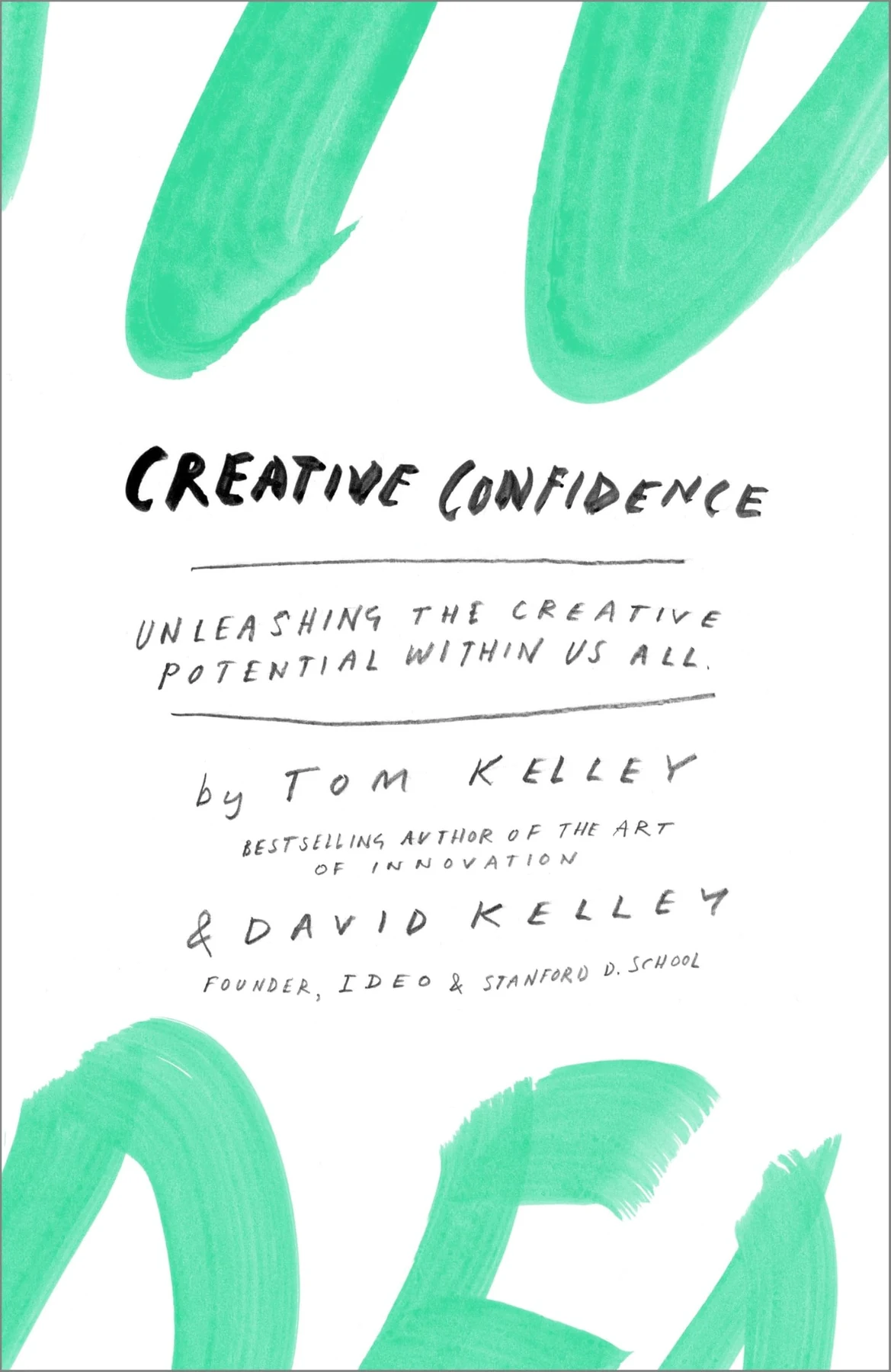 Creative Confidence
Tom Kelley & David Kelley
★★★★½ 4.5
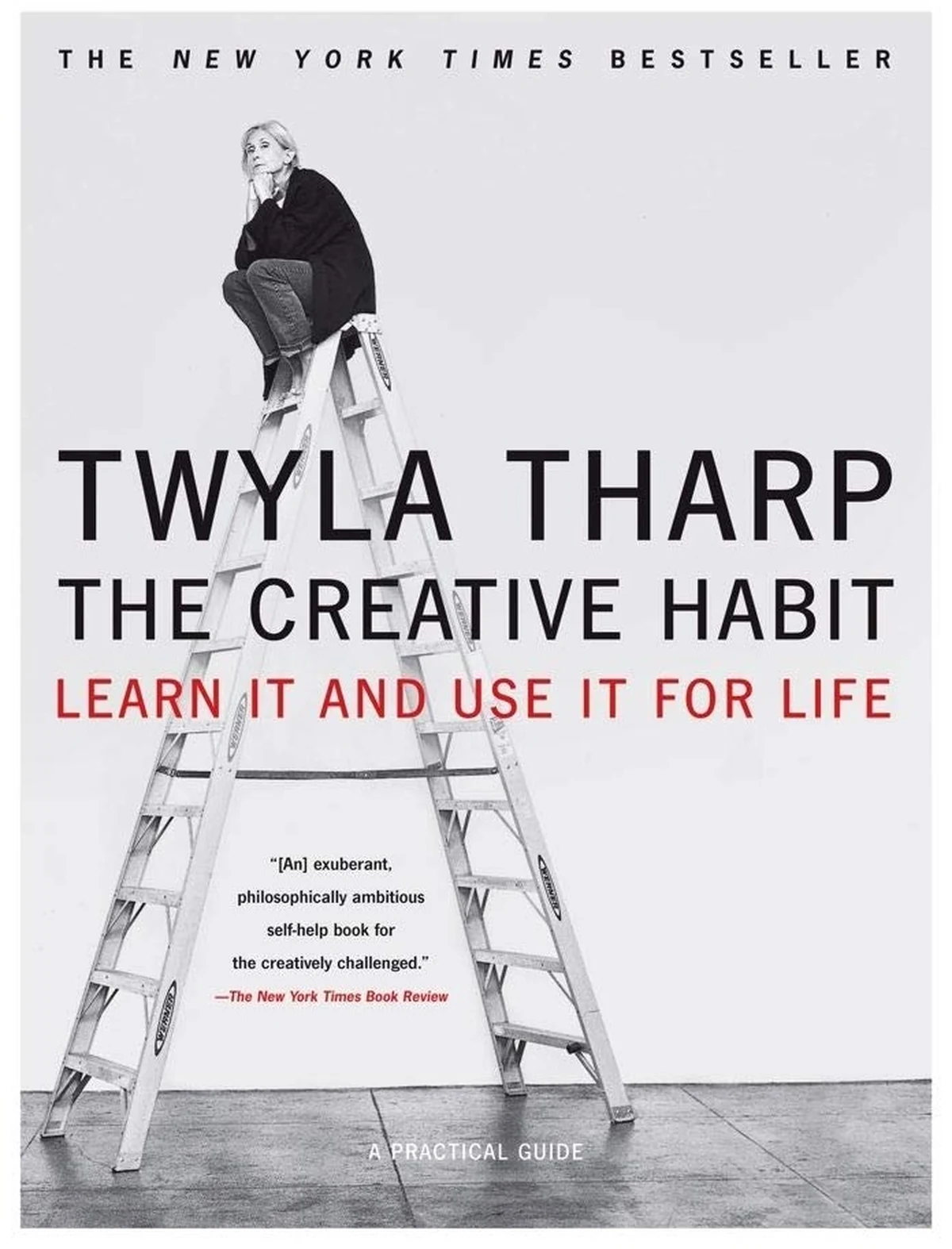 The Creative Habit
Twyla Tharp
★★★★½ 4.6
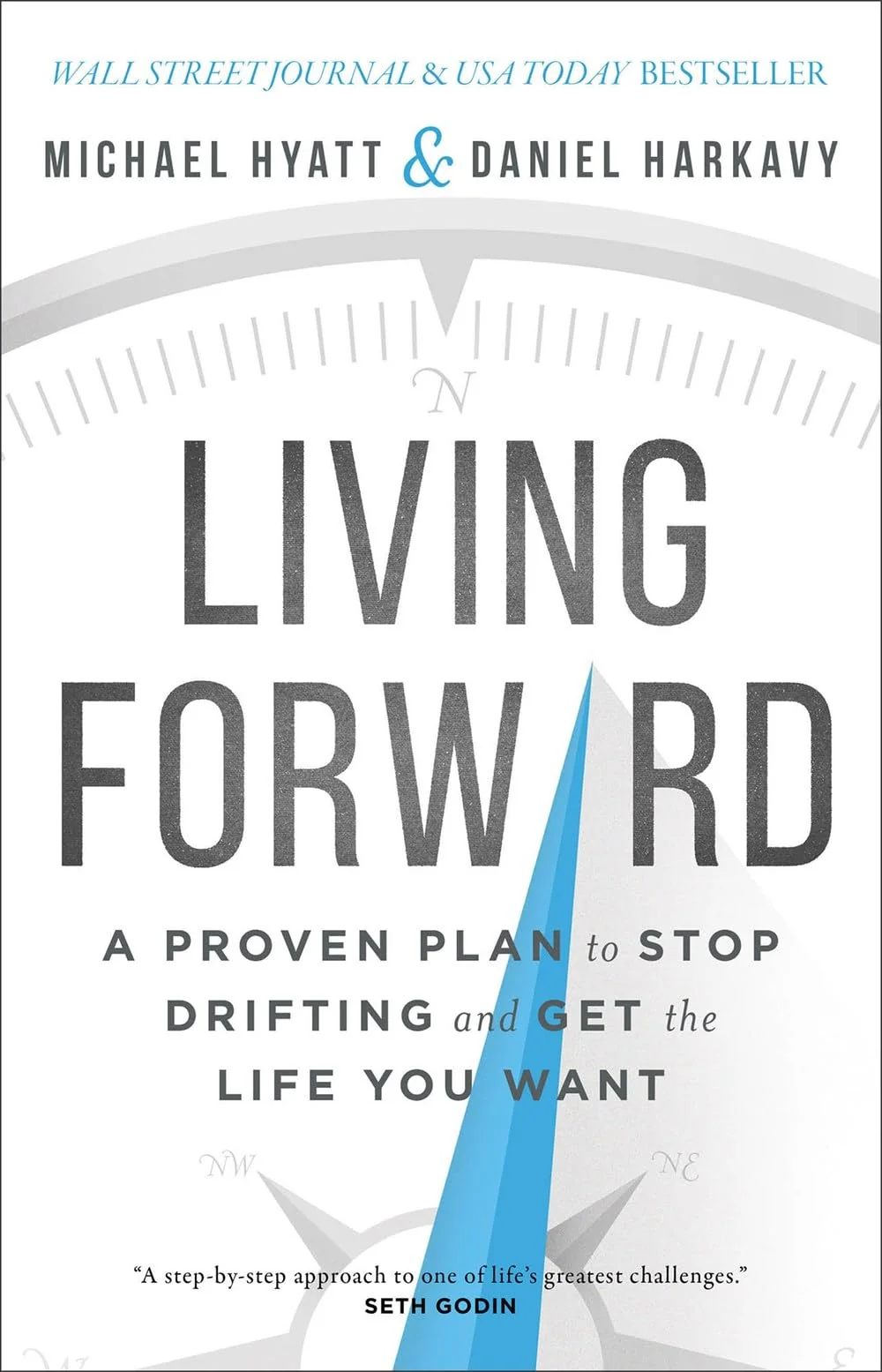 Living Forward
Michael Hyatt & Daniel Harkavy
★★★★☆ 4.4
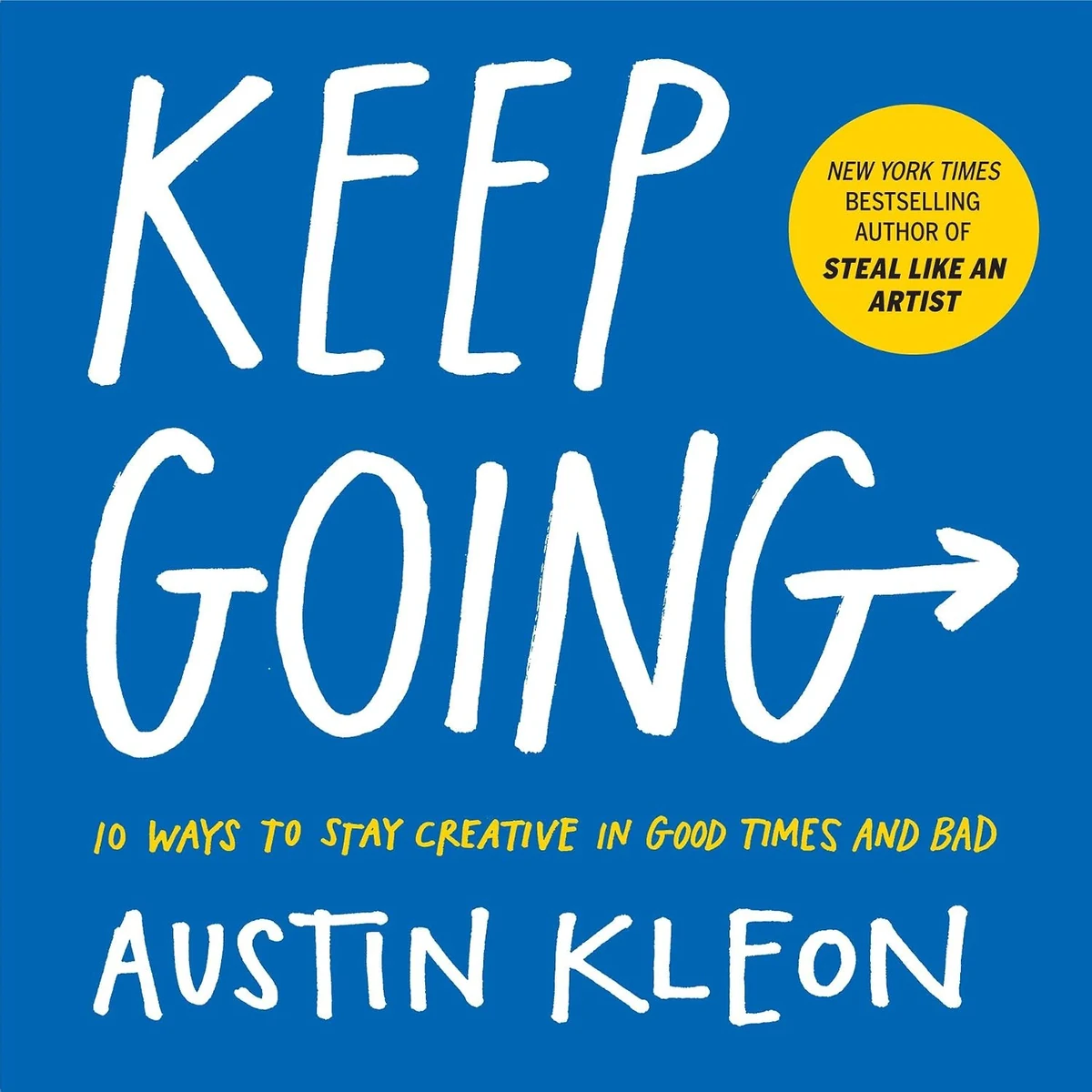 Keep Going
Austin Kleon
★★★★½ 4.6
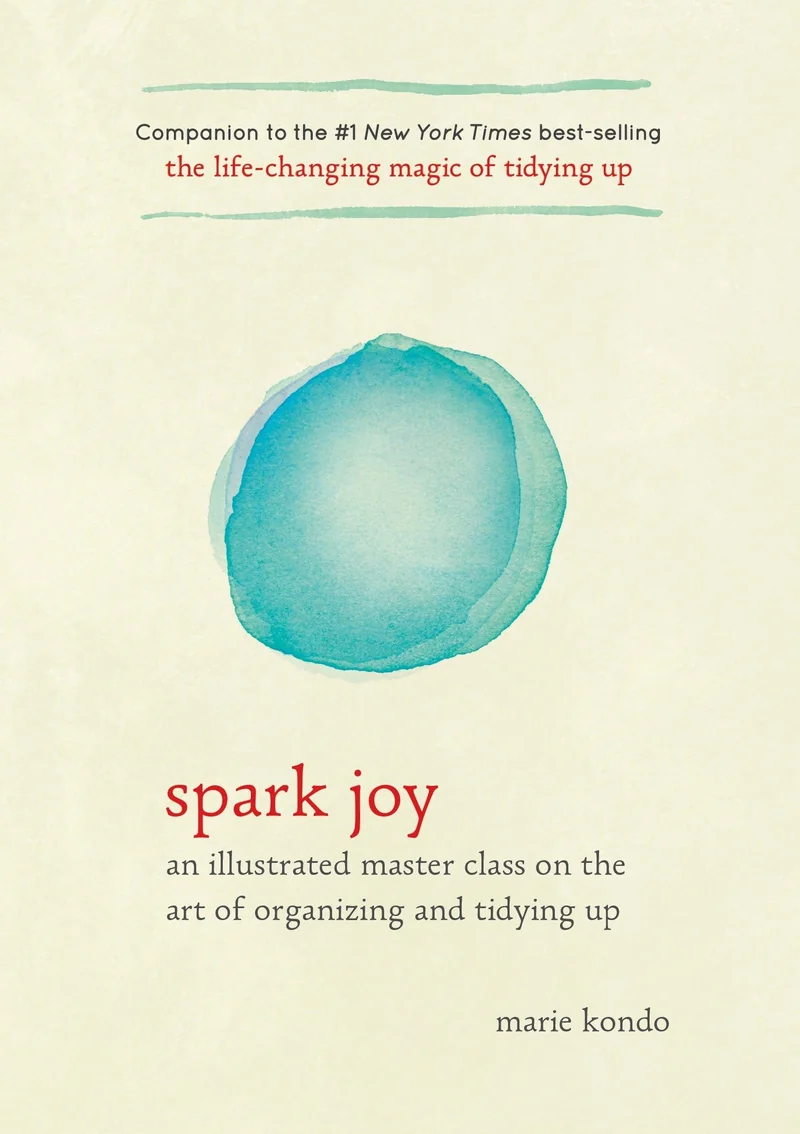 Spark Joy
Marie Kondo
★★★★☆ 4.4
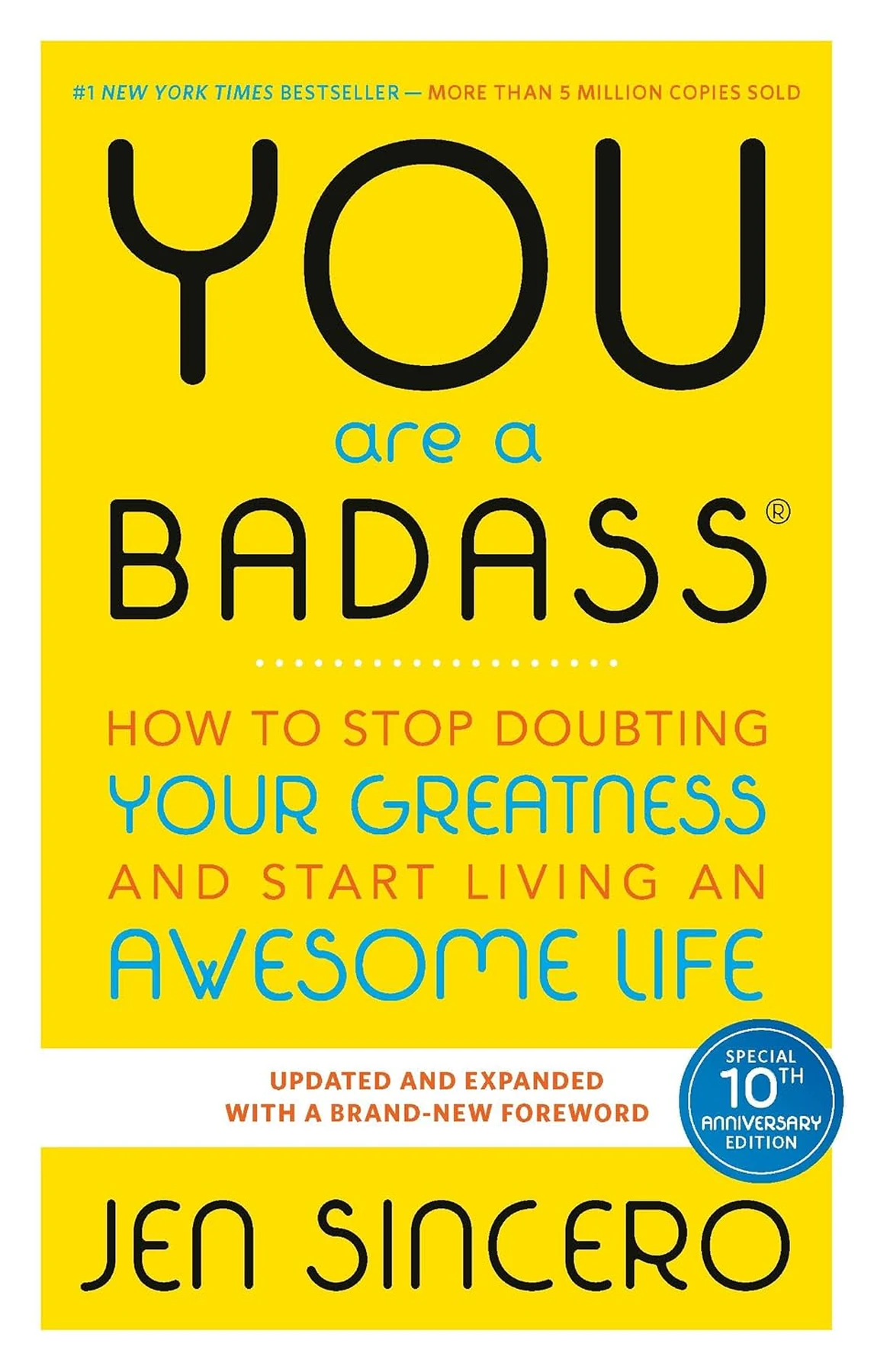 You Are a Badass
Jen Sincero
★★★★½ 4.5
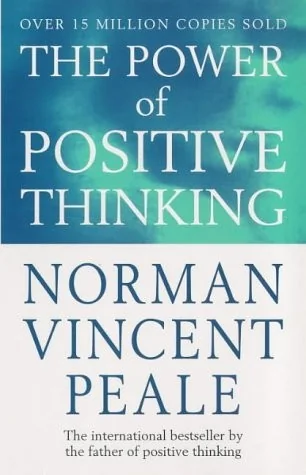 The Power of Positive Thinking
Norman Vincent Peale
★★★★☆ 4.3
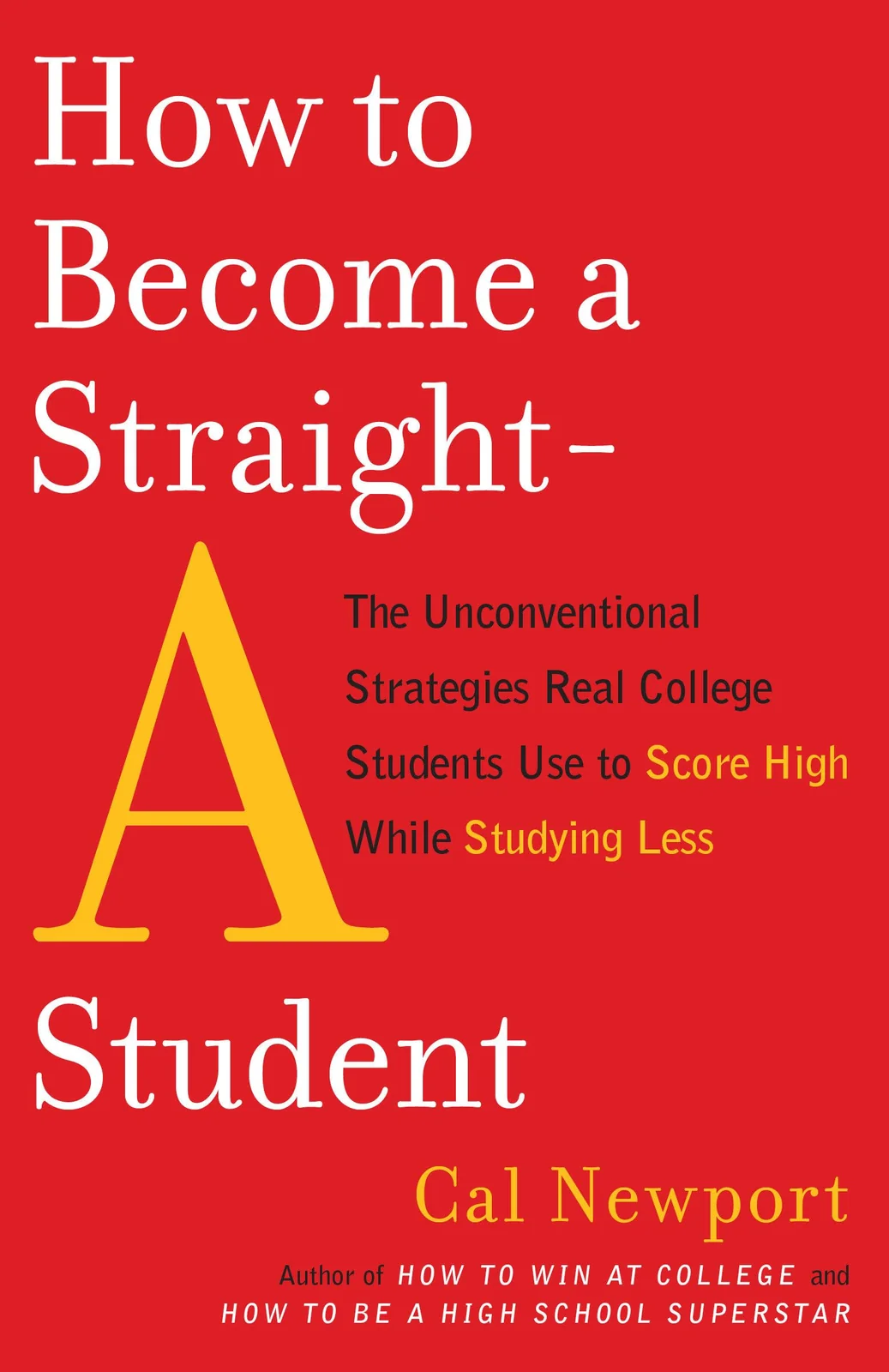 How to Become a Straight-A Student
Cal Newport
★★★★☆ 4.4
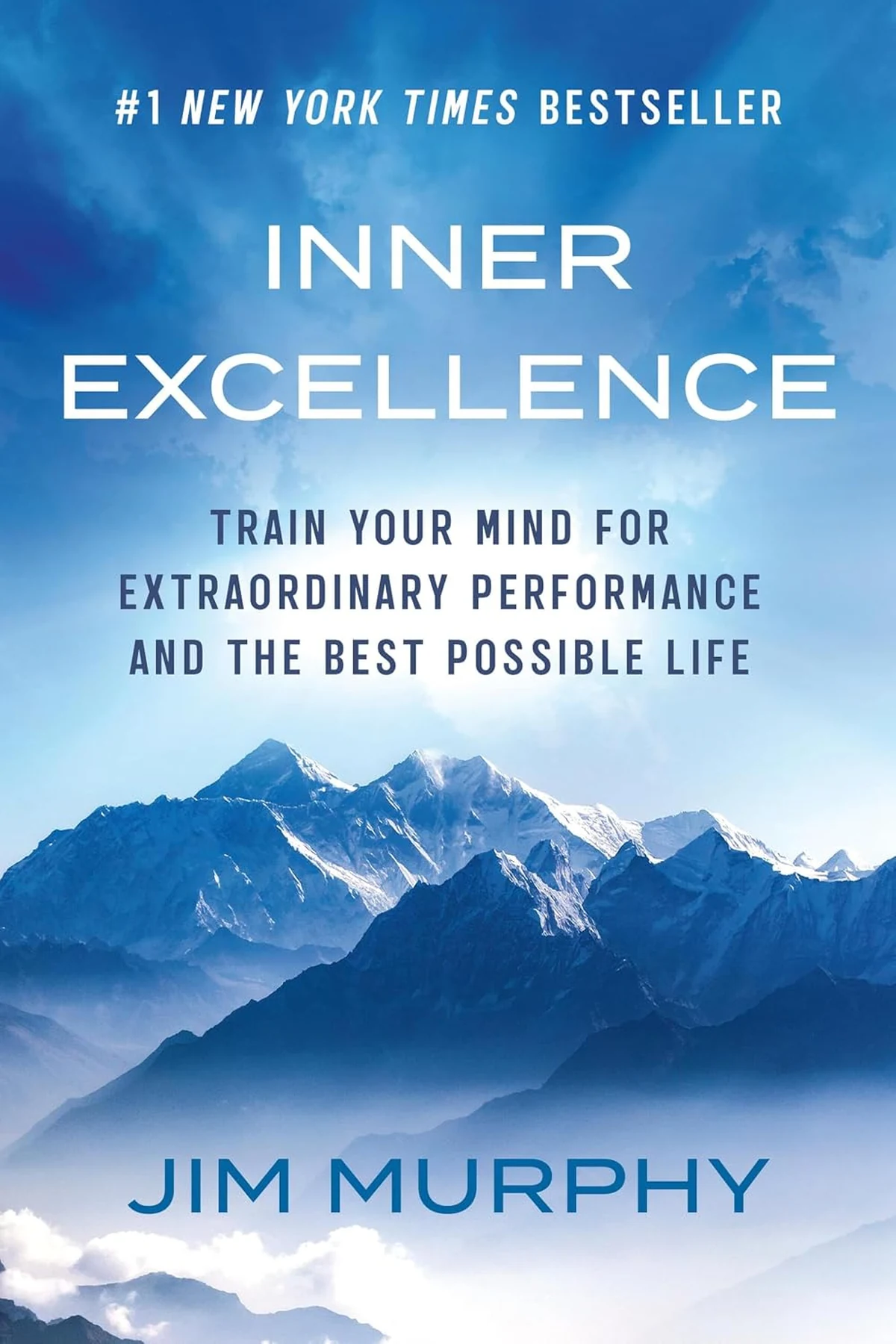 Inner Excellence
Jim Murphy
★★★★¾ 4.7
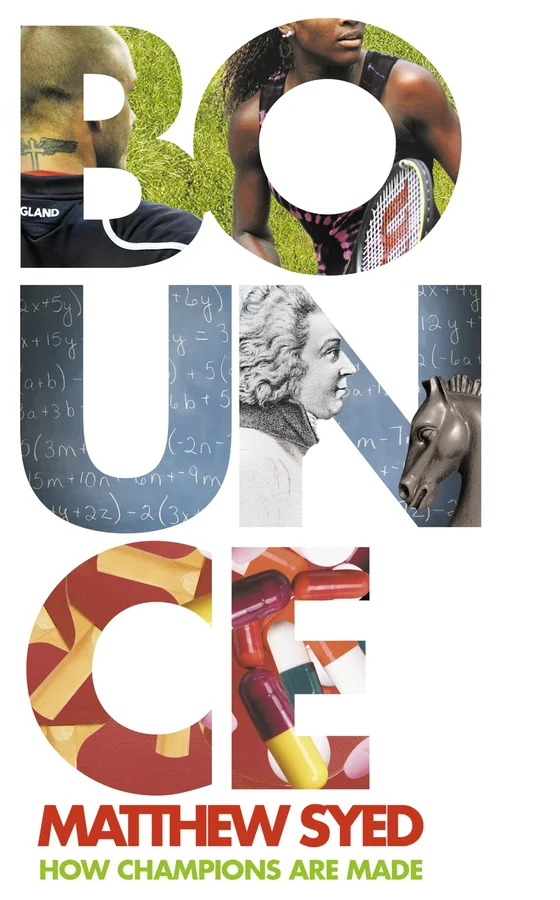 Bounce
Matthew Syed
★★★★☆ 4.4
 On Writing
Stephen King
★★★★½ 4.6
 Winning
Tim S. Grover
★★★★⅗ 4.6
 The Motivation Myth
Jeff Haden
★★★★☆ 4.3
 A Whole New Mind
Daniel H. Pink
★★★★½ 4.5
 The Mamba Mentality
Kobe Bryant
★★★★⅗ 4.7
 The High 5 Habit
Mel Robbins
★★★★☆ 4.3
 To Sell Is Human
Daniel H. Pink
★★★★⅗ 4.6
 The Go-Giver
Bob Burg & John David Mann
★★★★☆ 4.4
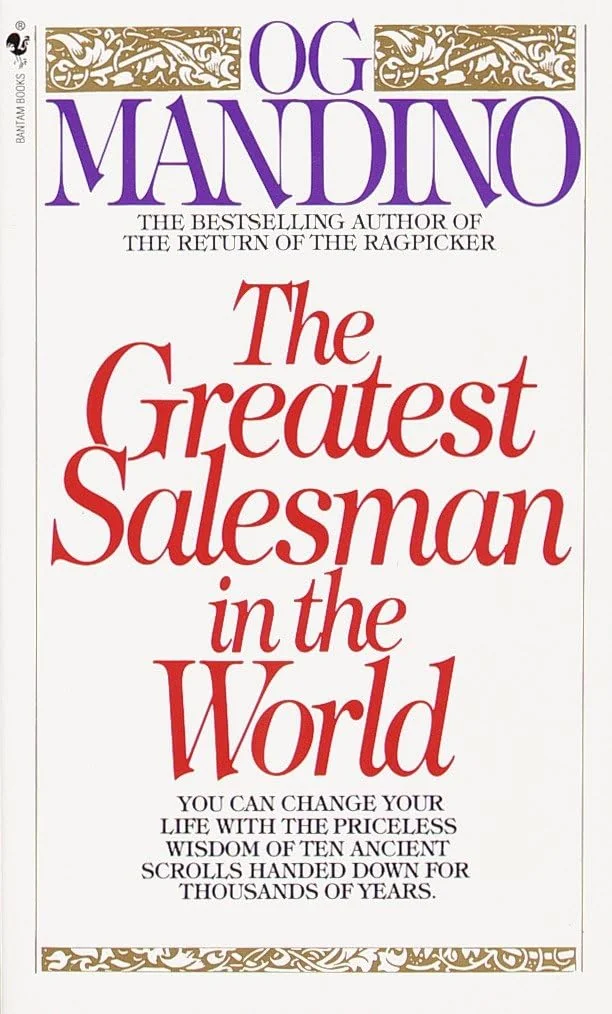 The Greatest Salesman in the World
Og Mandino
★★★★½ 4.5
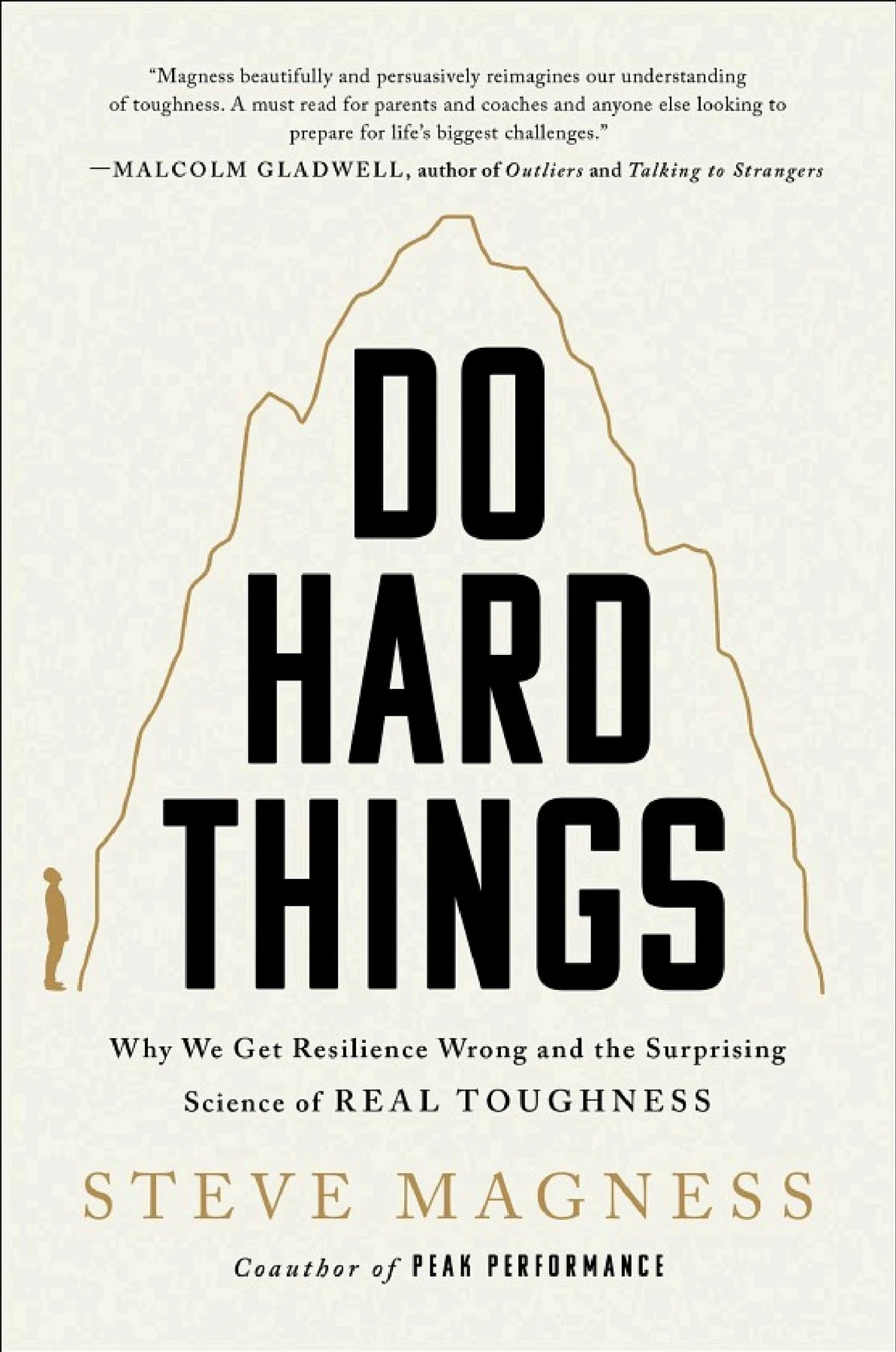 Do Hard Things
Steve Magness
★★★★⅗ 4.6
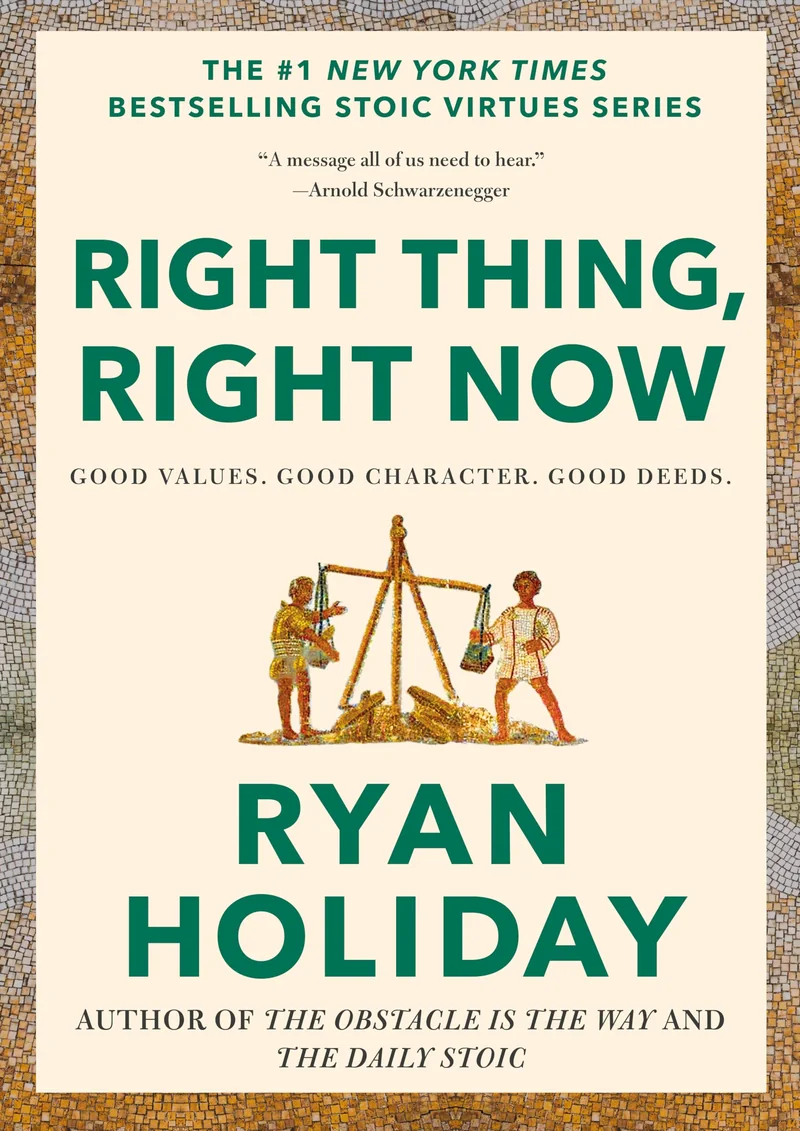 Right Thing, Right Now
Ryan Holiday
★★★★☆ 4.4
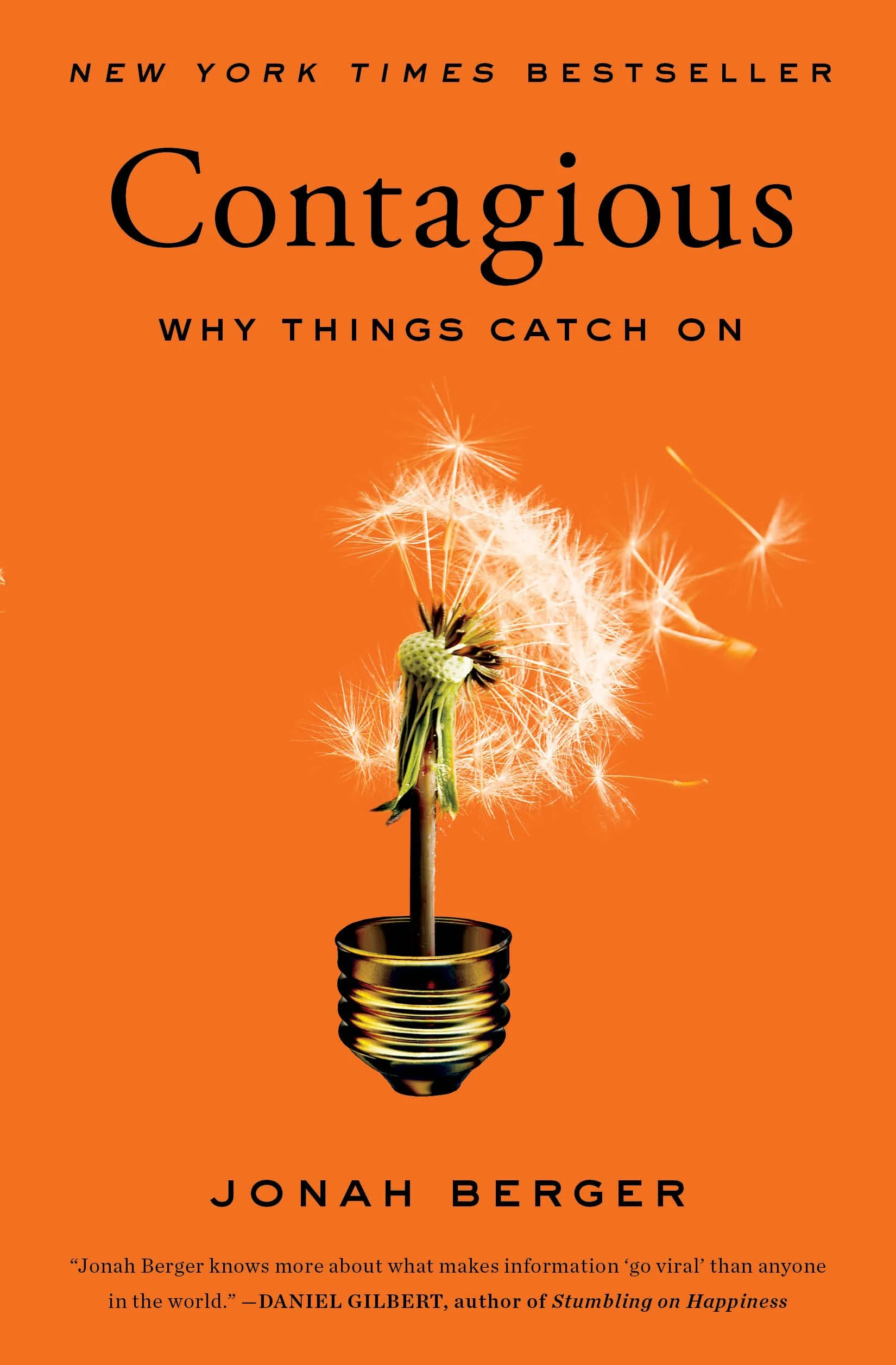 Contagious
Jonah Berger
★★★★½ 4.5
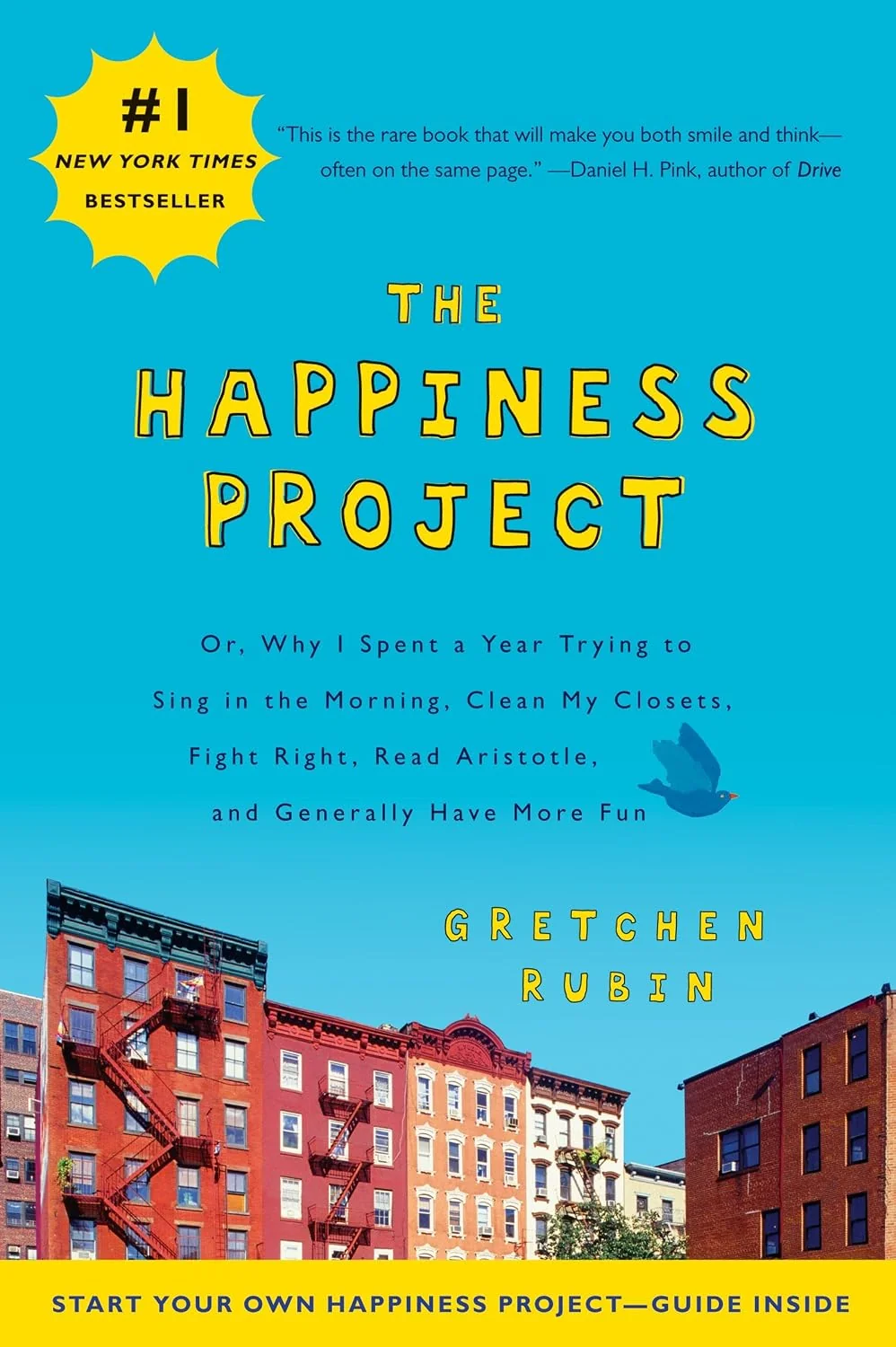 The Happiness Project
Gretchen Rubin
★★★★☆ 4.4
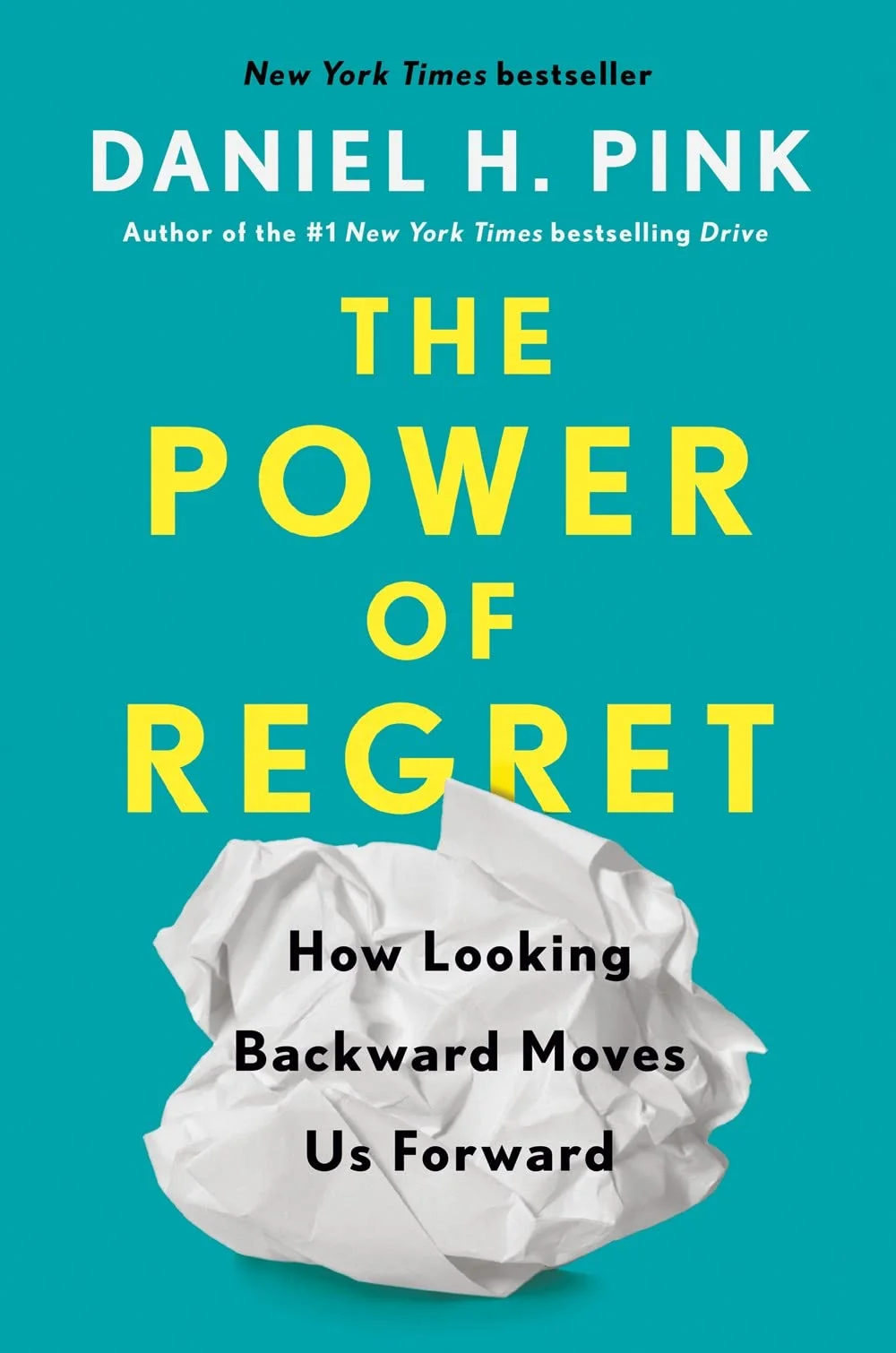 The Power of Regret
Daniel H. Pink
★★★★½ 4.5
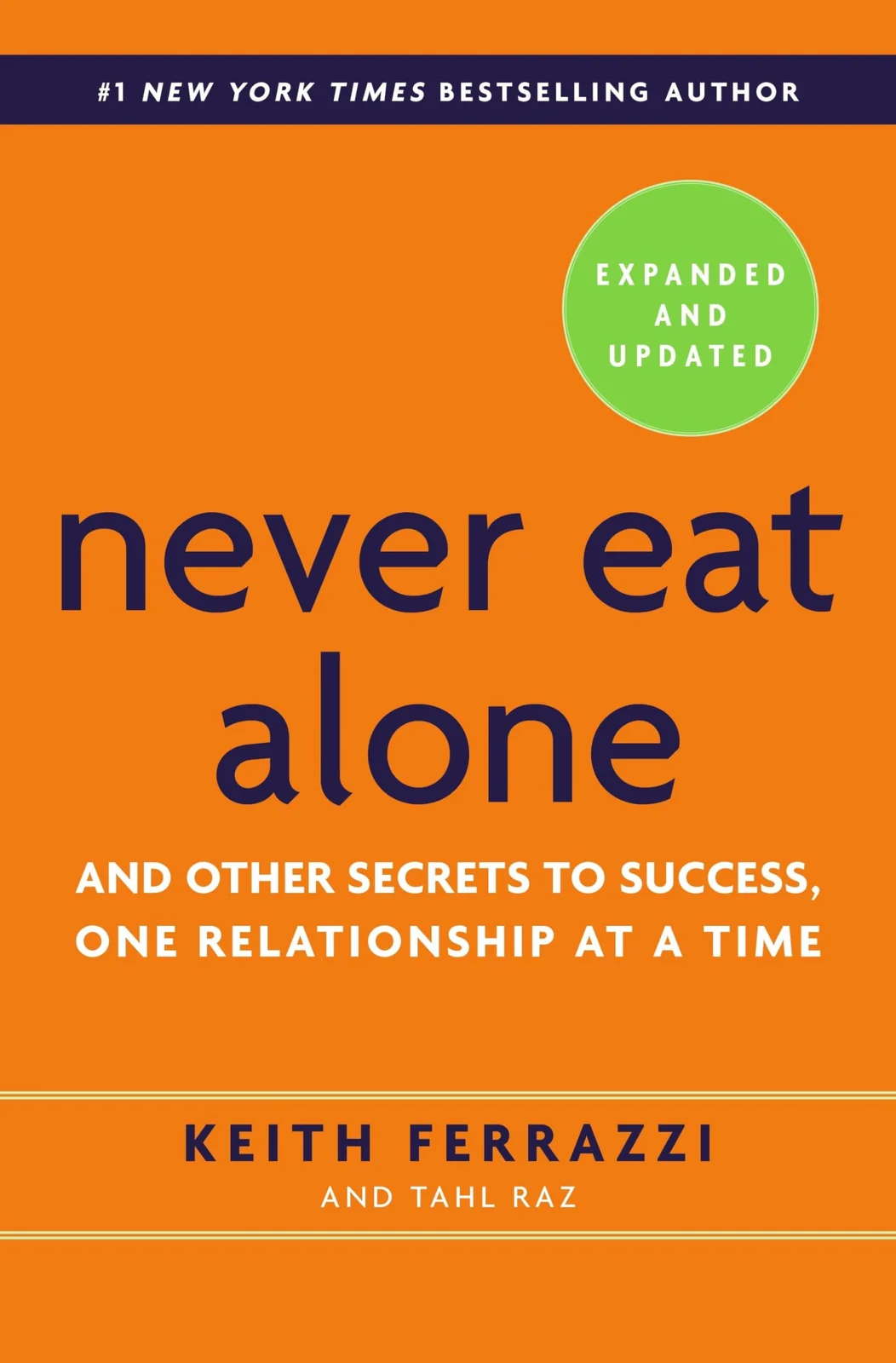 Never Eat Alone
Keith Ferrazzi
★★★★½ 4.5
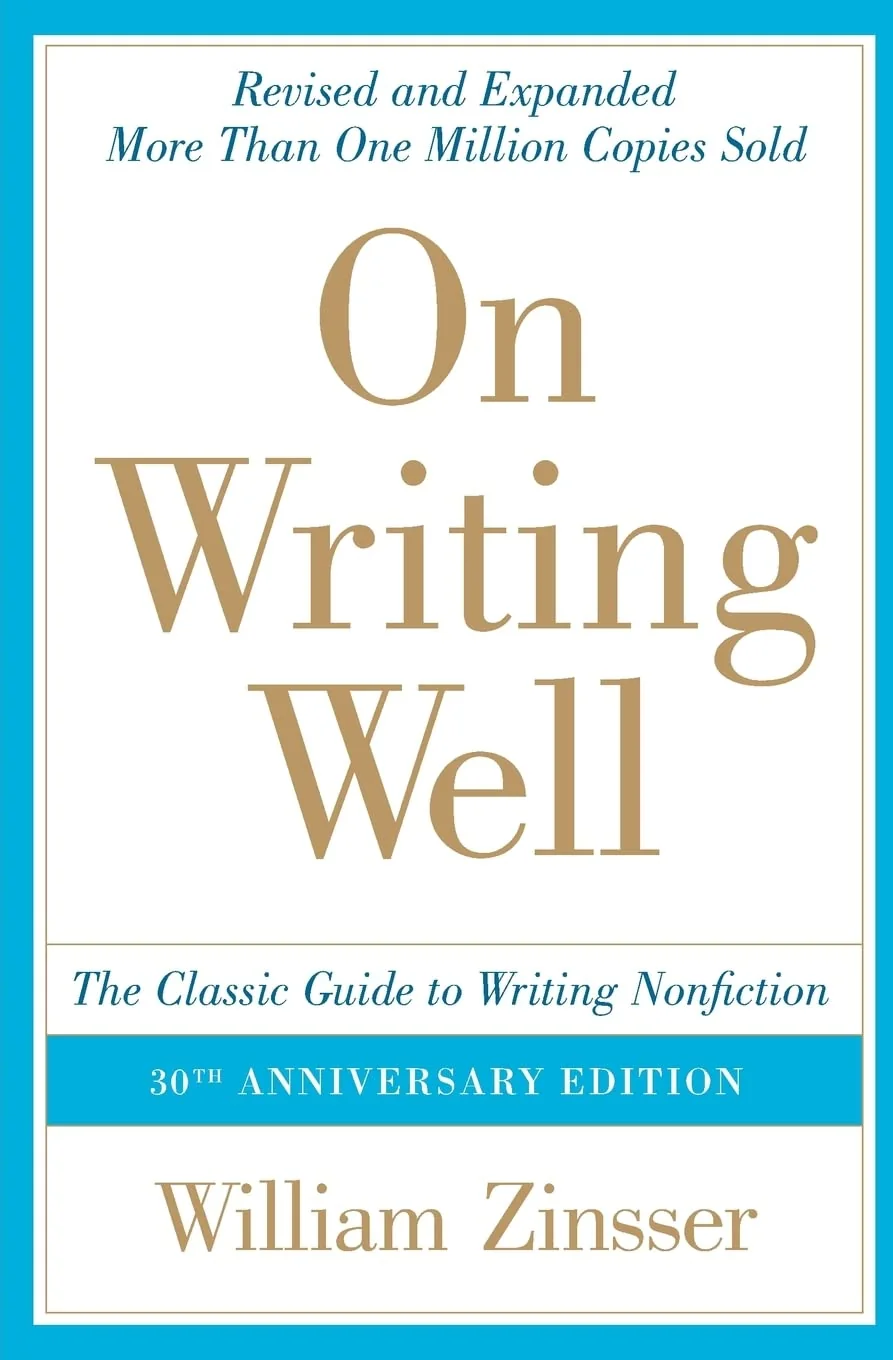 On Writing Well
William Zinsser
★★★★½ 4.6
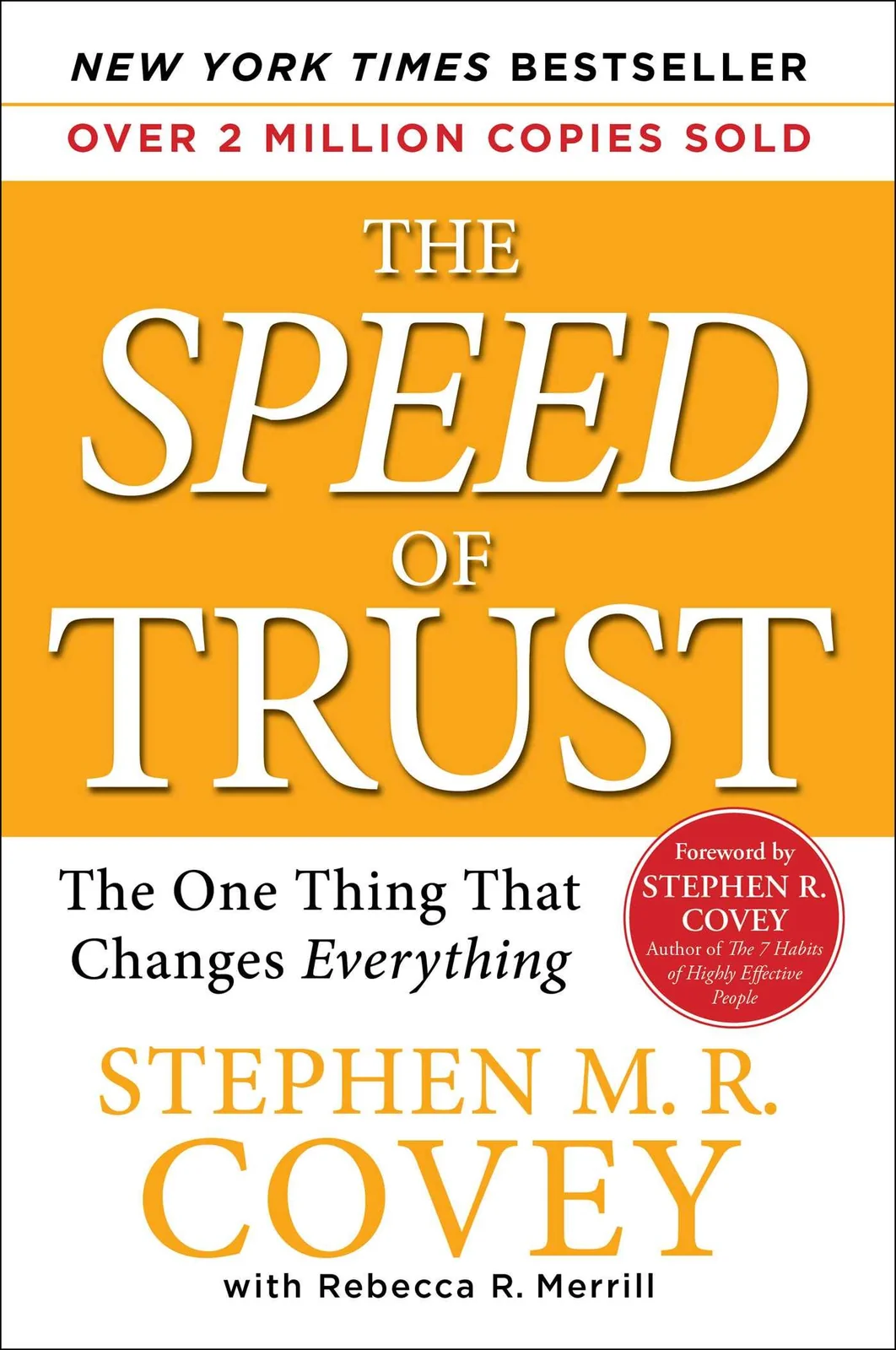 The Speed of Trust
Stephen M. R. Covey
★★★★½ 4.5
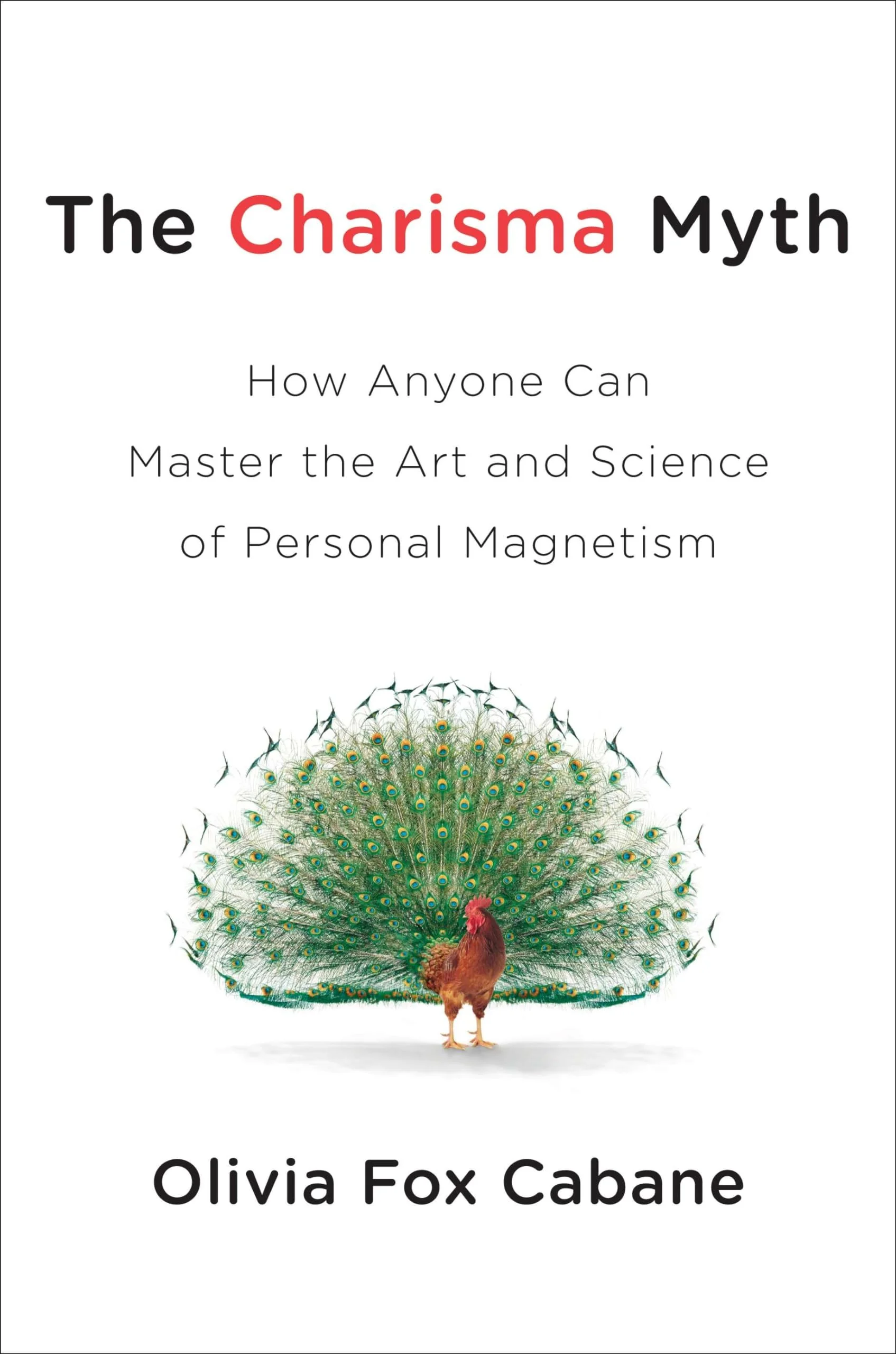 The Charisma Myth
Olivia Fox Cabane
★★★★½ 4.5
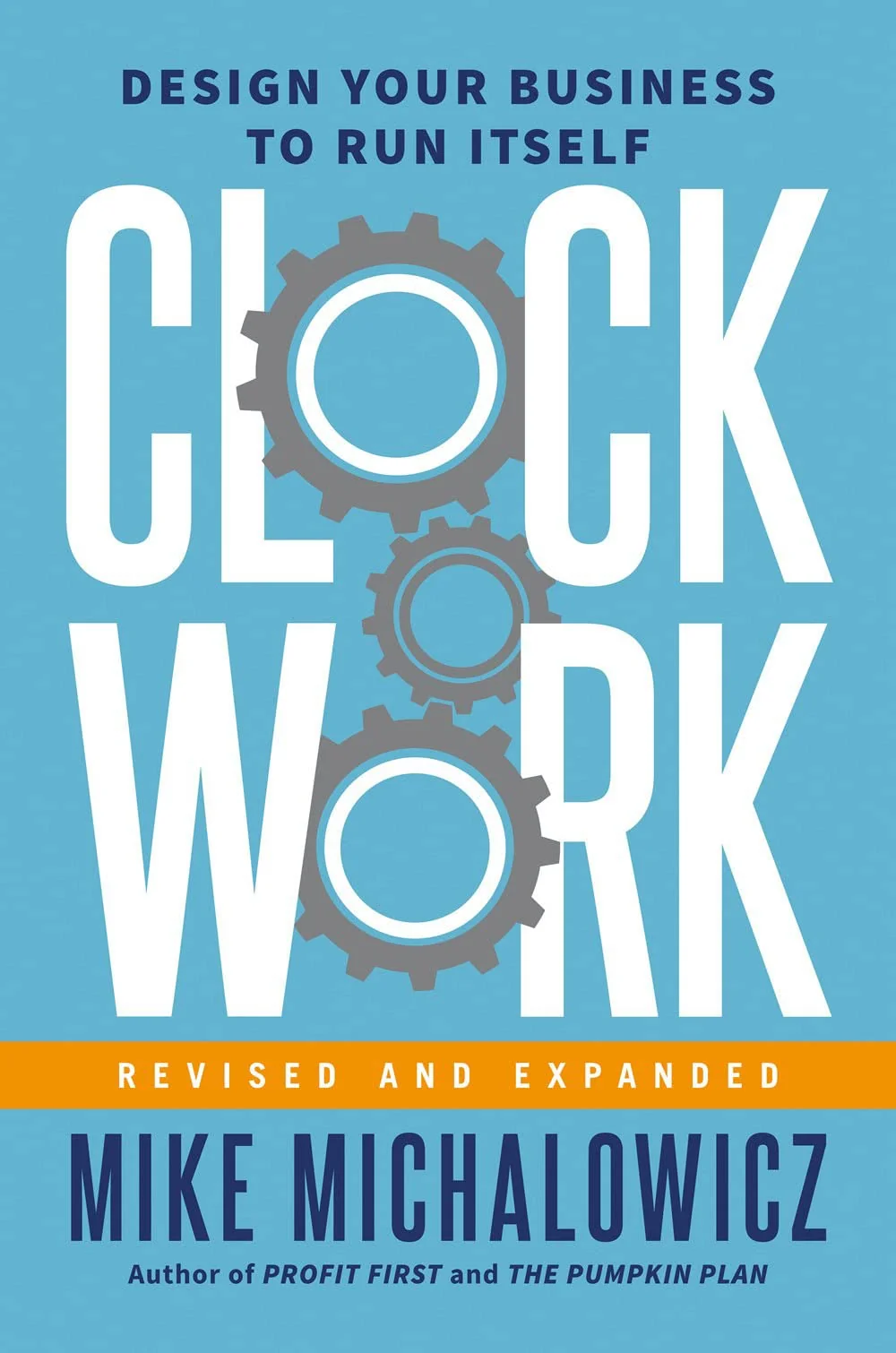 Clockwork
Mike Michalowicz
★★★★½ 4.5
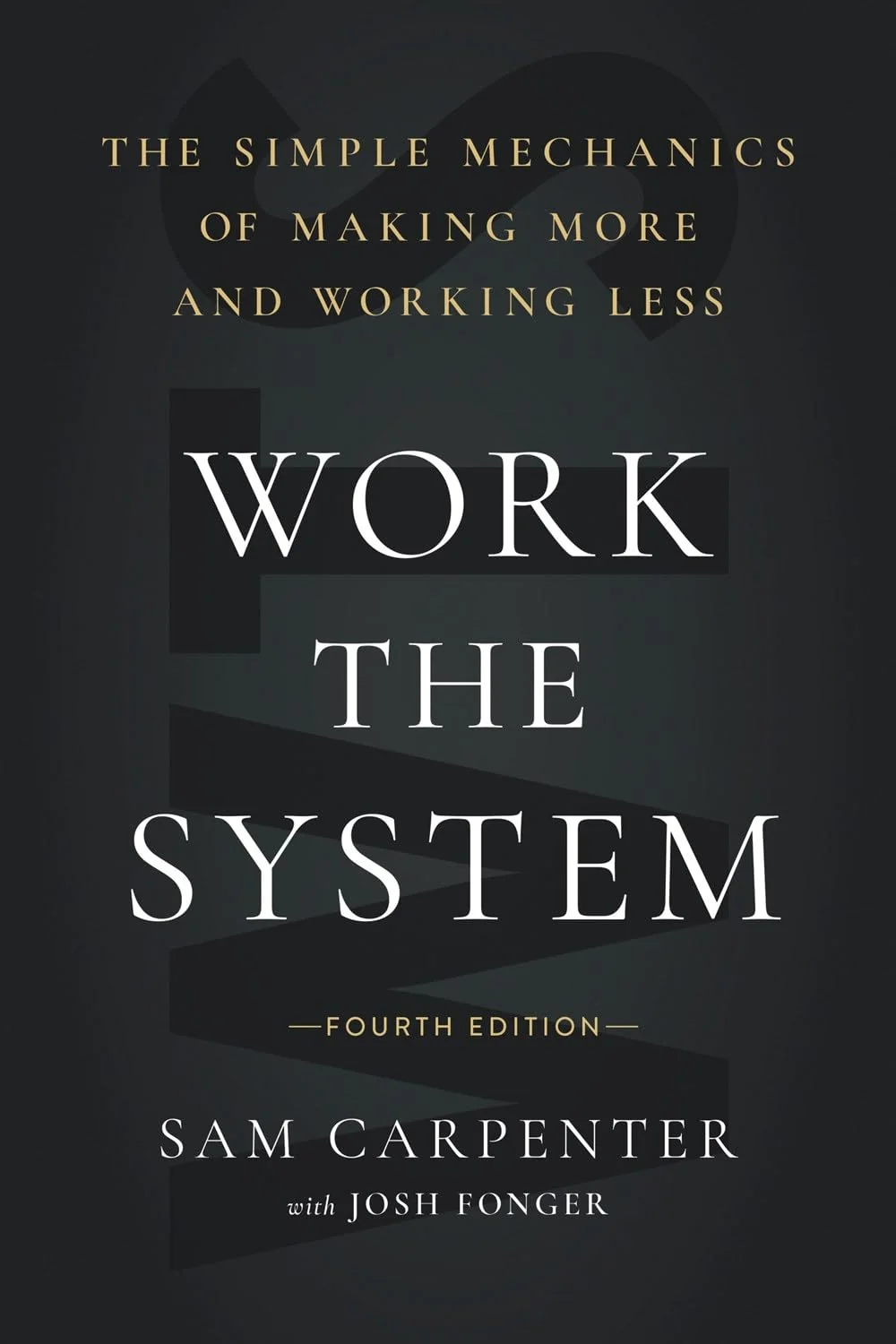 Work the System
Sam Carpenter
★★★★☆ 4.4
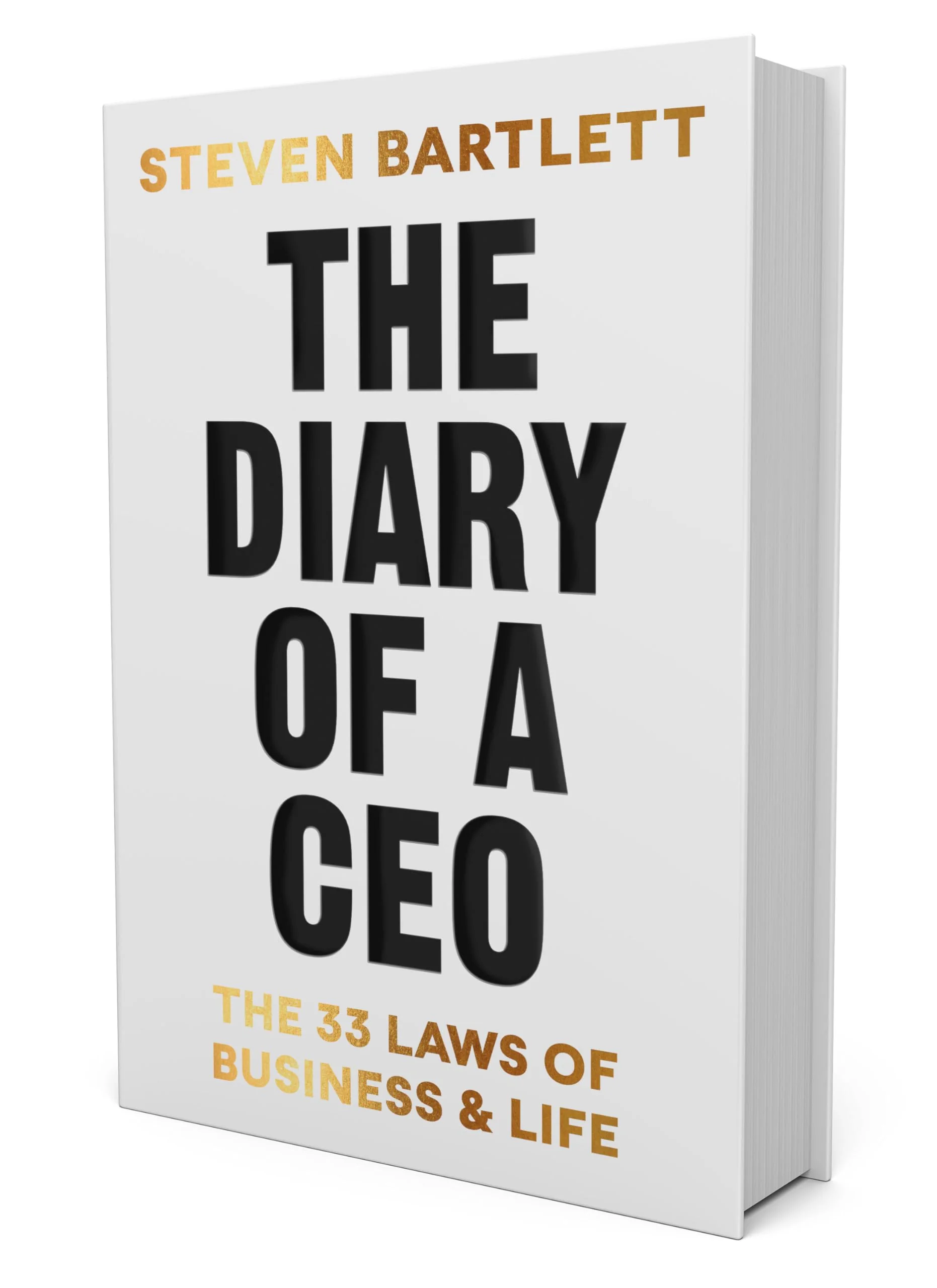 The Diary of a CEO
Steven Bartlett
★★★★½ 4.5
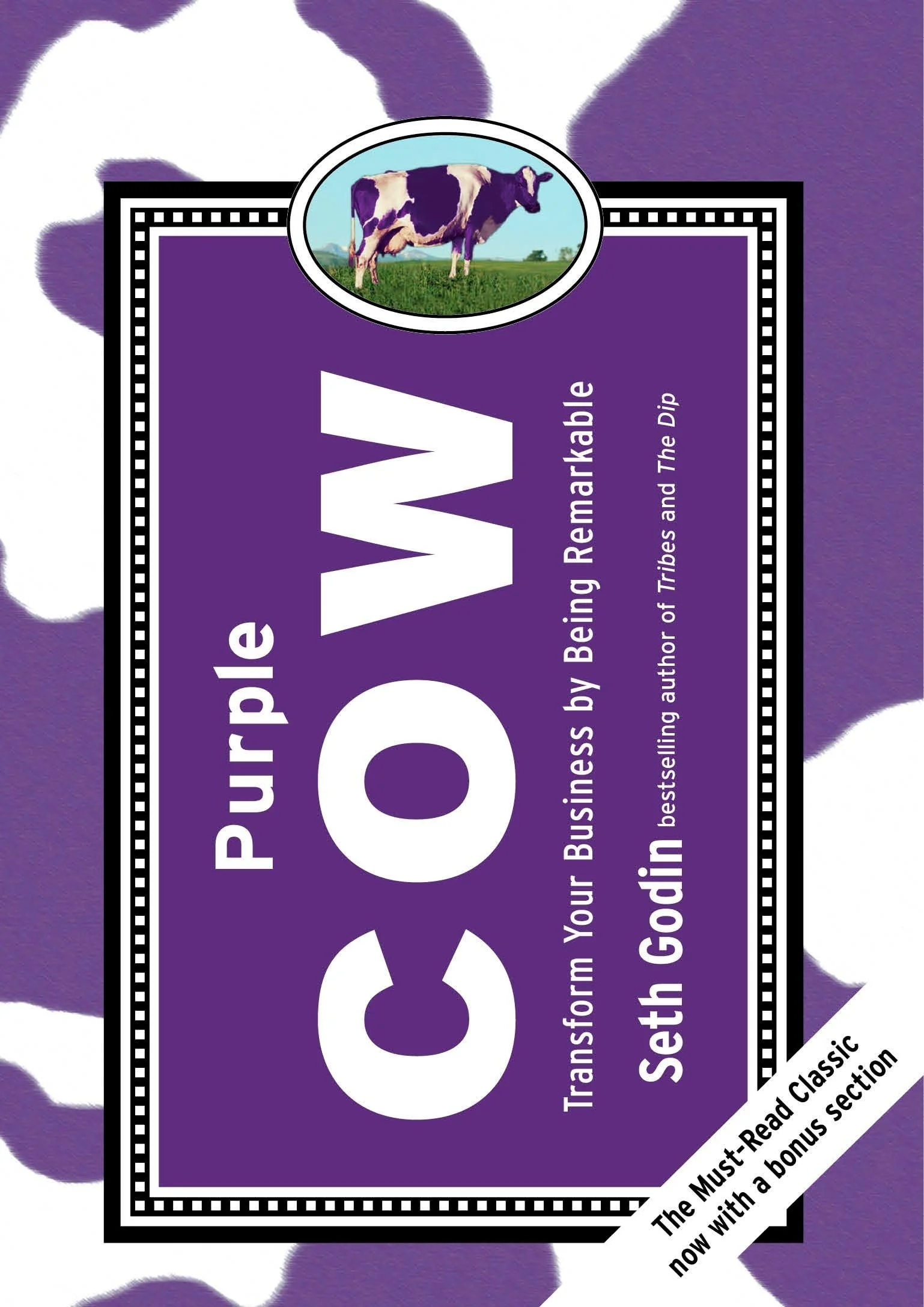 Purple Cow
Seth Godin
★★★★☆ 4.4
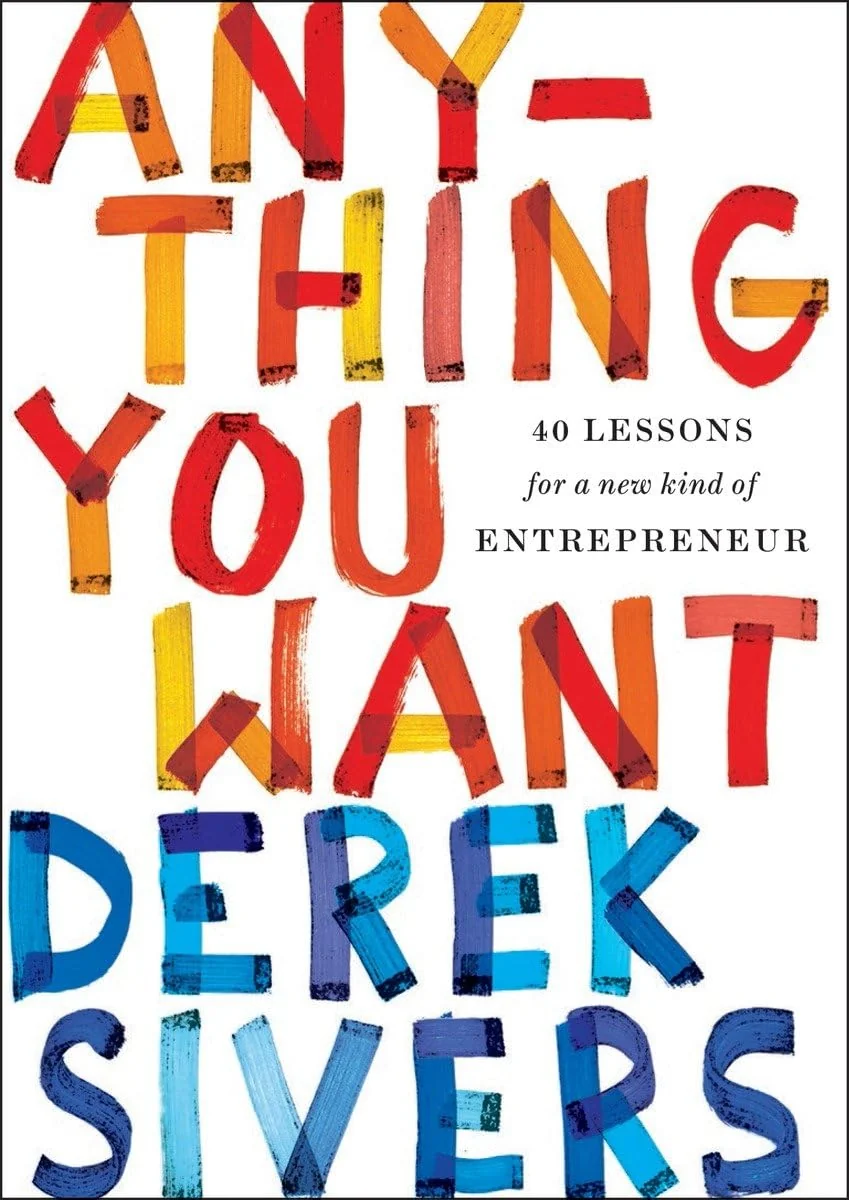 Anything You Want
Derek Sivers
★★★★½ 4.5
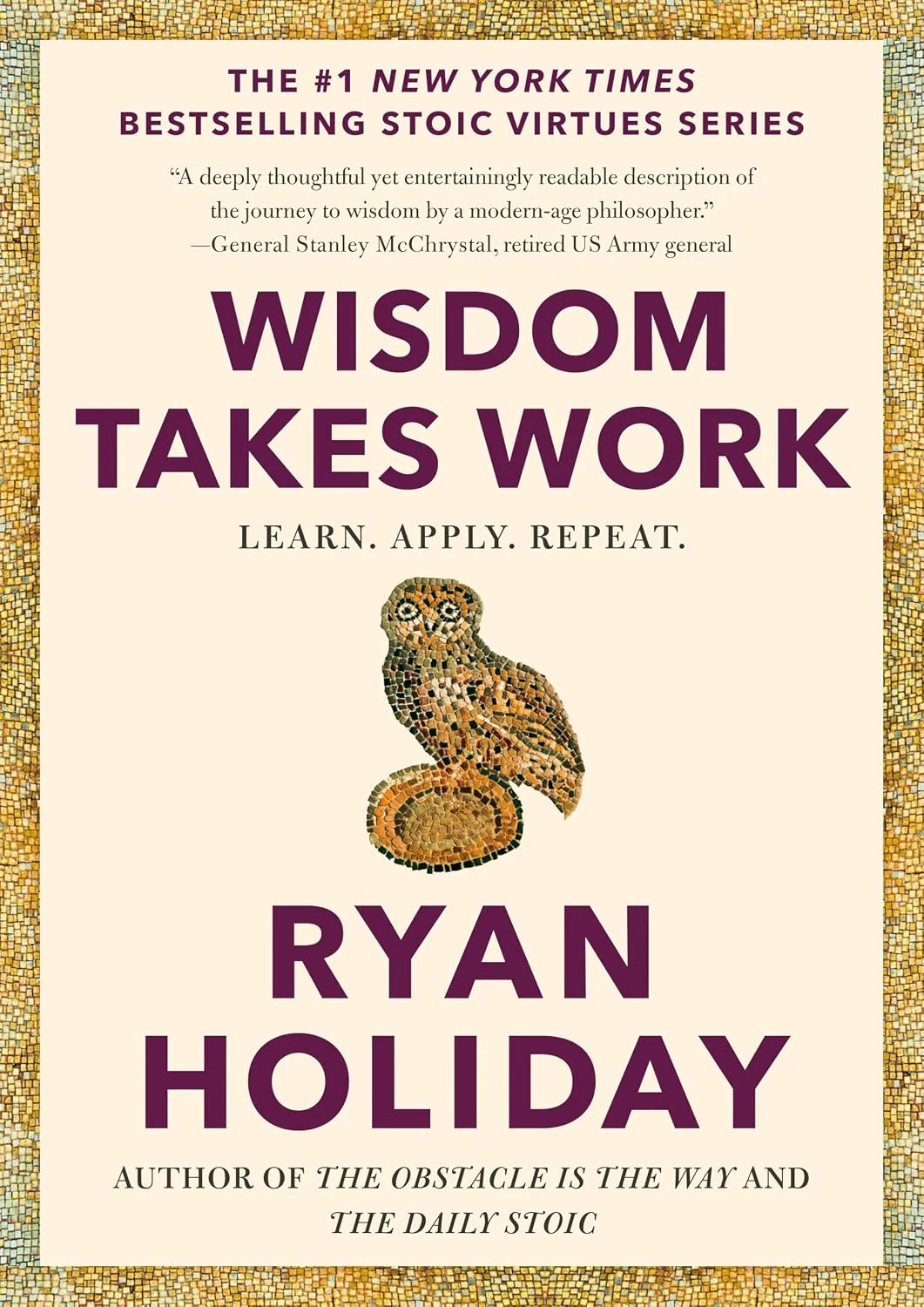 Wisdom Takes Work
Ryan Holiday
★★★★½ 4.6
 Mastery
George Leonard
★★★★½ 4.6
 Outer Order, Inner Calm
Gretchen Rubin
★★★★☆ 4.4
 Poke the Box
Seth Godin
★★★★☆ 4.3
 The Messy Middle
Scott Belsky
★★★★☆ 4.4
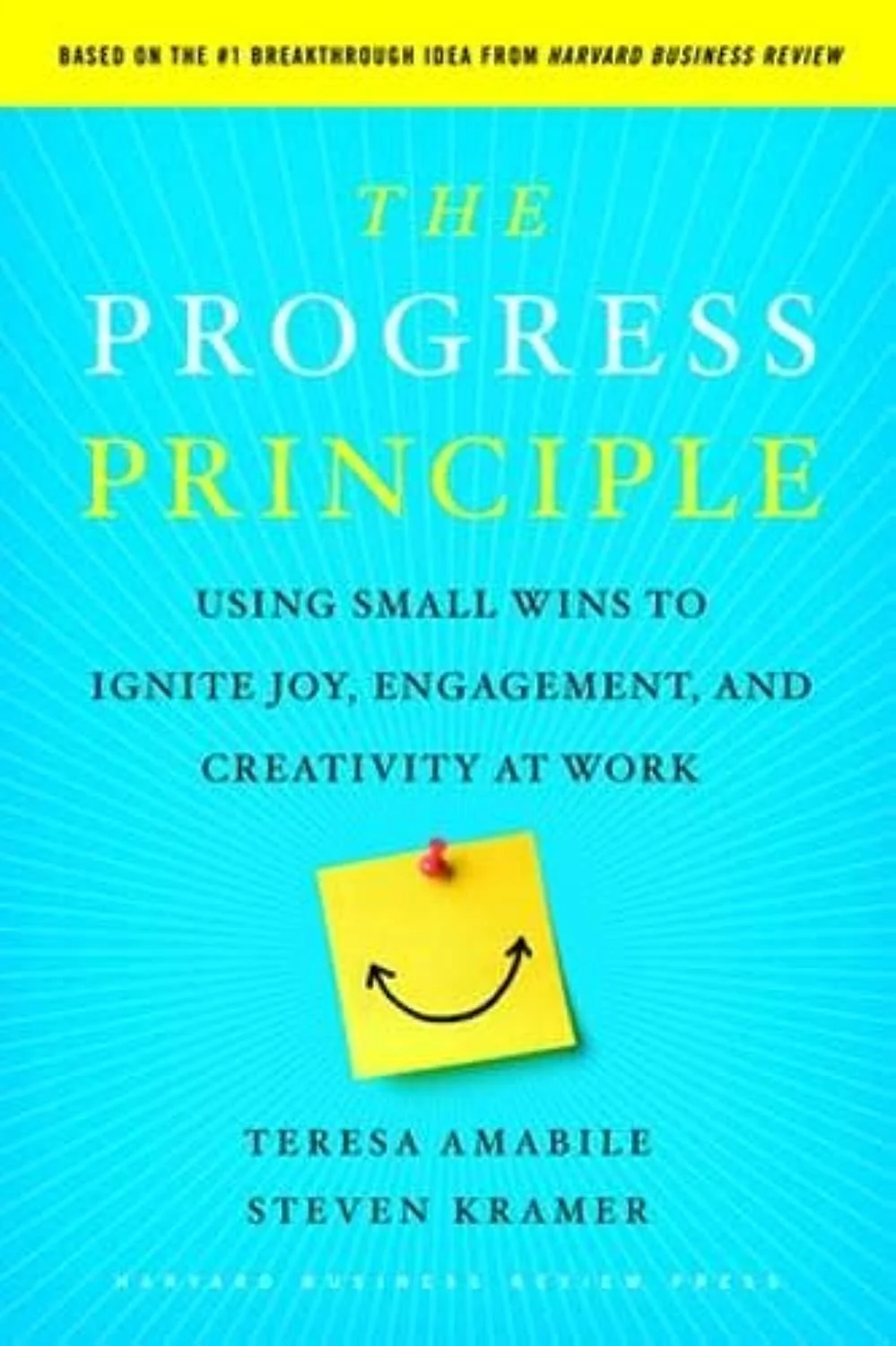 The Progress Principle
Teresa Amabile & Steven Kramer
★★★★☆ 4.4
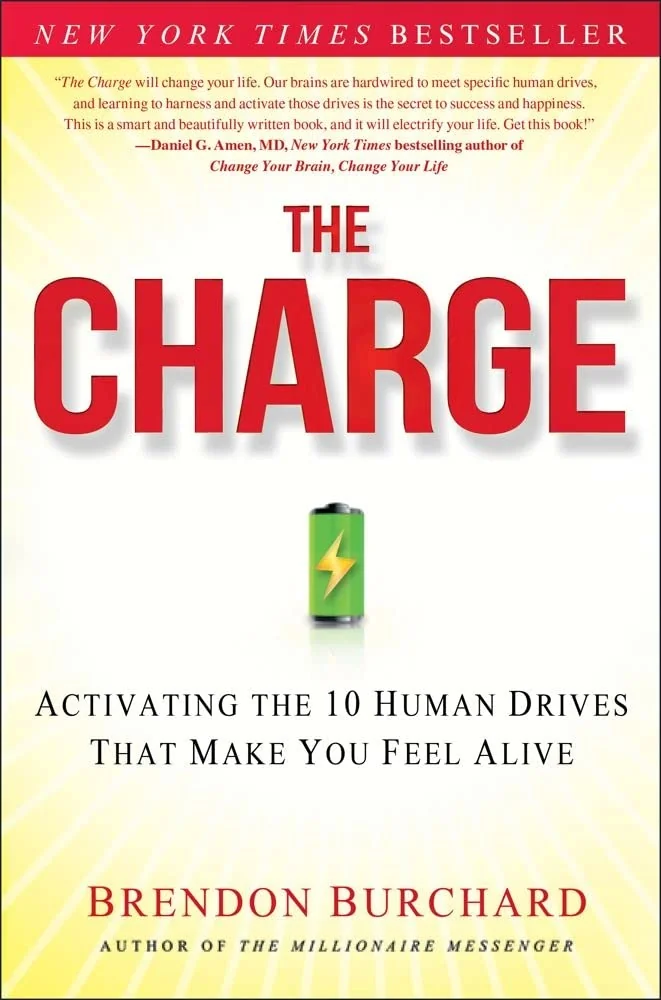 The Charge
Brendon Burchard
★★★★☆ 4.4
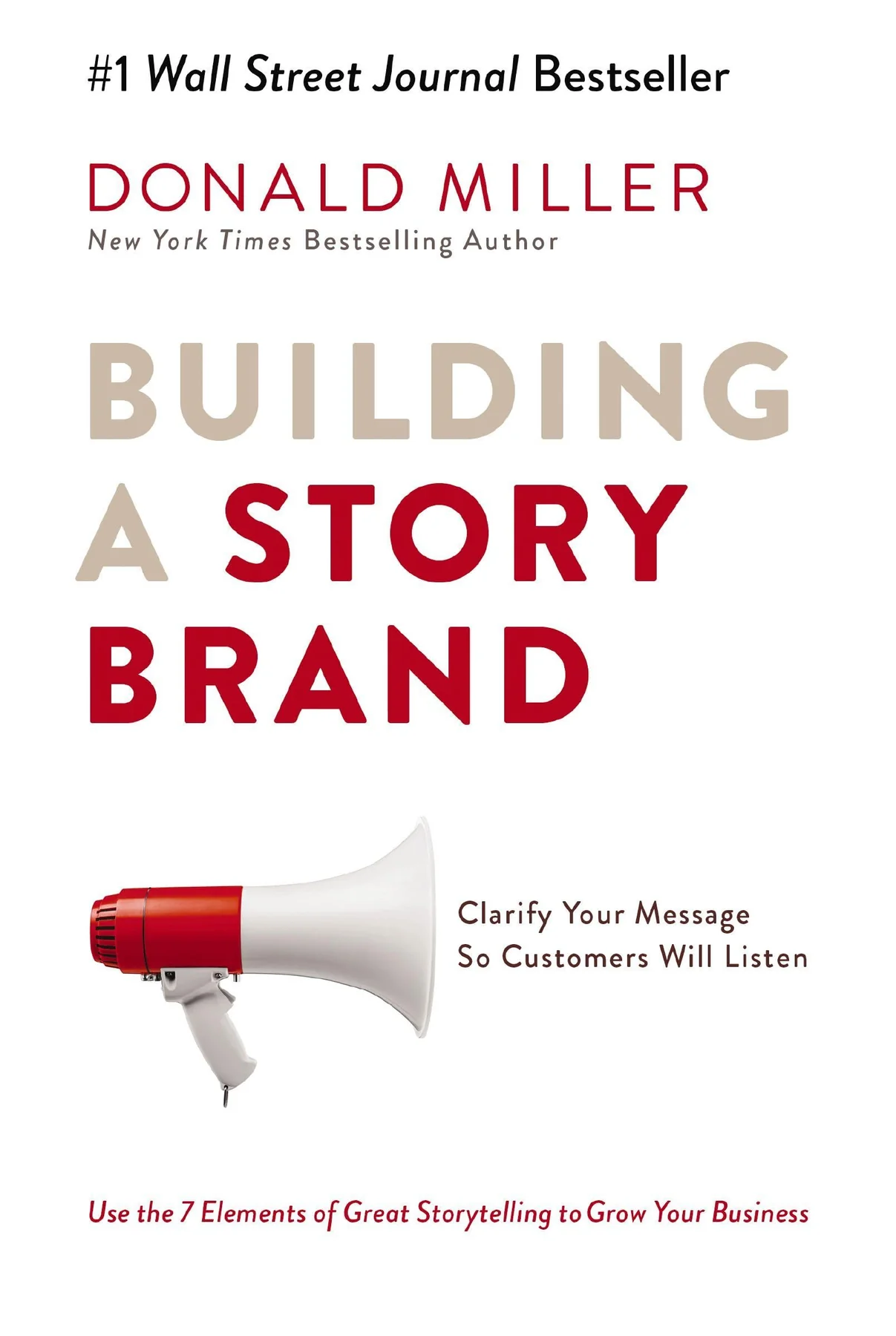 Building a StoryBrand
Donald Miller
★★★★☆ 4.5
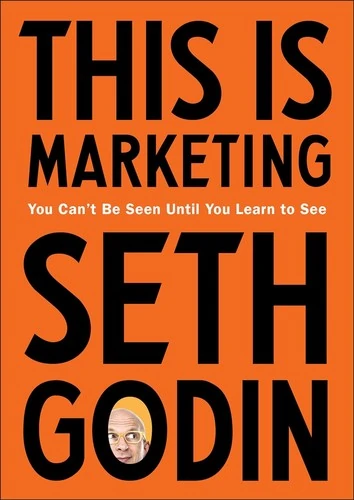 This Is Marketing
Seth Godin
★★★★☆ 4.5
 Inspired
Marty Cagan
★★★★☆ 4.6
 Empowered
Marty Cagan
★★★★½ 4.5
 Continuous Discovery Habits
Teresa Torres
★★★★½ 4.6
 Shape Up
Ryan Singer
★★★★½ 4.5
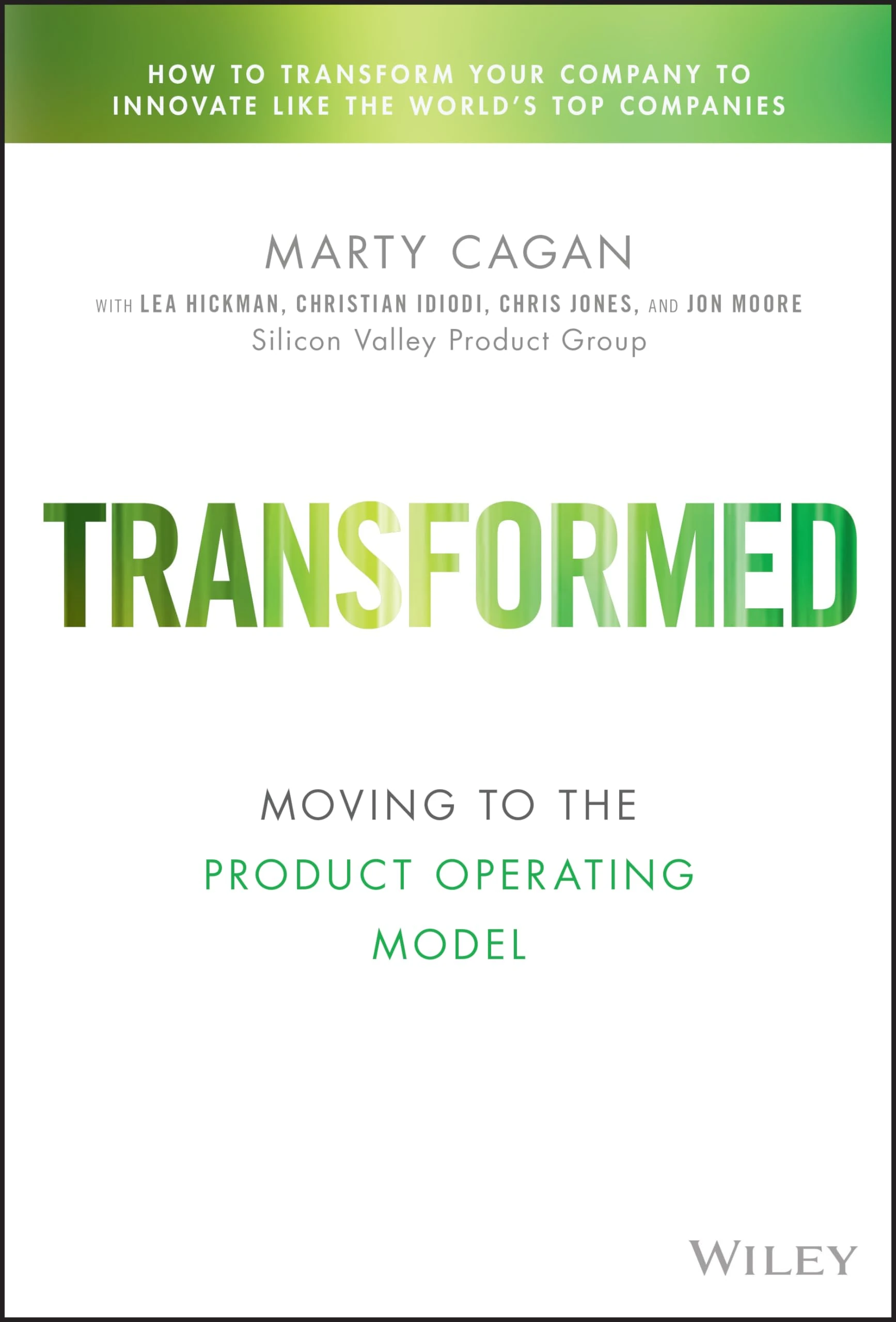 Transformed
Marty Cagan
★★★★½ 4.6
 Getting Real
Jason Fried
★★★★½ 4.5
Browse All Productivity Summaries →
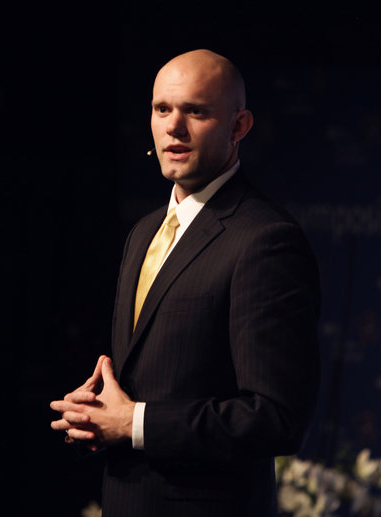
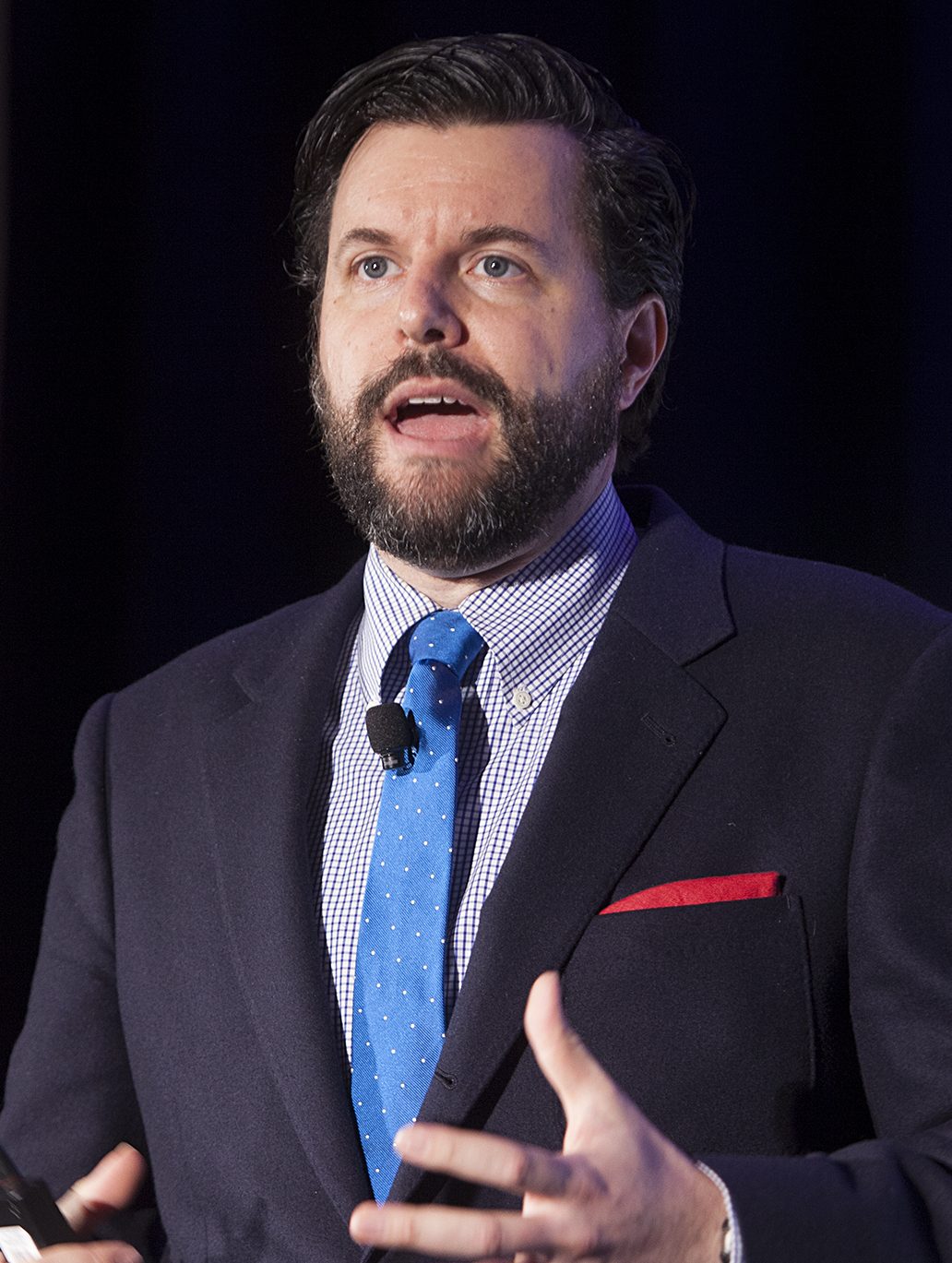
The Authors Behind These Books
The researchers, writers, and thinkers who shaped modern productivity.


Best Books by Category
Ready to go deeper on one area? Each category page ranks the best books on that topic — all with free summaries.
How We Rank: The 5-Point Rubric
Every book on The Growth Reads is evaluated against five weighted criteria. This isn’t a popularity contest — it’s a rubric designed to surface the books that actually change how people work.
Lasting Impact
Does this book change behavior months and years after reading, or just during a motivated weekend?
Evidence Quality
Is the advice grounded in research, case studies, and verifiable data — or just anecdotes and assertions?
Practical Application
Can you start applying the ideas today, or does it take a complete life overhaul?
Writing & Originality
Is it well-written, engaging, and does it bring something new to the conversation?
External Consensus
How do other experts, reviewers, and the broader reading community rate this book?
We re-evaluate rankings annually as new books publish and older ones prove their staying power. Every book listed here has a free in-depth summary on our site, so you can preview the ideas before committing to the full read. Read the full methodology →
Free workbook
Most of these books agree on how habits form; the hard part is doing it. The Art of Habits is our free 27-page workbook — six chapters, thirteen exercises — built from the habit books on this list. PDF and Notion.
Free. One confirmation click in your inbox, then the download. Unsubscribe any time.
Frequently Asked Questions
What is the #1 best productivity book of all time?
Based on our five-criteria rubric — lasting impact, evidence quality, practical application, writing originality, and expert consensus — Atomic Habits by James Clear is the #1 best productivity book of all time. It combines behavioral science with an immediately actionable framework for building good habits and breaking bad ones. The identity-based approach to habit change (focus on who you want to become, not what you want to achieve) makes it uniquely powerful for sustained behavior change. Read our full Atomic Habits summary →
What books do CEOs read for productivity?
CEOs tend to favor productivity books that emphasize strategic thinking and leverage over tactical time management. The most commonly recommended titles among executives include The Effective Executive by Peter Drucker (the original knowledge-worker productivity manual), The 7 Habits of Highly Effective People by Stephen Covey (principle-centered leadership), Essentialism by Greg McKeown (ruthless prioritization), and The 4-Hour Workweek by Tim Ferriss (systems thinking and delegation). Many CEOs also cite Deep Work by Cal Newport for protecting focus time in meeting-heavy schedules.
Is Atomic Habits a productivity book?
Yes — Atomic Habits is widely considered both a habits book and a productivity book. While it does not focus on time management or task systems specifically, it addresses the foundational layer that makes all productivity possible: consistent behavior change. James Clear’s four laws (make it obvious, attractive, easy, and satisfying) apply directly to building productive routines, eliminating procrastination, and creating systems that work on autopilot. Most productivity experts consider it essential reading alongside more traditional productivity titles like Getting Things Done or Deep Work.
What is the best productivity book for students?
For students, we recommend starting with Atomic Habits for building study routines, followed by Deep Work for mastering focused study sessions. Make Time by Jake Knapp is excellent for students because its flexible daily framework does not require a complete lifestyle overhaul — you just pick one highlight each day and protect time for it. For exam preparation specifically, Eat That Frog! teaches the discipline of tackling your hardest subject first. And Hyperfocus by Chris Bailey is ideal for students battling phone addiction and scattered attention.
How many productivity books should I read?
Quality beats quantity. We recommend reading 3–5 productivity books deeply rather than skimming dozens. Start with one foundational book (Atomic Habits or The 7 Habits), one systems book (Getting Things Done or The ONE Thing), and one philosophical book (Four Thousand Weeks or Essentialism). The key is not reading more — it is implementing what you read. Give each book 30 days of practice before moving to the next. Our reading paths above are designed for exactly this approach: a curated sequence you can work through at a sustainable pace.
What productivity book should I start with?
Atomic Habits by James Clear is the best first productivity book for most people. It is accessible, evidence-based, and immediately practical — you can start applying the four laws of behavior change the same day you read them. It also builds the habit-formation foundation that makes every other productivity system work better. If you are more interested in time management specifically, start with Make Time by Jake Knapp for its gentle, no-pressure approach, or Eat That Frog! by Brian Tracy if you want short and actionable.
Are productivity books worth reading?
Yes, but with a caveat: the value is in the application, not the reading. The best productivity books distill decades of research and hard-won experience into frameworks you can apply immediately. A single concept like “eat the frog first” or “the two-minute rule” can save you hundreds of hours over a career. The trap is reading productivity books as a form of productive procrastination — feeling productive without actually changing behavior. Our advice: read one book, apply it for 30 days, then decide if you need another.
What is better: Atomic Habits or Deep Work?
They are complementary, not competing. Atomic Habits teaches you how to build consistent routines and break bad patterns — it is about the mechanics of behavior change. Deep Work teaches you how to protect and optimize your most cognitively demanding work hours — it is about the architecture of your day. Read Atomic Habits first if your main struggle is consistency and follow-through. Read Deep Work first if you are already disciplined but cannot find uninterrupted focus time. Ideally, read both — they form a powerful productivity stack.
What productivity books does Bill Gates recommend?
Bill Gates has publicly recommended several books that overlap with productivity themes, including The Effective Executive by Peter Drucker (which he has called one of the best business books), and he has praised thinking systems in Range by David Epstein. Gates’s annual reading lists on GatesNotes frequently feature books about systems thinking, decision-making, and cognitive performance. He is also an advocate for the kind of deep reading practice that Cal Newport champions in Deep Work.
What is the best short productivity book?
Eat That Frog! by Brian Tracy is the best short productivity book at under 130 pages — it delivers 21 actionable techniques without any filler. Rework by Jason Fried is another excellent short read (roughly 280 pages, but each chapter is just 2–3 pages of sharp, contrarian advice). For a quick but philosophically deep read, The War of Art by Steven Pressfield is under 200 pages and will permanently change how you think about creative resistance and procrastination. Read our Eat That Frog! summary →
How we analyze books: Every book on The Growth Reads is read cover to cover, summarized in 3,000–4,000 words of original analysis, and rated against our five-criteria rubric (lasting impact, evidence quality, practical application, writing & originality, external consensus). Rankings are reviewed annually. We never use AI-generated summaries — every word is human-curated.
Read the full methodology →
All Productivity Book Summaries on The Growth Reads
151 in-depth summaries & reviews
168 Hours Summary & Review: You Have More Time Than You Think
A Mind for Numbers Summary & Review: How to Learn Anything Hard
As a Man Thinketh Summary & Review: Your Thoughts Shape the Week
Atomic Habits Summary & Review: Every Key Idea From the Book, Explained
Bird by Bird Summary & Review: Start the One Bird in Front of You
Building a Second Brain Summary & Review: Organize Your Digital Life
Built to Sell Summary & Review: Stop Being the Product
The Artist’s Way
Julia Cameron
★★★★½4.5/5
Cameron’s 12-week program restores creative confidence through two daily practices — Morning Pages and Artist Dates — that have helped millions of blocked creatives reclaim their artistic voice.
Where most productivity books focus on systems and time management, The Artist’s Way targets something more fundamental: the creative self that was damaged by criticism and self-doubt. Its 12-week structure works whether you’re a professional artist, a manager who wants to think more creatively, or anyone who quietly abandoned a creative dream. The practices are simple; the results, for those who show up consistently, are profound. Read the full summary
Buy Back Your Time Summary & Review: How to Delegate Your Way to Freedom
Contagious Summary & Review: Make Ideas Worth Talking About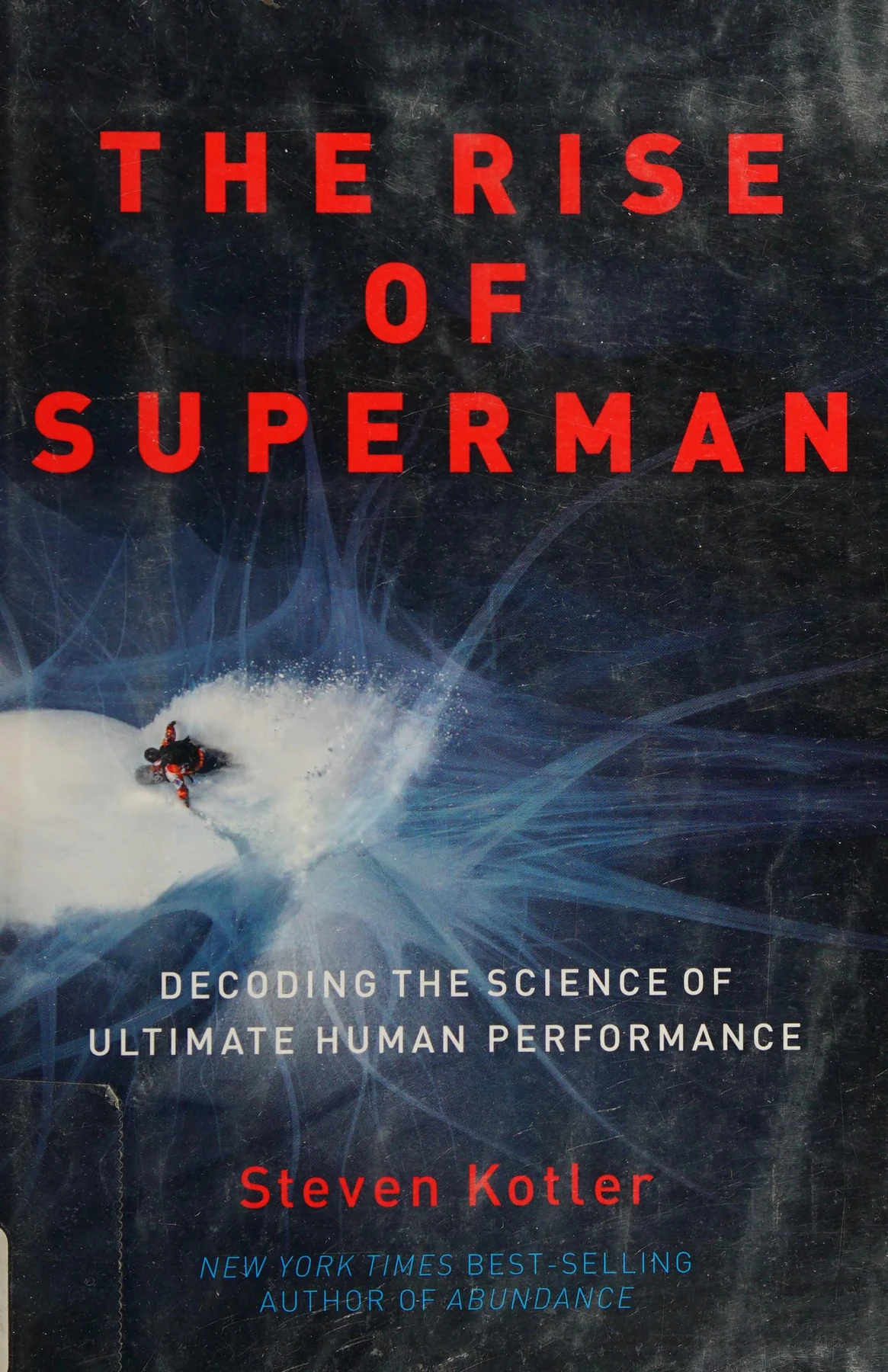 The Rise of Superman
Steven Kotler
★★★★⅗ 4.6
Deep Work Summary & Review: Rules for Focused Success in a Distracted World
Digital Minimalism Summary & Review: How to Reclaim Your Attention
Do Nothing Summary & Review: How to Break Away From Overworking
Eat That Frog! Summary & Review: How to Stop Procrastinating and Do Your Most Important Work First
Effortless Summary & Review: Make What Matters Most Easier
Essentialism Summary & Review: The Disciplined Pursuit of Less
Everybody Writes Summary & Review: Write for One Reader, Then Publish
Fanatical Prospecting Summary & Review: Prospect Today, Eat in 30 Days
Feel-Good Productivity Summary & Review: Do More by Feeling Better
First Things First Summary & Review: Live by the Compass, Not the Clock
Four Thousand Weeks Summary & Review: Time Management for Mortals
Free to Focus Summary & Review: Achieve More by Doing Less
Getting Things Done Summary & Review: The Art of Stress-Free Productivity
Goals! Summary & Review: Write the Goal, Then Move It Daily
Great at Work Summary & Review: The Hidden Habits of Top Performers
Habit Stacking Summary & Review: Attach Tiny Actions to a Cue
High Performance Habits Summary & Review: The Six Habits That Separate Extraordinary From Average
How to Change Summary & Review: Match the Barrier, Then Move
Win the Day Summary & Review: Don’t Win the Decade
How to Read a Book Summary & Review: Get More From Every Hard Book
How to Win at College Summary & Review: Treat School Like a Job
Maximum Achievement Summary & Review: Raise Your Inner Ceiling
Hyperfocus Summary & Review: Master Both Focus and Creative Mind-Wandering
Indistractable Summary & Review: How to Control Your Attention
Joy at Work Summary & Review: The KonMari Method for Your Professional Life
Learning How to Learn Summary & Review: Switch Modes, Then Recall
The Energy Bus Summary & Review: Take the Wheel This Week
Limitless Summary & Review: Unlock Your Brain’s Full Potential
Lives of the Stoics Summary & Review: Copy a Life, Not a Quote
Made to Stick Summary & Review: How to Make Ideas Unforgettable
Make Time Summary & Review: Design Your Day Around What Matters
Make Your Bed Summary & Review: 10 Lessons That Can Change Your Life
Mastery Summary & Review: The Path to Extraordinary Skill
Moonwalking with Einstein Summary & Review: Train a Memory You Can Use
Living with a SEAL Summary & Review: Stop Negotiating the Extra Mile
On Writing Well Summary & Review: Cut the Clutter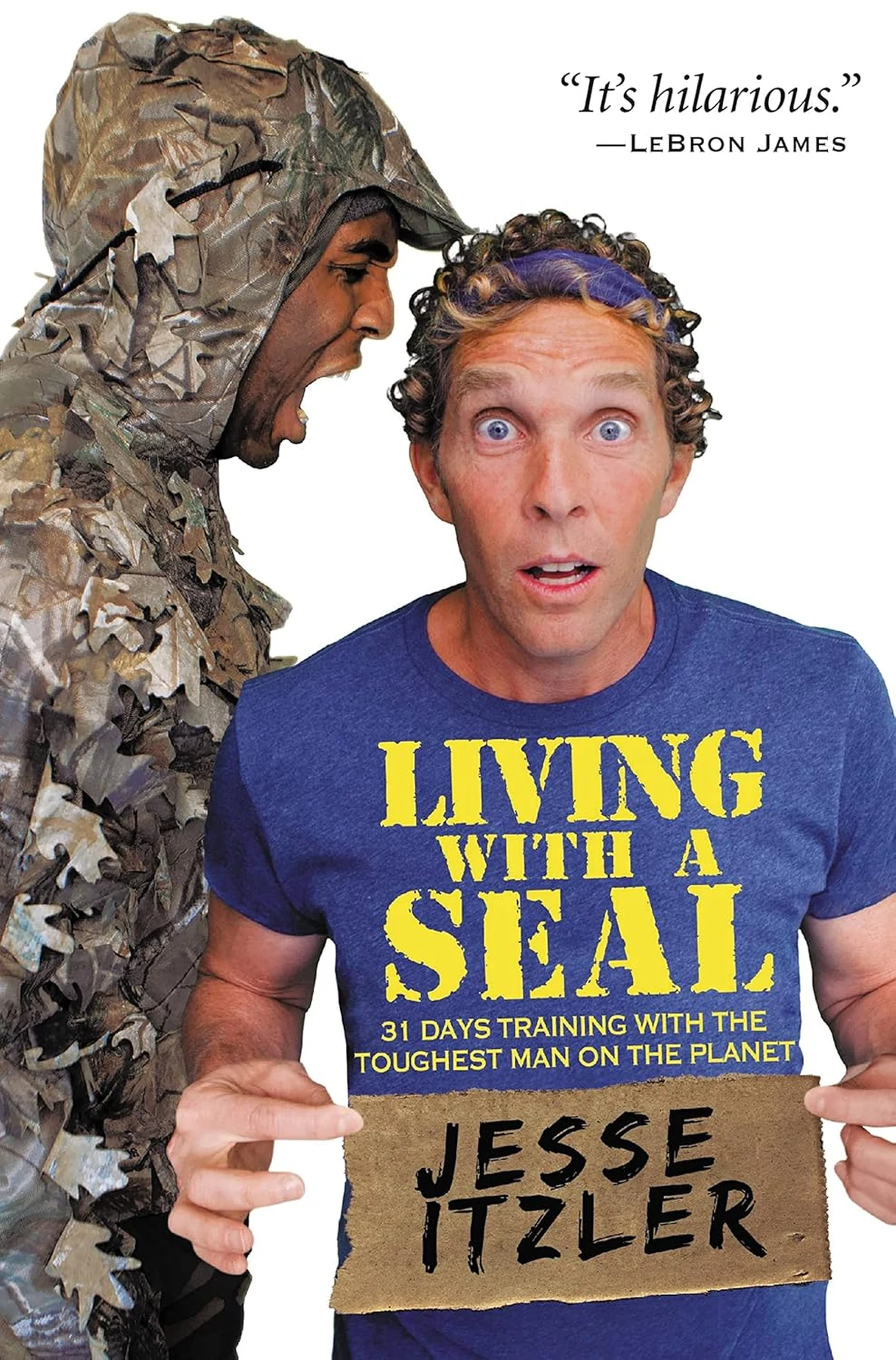 Living with a SEAL
Jesse Itzler
★★★★☆ 4.4
Outwitting the Devil Summary & Review: Stop Drifting
Peak Summary & Review: The Science of Building Genuine Expertise
Range Summary & Review: Why Generalists Triumph in a Specialized World
Relentless Summary & Review: Stop Negotiating With Pressure
Rest Summary & Review: Why Working Less Gets You More
Rework Summary & Review: Build Less, Ship More, Stay Profitable
Sell or Be Sold Summary & Review: Get Sold First, Then Close
Side Hustle Summary & Review: From Idea to First Dollar
Slow Productivity Summary & Review: The Case for Doing Fewer Things Better
Smarter Faster Better Summary & Review: The 8 Drivers of Real Productivity
So Good They Can’t Ignore You Summary & Review: Why Skills Beat Passion
Sprint Summary & Review: Solve Big Problems and Test Ideas in Five Days
Stolen Focus Summary & Review: Why Your Attention Is Under Siege
The $100 Startup Summary & Review: Start With a Skill You Have
Talk Like TED Summary & Review: Make Ideas Travel in 18 Minutes
TED Talks Summary & Review: Give the Talk Only You Can Give
Perennial Seller Summary & Review: Plant a Classic
Pitch Anything Summary & Review: Own the Frame, Don’t Chase
Presentation Zen Summary & Review: Make Slides a Glance
The Challenger Sale Summary & Review: Teach, Then Take Control
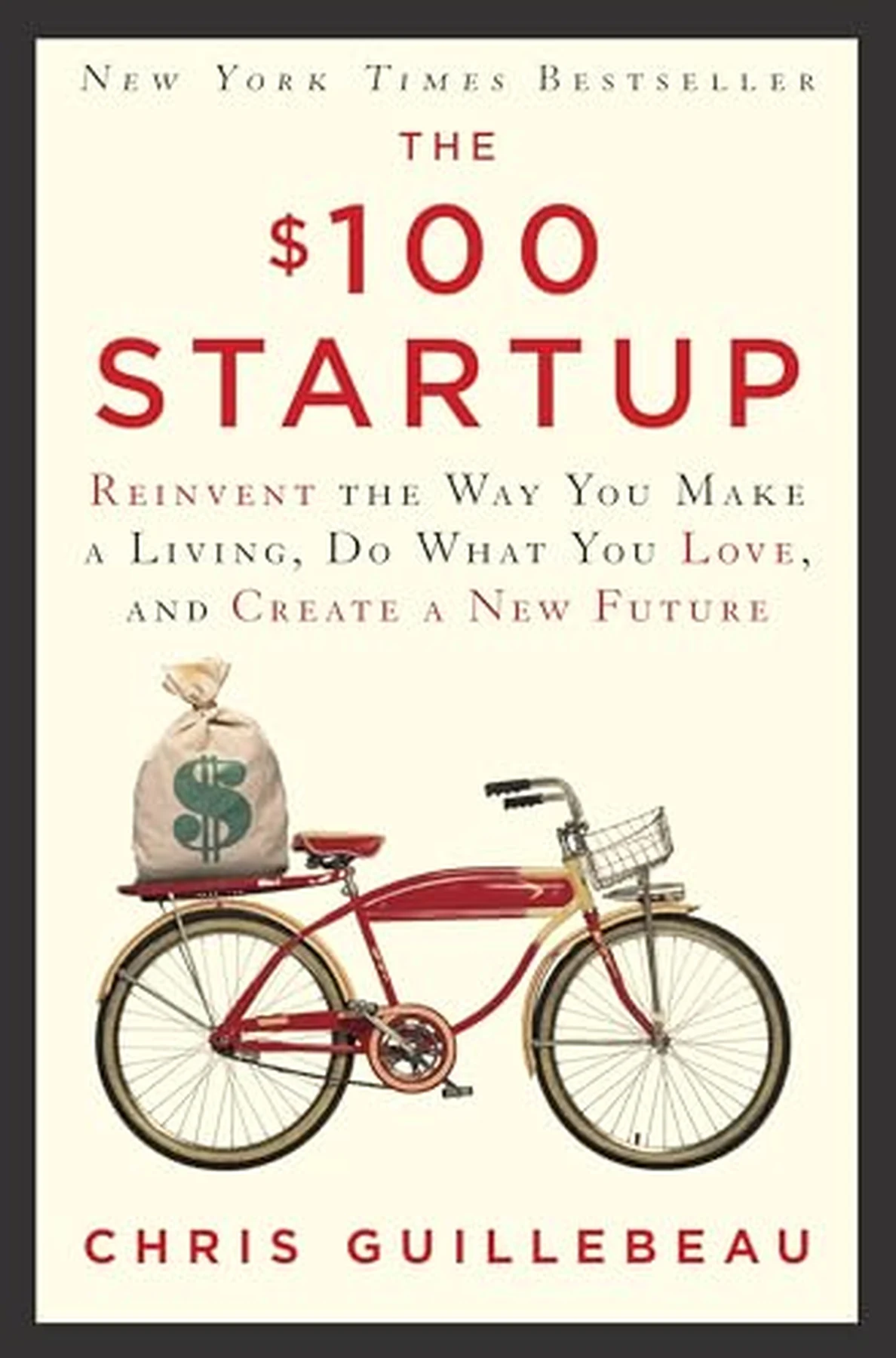 The $100 Startup
Chris Guillebeau
★★★★☆ 4.3
The 10X Rule Summary & Review: Why Massive Action Beats Average Effort
The 12 Week Year Summary & Review: Get More Done in Less Time
What Color Is Your Parachute Summary & Review: Don’t Hunt Jobs, Design the Work
The 15 Invaluable Laws of Growth Summary & Review: Growth Doesn’t Just Happen
The 4 Disciplines of Execution Summary & Review: Achieving Your Wildly Important Goals
The 4-Hour Workweek Summary & Review: Escape the 9-to-5 Without Waiting for Retirement
The 5 AM Club Summary & Review: Own Your Morning, Elevate Your Life
The 5 Second Rule Summary & Review: Stop Overthinking, Start Moving
The 80/20 Principle Summary & Review: Find Your Vital Few
The Art of Learning Summary & Review: Master Any Skill Under Pressure
The Checklist Manifesto Summary & Review: How Simple Lists Prevent Catastrophic Failures
The Compound Effect Summary & Review: Why Small Daily Choices Create Massive Results
The Daily Stoic Summary & Review: 366 Days of Ancient Wisdom for Modern Life
The Dip Summary & Review: A Little Book That Teaches You When to Quit (and When to Stick)
The E-Myth Revisited Summary & Review: Why Most Small Businesses Don’t Work
The Effective Executive Summary & Review: Get the Right Things Done
The Elements of Style Summary & Review: Cut Until One Meaning Remains
The Inner Game of Tennis Summary & Review: Quiet the Voice That Misses
The Life-Changing Magic of Tidying Up Summary & Review: Spark Joy and Transform Your Space
The Miracle Morning Summary & Review: Wake Up to Your Full Potential
Making Ideas Happen Summary & Review: Ship the Next Action
The Mom Test Summary & Review: Ask About Their Life, Not Your Idea Making Ideas Happen
Scott Belsky
★★★★☆ 4.4
Ninja Selling Summary & Review: Stop Chasing, Start Attracting
The Now Habit Summary & Review: A Strategic Program for Overcoming Procrastination
The One Thing Summary & Review: The Surprisingly Simple Truth Behind Extraordinary Results
The Pomodoro Technique Summary & Review: 25 Minutes to Real Focus
The Power of Full Engagement Summary & Review: Manage Energy, Not Time
The Power of Habit Summary & Review: Why We Do What We Do
The Power of Regret Summary & Review: Let If-Onlys Aim Your Next Move The Champion’s Mind
Jim Afremow
★★★★½ 4.5
Upstream Summary & Review: Stop Fighting the Same Fire
The Presentation Secrets of Steve Jobs Summary & Review: Turn Slides Into a Keynote Upstream
Dan Heath
★★★★☆ 4.4
The Productivity Project Summary & Review: Manage Your Time, Attention, and Energy
The Talent Code Summary & Review: Greatness Is Grown, Not Born
The Unicorn Project Summary & Review: Give Developers a Local Path
The War of Art Summary & Review: How to Defeat Resistance and Do Your Work
Tiny Habits Summary & Review: The Small Changes That Change Everything
To Sell Is Human Summary & Review: Move Others by Serving
Today Matters Summary & Review: Make Today the Masterpiece
Stealing Fire Summary & Review: Don’t Wait for Lightning The Motivation Manifesto
Brendon Burchard
★★★★½ 4.5
Do Hard Things Summary & Review: Real Toughness Pays Attention
Ultralearning Summary & Review: Master Any Skill Faster
Unfu*k Yourself Summary & Review: Get Out of Your Head
When Summary & Review: Master the Science of Perfect Timing
Who Will Cry When You Die Summary & Review: Live So They Cry
Willpower Summary & Review: The Science of Self-Control and How to Strengthen It
Wisdom Takes Work Summary & Review: Learn, Apply, Repeat
The Champion’s Mind Summary & Review: Train the Voice That Shows Up
The Rise of Superman Summary & Review: Make the Same Hour Count
The Art of Impossible Summary & Review: The Four Skills Behind Peak Performance
The Success Principles Summary & Review: 64 Rules for Getting Where You Want to Be