
The best psychology books explain the machinery behind your decisions, emotions, and self-sabotage — and, more importantly, what to actually do about it. We read and scored the most influential psychology books using the same transparent 5-point rubric every time: lasting impact, evidence quality, practical application, writing, and reader consensus. Every title links to a free in-depth summary with a plan to apply it. Whether you’re picking your first psychology read or hunting the one book everyone quotes but you’ve never actually opened, start here.
The 20 Best Psychology Books, Ranked
Counting down from #20 to our #1 pick. Each book links to a free, in-depth summary.
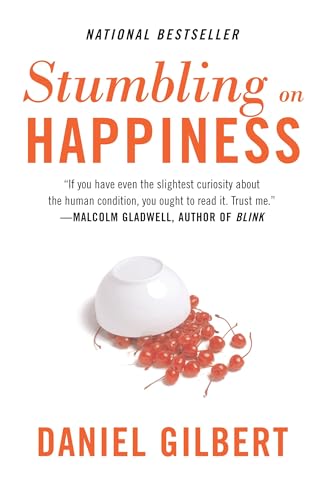
Stumbling on Happiness
Daniel Gilbert
★★★★☆4.0/5
Your brain is a prediction machine, and Harvard psychologist Gilbert proves it’s spectacularly bad at forecasting your own happiness. Three systematic errors — filling in gaps with assumption, presentism, and impact bias — explain why the job, relationship, or purchase you were certain would change everything rarely does. The genuinely useful twist: your psychological immune system means you’ll recover from bad outcomes far faster than you expect, and the one forecasting method that actually works is surrogation — asking someone already living the life you’re considering.
Best for: Curious readers who enjoy having assumptions demolished by rigorous research — especially anyone at a major crossroads
“Human beings are works in progress that mistakenly think they’re finished.”
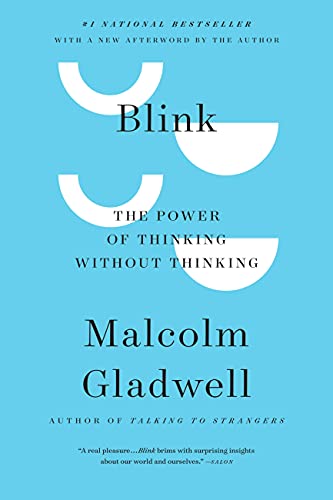
Blink
Malcolm Gladwell
★★★★☆3.8/5
A fascinating dive into rapid cognition — the two seconds of ‘thin-slicing’ that are sometimes smarter than months of deliberate analysis, and sometimes catastrophically wrong. Through case studies from a forged Greek statue to split-second police shootings, Gladwell shows how the adaptive unconscious extracts accurate patterns from tiny slices of experience. But the same machinery enables implicit bias, and the book’s real value is teaching you which snap judgments to trust and which environments corrupt them.
Best for: Decision-makers in fast-paced environments, hiring managers, and anyone fascinated by the psychology of intuition
“There can be as much value in the blink of an eye as in months of rational analysis.”
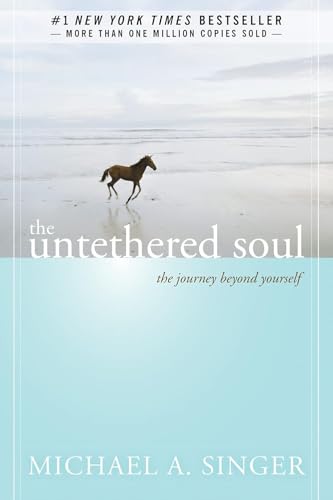
The Untethered Soul
Michael A. Singer
★★★★☆3.8/5
A rare book that permanently changes how you relate to your own mind. Singer’s central claim — the voice narrating your life is not you, you are the awareness listening to it — sounds like a truism until the book walks you through actually experiencing the distinction. He builds a systematic practice around it: notice the ‘inner roommate’ that never stops commenting, keep your heart open when it wants to close, and release the stored emotional patterns (samskaras) that keep old pain alive.
Best for: Overthinkers, high achievers who feel internally restless, and anyone ready to stop being controlled by mental chatter
“The voice in your head is not who you are. You are the awareness behind the voice.”
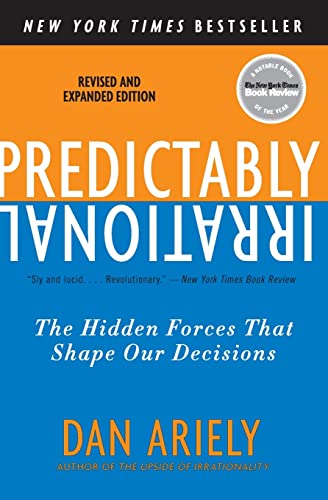
Predictably Irrational
Dan Ariely
★★★★☆4.1/5
A fascinating, experiment-driven tour of the hidden forces — relativity, anchoring, the pull of ‘free,’ social versus market norms — that make humans predictably irrational rather than randomly so. Ariely ran clever, often funny experiments at MIT and Duke that reveal how systematically we misjudge value, fall for decoy pricing, let emotion hijack decisions, and procrastinate even when the stakes are high. Because our irrationality follows patterns, we can learn to predict it in ourselves and design better choices around it.
Best for: Marketers, product designers, and curious readers who want to understand the behavioral science behind everyday choices
“We are pawns in a game whose forces we largely fail to comprehend.”
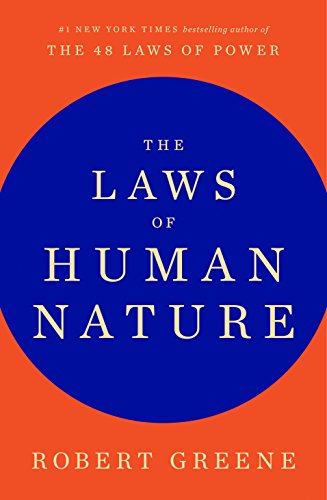
The Laws of Human Nature
Robert Greene
★★★★☆4.3/5
Greene’s most ambitious work distills thousands of years of history, psychology, and philosophy into 18 laws governing why people do what they do. From mastering your own irrational tendencies to reading body language, decoding hidden motivations, and navigating group dynamics, the book treats empathy as a strategic skill rather than a soft virtue. What sets it apart from the more cynical 48 Laws of Power is the underlying argument: real self-awareness begins with understanding the same patterns in yourself that you learn to spot in everyone else.
Best for: Anyone who wants to decode human behavior, navigate complex social dynamics, and develop genuine self-awareness
“Understanding the darker side of human nature is not a sign of cynicism; it is in fact a wise form of empathy.”
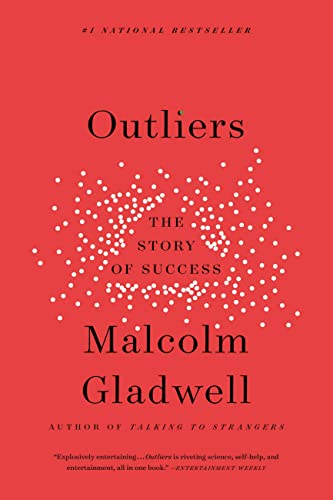
Outliers
Malcolm Gladwell
★★★★☆4.3/5
A paradigm-shifting case that success depends on timing, culture, and accumulated advantage far more than raw talent alone. Gladwell dismantles the self-made-genius myth through vivid studies — the Beatles’ Hamburg residencies, Bill Gates’s freakishly early access to a computer terminal, the birth-month skew among Canadian hockey pros — showing that outliers are products of their circumstances as much as their effort. The 10,000-Hour Rule and the Matthew Effect have become cultural shorthand for good reason.
Best for: Anyone who wants to understand the ecology of success and how environment, timing, and culture shape outcomes
“No one — not rock stars, not professional athletes, not software billionaires, and not even geniuses — ever makes it alone.”
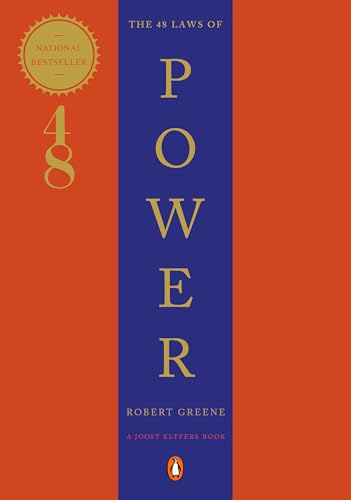
The 48 Laws of Power
Robert Greene
★★★★☆4.1/5
An amoral field guide to influence, best read as defense rather than instruction manual. Greene mines history — from Renaissance courts to Cold War diplomacy — for recurring patterns in how power actually moves through hierarchies, and the 48 laws that emerge (Never Outshine the Master, Conceal Your Intentions, Court Attention at All Costs) describe tactics you will recognize the moment you finish reading, whether from a boss, a colleague, or yourself. You don’t have to endorse the ethics to find the pattern-recognition invaluable.
Best for: Anyone navigating office politics or persuasion
“Never outshine the master.”
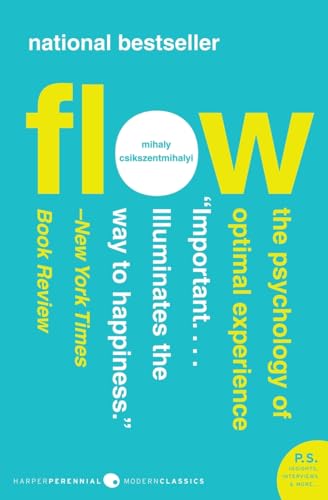
Flow
Mihaly Csikszentmihalyi
★★★★☆4.2/5
The foundational text on optimal experience — how clear goals, immediate feedback, and a precise challenge-skill balance produce the state of deep absorption that makes life feel worth living. Csikszentmihalyi spent decades running Experience Sampling studies across cultures and professions, and his answer is a framework, not a platitude: flow is engineerable, in work, sport, relationships, and solitude alike. The idea of the autotelic personality — people who find flow in almost any situation — makes this as much a philosophy of a life well spent as a productivity book.
Best for: Anyone who has lost hours in absorbing work and wants to understand why — and how to make it happen more often. Also ideal for leaders designing engaging team environments
“The best moments usually occur when a person’s body or mind is stretched to its limits in a voluntary effort to accomplish something difficult and worthwhile.”
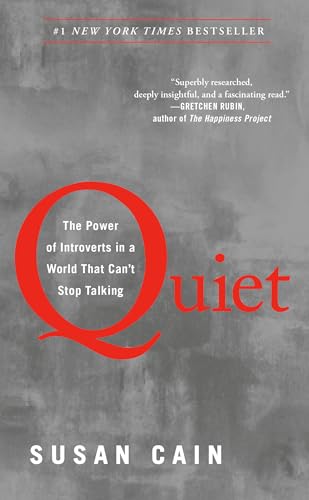
Quiet
Susan Cain
★★★★☆4.3/5
A deeply researched case that introversion is not a flaw to fix but a temperament to leverage, in work, relationships, and creative life. Cain traces the rise of the ‘Extrovert Ideal’ in Western culture, then marshals neuroscience — Kagan’s high-reactivity studies, dopamine sensitivity research — and workplace data showing open-plan offices cut focus while solo ideation consistently beats group brainstorming. The practical payoff is Free Trait Theory and the idea of a ‘restorative niche.’
Best for: Introverts tired of faking extroversion, managers who want to unlock quiet contributors, and parents of reflective children navigating noisy classrooms
“There’s zero correlation between being the best talker and having the best ideas.”
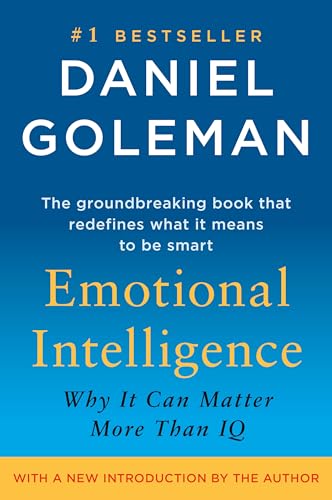
Emotional Intelligence
Daniel Goleman
★★★★★4.7/5
Why EQ can matter more than IQ for how your life actually goes. Goleman translates decades of neuroscience into a five-part model — self-awareness, self-regulation, motivation, empathy, and social skill — and shows exactly how an activated amygdala can hijack your judgment before your rational mind ever gets a vote. It’s the book that put ‘EQ’ into everyday language, and its applications to marriage, parenting, and leadership are concrete rather than theoretical.
Best for: Anyone who has said something in anger they regretted, or who manages, parents, or lives closely with other people
“In a sense, we have two minds, one that thinks and one that feels.”
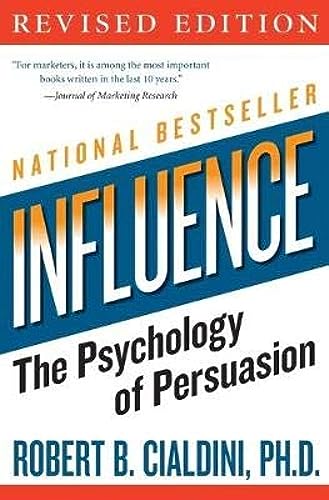
Influence
Robert B. Cialdini
★★★★★4.8/5
The book that named the six automatic triggers behind almost every yes you have ever given. Cialdini spent nearly three years undercover as a salesman, fundraiser, and telemarketer to document reciprocity, commitment and consistency, social proof, liking, authority, and scarcity — the psychological shortcuts that make people comply almost without thinking. It became the foundational text behind modern sales, marketing, and negotiation training precisely because it doubles as a defense manual: once you can name the trigger someone is pulling, you can pause before reacting to it. The highest-rated book in this entire ranking, and deservedly so.
Best for: Anyone who negotiates, sells, markets, or just wants to stop getting talked into things
“A well-known principle of human behavior says that when we ask someone to do us a favor we will be more successful if we provide a reason.”
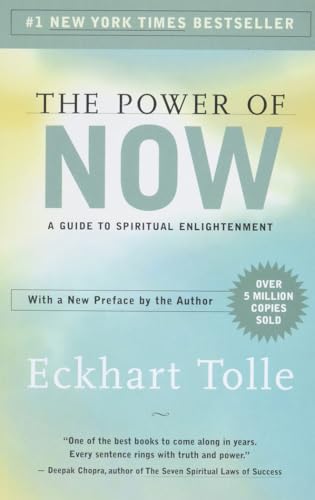
The Power of Now
Eckhart Tolle
★★★★☆4.3/5
Presence as the exit ramp from compulsive thinking. Tolle’s central claim — you are not your thoughts, and nearly all psychological suffering lives in regret about the past or anxiety about the future — sounds simple until you actually try to live it. That’s what makes this the modern mindfulness classic rather than just another philosophy book: it functions less like information to absorb and more like a practice to return to, chapter by chapter, whenever the mental noise gets loud.
Best for: Chronic worriers and overthinkers
“Realize deeply that the present moment is all you ever have.”
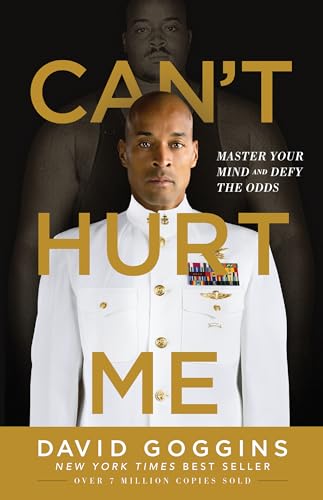
Can’t Hurt Me
David Goggins
★★★★★4.5/5
The psychology of mental toughness, told through one of the most brutal life stories in the genre. Goggins turned childhood trauma, morbid obesity, and a stutter into ultramarathons, record-breaking pull-up counts, and Navy SEAL training completed three separate times. The 40% Rule — when your mind says you’re done, you’ve actually used about 40% of your real capacity — and the Accountability Mirror, where you confront your own excuses daily, are tools readers actually put into practice rather than just nod along to.
Best for: Anyone who quits at the first sign of discomfort
“You are in danger of living a life so comfortable and soft, that you will die without ever realizing your true potential.”
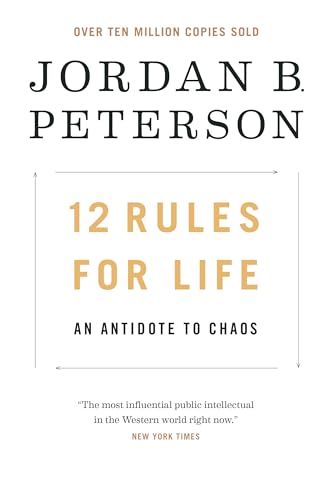
12 Rules for Life
Jordan B. Peterson
★★★★☆4.3/5
Order, responsibility, and meaning as the antidote to chaos, delivered with the weight of a demanding mentor rather than a motivational poster. ‘Stand up straight with your shoulders back,’ ‘treat yourself like someone you are responsible for helping,’ and ‘compare yourself to who you were yesterday, not to who someone else is today’ are simple instructions that turn out to require real discipline to follow. Peterson blends clinical psychology, mythology, and evolutionary biology into rules that ask more of the reader than most self-help books dare to.
Best for: Readers seeking structure and meaning, not quick fixes
“Compare yourself to who you were yesterday, not to who someone else is today.”
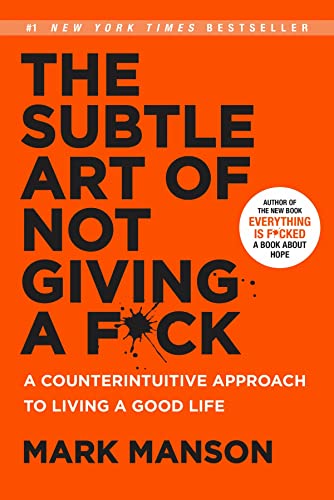
The Subtle Art of Not Giving a F*ck
Mark Manson
★★★★☆4.2/5
Values-first stoicism wearing a profane disguise. Strip away the swearing and the argument underneath is serious: your attention and time are finite, so the only real choice you have is which problems you decide are worth caring about. Manson’s ‘feedback loop from hell’ (anxiety about being anxious, guilt about feeling guilty) names a trap most self-help books never touch, and his fault-versus-responsibility distinction — you’re not to blame for everything that happens to you, but you’re always responsible for how you respond — sticks with readers long after the jokes stop landing.
Best for: Readers allergic to conventional self-help positivity
“The desire for more positive experience is itself a negative experience.”
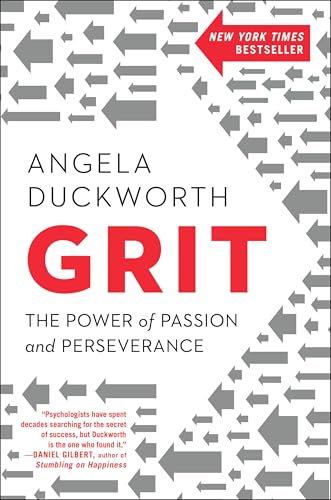
Grit
Angela Duckworth
★★★★☆4.2/5
Why passion plus perseverance beats raw talent, backed by research from West Point cadets, National Spelling Bee finalists, and rookie sales reps who quit within a year. Duckworth’s core equation — talent × effort = skill, and skill × effort = achievement — proves effort counts twice, which is why steady grinders routinely outperform gifted quitters. The book doesn’t just diagnose the problem; it shows how grit is actually built, through interest, deliberate practice, purpose, and hope, making it one of the few books on this list that treats a character trait as a trainable skill rather than a fixed gift.
Best for: Anyone who starts strong and fades
“Enthusiasm is common. Endurance is rare.”
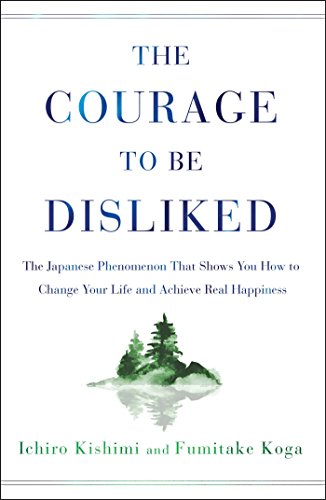
The Courage to Be Disliked
Ichiro Kishimi & Fumitake Koga
★★★★☆4.3/5
Adlerian psychology delivered as a Socratic dialogue between a philosopher and a skeptical young man — and it earns every twist. The argument unfolds in real time: your past does not determine you, every one of your problems is fundamentally interpersonal, and real freedom means accepting the risk of being disliked. Where Western self-help tends to promise easy fixes, this book insists change is available immediately but never comfortable. The dialogue format makes abstract philosophy feel like eavesdropping on your own internal argument — which is exactly why it quietly rewires readers who didn’t expect a ‘psychology book’ to hit this hard.
Best for: Overthinkers trapped by others’ expectations
“It is not that you lack the ability, but you lack the courage. Everything comes down to a lack of courage.”
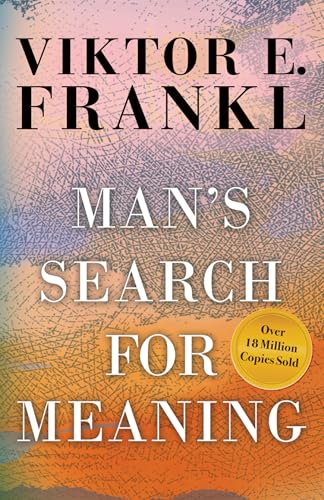
Man’s Search for Meaning
Viktor E. Frankl
★★★★★4.7/5
A Holocaust survivor’s testament that meaning can be found in any circumstance — and that the search for meaning, not pleasure or power, is the primary human drive. Part memoir of Auschwitz, part introduction to logotherapy, Frankl describes how prisoners who found meaning in their suffering survived while those who lost purpose perished within days. He identifies three sources of meaning — creative values (what you give), experiential values (what you receive through love and beauty), and attitudinal values (the stance you choose toward unavoidable suffering) — and names the existential vacuum, the modern epidemic of meaninglessness. Sixteen million readers later, it remains unmatched.
Best for: Anyone searching for purpose, facing suffering, or wanting to understand humanity’s deepest question
“Those who have a ‘why’ to live, can bear with almost any ‘how.’”
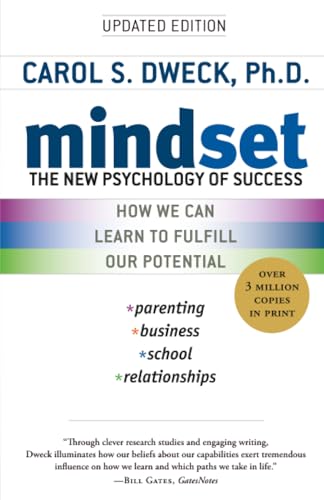
Mindset
Carol S. Dweck
★★★★★4.4/5
The growth-versus-fixed mindset research that quietly rewired education and coaching worldwide. Dweck’s decades of studies show that whether you believe your abilities are fixed traits or capacities you can develop determines how you respond to failure, criticism, and challenge — and that this single belief predicts achievement better than raw talent does. The book’s real power is diagnostic: you’ll catch your own fixed-mindset voice mid-sentence within a day of reading it, and the process-praise-versus-person-praise distinction alone will change how you talk to your kids or your team.
Best for: Parents, teachers, managers — and anyone afraid of failing
“The view you adopt for yourself profoundly affects the way you lead your life.”
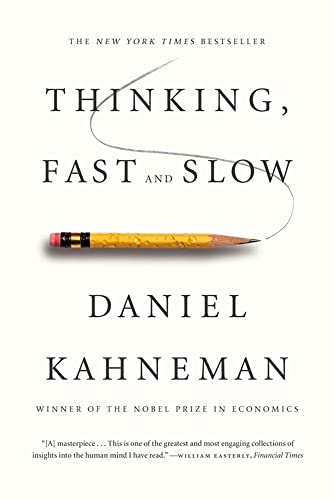
Thinking, Fast and Slow
Daniel Kahneman
Tuesdays with Morrie Summary & Review: How to Live Before You Die
★★★★☆4.3/5
The Nobel laureate’s map of how your mind actually decides. Kahneman spent decades with Amos Tversky uncovering the two systems that run your brain: System 1, fast and intuitive, and System 2, slow and deliberate — and almost every bad decision you’ve ever made traces back to letting System 1 answer a question only System 2 could handle. Anchoring, loss aversion, the planning fallacy, overconfidence: once you’ve read this book you cannot unsee them, in yourself or anyone else. It’s dense in places, but no single book gives you a better X-ray of your own mind.
Best for: Readers who want the deepest single book on judgment and bias
“Nothing in life is as important as you think it is, while you are thinking about it.”
How to Choose Your First Psychology Book
Not sure where to begin? Match the book to what you’re actually struggling with right now — one book applied beats ten books skimmed.
Just added:
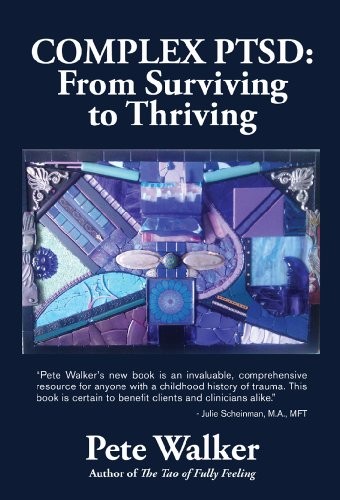
Complex PTSD: From Surviving to Thriving
Pete Walker
★★★★☆4.7/5
Why chronic childhood trauma creates four survival responses — fight, flight, freeze, fawn — and a step-by-step path to grieve, reparent, and heal them.
Best for: Adults untangling patterns from a chronically difficult, unsafe, or emotionally invalidating childhood.
The goal isn’t to eliminate the inner critic — it’s to stop believing it.
Still unsure? Preview any book with our free in-depth summaries — test-drive the ideas in fifteen minutes before committing to three hundred pages.

The Happiness Advantage
Shawn Achor
★★★★★4.6/5
Harvard researcher Shawn Achor flips the conventional success formula: happiness fuels achievement, not the other way around, backed by one of the largest happiness studies ever conducted and seven practical, research-tested principles.
Best for: Managers and professionals who want research-backed, low-effort ways to boost performance, resilience, and team positivity.
“Happiness is not the belief that we don’t need to change; it is the realization that we can.”
Recommended Reading Paths
Not sure where to start? Pick the path that matches where you are right now.
🌱 The Beginner’s Path
New to psychology? Read these five in order — each one is accessible on its own and builds toward the next.
🔬 The Advanced / Research Path
Already comfortable with the basics? These five go deeper into the research — denser, but the payoff is a genuinely rigorous mental model.
🤝 The Influence & Persuasion Path
Want to understand how people actually get persuaded — and stop being an easy target yourself? Start here.
More Top-Rated Books
High-scoring books just outside the top 20 — each links to our full summary and review.
 The Chimp Paradox
Dr. Steve Peters
★★★★½ 4.5
 Feeling Good
David D. Burns
★★★★★ 4.8
 Antifragile
Nassim Nicholas Taleb
★★★★★ 4.6
 The Anxious Generation
Jonathan Haidt
★★★★★ 4.6
 The Molecule of More
Daniel Z. Lieberman & Michael E. Long
★★★★★ 4.6
 Never Split the Difference
Chris Voss
★★★★★ 4.5
 Superforecasting
Philip E. Tetlock & Dan Gardner
★★★★★ 4.5
 Radical Acceptance
Tara Brach
★★★★★ 4.5
 The Righteous Mind
Jonathan Haidt
★★★★★ 4.5
 Self-Compassion
Kristin Neff
★★★★★ 4.4
 The Gift of Fear
Gavin de Becker
★★★★★ 4.4
 The Elephant in the Brain
Kevin Simler & Robin Hanson
★★★★☆ 4.3
 Incognito
David Eagleman
★★★★☆ 4.3
 The Happiness Trap
Russ Harris
★★★★☆ 4.3
 Thinking in Bets
Annie Duke
★★★★☆ 4.2
 Originals
Adam Grant
★★★★☆ 4.0
 On the Move
Oliver Sacks
★★★★☆ 4.5
 When the Body Says No
Gabor Maté
★ ★ ★ ★ ☆ 4.6
 Lost Connections
Johann Hari
★★★★☆ 4.6
 The Upside of Stress
Kelly McGonigal
★★★★★ 4.6
 How to Stop Worrying and Start Living
Dale Carnegie
★★★★ 4.6
 Adult Children of Emotionally Immature Parents
Lindsay C. Gibson
★★★★☆ 4.6
 A New Earth
Eckhart Tolle
★★★★☆ 4.4
 The Alchemist
Paulo Coelho
★★★★★ 4.6
 The Secret
Rhonda Byrne
★★★★★ 4.6
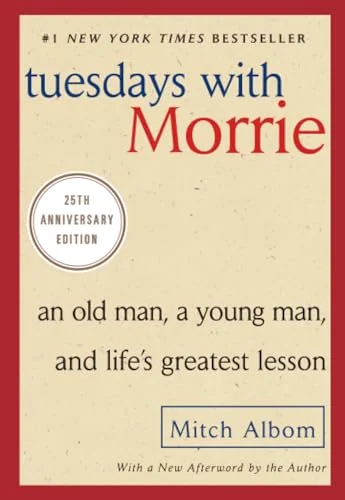 Tuesdays with Morrie
Mitch Albom
★★★★★ 4.8
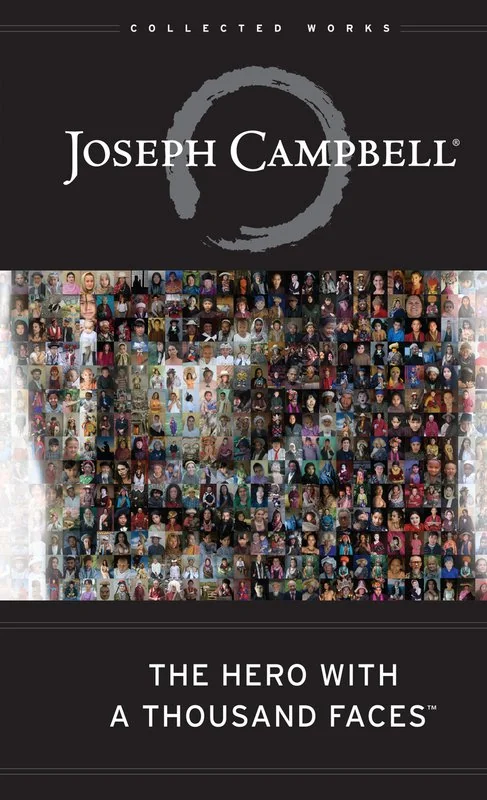 The Hero with a Thousand Faces
Joseph Campbell
★★★★★ 4.7
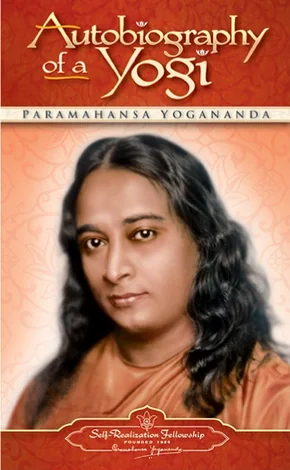 Autobiography of a Yogi
Paramahansa Yogananda
★★★★★ 4.7
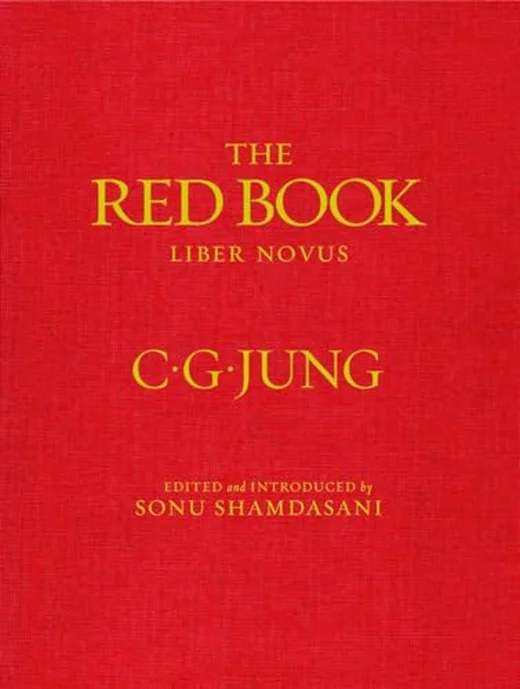 The Red Book
C. G. Jung
★★★★★ 4.8
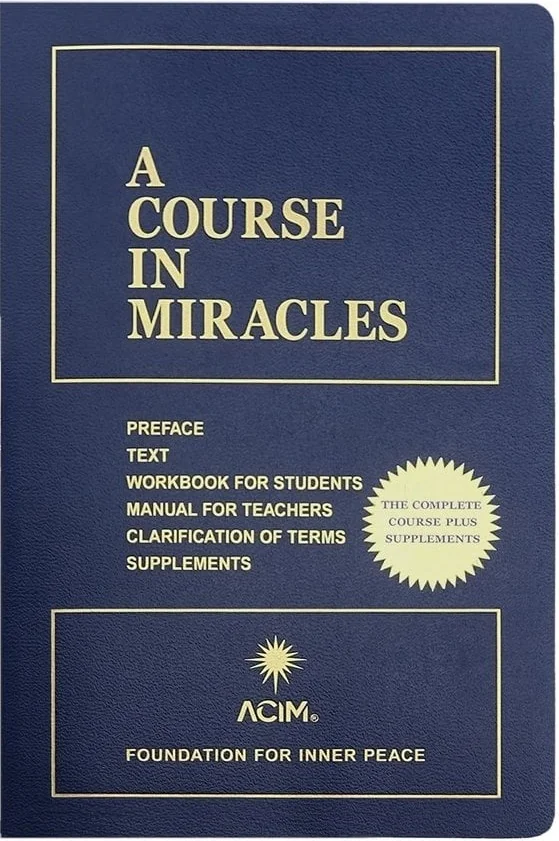 A Course in Miracles
Helen Schucman
★★★★★ 4.7
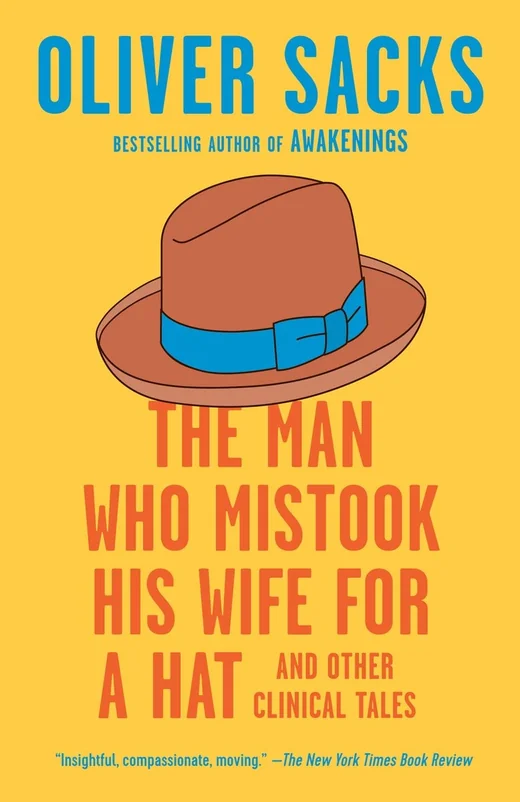 The Man Who Mistook His Wife for a Hat
Oliver Sacks
★★★★ 4.4
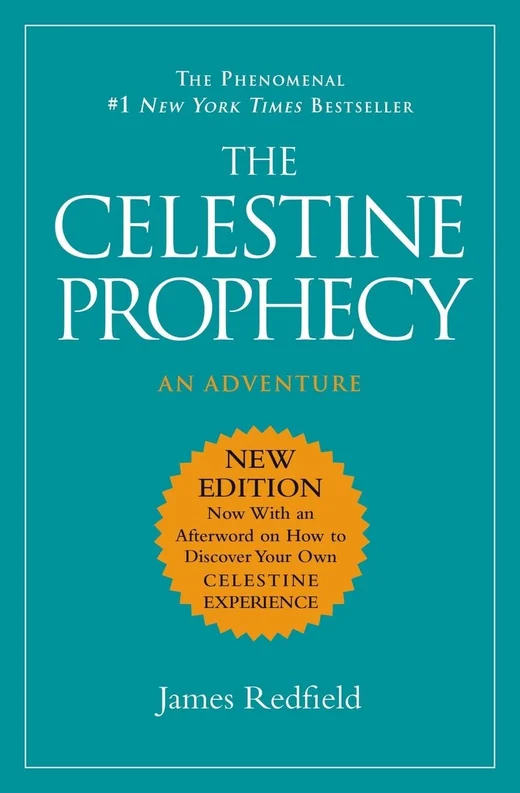 The Celestine Prophecy
James Redfield
★★★★★ 4.6
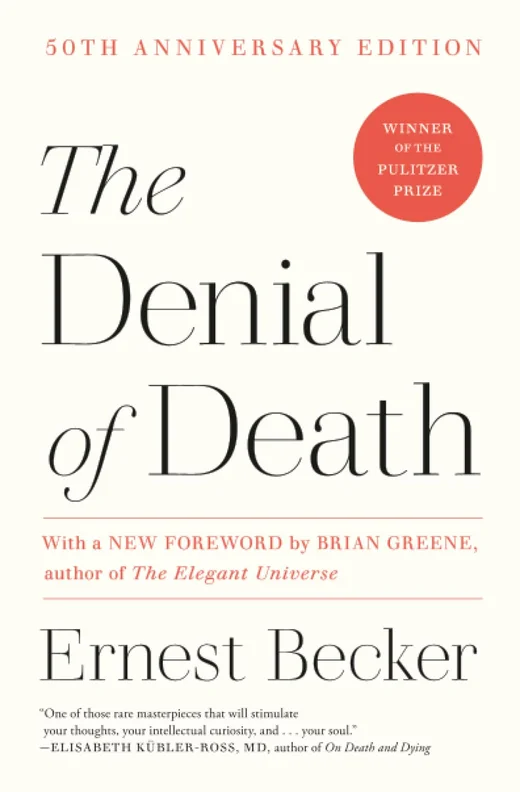 The Denial of Death
Ernest Becker
★★★★ 4.4
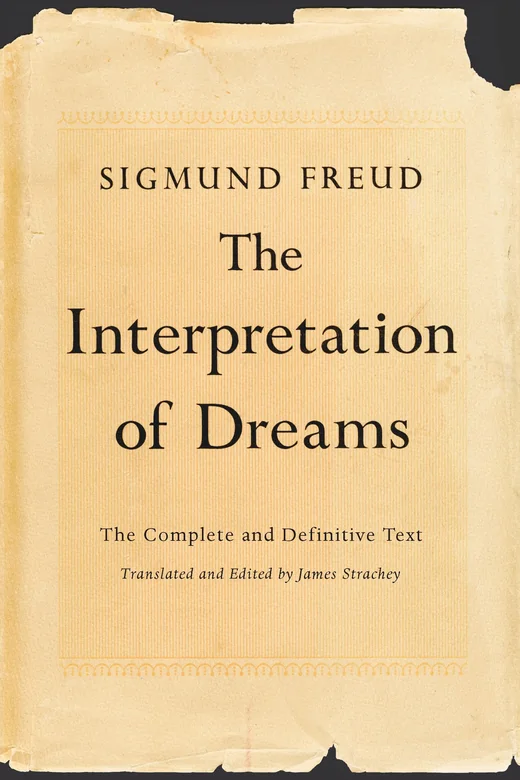 The Interpretation of Dreams
Sigmund Freud
★★★★★ 4.6
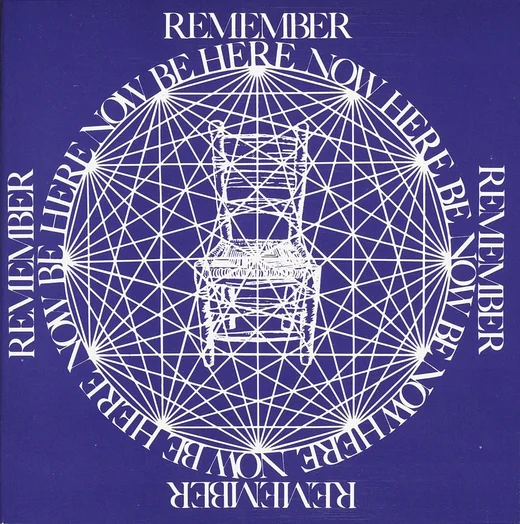 Be Here Now
Ram Dass
★★★★★ 4.7
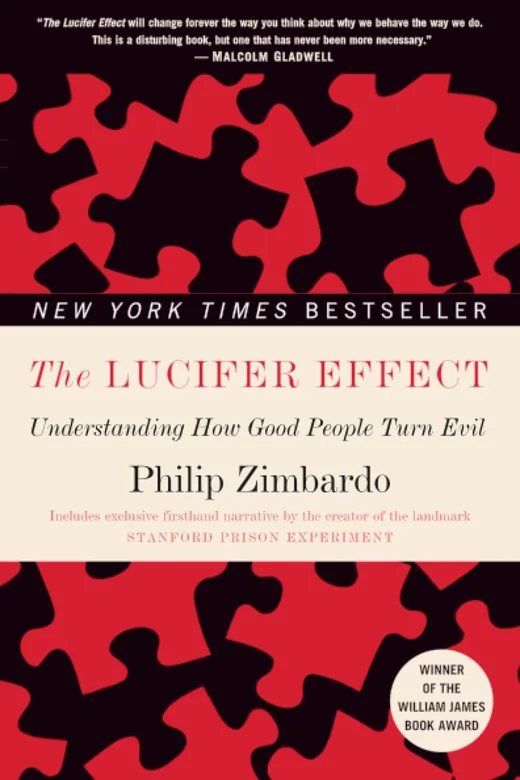 The Lucifer Effect
Philip Zimbardo
★★★★★ 4.6
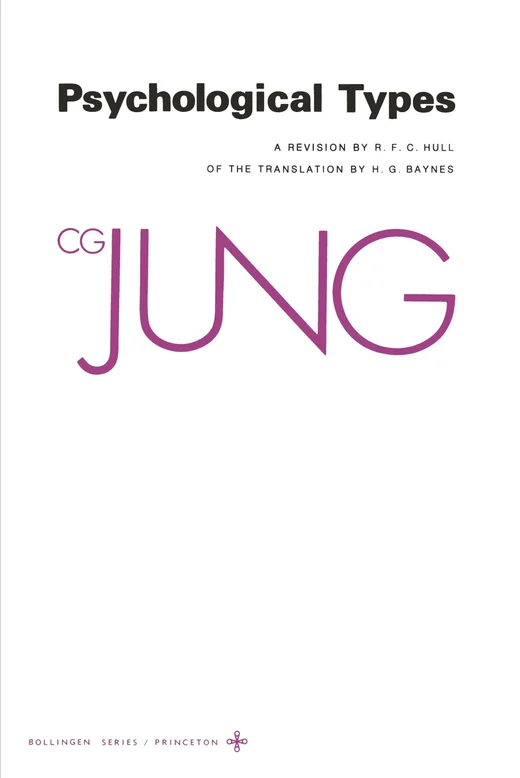 Psychological Types
C. G. Jung
★★★★★ 4.8
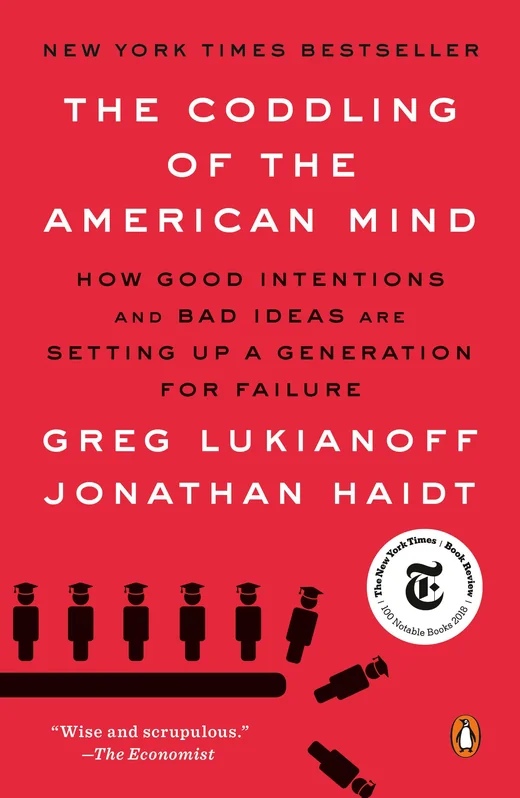 The Coddling of the American Mind
Greg Lukianoff & Jonathan Haidt
★★★★★ 4.7
Browse All Psychology Summaries →
The Hero with a Thousand Faces Summary & Review: Answer the Call You Keep Refusing
The Authors Behind These Books
The researchers, writers, and thinkers who shaped modern psychology.
Best Books by Category
Ready to go deeper on one area? Each category page ranks the best books on that topic — all with free summaries.
How We Rank: The 5-Point Rubric
Every book on The Growth Reads is evaluated against five weighted criteria. This isn’t a popularity contest — it’s a rubric designed to surface the psychology books that actually change how people think, decide, and behave.
Lasting Impact
Does this book change how you think and behave months and years after reading, or just during a motivated weekend?
Evidence Quality
Is the psychology grounded in peer-reviewed research and replicated studies — or just anecdotes and assertions?
Practical Application
Can you actually apply the ideas to a real decision or relationship today, or is it purely theoretical?
Writing & Originality
Is it well-written and engaging, and does it bring something genuinely new to the conversation about human behavior?
External Consensus
How do other psychologists, reviewers, and the broader reading community rate this book?
We re-evaluate rankings annually as new books publish and older ones prove their staying power. Every book listed here has a free in-depth summary on our site, so you can preview the ideas before committing to the full read. Read the full methodology →
Frequently Asked Questions
What is the #1 best psychology book of all time?
Based on our five-criteria rubric — lasting impact, evidence quality, practical application, writing originality, and expert consensus — Thinking, Fast and Slow by Daniel Kahneman is the #1 best psychology book of all time. The Nobel Prize-winning research behind System 1 and System 2 thinking gives you the single most complete map available of how your mind actually makes decisions, and the specific biases it names — anchoring, loss aversion, overconfidence — apply to nearly every judgment call you will ever make.
What psychology books do therapists and psychologists recommend?
Psychologists and therapists tend to recommend books grounded in peer-reviewed research over pop-psychology. On this list that means Thinking, Fast and Slow by Daniel Kahneman (judgment and decision-making), Emotional Intelligence by Daniel Goleman (the neuroscience of emotional regulation), Man’s Search for Meaning by Viktor Frankl (meaning and resilience), and Feeling Good by David Burns (the cognitive therapy classic still recommended most often for lifting mild depression without medication). Grit by Angela Duckworth and Mindset by Carol Dweck are also frequently assigned in clinical and educational settings.
Is Thinking, Fast and Slow worth reading?
Yes — it works even if you have zero interest in economics, because Kahneman is writing about how your mind makes every kind of decision, not just financial ones. The System 1 (fast, intuitive) and System 2 (slow, deliberate) framework applies just as directly to hiring, parenting, dating, and everyday arguments as it does to investing. It is genuinely dense in the middle third, which is why most readers benefit from previewing our free summary before committing to all 500 pages.
What psychology book helps with overthinking?
The Power of Now by Eckhart Tolle addresses the compulsive thinking loop most directly, teaching you to notice when you have slipped into rehearsing the past or rehearsing the future instead of living in the present. The Untethered Soul by Michael Singer tackles it from a different angle — you are not the voice narrating your life, you are the awareness listening to it. For overthinking rooted in social anxiety specifically, The Courage to Be Disliked is the better starting point.
What is the best psychology book for beginners?
Mindset by Carol Dweck is the most accessible starting point for anyone new to psychology: one powerful, well-supported idea, and an immediate application to how you handle failure and feedback. Follow it with Grit by Angela Duckworth or The Courage to Be Disliked, both of which build on the same growth-oriented foundation without requiring any background in the field.
How many psychology books should I read?
Quality beats quantity. We recommend reading 3–5 psychology books deeply rather than a dozen skimmed. Start with one book on how your mind makes decisions (Thinking, Fast and Slow), one on resilience or mindset (Mindset or Grit), and one that addresses whatever you are personally struggling with right now — overthinking, meaning, or influence. Give each book 30 days of real application before moving to the next; our reading paths above are built for exactly this pace.
Are these psychology books based on real science?
Thinking, Fast and Slow, Mindset, Grit, and Emotional Intelligence are all written by the researchers who ran the underlying studies, so the science is as rigorous as psychology gets for a general audience. Others on this list — The Subtle Art of Not Giving a F*ck, 12 Rules for Life, The Power of Now — blend psychology with philosophy and personal experience, which is valuable but a different kind of evidence. We note this distinction in every summary so you know what you are getting.
Thinking, Fast and Slow vs. Influence — which should I read first?
They answer different questions. Thinking, Fast and Slow explains how your own mind reaches, and often botches, a decision — it is about your internal machinery. Influence explains how other people’s decisions get engineered by six external triggers: reciprocity, commitment, social proof, liking, authority, and scarcity. Read Thinking, Fast and Slow first if you want to understand your own judgment; read Influence first if you want to stop being persuaded by other people’s tactics. Most readers eventually want both.
What psychology books does Bill Gates recommend?
Bill Gates has publicly praised Thinking, Fast and Slow as one of the most important books he has ever read on how people actually think, and his annual GatesNotes reading lists regularly feature books on cognitive bias and decision-making that overlap heavily with this ranking, including Sapiens by Yuval Noah Harari for its account of how shared human belief systems form.
What is the best short psychology book?
Man’s Search for Meaning by Viktor Frankl is the best short psychology book on this list — well under 200 pages, and every page earns its place. For something equally short but more tactical, The Courage to Be Disliked delivers its entire philosophy of freedom through a fast, conversational dialogue you can finish in an evening.
How we analyze books: Every book on The Growth Reads is read cover to cover, summarized in 3,000–4,000 words of original analysis, and rated against our five-criteria rubric (lasting impact, evidence quality, practical application, writing & originality, external consensus). Rankings are reviewed annually. We never use AI-generated summaries — every word is human-curated.
Read the full methodology →
All Psychology Book Summaries on The Growth Reads
73 in-depth summaries & reviews
12 Rules for Life Summary & Review: An Antidote to Chaos
A Course in Miracles Summary & Review: Forgive the Script You Keep Replaying
Antifragile Summary & Review: How to Gain From Disorder
Autobiography of a Yogi Summary & Review: Make a Spiritual Life Practical
Be Here Now Summary & Review: Leave the Story, Return to Now
Behave Summary & Review: The Biology Behind Every Human Action
Blink Summary & Review: The Power of Thinking Without Thinking
Can’t Hurt Me Summary & Review: David Goggins on Mastering Your Mind
David and Goliath Summary and Review
Emotional Agility Summary & Review: Get Unstuck and Thrive
Emotional Intelligence Summary & Review: Why EQ Can Matter More Than IQ
Feeling Good Summary & Review: Change Your Thoughts, Change Your Mood
Flow Summary & Review: The Science of Losing Yourself in What You Do
Grit Summary & Review: The Power of Passion and Perseverance
Incognito Summary & Review: The Secret Lives of Your Brain
Influence Summary & Review: The Psychology of Persuasion
Lost Connections Summary & Review: Depression Isn’t All in Your Head
Man’s Search for Meaning Summary & Review: Finding Purpose in Any Circumstance
Meditations Summary & Review: Timeless Stoic Wisdom for Modern Life
Mindset Summary & Review: The New Psychology of Success
Noise Summary & Review: The Hidden Flaw in Human Judgment
Nudge Summary & Review: How Small Design Changes Shape Better Decisions
On the Move Summary & Review: A Neurologist’s Extraordinary Life of Curiosity and Courage
Originals Summary & Review: How Non-Conformists Move the World
Outliers Summary & Review: Why Success Is Never a Solo Act
Predictably Irrational Summary & Review: The Hidden Forces Behind Every Decision
Psychological Types Summary & Review: Use Your Type Without Becoming It
Quiet Summary & Review: Why the World Needs Introverts More Than Ever
Radical Acceptance Summary and Review
Sapiens Summary & Review: How Shared Fictions Built the Modern World
Self-Compassion Summary and Review
Stumbling on Happiness Summary & Review: Why Your Brain Lies About the Future
Superforecasting Summary and Review
Switch Summary & Review: The Rider-Elephant-Path Framework for Real Change
Talking to Strangers Summary & Review: Why We Misread Everyone
The 48 Laws of Power Summary & Review: Reading the Hidden Game of Influence
The Anxious Generation Summary & Review: How Phones Rewired Childhood
The Art of Thinking Clearly Summary & Review: 99 Biases That Sabotage Your Decisions
The Celestine Prophecy Summary & Review: Treat Coincidences as Guidance
The Chimp Paradox Summary & Review: How to Manage the Brain That Reacts Before You Think
The Coddling of the American Mind Summary & Review: Prepare the Child for the Road
The Confidence Gap Summary and Review
The Courage to Be Disliked Summary & Review: The Adlerian Path to Freedom
The Defining Decade Summary & Review: Why Your Twenties Matter
The Denial of Death Summary & Review: Name the Hero-System Running Your Life
The Elephant in the Brain Summary and Review
The Gift of Fear Summary & Review: Why Your Instincts Are Your Best Protection
The Gifts of Imperfection Summary & Review: Embrace Who You Are
The Happiness Hypothesis Summary & Review: Finding Modern Truth in Ancient Wisdom
The Happiness Trap Summary & Review: Stop Chasing, Start Living
The Interpretation of Dreams Summary & Review: Name the Wish Under the Story
The Laws of Human Nature Summary & Review: Decode What Drives People
The Lucifer Effect Summary & Review: Redesign the Barrel
The Man Who Mistook His Wife for a Hat Summary & Review: See the Person, Not Just the Deficit
The Molecule of More Summary & Review: Why You Never Feel Satisfied
The Mountain Is You Summary & Review: Stop Being Your Own Obstacle
The Obstacle Is the Way Summary & Review: The Stoic Art of Turning Trials into Triumph
The Paradox of Choice Summary & Review: Why Less Is More for Happiness
The Power of Now Summary & Review: A Guide to Spiritual Enlightenment
The Power of Your Subconscious Mind Summary & Review: Reprogram Your Thinking
The Red Book Summary & Review: Meet the Inner Teacher You Keep Ignoring
The Righteous Mind Summary & Review: Why Good People Disagree
The Scout Mindset Summary & Review: See Reality Clearly
The Secret Summary & Review: Shift the Feeling That Shapes Your Life
The Subtle Art of Not Giving a F*ck Summary & Review: Choosing What Truly Matters
The Tipping Point Summary & Review: How Little Things Make a Big Difference
The Untethered Soul Summary & Review: The Voice in Your Head Is Not You
The Upside of Stress Summary & Review: Why Feeling Stressed Can Be Good for You
The Willpower Instinct Summary & Review: Train Your Brain for Better Self-Control
Thinking in Bets Summary & Review: Make Smarter Decisions Under Uncertainty
Thinking, Fast and Slow Summary & Review: Master Your Mind’s Hidden Shortcuts
When the Body Says No Summary & Review: How Suppressed Emotion Makes You Sick
Why Has Nobody Told Me This Before? Summary & Review: Your Mental Health Toolkit