
Keep Going Summary & Review: Forget the Noun, Do the Verb
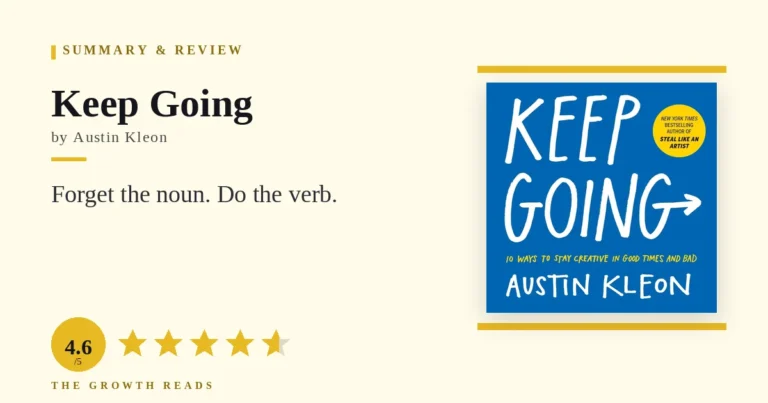
Keep Going summary: Austin Kleon's 10 ways to stay creative after the spark fades. Forget the noun, do the verb, and keep a Tuesday practice alive. Read it.

Keep Going summary: Austin Kleon's 10 ways to stay creative after the spark fades. Forget the noun, do the verb, and keep a Tuesday practice alive. Read it.
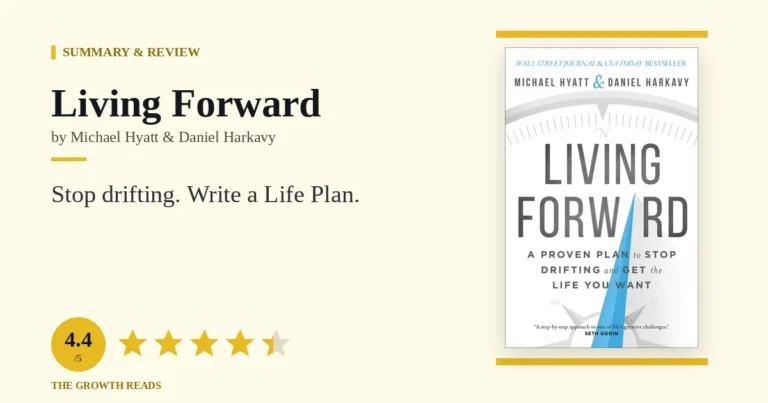
Hyatt and Harkavy’s Living Forward is a one-day Life Plan for people whose calendars are full and whose lives still feel unchosen. Stop the drift — write the destination.
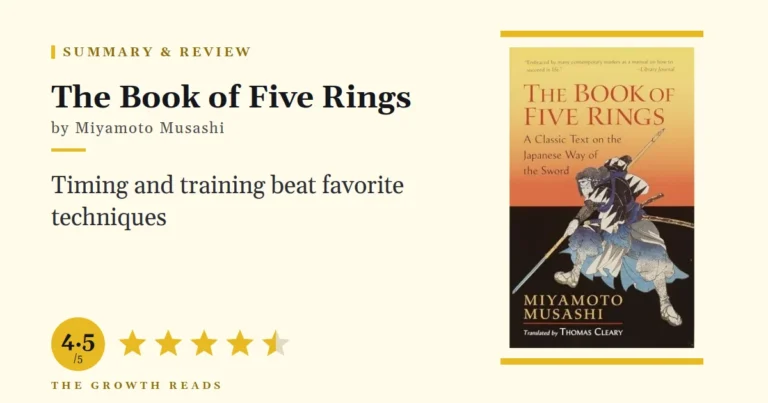
Miyamoto Musashi’s Book of Five Rings is a short field manual: train until you have no favorite weapon, take the initiative, and treat every contest as the same geometry.
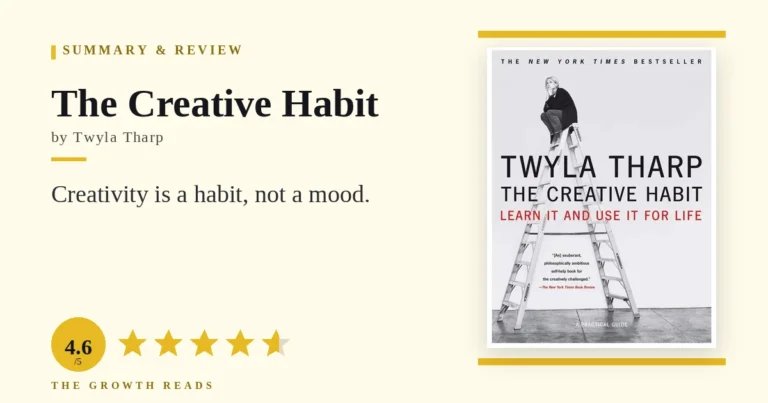
Twyla Tharp’s 2003 field manual: pack a box, start the same way every day, scratch for material, and treat creativity as a weekday habit. Open the box tomorrow.
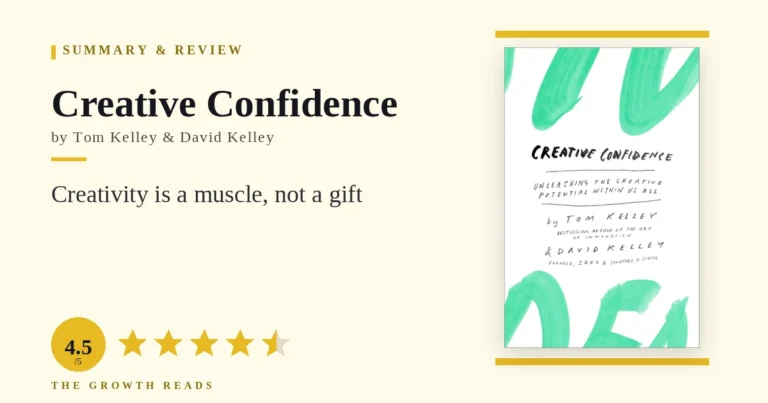
Creative Confidence summary: Tom and David Kelley of IDEO show how anyone trains creativity with tiny experiments, empathy, and a bias for action at work.
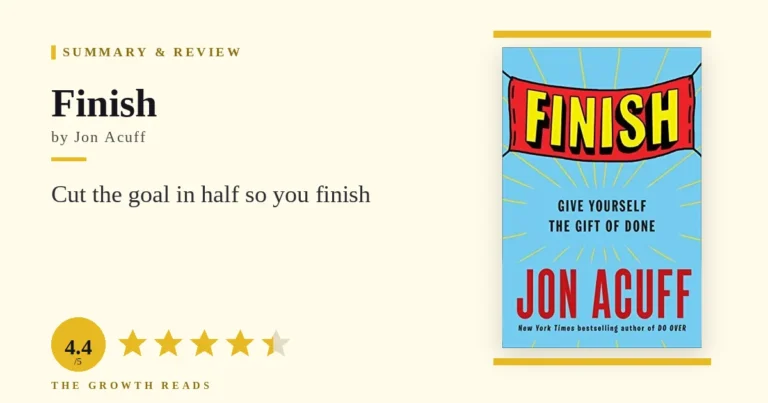
Most goals don’t die on day one. They die the morning after you were perfect. Jon Acuff’s Finish shows how to cut the goal in half and give yourself the gift of done.
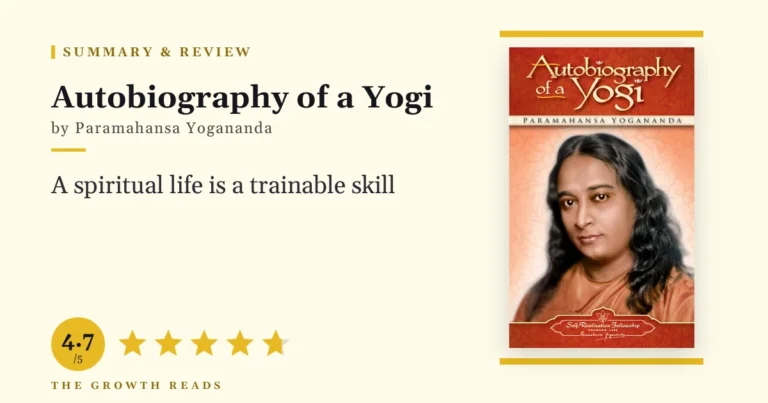
Autobiography of a Yogi summary: Yogananda’s life story turns saints and Kriya Yoga into a practice you can run on a Tuesday: find a teacher, train attention, serve.
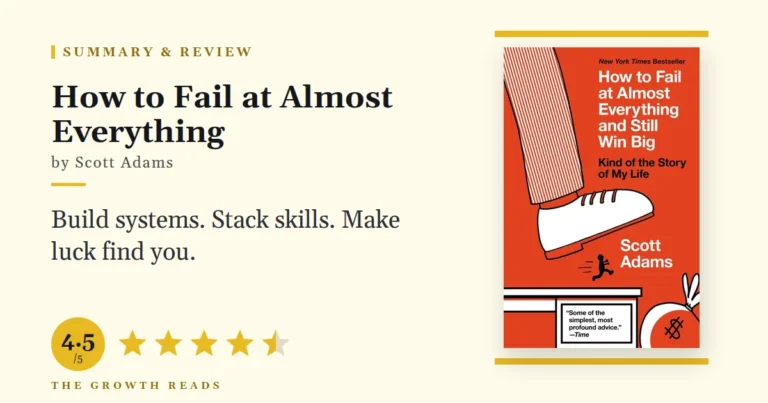
Scott Adams’s 2013 manual: stop living inside unfinished goals, run a daily system, stack good-enough skills, and give luck more doors. Convert one goal this week.
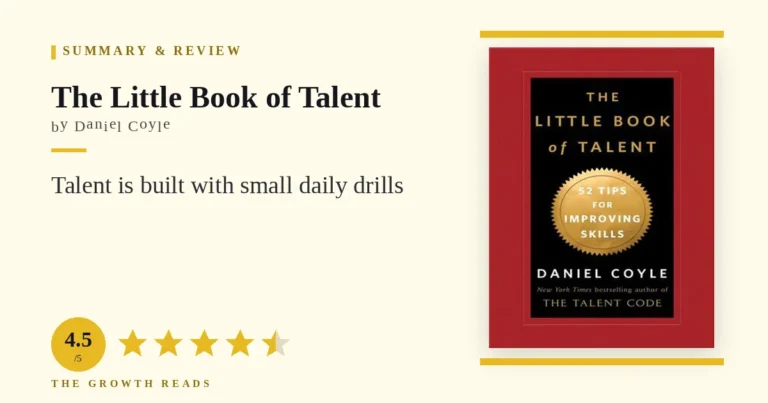
The Little Book of Talent summary: Daniel Coyle's 52 pocket tips for growing any skill with daily deep practice. Key takeaways, a 7-day plan, and FAQs.
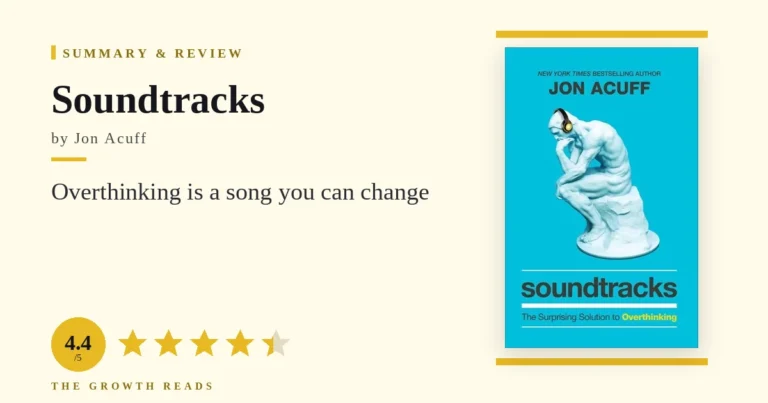
Overthinking isn’t a personality trait — it’s a song on repeat. Jon Acuff’s Soundtracks shows how to retire broken thoughts, replace them, and repeat a new anthem until it sticks.
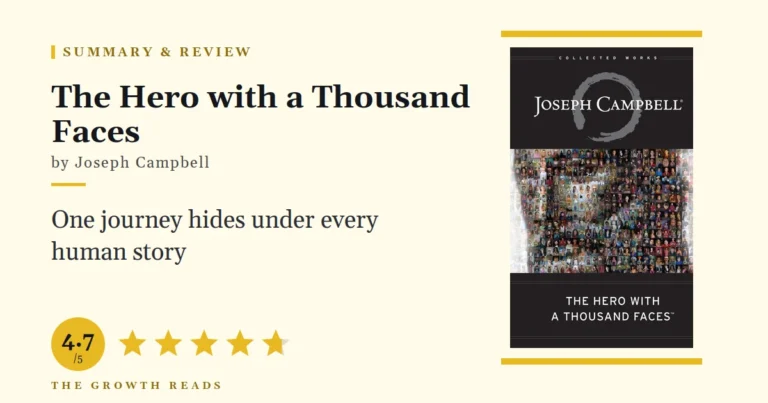
The Hero with a Thousand Faces summary: Joseph Campbell’s monomyth maps the call, the ordeal, and the return so you can walk the stage you are actually in.
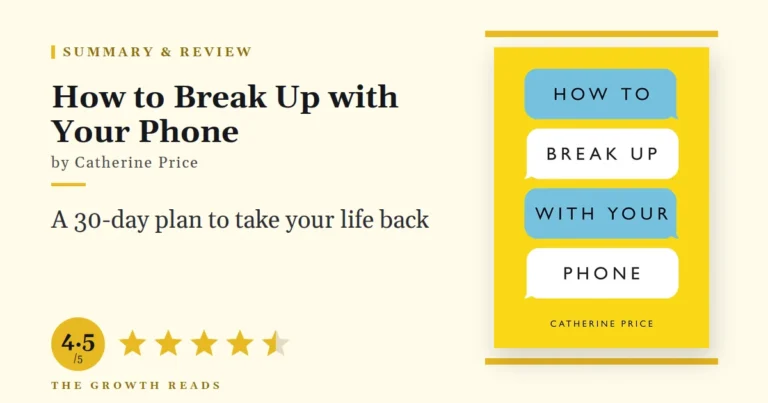
How to Break Up with Your Phone is Catherine Price’s 30-day plan to stop using your smartphone like a slot machine — keep the tool, change the relationship.