
Das Kapital Summary & Review: See How Profit Is Really Made
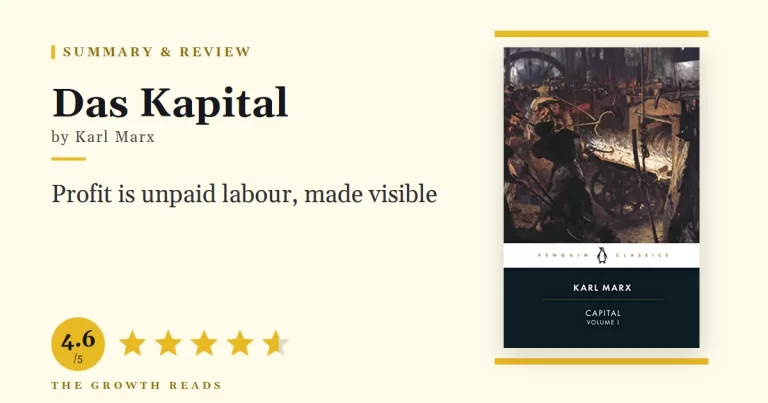
Marx's 1867 map of how a commodity hides labour, how money becomes capital, and why profit is surplus time. A practical reading of Volume I you can use at work.

Marx's 1867 map of how a commodity hides labour, how money becomes capital, and why profit is surplus time. A practical reading of Volume I you can use at work.
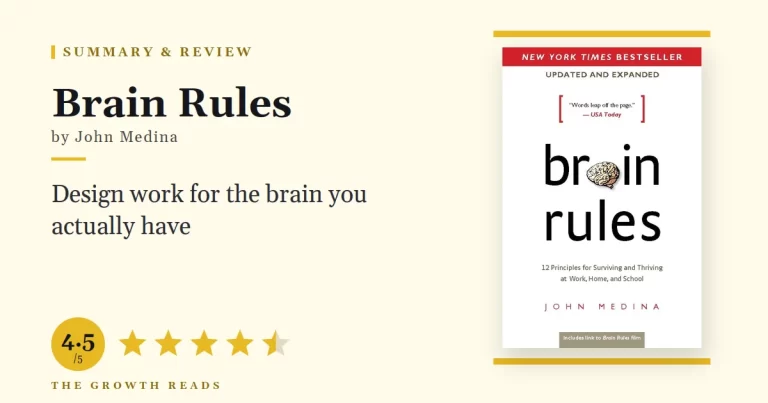
Brain Rules summary: John Medina’s 12 principles for how attention, memory, sleep, and exercise actually run your workday. Takeaways, 7-day plan, FAQs.
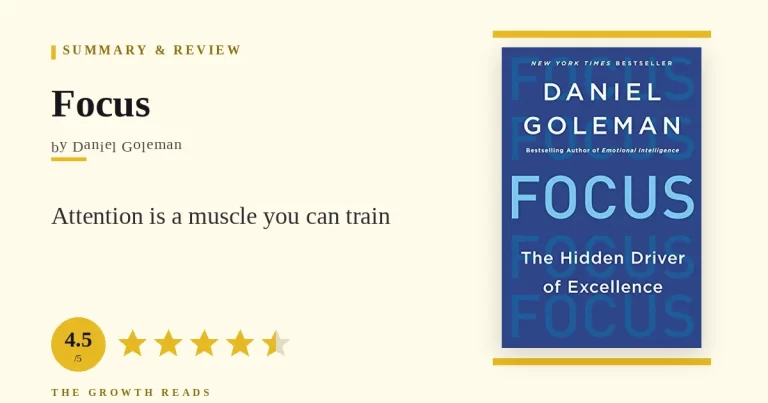
Focus summary: Daniel Goleman shows attention is a muscle you can train — inner, other, and outer focus. Key takeaways, a 7-day apply plan, and FAQs today.
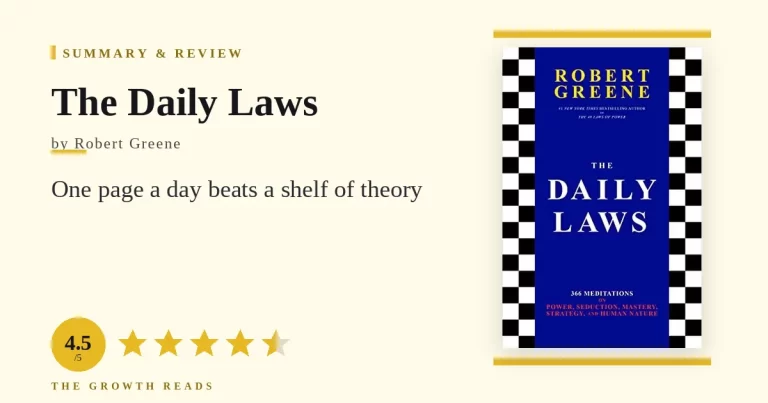
The Daily Laws summary: Robert Greene turns mastery, power, and human nature into 366 daily pages you can spend. Key takeaways, a 7-day apply plan, and FAQs.
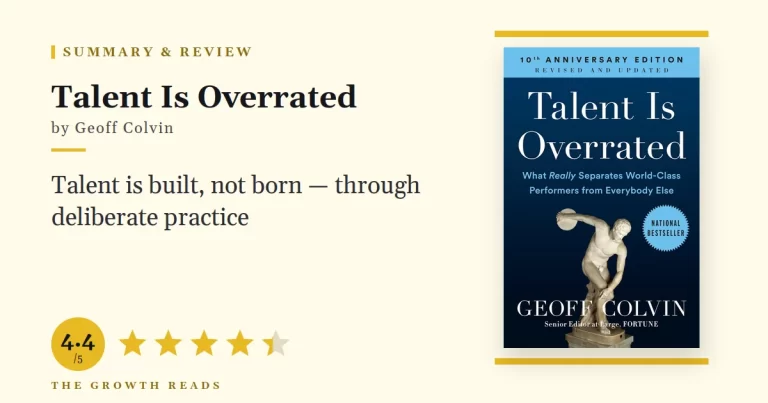
Talent Is Overrated summary: Geoff Colvin shows world-class skill comes from deliberate practice, not a gift. Key takeaways, a 7-day apply plan, and FAQs.
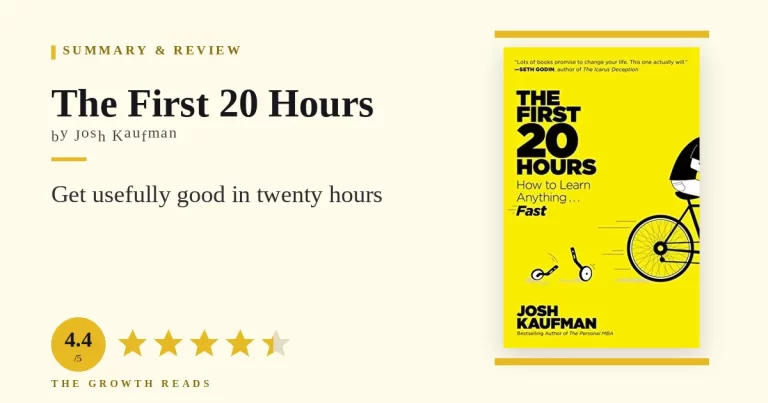
The First 20 Hours summary: Josh Kaufman’s method for getting usefully good at any skill in twenty hours of focused practice — deconstruct, remove barriers, push through the frustration barrier.
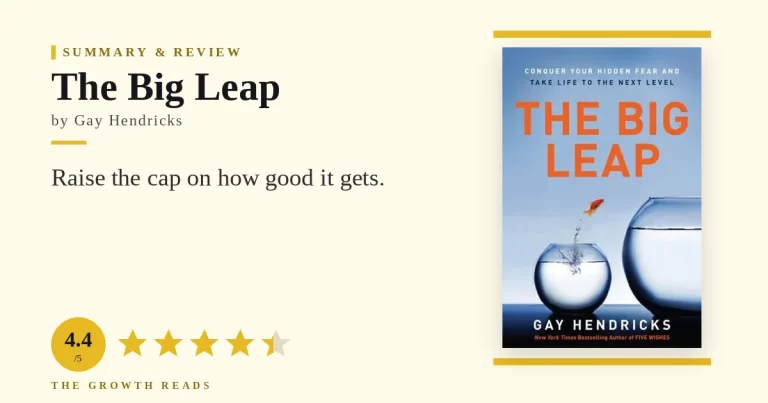
The Big Leap summary: Gay Hendricks’s Upper Limit Problem and Zone of Genius, plus a 7-day plan to raise how much success you allow yourself. Rated 4.4/5.
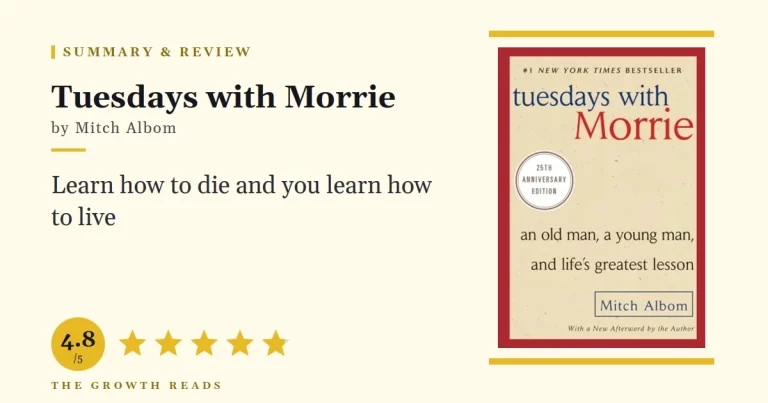
Tuesdays with Morrie summary: Mitch Albom’s fourteen Tuesday visits with Morrie Schwartz on love, death, and how to live while you still have time left.
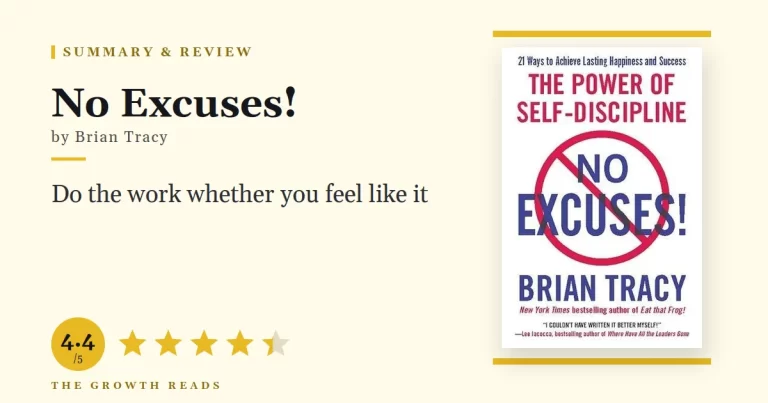
No Excuses! summary: Brian Tracy’s 21-chapter self-discipline playbook — do it whether you feel like it — plus key takeaways, a 7-day apply plan, and FAQs.
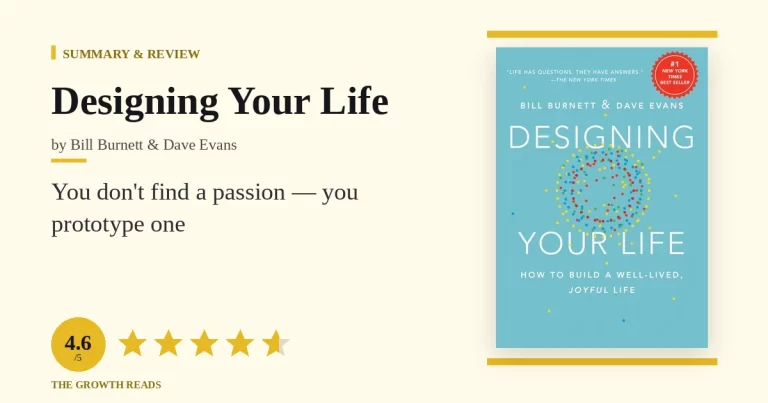
Designing Your Life summary: Burnett and Evans replace 'find your passion' with Odyssey Plans, prototypes, and a 7-day plan to design a life that fits.

Big Magic summary: Elizabeth Gilbert’s stance on creative living beyond fear, plus a 7-day plan to let fear ride and still make the thing. Rated 4.5/5.

Rhonda Byrne's Law of Attraction: why the feeling you dwell in becomes the week you get, plus Ask-Believe-Receive and a 7-day plan you can start today.