
We read and scored the most influential health and wellness books — these 20 are the ones that actually change how you sleep, eat, move, and age. Every title was ranked with the same transparent 5-point rubric: lasting impact, evidence quality, practical application, writing, and reader consensus. Each links to a free in-depth summary with an action plan. These books are education, not medical advice — use them to ask your doctor better questions, not to replace one. Whether you’re picking your first health read or hunting the one book you somehow missed, start here.
The 24 Best Health Books, Ranked
Counting down from #22 to our #1 pick. Each book links to a free, in-depth summary.
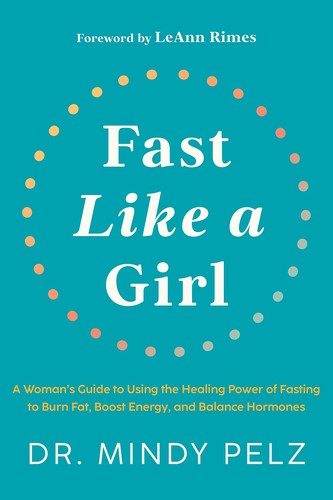
Fast Like a Girl
Dr. Mindy Pelz
★★★★☆4.5/5
A fasting guide built around a woman’s monthly hormone cycle, not a rigid daily clock, pairing four cycle phases with two eating styles to balance hormones and burn fat sustainably.
Pelz argues that most fasting advice was developed on male subjects and applied to women anyway, often spiking cortisol and disrupting hormones instead of helping. Her fix is cycle-syncing: fast harder in the Power Phase (Days 1-10) when estrogen is climbing, and ease off completely in the Nurture Phase before a period. She pairs this with Ketobiotic and Hormone Feasting eating styles, a 30-day reset, and goal-specific protocols for weight loss, gut healing, and longevity. It rounds out our list because it fills a real gap other fasting books leave open.
Best for: Women who’ve tried standard fasting and found it left them tired, moody, or stalled
“Once a woman knows how to build a fasting lifestyle around her cycle, she becomes unstoppable.”
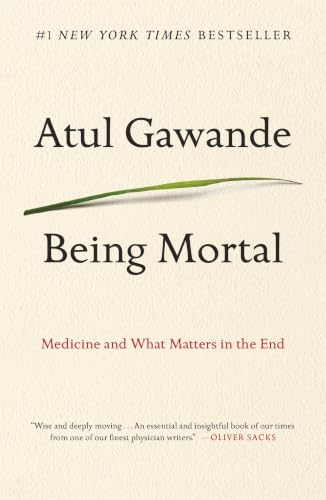
Being Mortal
Atul Gawande
★★★★★4.7/5
A surgeon’s unflinching account of aging and dying argues that protecting what makes life worth living matters more than simply extending it.
Gawande traces how modern elder care evolved to prioritize safety over autonomy, then shows what changes when caregivers ask patients what they actually want. The book’s history of nursing homes, the invention of assisted living, and a landmark palliative-care study make a rigorous, non-sentimental case that comfort-focused care can sometimes extend life as well as improve it. It closes with his own father’s death, showing exactly how to have the conversation most families avoid until it’s too late. It rounds out our top 22 because its lessons apply to nearly every family eventually.
Best for: Anyone facing a parent’s decline, a serious diagnosis, or their own mortality
“We want autonomy for ourselves and safety for those we love.”
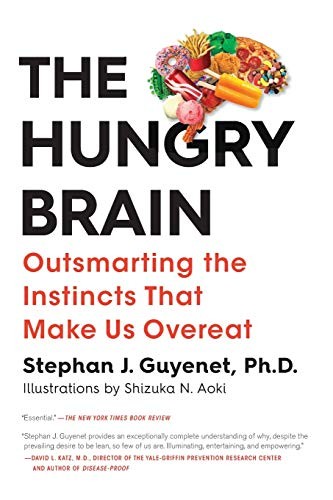
The Hungry Brain
Stephan J. Guyenet, PhD
★★★★½4.6/5
A neuroscientist’s plain-language explanation of why hyperpalatable food overrides willpower, and why appetite is a brain circuit, not a character flaw.
Guyenet draws on over a decade of hypothalamic appetite research to show that eating is governed by a defended fat “set point,” not conscious choice, and that hyperpalatable, engineered food hijacks the same reward circuitry that once kept ancestral eating in check. Its core insight — that environment beats willpower — makes it an essential companion to any diet-focused book on this list, explaining the neuroscience underneath why diets are hard to sustain.
Best for: Readers who’ve tried willpower-based diets and want the brain-science explanation for why they’re hard to sustain.
“The brain, not the stomach, is the real seat of appetite.”

Why Zebras Don’t Get Ulcers
Robert M. Sapolsky
★★★★½4.7/5
A Stanford neuroscientist’s deep, often funny explanation of why the stress response built for a zebra outrunning a lion backfires when humans aim it at everyday psychological worry.
Sapolsky walks through the HPA axis and sympathetic nervous system to show how acute stress is meant to switch on hard and off fast, then details how chronic activation quietly damages the cardiovascular, digestive, immune, metabolic, and reproductive systems — plus memory, mood, and cognition. The book closes with the psychological levers (control, predictability, outlets, social support) that measurably determine how much a given stressor costs the body. It’s a strong entry in our top 22 because it’s the essential “why” underneath nearly every other book on this list — sleep, food, exercise, and trauma all run through the same stress machinery Sapolsky explains here.
Best for: Readers who want the biological “why” behind their stress symptoms before diving into coping techniques
“For the vast majority of beasts on this planet, stress is about a short-term crisis, after which it’s either over with or you’re over with.”
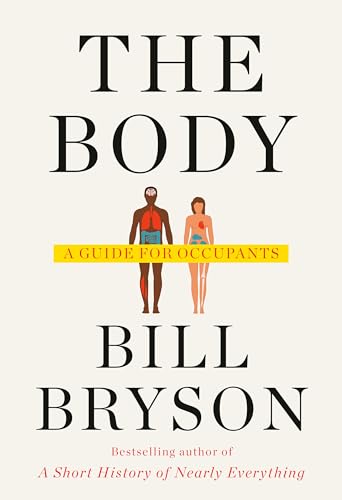
The Body
Bill Bryson
★★★★½4.5/5
A witty, wonder-filled tour of every organ, system, and cell that keeps you alive — written by one of the world’s finest science communicators.
Bryson tours the human body system by system — from skin and bones to brain and immune cells — weaving astonishing facts, medical history, and his trademark humor into a narrative that makes you marvel at the improbable machine you inhabit. The 37.2 trillion cells, 100,000 miles of blood vessels, and roughly 3.5 billion heartbeats in a lifetime come alive through Bryson’s gift for making the invisible vivid. It’s less prescriptive than the rest of this list, which is exactly why it earns its spot: context and wonder are their own kind of motivation.
Best for: Curious generalists, science enthusiasts, and anyone who wants to appreciate the extraordinary body they take for granted
“We are extremely good at being remarkable and almost entirely oblivious to it.”
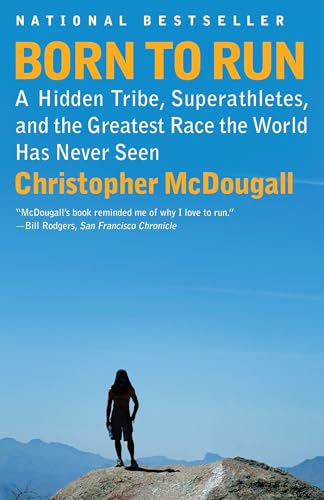
Born to Run
Christopher McDougall
★★★★½4.3/5
Part adventure story, part biomechanics manifesto — McDougall embeds a radical argument against modern running shoes inside a gripping narrative about Mexico’s Tarahumara tribe.
McDougall travels to Mexico’s Copper Canyons to find the Tarahumara, an indigenous tribe whose members run 50 to 100 miles in thin sandals, injury-free, into old age. Along the way he uncovers Harvard research showing humans evolved specifically for endurance running, and that cushioned shoes may cause the very injuries they claim to prevent. It’s the most purely enjoyable read on this list — the book to hand someone who wants the science of movement wrapped in a story they won’t put down.
Best for: Runners of all levels, movement enthusiasts, and anyone who loves narrative non-fiction with a rebellious thesis
“We are all, in a very real sense, born to run.”
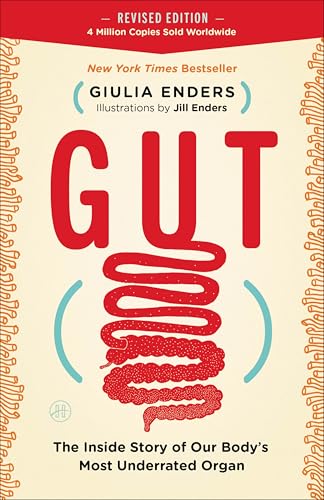
Gut
Giulia Enders
★★★★☆4.2/5
A witty, surprisingly charming tour of the digestive system — from how you swallow to why your microbiome controls your mood, immunity, and weight.
German microbiologist Enders makes gastroenterology genuinely entertaining while delivering serious science about the enteric nervous system (your “second brain”), the gut-brain axis, the microbiome, and practical habits for digestive health. The book explains why roughly 90% of the body’s serotonin is made in the gut, how antibiotics damage bacterial diversity, and what simple changes can transform digestion — all in a package short and funny enough that it’s the book we recommend to readers intimidated by denser science titles on this list.
Best for: Curious readers who want to understand digestion without a medical textbook, and anyone dealing with digestive issues
“Ninety percent of the body’s serotonin is produced in the gut — not the brain.”
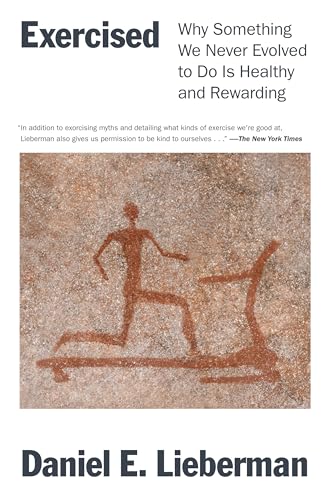
Exercised
Daniel Lieberman, PhD
★★★★☆4.1/5
A Harvard evolutionary biologist dismantles exercise myths and reveals why we never evolved to work out — but why doing it anyway is the single best thing you can do for your health.
Lieberman (the scientist behind much of Born to Run’s research) combines evolutionary biology, fieldwork with hunter-gatherers, and clinical research to explain why exercise feels hard (it’s adaptive, not laziness), why running doesn’t ruin your knees (it strengthens them), and why 10,000 steps is a marketing invention rather than a scientific threshold. His conclusion — 150 minutes of weekly walking plus two strength sessions is the minimum effective dose — is one of the most quietly reassuring prescriptions on this list.
Best for: Anyone struggling with exercise motivation, fitness skeptics, and readers who want the evolutionary science behind why movement matters
“We didn’t evolve to exercise — which is exactly why we now have to choose to.”

The Comfort Crisis
Michael Easter
★★★★½4.5/5
A compelling, research-backed case that modern comfort is slowly destroying our health, and that strategically reintroducing discomfort is the antidote.
Easter blends his own 33-day Arctic hunting expedition with evolutionary biology and cutting-edge research to show that our bodies need physical challenge, cold, hunger, boredom, and wild nature the way muscles need resistance. His practical frameworks — the 20-5-3 nature rule, rucking, an annual Misogi challenge — make the science immediately actionable without requiring an extreme lifestyle change, which is exactly the kind of realistic prescription that keeps it in our top 15.
Best for: Anyone feeling physically stagnant or emotionally numb despite material comfort
“The further we get from discomfort, the harder it becomes to face — and the less equipped we are to handle life’s inevitable difficulties.”
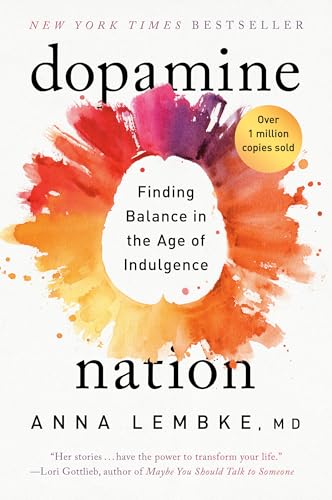
Dopamine Nation
Anna Lembke, MD
★★★★½4.3/5
Stanford psychiatrist Anna Lembke explains why we live in a world of unprecedented pleasure access — and why it is making us miserable.
Through the pleasure-pain balance model, Lembke shows how chronic overstimulation from food, screens, and substances tips the brain toward anxiety and numbness, and how a structured 30-day dopamine fast can restore your ability to enjoy simple pleasures. It ranks here because it’s the clearest bridge on this list between addiction psychiatry and everyday overconsumption — the book to reach for when the problem isn’t what you eat, but how compulsively you reach for anything that spikes dopamine.
Best for: Anyone struggling with compulsive screen use, overconsumption, or chronic dissatisfaction
“To restore balance, we may first need to abstain from the pleasurable substance or behavior altogether.”

In Defense of Food
Michael Pollan
★★★★½4.4/5
Seven words that can change your health: “Eat food. Not too much. Mostly plants.”
Pollan argues that the Western diet’s obsession with individual nutrients rather than whole foods — what he calls “nutritionism” — has made us less healthy, not more. He traces how the food industry hijacked nutrition science to sell processed products, shows why traditional food cultures outperform ours despite wildly different diets, and offers a refreshingly simple set of rules for eating well. It cuts through decades of confusing dietary advice with one clear principle, which is why it remains one of the most quoted health books ever written.
Best for: Anyone overwhelmed by nutrition advice who wants a simple, research-backed framework for eating well
“Eat food. Not too much. Mostly plants.”
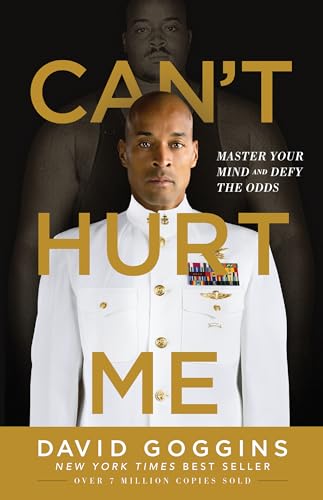
Can’t Hurt Me
David Goggins
★★★★½4.5/5
Physical transformation as the path to mental strength — Goggins lost 106 pounds in three months and became an endurance icon.
The story argues the body is the training ground of the mind: the “40% rule” (when your mind says stop, you have 60% left), the Cookie Jar method of drawing on past victories, and the Accountability Mirror all apply to your next workout as much as your career. Where most books on this list give you a study, Goggins gives you a demonstration — which is exactly why it’s the book we recommend to anyone who needs proof, not just theory, that radical physical change is possible.
Best for: Anyone needing proof that radical physical change is possible, and a push to actually start
“When you think you’re done, you’re only actually 40 percent done.”
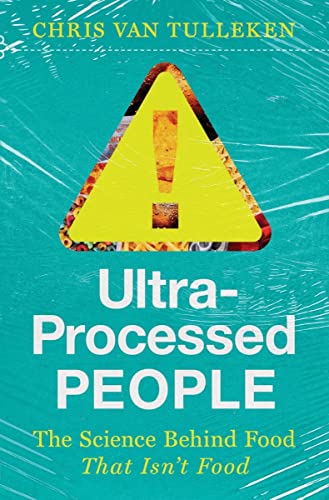
Ultra-Processed People
Chris van Tulleken
★★★★½4.4/5
A doctor eats nothing but ultra-processed food for a month, gains weight rapidly, then dismantles the science of how the food industry engineers addiction — the most important nutrition book of the decade.
Van Tulleken combines his own self-experiment, the landmark NIH Hall study, and food-industry exposes to show that roughly 60% of Western calories come from industrial products engineered to override appetite signals. The book explains the food matrix, emulsifier gut damage, bliss-point engineering, and why obesity is a systemic problem rather than a personal failing. It’s ranked just outside our top ten because, while urgent and rigorous, its scope is narrower than the whole-of-health books above it.
Best for: Anyone who eats packaged food, parents making food decisions, and readers who want to understand the systemic side of the obesity epidemic
“If it’s wrapped in plastic and has an ingredient in it you wouldn’t find in a home kitchen, there’s a good chance it’s ultra-processed.”

Glucose Revolution
Jessie Inchauspé
★★★★½4.4/5
Ten simple, science-backed hacks for flattening blood sugar curves that reduce cravings, boost energy, and improve long-term health — no dieting required.
Biochemist Jessie Inchauspé uses continuous glucose monitor data to prove that the order in which you eat matters more than what you eat. Her most powerful hack — eating fiber first, then protein and fat, then starches last — can reduce a meal’s glucose spike by up to 75%. Add the vinegar trick, savory breakfasts, post-meal walks, and never eating carbs “naked,” and you have a complete metabolic-health toolkit that works within days, which is why it cracks the top ten despite being one of the newest books on this list.
Best for: Anyone experiencing energy crashes, cravings, or brain fog who wants to improve metabolic health without restrictive diets
“It’s not what you eat that matters most — it’s the order in which you eat it.”
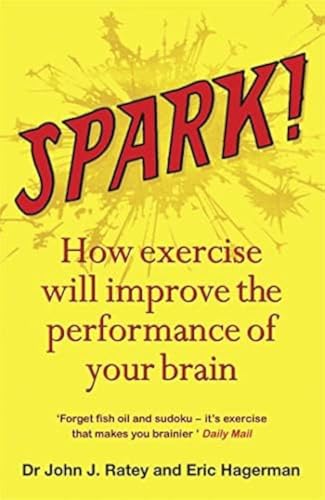
Spark
John J. Ratey, MD
★★★★½4.4/5
The definitive neuroscience case that exercise is the most powerful tool for brain health — rivaling antidepressants, improving focus, and preventing cognitive decline.
Harvard psychiatrist John Ratey presents overwhelming evidence that aerobic exercise triggers BDNF (“Miracle-Gro for the brain”), reduces anxiety as effectively as medication, combats depression with lower relapse rates than SSRIs, and improves ADHD focus for two to three hours. The Naperville school experiment is the book’s most cited proof point: students who exercised vigorously before class ranked first globally in science. The prescription is simple — 30 to 45 minutes of vigorous cardio, five to six days a week — which is why this earns a top-ten spot as the definitive brain-and-exercise book.
Best for: Anyone who wants a science-based reason to move daily, or who deals with stress, anxiety, depression, or ADHD
“Exercise is the single best thing you can do for your brain, in terms of mood, memory, and learning.”
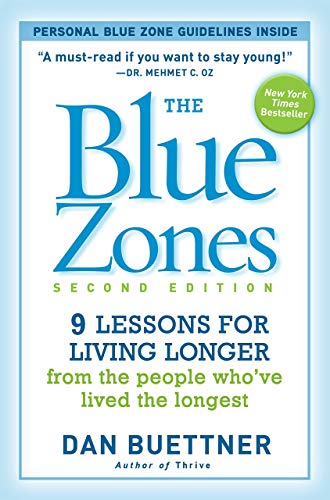
The Blue Zones
Dan Buettner
★★★★½4.4/5
A National Geographic explorer distills decades of fieldwork in five longevity hotspots into nine simple, evidence-backed habits that add years to your life — no biohacking required.
Buettner studied five communities where people regularly live past 100 — Okinawa, Sardinia, Nicoya, Ikaria, and Loma Linda — and found nine shared lifestyle habits (the “Power 9”) spanning natural movement, plant-heavy eating, purpose, stress management, and social connection. The book’s thesis is radical in its simplicity: longevity is not about willpower or genetics but about designing your surroundings so the healthy choice is the easy one. It’s the most approachable longevity book on this list — no supplements, no protocols, just environment design.
Best for: Anyone who wants a grounded, evidence-based approach to living longer without extreme diets or expensive supplements
“The world’s longest-lived people don’t pursue fitness — it happens as a side effect of the way they’ve organized their lives.”
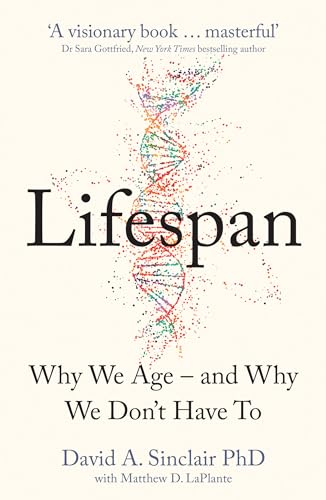
Lifespan
David Sinclair, PhD
★★★★½4.6/5
Aging reframed as a single, treatable disease, backed by Harvard lab research — the most science-forward pick on this list.
Geneticist David Sinclair argues that aging is not an unavoidable decline but a single, addressable process, and lays out the cellular science behind it: an “information theory” of aging, the four hormesis levers (fasting, exercise, cold exposure, lower protein) that slow it today, and the emerging biotech — senolytics, cellular reprogramming — aimed at reversing it tomorrow. Where Outlive and The Blue Zones tell you what to do, Lifespan tells you why it works at the level of your cells, which is exactly why we rank it just behind the more practical, day-to-day playbooks.
Best for: Readers who want the biology behind the habits, and anyone curious about the future of longevity medicine
“Aging is a disease, and that disease is treatable.”
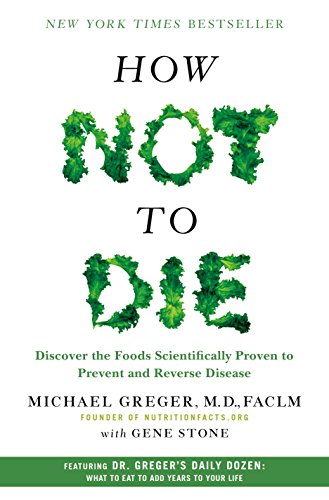
How Not to Die
Michael Greger, M.D.
★★★★½4.3/5
The most thoroughly cited nutrition book on this list, making a compelling case that the top killers are preventable through whole-food, plant-based eating.
Greger reviews the peer-reviewed evidence for each of the fifteen leading causes of death and shows how specific foods can prevent, halt, and sometimes reverse them. His Daily Dozen checklist transforms the science into a practical daily practice — twelve categories of foods and activities to include every day — and the traffic-light system (green/yellow/red) simplifies grocery decisions. The additive framing (“add more plants” rather than “eliminate everything”) is psychologically easier than restriction, which is exactly why it sticks longer than most diet books.
Best for: Anyone with a family history of heart disease, cancer, or diabetes who wants evidence-based nutrition guidance
“Poor diet is the leading cause of premature death in America — killing more people than smoking.”
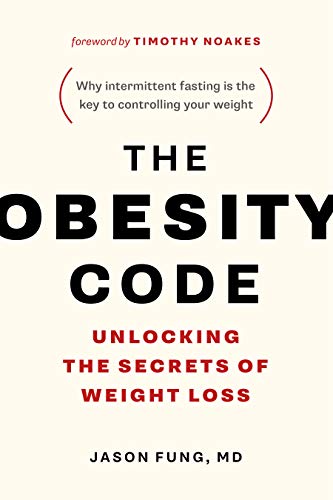
The Obesity Code
Dr. Jason Fung
★★★★½4.6/5
Reframes weight loss as a hormone problem, not a willpower problem — one of the few health bestsellers that explains the biology behind a popular protocol instead of just prescribing it.
Toronto nephrologist Jason Fung argues that obesity is driven by chronically elevated insulin, not calorie counting. Refined carbs, sugar, and constant snacking keep insulin high enough that the body never gets the signal to release stored fat. His fix is intermittent fasting — giving insulin regular, deliberate breaks so it can fall and fat can flow back out of storage — paired with a whole-food, low-refined-carb diet. It ranks this high because it gave an entire generation of dieters the hormonal “why” behind a protocol they’d only ever been told to follow blindly.
Best for: Anyone who’s regained weight after dieting, and prediabetics who want the hormonal case for fasting
“Obesity is a hormonal, not a caloric, disorder — fundamentally a problem of insulin, not willpower.”
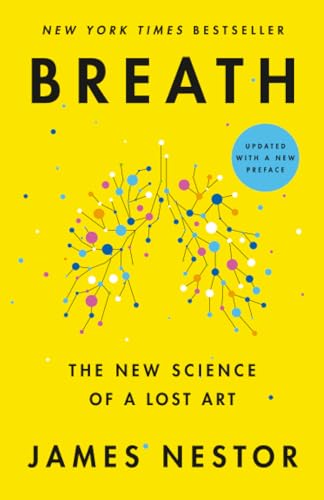
Breath
James Nestor
★★★★½4.4/5
A riveting investigation showing that changing how you breathe — through your nose, more slowly — can transform sleep, blood pressure, anxiety, and athletic performance.
Nestor’s Stanford self-experiment is the book’s dramatic centerpiece: ten days of forced mouth breathing produced hypertension, severe snoring, and sleep apnea; switching to nasal breathing reversed every metric within days. He traces how modern soft diets shrank human jaws and airways over generations, then profiles ancient and modern breathing techniques now validated by current science. What earns Breath its spot this high is how completely it reframes something you do 25,000 times a day as the most overlooked lever in health — free, always available, and almost nobody does it right.
Best for: Snorers, anxiety sufferers, athletes, and anyone curious about the most overlooked health lever
“There is no supplement, no hack, no biological shortcut. There is only breath.”
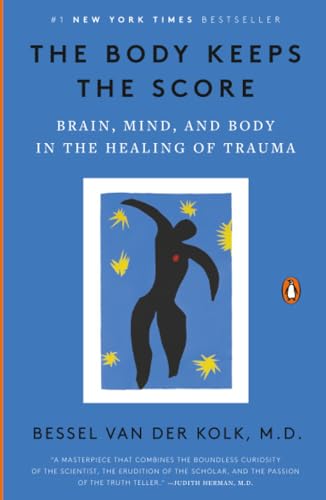
The Body Keeps the Score
Bessel van der Kolk, MD
★★★★½4.6/5
A psychiatrist and trauma-research pioneer makes the case that trauma isn’t just a psychological event — it physically reshapes the brain and nervous system, and healing has to work through the body, not just the mind.
Van der Kolk spent four decades treating combat veterans, abuse survivors, and refugees, and this book distills that clinical experience alongside neuroimaging research into a single thesis: talk therapy alone often cannot reach trauma stored in the body’s threat-response systems. He walks through why traditional exposure therapy sometimes fails and profiles body-based approaches — EMDR, yoga, neurofeedback, theater — that access what language cannot. It belongs this high because no other book on this list changed how an entire generation of clinicians treats PTSD, and its influence on the health and wellness conversation has been enormous.
Best for: Trauma survivors, and anyone whose chronic stress or anxiety hasn’t responded to talk therapy alone
“Trauma is not just an event that took place sometime in the past; it is also the imprint left by that experience on mind, brain, and body.”
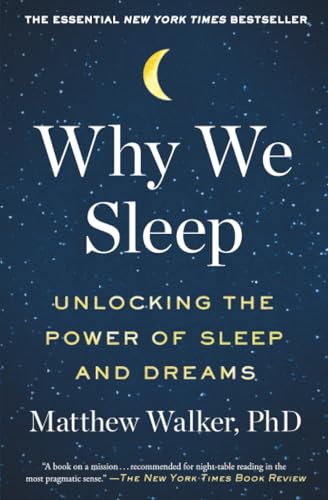
Why We Sleep
Matthew Walker, PhD
★★★★½4.4/5
The book that made the world take sleep seriously again — and the single most important corrective to modern health culture’s obsession with diet and exercise while ignoring sleep entirely.
Berkeley neuroscientist Matthew Walker shows that sleep is the foundation underneath every other health habit on this list: deep sleep consolidates memory and clears metabolic waste from the brain, REM sleep regulates emotion and creativity, and chronic short sleep (under seven hours) measurably degrades your immune system, cardiovascular system, and cognition. What makes this the #2 pick is how actionable the fixes are — a fixed wake time, a cool dark room, and a caffeine curfew cost nothing and work almost immediately. No health book on this list has a higher ratio of “science you didn’t know” to “changes you can make tonight.”
Best for: Anyone running on six hours of sleep and calling it enough
“Sleep is the single most effective thing we can do to reset our brain and body health each day — Mother Nature’s best effort yet at contra-death.”
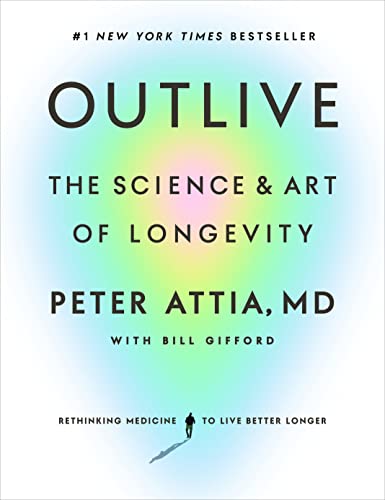
Outlive
Peter Attia, MD
★★★★½4.3/5
Peter Attia’s longevity manual reframes health as decades-ahead prevention against the four horsemen: heart disease, cancer, metabolic disease, and neurodegeneration.
Attia, a Stanford-trained physician, argues that “Medicine 2.0”—the reactive, wait-until-you’re-sick model most of us grew up with—is unequipped to fight the chronic diseases that actually kill us. His “Medicine 3.0” replaces it with a personalized, data-driven playbook: Zone 2 cardio and VO2 max training as the single most powerful longevity levers, a strength and stability program built around the “Centenarian Decathlon” (the physical tasks you want to still perform at 100), and equal weight given to nutritional biochemistry, sleep, and emotional health. No other book on this list is this comprehensive, or this rigorously argued — it’s the one we recommend first to almost everyone.
Best for: Anyone who wants their last decade to look like their prime, not their worst
“It’s far easier to picture what we want our final decade to look like than it is to identify what we need to do, starting today, to make that vision a reality.”
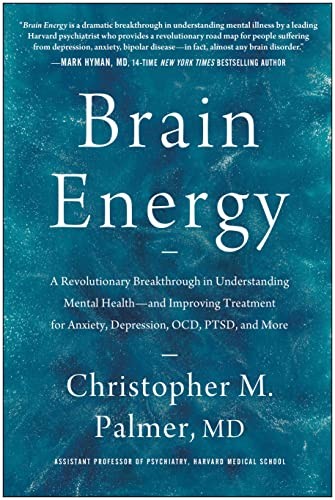
Brain Energy
Christopher M. Palmer, MD
★★★★½4.5/5
A Harvard psychiatrist’s case that most mental illness shares one root cause: impaired brain energy metabolism.
Palmer draws on 25+ years of clinical psychiatry and mitochondrial biology to argue that depression, anxiety, bipolar disorder, and even schizophrenia converge on a single mechanism — cells that can’t produce or regulate energy properly. The book pairs that theory with a practical, drug-free toolkit (diet, sleep, exercise, stress reduction) that supports standard psychiatric treatment rather than replacing it.
Best for: Anyone who has felt let down by a single explanation for their mental health, and clinicians curious about metabolic psychiatry
“Mental disorders are metabolic disorders of the brain.”
How to Choose Your First Health Book
Not sure where to begin? Match the book to what’s actually bothering you right now — one book applied beats ten books skimmed.
Still unsure? Preview any book with our free in-depth summaries — test-drive the ideas in fifteen minutes before committing to three hundred pages.
Recommended Reading Paths
Not sure where to start? Pick the path that matches where you are right now.
🌱 The Longevity Path
Playing the long game? Read these five in order — from the full framework down to the cellular science.
😴 The Sleep & Recovery Path
If stress, poor sleep, or old trauma are the real bottleneck, these five tackle it from every angle.
🍽️ The Nutrition Reset Path
Overwhelmed by conflicting diet advice? These five will give you a research-backed framework instead of another fad.
More Top-Rated Books
High-scoring books just outside the top 22 — each links to our full summary and review.
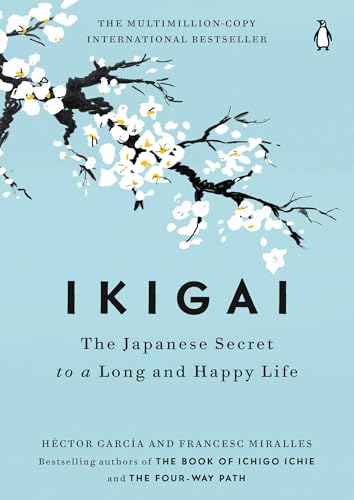 Ikigai
Héctor García & Francesc Miralles
★★★★☆ 4.1
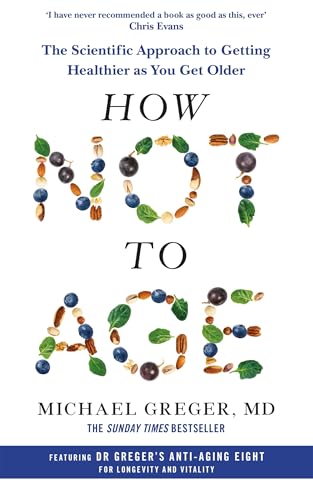 How Not to Age
Michael Greger, M.D.
★★★★½ 4.6
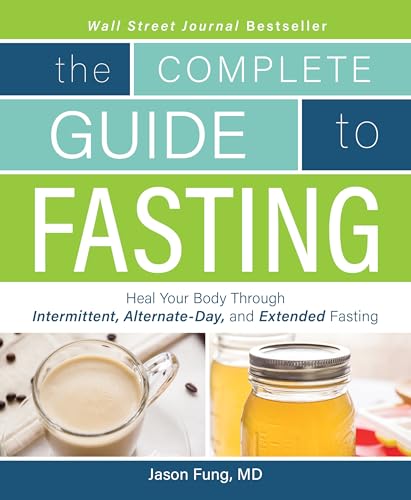 The Complete Guide to Fasting
Dr. Jason Fung
★★★★½ 4.4
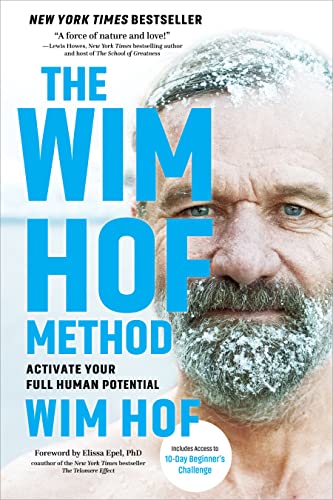 The Wim Hof Method
Wim Hof
★★★★½ 4.3
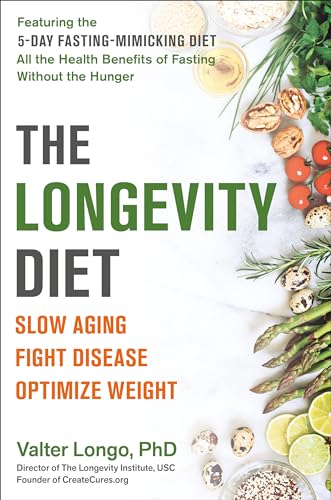 The Longevity Diet
Valter Longo
★★★★☆ 4.2
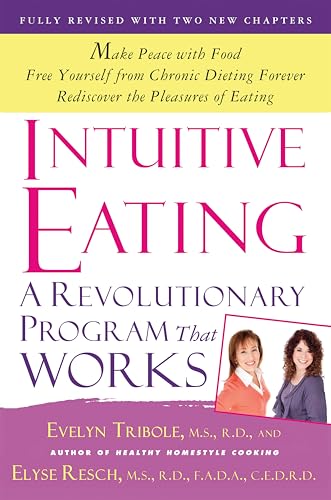 Intuitive Eating
Evelyn Tribole & Elyse Resch
★★★★☆ 4.2
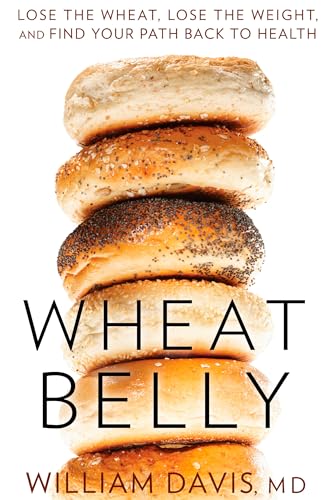 Wheat Belly
William Davis
★★★★☆ 4.2
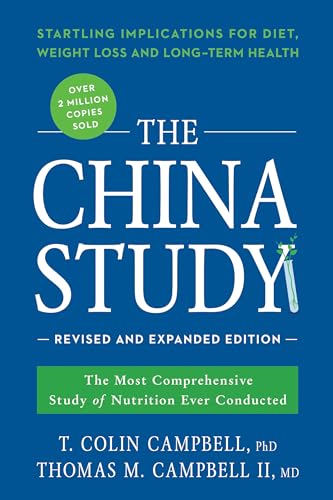 The China Study
T. Colin Campbell, PhD
★★★★☆ 4.0
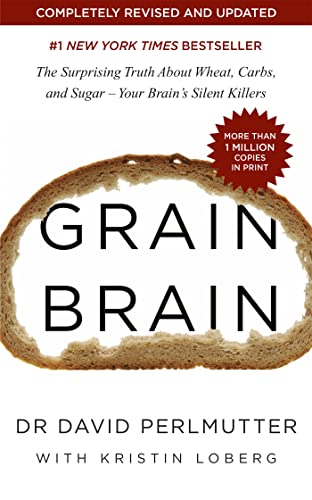 Grain Brain
David Perlmutter, MD
★★★★☆ 4.0
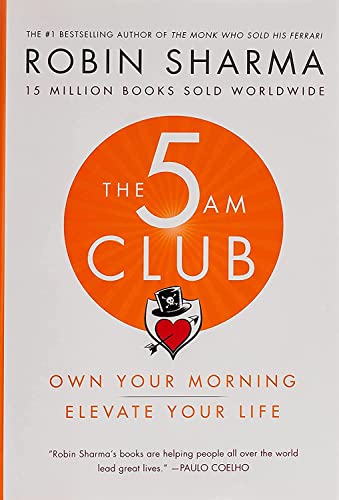 The 5 AM Club
Robin Sharma
★★★★☆ 4.0
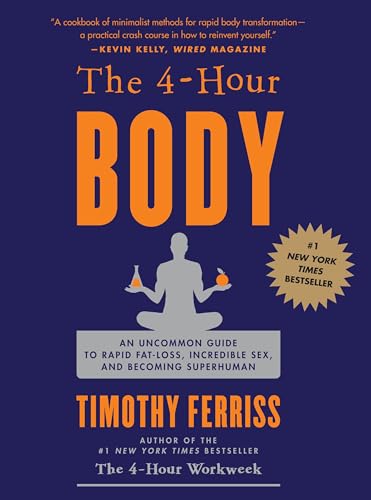 The 4-Hour Body
Tim Ferriss
★★★★☆ 4.1
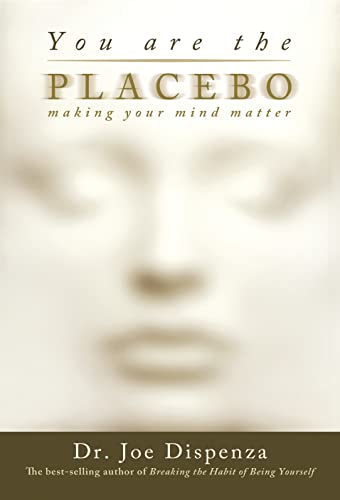 You Are the Placebo
Joe Dispenza
★★★★☆ 4.1
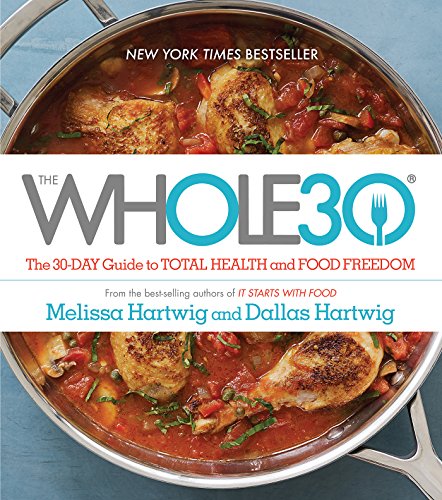 The Whole30
Melissa Urban & Dallas Hartwig
★★★★★½ 4.6
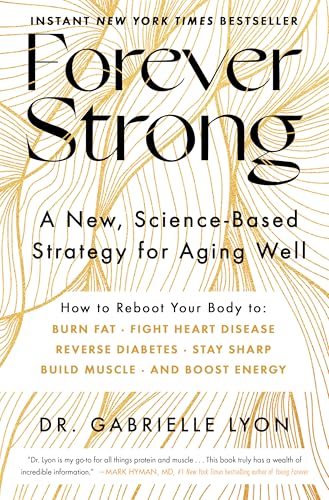 Forever Strong
Gabrielle Lyon
★★★★★ 4.6
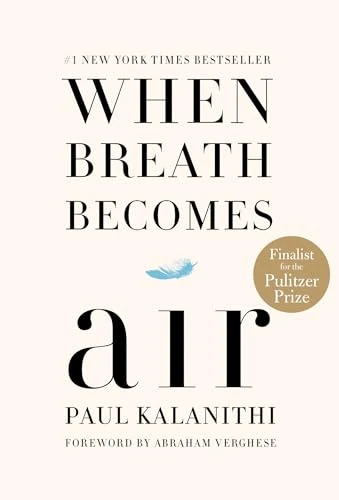 When Breath Becomes Air
Paul Kalanithi
★★★★★ 4.7
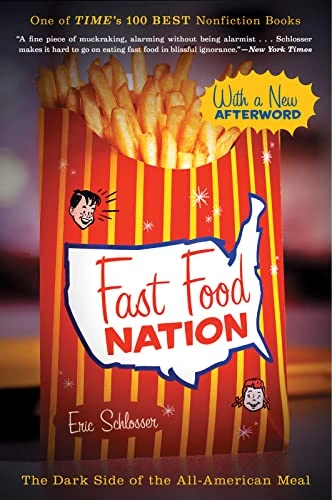 Fast Food Nation
Eric Schlosser
★★★★★ 4.5
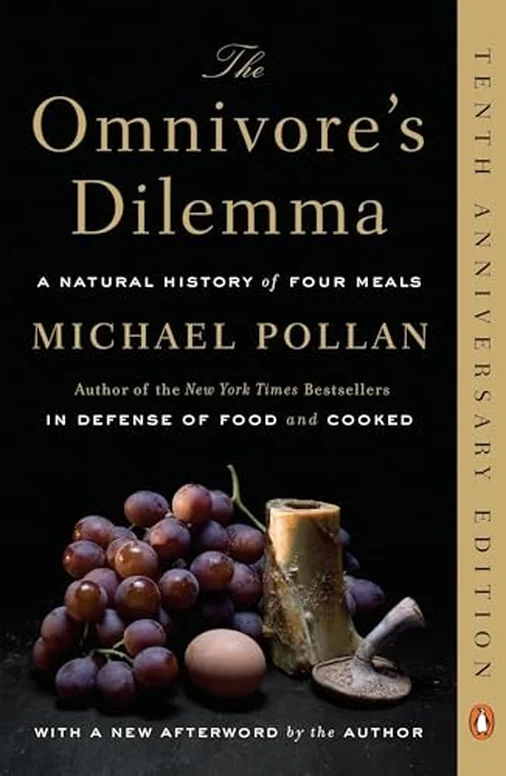 The Omnivore’s Dilemma
Michael Pollan
★★★★★ 4.6
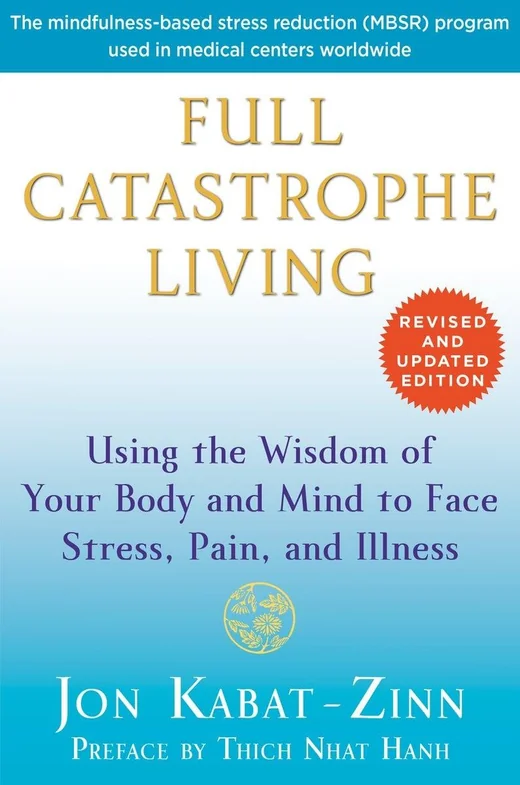 Full Catastrophe Living
Jon Kabat-Zinn
★★★★★ 4.6
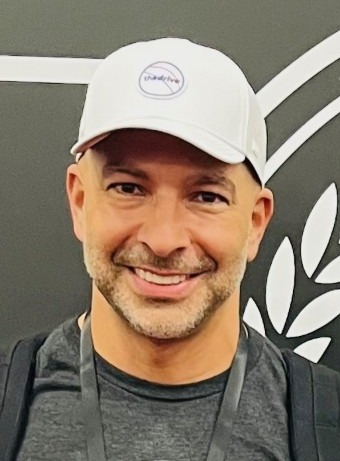
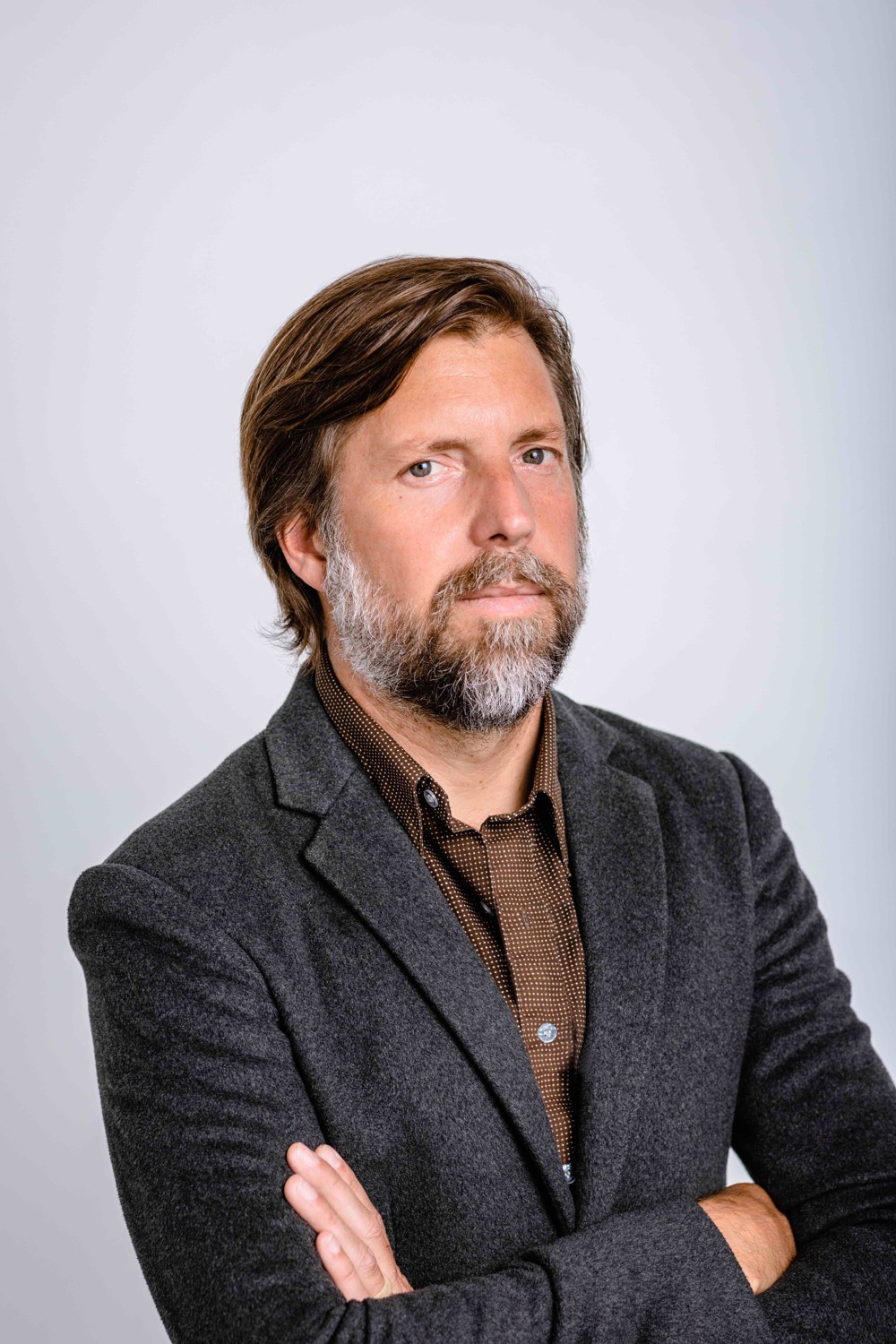
The Authors Behind These Books
The researchers, physicians, and journalists who shaped modern health and wellness thinking.

Best Books by Category
Ready to go deeper on one area? Each category page ranks the best books on that topic — all with free summaries.
How We Rank: The 5-Point Rubric
Every book on The Growth Reads is evaluated against five weighted criteria. This isn’t a popularity contest — it’s a rubric designed to surface the books that actually change how people sleep, eat, move, and age.
Lasting Impact
Does this book change daily behavior months and years after reading, or just during a motivated week?
Evidence Quality
Is the health advice grounded in peer-reviewed research and clinical data — or just anecdotes and self-experimentation?
Practical Application
Can you start applying the protocol today, or does it require a lab, a coach, or a complete lifestyle overhaul?
Writing & Originality
Is it well-written and engaging, and does it bring genuinely new science or framing to the conversation?
External Consensus
How do physicians, researchers, and the broader reading community rate this book’s claims and usefulness?
We re-evaluate rankings annually as new research publishes and older claims get revisited. Every book listed here has a free in-depth summary on our site, so you can preview the ideas before committing to the full read. These summaries are educational content, not medical advice — always talk to a doctor about your specific health situation. Read the full methodology →
Frequently Asked Questions
What is the #1 best health book of all time?
Based on our five-criteria rubric — lasting impact, evidence quality, practical application, writing originality, and expert consensus — Outlive by Dr. Peter Attia is the #1 best health book of all time. It is the most comprehensive modern health book available, covering exercise, nutrition, sleep, and emotional health through the lens of preventing the diseases most likely to kill you, with specific, actionable protocols for each. Read our full Outlive summary →
What health books do doctors and longevity experts actually read?
Physicians and longevity researchers tend to gravitate toward the most evidence-dense titles on this list: Outlive by Peter Attia, Why We Sleep by Matthew Walker, Lifespan by David Sinclair, and How Not to Die by Michael Greger all cite hundreds of peer-reviewed studies rather than anecdote. Why Zebras Don’t Get Ulcers by Robert Sapolsky is also a perennial favorite among clinicians for explaining the biology of stress.
Is Can’t Hurt Me a health book?
Yes — while Can’t Hurt Me by David Goggins is often shelved under memoir or self-help, its core message is physical: radical body transformation as the training ground for mental toughness. It belongs on a health list because the “40% rule” and the disciplines Goggins describes are fundamentally about exercise, endurance, and pushing past the discomfort that keeps most people sedentary. Read our Can’t Hurt Me summary →
What is the best health book for beginners?
For readers just starting to take their health seriously, we recommend Why We Sleep by Matthew Walker first — it fixes the single most foundational habit with almost no cost or complexity. The Blue Zones by Dan Buettner is an excellent second read because it requires no biohacking or extreme diets, just gentle environment design. Both are approachable even if you have never read a health book before.
How many health books should I read?
Quality beats quantity. We recommend reading 3–5 health books deeply rather than skimming dozens. Start with one foundational book (Outlive or Why We Sleep), one nutrition book (The Obesity Code or In Defense of Food), and one book on stress or trauma (Why Zebras Don’t Get Ulcers or The Body Keeps the Score). The key is not reading more — it is implementing what you read and discussing specifics with your doctor. Our reading paths above are designed for exactly this approach.
What health book should I start with?
Why We Sleep by Matthew Walker is the best first health book for most people. It is accessible, evidence-based, and the fixes cost nothing — you can start applying them the same night you read them. If your priority is nutrition specifically, start with In Defense of Food by Michael Pollan for its simple, memorable rule: eat food, not too much, mostly plants.
Are health books worth reading, or should I just see a doctor?
Both — they are not substitutes for each other. The value of health books is in the application, not the reading, and they work best as education that helps you ask your doctor better questions, not as a replacement for medical advice. A single concept like Attia’s Medicine 3.0 framework or the Obesity Code’s insulin model can reframe years of confusing advice into a plan you can actually discuss with a clinician. Use these books to get informed; use your doctor for diagnosis, bloodwork, and anything involving medication.
Outlive vs. Lifespan — which should I read first?
They are complementary. Outlive by Peter Attia is the practical playbook — specific protocols for exercise, nutrition, sleep, and emotional health you can start using immediately. Lifespan by David Sinclair is the cellular science underneath aging itself — why it happens and what emerging biotech might do about it. Read Outlive first if you want to change your daily habits now. Read Lifespan first if you want the biological “why” before you commit to a protocol.
What health books does Peter Attia recommend?
Peter Attia has publicly praised Why We Sleep by Matthew Walker as essential reading on his podcast, The Drive, and frequently cites Why Zebras Don’t Get Ulcers by Robert Sapolsky when discussing the biology of chronic stress. He has also interviewed David Sinclair, author of Lifespan, about the cellular science of aging on multiple occasions.
What is the best short health book?
Ikigai by Héctor García and Francesc Miralles is the best short health book at under 200 pages — a gentle, philosophy-first read on purpose and longevity from Okinawa. For a short, punchy read on mental toughness and physical transformation, Can’t Hurt Me by David Goggins is longer but reads fast due to its narrative pace. Read our Ikigai summary →
How we analyze books: Every book on The Growth Reads is read cover to cover, summarized in 3,000–4,000 words of original analysis, and rated against our five-criteria rubric (lasting impact, evidence quality, practical application, writing & originality, external consensus). Rankings are reviewed annually. We never use AI-generated summaries — every word is human-curated. These pages are educational content, not medical advice.
Read the full methodology →
All Health Book Summaries on The Growth Reads
64 in-depth summaries & reviews
Being Mortal Summary & Review: What Makes the End of Life Worth Living
Born to Run Summary & Review: Why Humans Were Made to Run
Brain Food Summary & Review: Eat for Cognitive Power
Breath Summary & Review: The Lost Art That Changes Everything
Built to Move Summary & Review: The 10-Test System for Pain-Free Living
Deep Nutrition Summary and Review
Dopamine Nation Summary & Review: Finding Balance in the Age of Indulgence
Eat Move Sleep Summary and Review
Eat to Beat Disease Summary & Review: Use Food to Activate Your Body’s Five Defense Systems
Eat to Live Summary & Review: The Nutrient Density Blueprint
Exercised Summary & Review: Why Something We Never Evolved to Do Is Essential
Fast Food Nation Summary & Review: See Who Designed Your Default Meal
Fiber Fueled Summary & Review: The Science of Why Plant Diversity Transforms Your Health
Food Fix Summary & Review: How to Save Health and Planet One Bite at a Time
Full Catastrophe Living Summary & Review: Meet Stress Without Running From It
Genius Foods Summary & Review: Eat Your Way to a Sharper Brain
Glucose Revolution Summary & Review: 10 Simple Hacks to Flatten Your Blood Sugar Curves
Good Energy Summary & Review: Fix Your Metabolism to Unlock Limitless Health
Grain Brain Summary & Review: How Carbs Silently Destroy Your Brain
Gut Summary & Review: The Inside Story of Your Most Underrated Organ
How Not to Age Summary & Review: The Science of Living Longer, Better
How Not to Die Summary & Review: The Daily Dozen That Could Save Your Life
How Not to Diet Summary and Review
How to Change Your Mind Summary & Review: The Science Behind the Psychedelic Renaissance
Ikigai Summary & Review: The Japanese Secret to a Long and Happy Life
Immune Summary & Review: A Visual Tour of Your Body’s Hidden Defense System
In Defense of Food Summary & Review: Eat Food, Not Too Much, Mostly Plants
Intuitive Eating Summary & Review: The Anti-Diet Framework That Actually Works
Keep Sharp Summary & Review: Build a Better Brain at Any Age
Lifespan Summary & Review: Why Aging Is a Disease We Can Treat
Never Finished Summary & Review: Unshackle Your Mind and Win the War Within
Outlive Summary & Review: The Science and Art of Longevity
Salt Sugar Fat Summary & Review: How the Food Giants Hooked Us
Spark Summary & Review: The Science of Exercise and the Brain
Super Human Summary & Review: The Biohacker`s Guide to Aging Backwards
The 4-Hour Body Summary & Review: Minimum Dose, Maximum Results
The Blood Sugar Solution Summary and Review
The Blue Zones Summary & Review: 9 Lessons From the World’s Longest-Lived People
The Body Keeps the Score Summary & Review: How Trauma Reshapes the Brain and Body
The Body Summary & Review: A Guide to the Most Extraordinary Machine in Existence
The China Study Summary & Review: The Case for Plant-Based Eating
The Circadian Code Summary & Review: Optimize Your Health by Aligning with Your Body Clock
The Comfort Crisis Summary & Review: Embrace Discomfort to Reclaim Your Health
The Complete Guide to Fasting Summary & Review: Heal Your Body Through Fasting
The Diabetes Code Summary and Review
The End of Alzheimer’s Summary & Review: The First Protocol to Prevent and Reverse Cognitive Decline
The Energy Paradox Summary & Review: Why Your Gut Is Stealing Your Energy
The Hungry Brain Summary & Review: Why Your Brain, Not Your Willpower, Decides What You Eat
The Longevity Diet Summary & Review: Valter Longo’s Science-Backed Plan for Living Longer
The Obesity Code Summary & Review: Why Insulin Controls Your Weight, Not Willpower
The Omnivore’s Dilemma Summary & Review: Know the Story Behind Dinner
The Plant Paradox Summary & Review: Are “Healthy” Foods Making You Sick?
The Sleep Revolution Summary and Review
The Telomere Effect Summary & Review: The Nobel Prize Science of Slowing Biological Aging
The Whole30 Summary & Review: Reset Your Cravings in 30 Days
The Wim Hof Method Summary & Review: Breathe, Embrace the Cold, Transform Your Health
Ultra-Processed People Summary & Review: The Science Behind Food That Isn’t Food
Wheat Belly Summary & Review: Why Modern Wheat Is Making You Sick
When Breath Becomes Air Summary & Review: Make Meaning in the Time You Have
Why We Get Fat Summary & Review: It’s the Carbs, Not the Calories
Why We Sleep Summary & Review: The New Science of Sleep and Dreams
Why Zebras Don’t Get Ulcers Summary & Review: The Biology Behind Chronic Stress
You Are the Placebo Summary & Review: How Your Mind Rewires Your Body
The Brain That Changes Itself — Norman Doidge, M.D.
One-line verdict: The definitive introduction to neuroplasticity — the revolutionary discovery that the adult brain rewires itself throughout life.
Norman Doidge spent years visiting labs and rehabilitation clinics to document cases that shouldn’t have been possible: stroke patients regaining movement, dyslexic children learning to read, chronic pain patients healed by brain retraining. The result is a book that doesn’t just report a discovery — it makes you feel its implications. Doidge explains the science rigorously but writes with the warmth of a clinician. If you’ve ever wondered why therapy works, why habits are hard to break, or whether the decline associated with ageing is really inevitable, this is the book that changes your mental model. Written in 2007, it remains the clearest account of neuroplasticity available to a general reader.
Best for: Curious readers, therapists, coaches, educators, and anyone recovering from a neurological condition or stuck in an unwanted pattern.