
The best health books turn medical research into daily decisions — how you eat, move, sleep, and age. These 23 health and wellness books are ranked by evidence quality and how completely they change behavior. Each links to a free summary with an action plan. (Education, not medical advice — use them to ask your doctor better questions.)
The 23 Best Health Books, Ranked
The snapshot first — full rankings and reviews below.
| Rank | Book | Best for | Score | ||
|---|---|---|---|---|---|
| #1 | Outlive · Peter Attia, MD | Anyone who wants their last decade to look like their prime | 4.3 | ||
| #2 | Why We Sleep · Matthew Walker, PhD | anyone running on six hours and calling it enough | 4.4 | ||
| #3 | Ikigai · Héctor García & Francesc Miralles | Readers burned out on optimization who need purpose first | 4.1 | ||
| #4 | Lifespan · David Sinclair, PhD | readers who want the biology behind the habits, and anyone curious about the future of longevity medicine | 4.6 | ||
| #5 | The Obesity Code · Dr. Jason Fung | anyone who’s regained weight after dieting, prediabetics and type 2 diabetics, and readers who want the hormonal “why” behind intermittent fasting | 4.6 | ||
| #6 | Breath · James Nestor | Snorers, anxiety sufferers, athletes, biohackers, and anyone curious about the most overlooked health lever | 4.4 | ||
| #7 | The Blue Zones · Dan Buettner | Anyone who wants a grounded, evidence-based approach to living longer without extreme diets or expensive supplements | 4.4 | ||
| #8 | How Not to Die · Michael Greger, M.D. | Anyone with a family history of heart disease, cancer, or diabetes, or anyone who wants evidence-based nutrition guidance | 4.3 | ||
| #9 | Glucose Revolution · Jessie Inchauspé | Anyone experiencing energy crashes, cravings, brain fog, or wanting to improve metabolic health without restrictive diets | 4.4 | ||
| #10 | Spark · John J. Ratey, MD | Anyone who wants a science-based reason to move daily, or who deals with stress, anxiety, depression, or ADHD | 4.4 | ||
| #11 | Dopamine Nation · Anna Lembke | Anyone struggling with compulsive screen use, overconsumption, or chronic dissatisfaction | 4.3 | ||
| #12 | Can’t Hurt Me · David Goggins | Anyone needing proof that radical physical change is possible | 4.5 | ||
| #13 | The 5 AM Club · Robin Sharma | People whose health habits die by 9am | 4.0 | ||
| #14 | In Defense of Food · Michael Pollan | Anyone overwhelmed by nutrition advice who wants a simple, research-backed framework for eating well | 4.4 | ||
| #15 | Ultra-Processed People · Chris van Tulleken | Anyone who eats packaged food, parents making food decisions, and readers who want to understand why the obesity epidemic is systemic | 4.4 | ||
| #16 | Exercised · Daniel Lieberman, PhD | Anyone struggling with exercise motivation, fitness sceptics, and readers who want evolutionary science behind why movement matters | 4.1 | ||
| #17 | The 4-Hour Body · Tim Ferriss | Data-driven self-experimenters who want measurable results fast | 4.1 | ||
| #18 | You Are the Placebo · Joe Dispenza | Meditation practitioners, anyone exploring mind-body healing, and readers curious about how belief drives biology | 4.1 | ||
| #19 | Born to Run · Christopher McDougall | Runners of all levels, movement enthusiasts, and anyone who loves narrative non-fiction with a rebellious thesis | 4.3 | ||
| #20 | Grain Brain · David Perlmutter, MD | Readers concerned about brain health, anyone with a family history of Alzheimer’s or diabetes, and nutrition-science enthusiasts | 4.0 | ||
| #21 | The China Study · T. Colin Campbell, PhD | Readers who want the scientific case for plant-based eating and anyone with a family history of heart disease, cancer, or diabetes | 4.0 | ||
| #22 | Gut · Giulia Enders | Curious readers who want to understand digestion without a medical textbook, and anyone dealing with digestive issues | 4.2 | ||
| #23 | The Body · Bill Bryson | Curious generalists, science enthusiasts, and anyone who wants to appreciate the extraordinary body they take for granted | 4.5 | ||
| The Complete Guide to Fasting | Jason Fung | Fasting protocols & metabolic health | 4.4/5 | ||
| 34 | Good Energy | Casey Means, MD | ⭐ 4.2/5 | Mitochondrial dysfunction; six pillars of metabolic health; five biomarkers; systems critique of healthcare | Metabolic health & chronic disease prevention |
| Built to Move | Kelly & Juliet Starrett | 4.4/5 | Practical | 10 vital signs, mobility, movement habits, pain-free living | |
| The Circadian Code | Satchin Panda | 4.0/5 | Circadian rhythms, time-restricted eating, sleep |
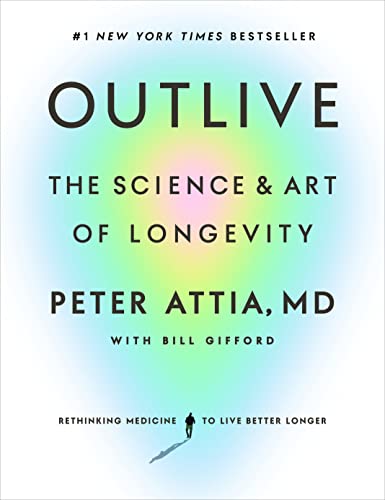
Outlive
Peter Attia, MD
★★★★☆4.3/5
The longevity manual: Medicine 3.0 and the four horsemen. Attia reframes health as decades-ahead prevention against heart disease, cancer, metabolic disease, and neurodegeneration — with exercise as the most powerful drug, plus protocols for zone 2 cardio, strength, stability, sleep, and emotional health. The most complete modern health book.
Best for: Anyone who wants their last decade to look like their prime
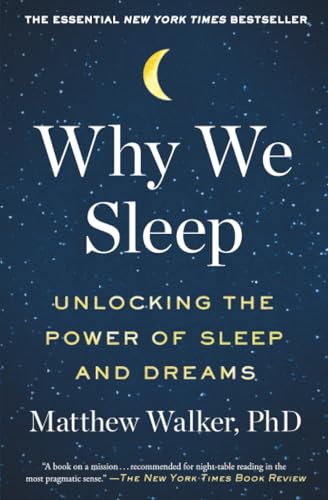
Why We Sleep
Matthew Walker, PhD
★★★★★4.4/5
The book that made the world take sleep seriously again. Berkeley neuroscientist Matthew Walker shows that sleep is the foundation under every other health habit: deep sleep consolidates memory and clears brain waste, REM regulates emotion and creativity, and chronic short sleep degrades nearly every system in the body. The behavioral fixes — fixed wake time, cool dark room, caffeine curfew — cost nothing.
Best for: anyone running on six hours and calling it enough
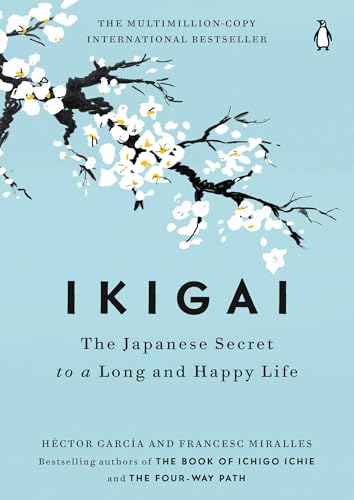
Ikigai
Héctor García & Francesc Miralles
★★★★☆4.1/5
Japan’s blueprint for a long, purposeful life. From Okinawa’s centenarians: find your reason to get up, stay lightly active forever, eat to 80% full, and keep close friends. Less a protocol book than a philosophy — and its gentleness is the point.
Best for: Readers burned out on optimization who need purpose first
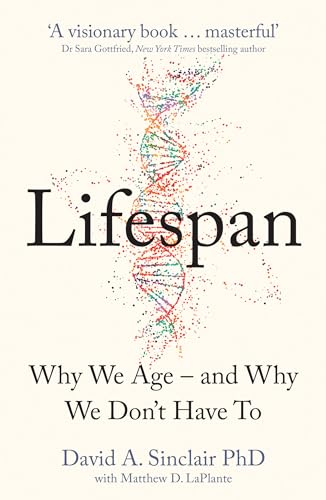
Lifespan
David Sinclair, PhD
★★★★★4.6/5
★★★★★ 4.6/5 — Aging reframed as a treatable disease, backed by Harvard lab research. Geneticist David Sinclair argues that aging is a single, treatable disease rather than an unavoidable decline, and lays out the cellular science behind it: an “information theory” of aging, the four hormesis levers (fasting, exercise, cold exposure, lower protein) that slow it today, and the emerging biotech — senolytics and cellular reprogramming — aimed at reversing it tomorrow. It’s the most science-forward pick on this list, ideal if you want the “why” behind the health advice everyone else just repeats.
Best for: readers who want the biology behind the habits, and anyone curious about the future of longevity medicine
The Obesity Code
Dr. Jason Fung
★★★★★4.6/5
★★★★★ 4.6/5 — Reframes weight loss as a hormone problem, not a willpower problem. Toronto nephrologist Dr. Jason Fung argues that obesity is driven by chronically elevated insulin, not calorie counting. Refined carbs, sugar, and constant snacking keep insulin high enough that the body never gets the signal to release stored fat. His fix is intermittent fasting: giving insulin regular, deliberate breaks so it can fall and fat can flow back out of storage, paired with a whole-food, low-refined-carb diet. It’s one of the few health bestsellers that explains the biology behind a popular protocol rather than just prescribing it.
Best for: anyone who’s regained weight after dieting, prediabetics and type 2 diabetics, and readers who want the hormonal “why” behind intermittent fasting
Breath
James Nestor
★★★★★4.4/5
A riveting investigation showing that changing how you breathe — through your nose, more slowly — can transform sleep, blood pressure, anxiety, and athletic performance. Nestor’s Stanford self-experiment is the book’s dramatic centerpiece: ten days of forced mouth breathing produced hypertension, severe snoring, and sleep apnea; switching to nasal breathing reversed every metric. He traces how modern soft diets shrank human jaws and airways, then profiles ancient and modern breathing techniques validated by current science. The practical takeaway is remarkably simple — close your mouth, slow down, and pay attention to the 25,000 breaths you take every day.
Best for: Snorers, anxiety sufferers, athletes, biohackers, and anyone curious about the most overlooked health lever
The Blue Zones
Dan Buettner
★★★★★4.4/5
A National Geographic explorer distils decades of fieldwork in five longevity hotspots into nine simple, evidence-backed habits that add years to your life — no biohacking required. Dan Buettner studied five communities where people regularly live past 100 — Okinawa, Sardinia, Nicoya, Ikaria, and Loma Linda — and found nine shared lifestyle habits (the “Power 9”) spanning natural movement, plant-heavy eating, purpose, stress management, and social connection. The book’s thesis is radical in its simplicity: longevity is not about willpower or genetics but about designing your surroundings so that the healthy choice is the easy choice.
Best for: Anyone who wants a grounded, evidence-based approach to living longer without extreme diets or expensive supplements
How Not to Die
Michael Greger, M.D.
★★★★☆4.3/5
The most thoroughly cited nutrition book you will read, making a compelling case that the top killers are preventable through whole-food, plant-based eating. Greger reviews the peer-reviewed evidence for each of the 15 leading causes of death and shows how specific foods can prevent, halt, and sometimes reverse these diseases. His Daily Dozen checklist transforms the science into a practical daily practice — 12 categories of foods and activities to include every day. The traffic light system (green/yellow/red) simplifies grocery decisions, and the additive framing (“add more plants”) is psychologically easier than elimination diets.
Best for: Anyone with a family history of heart disease, cancer, or diabetes, or anyone who wants evidence-based nutrition guidance

Glucose Revolution
Jessie Inchauspé
★★★★★4.4/5
Ten simple, science-backed hacks for flattening blood sugar curves that reduce cravings, boost energy, and improve long-term health — no dieting required. Biochemist Jessie Inchauspé uses continuous glucose monitor data to prove that the order in which you eat matters more than what you eat. Her most powerful hack — eating fiber first, then protein and fats, then starches last — can reduce a meal’s glucose spike by up to 75%. Add in the vinegar trick, savory breakfasts, post-meal walks, and never eating carbs “naked,” and you have a complete metabolic health toolkit that works within days.
Best for: Anyone experiencing energy crashes, cravings, brain fog, or wanting to improve metabolic health without restrictive diets
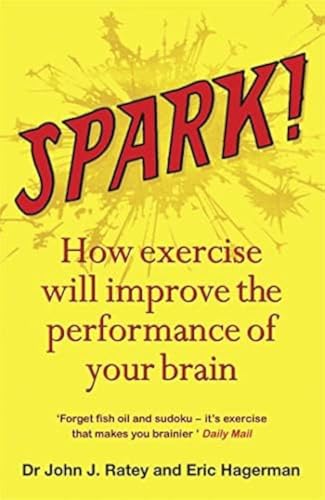
Spark
John J. Ratey, MD
★★★★★4.4/5
The definitive neuroscience case that exercise is the most powerful tool for brain health — rivaling antidepressants, improving focus, and preventing cognitive decline. Harvard psychiatrist Ratey presents overwhelming evidence that aerobic exercise triggers BDNF (“Miracle-Gro for the brain”), reduces anxiety as effectively as medication, combats depression with lower relapse rates than SSRIs, and improves ADHD focus for 2-3 hours. The Naperville school experiment proved it in the real world: students who exercised vigorously before class ranked 1st globally in science. The prescription: 30-45 minutes of vigorous cardio, 5-6 days per week.
Best for: Anyone who wants a science-based reason to move daily, or who deals with stress, anxiety, depression, or ADHD
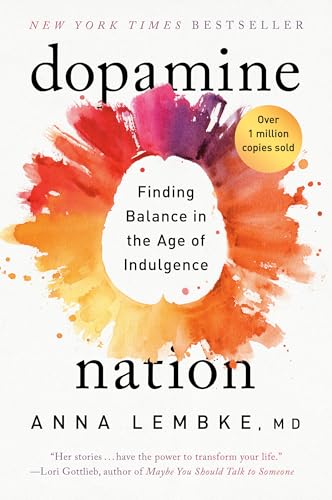
Dopamine Nation
Anna Lembke
★★★★☆4.3/5
Stanford psychiatrist Anna Lembke explains why we live in a world of unprecedented pleasure access — and why it is making us miserable. Through the pleasure-pain balance model, she shows how chronic overstimulation tips the brain toward anxiety and numbness, and how a 30-day dopamine fast can restore your ability to enjoy simple pleasures.
Best for: Anyone struggling with compulsive screen use, overconsumption, or chronic dissatisfaction
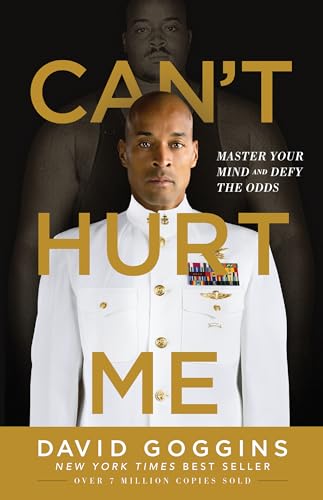
Can’t Hurt Me
David Goggins
★★★★★4.5/5
Physical transformation as the path to mental strength. Goggins lost 106 pounds in three months and became an endurance icon. The story argues the body is the training ground of the mind — the 40% rule applies to your next workout as much as your career.
Best for: Anyone needing proof that radical physical change is possible
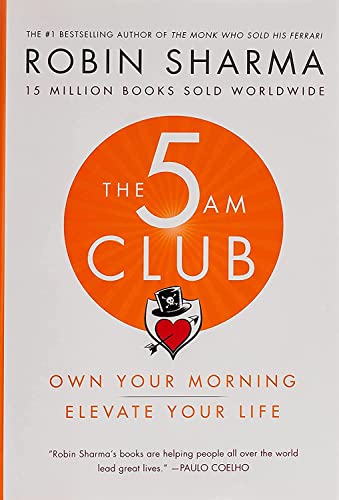
The 5 AM Club
Robin Sharma
★★★★☆4.0/5
A morning structure that stacks exercise, reflection, and learning. Sharma’s 20/20/20 opening hour is fundamentally a health routine: movement before cortisol peaks, quiet before noise, growth before demands. Works as the daily container for any health plan.
Best for: People whose health habits die by 9am
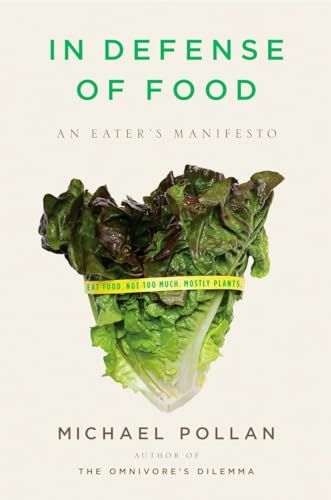
In Defense of Food
Michael Pollan
★★★★★4.4/5
Seven words that can change your health — “Eat food. Not too much. Mostly plants.” Pollan argues that the Western diet’s obsession with nutrients rather than foods — what he calls nutritionism — has made us less healthy, not more. He traces how the food industry hijacked nutrition science to sell processed products, shows why traditional food cultures produce healthier populations despite wildly different diets, and offers a refreshingly simple set of rules for eating well. The book cuts through decades of confusing dietary advice with one clear principle: eat real food your great-grandmother would recognize.
Best for: Anyone overwhelmed by nutrition advice who wants a simple, research-backed framework for eating well
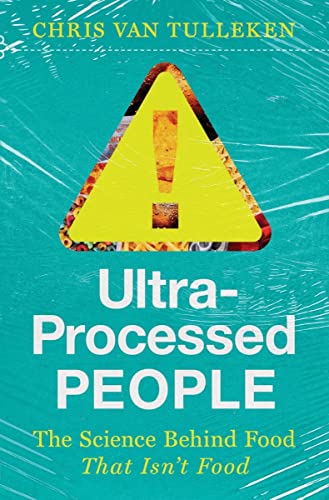
Ultra-Processed People
Chris van Tulleken
★★★★★4.4/5
A doctor eats nothing but ultra-processed food for a month, gains weight rapidly, then dismantles the science of how the food industry engineers addiction — the most important nutrition book of the decade. Van Tulleken combines his self-experiment, the landmark NIH Hall study, and food industry exposés to show that 60% of Western calories come from industrial products engineered to override appetite signals. The book explains the food matrix, emulsifier gut damage, bliss-point engineering, and why obesity is a systemic problem, not a personal failing. Practical, angry, and rigorously scientific.
Best for: Anyone who eats packaged food, parents making food decisions, and readers who want to understand why the obesity epidemic is systemic
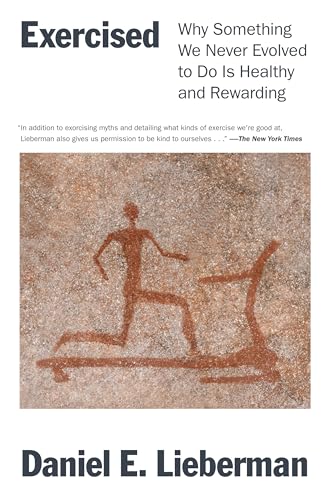
Exercised
Daniel Lieberman, PhD
★★★★☆4.1/5
A Harvard evolutionary biologist dismantles exercise myths and reveals why we never evolved to work out — but why doing it anyway is the single best thing you can do for your health. Lieberman (the scientist from Born to Run) combines evolutionary biology, fieldwork with hunter-gatherers, and clinical research to explain why exercise feels hard (it is adaptive, not lazy), why running does not ruin your knees (it strengthens them), and why 10,000 steps is a marketing invention. His conclusion: 150 minutes of weekly walking plus two strength sessions is the minimum effective dose for dramatically reducing disease risk.
Best for: Anyone struggling with exercise motivation, fitness sceptics, and readers who want evolutionary science behind why movement matters
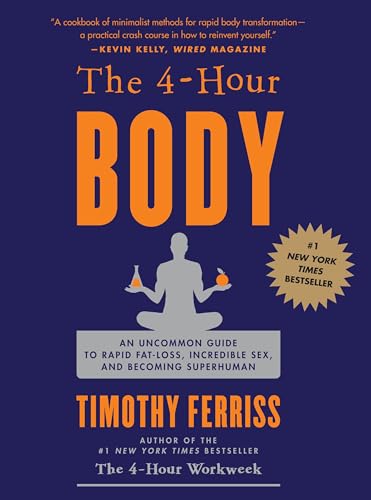
The 4-Hour Body
Tim Ferriss
★★★★☆4.1/5
Tim Ferriss applies the minimum effective dose to body transformation. The Slow-Carb Diet, cold thermogenesis, and minimal training protocols produce dramatic results with surprisingly little time. A massive reference manual designed to be read selectively.
Best for: Data-driven self-experimenters who want measurable results fast
You Are the Placebo
Joe Dispenza
★★★★☆4.1/5
A compelling case that your thoughts physically rewire your brain and body — backed by neuroscience, epigenetics, and dozens of real remission stories. Joe Dispenza draws on placebo research, neuroplasticity, and epigenetics to argue that the same mechanism that makes sugar pills heal patients can be harnessed deliberately through sustained mental rehearsal and elevated emotion. The book presents a four-step meditation model designed to break the body’s addiction to familiar stress chemicals, cross the “river of change,” and install new neural hardware that shifts gene expression and immune function. It is science-dense, practical, and occasionally ventures into speculative quantum territory — but the core protocol has measurable results.
Best for: Meditation practitioners, anyone exploring mind-body healing, and readers curious about how belief drives biology
Born to Run
Christopher McDougall
★★★★☆4.3/5
Part adventure story, part biomechanics manifesto — McDougall embeds a radical argument against modern running shoes inside a gripping narrative about Mexico’s Tarahumara tribe. McDougall travels to Mexico’s Copper Canyons to find the Tarahumara, an indigenous tribe whose members run 50–100 miles in thin sandals, injury-free, into old age. Along the way he uncovers Harvard research showing humans evolved specifically for endurance running and that cushioned shoes may cause the injuries they claim to prevent. The book weaves evolutionary biology, biomechanics, and an epic canyon race into an argument that we were born to run — and forgot how.
Best for: Runners of all levels, movement enthusiasts, and anyone who loves narrative non-fiction with a rebellious thesis
Grain Brain
David Perlmutter, MD
★★★★☆4.0/5
A neurologist’s provocative case that carbohydrates — even whole grains — drive brain inflammation, and that a high-fat, low-carb diet is the strongest defence against Alzheimer’s and cognitive decline. Perlmutter draws on neuroscience, epigenetics, and clinical research to argue that elevated blood sugar and gluten sensitivity are silently damaging your brain. His prescription: a diet rich in healthy fats, low in sugar and grains, supported by exercise that boosts BDNF, quality sleep for glymphatic clearance, and gut-health maintenance. Controversial but well-cited, the book challenges decades of low-fat dietary advice.
Best for: Readers concerned about brain health, anyone with a family history of Alzheimer’s or diabetes, and nutrition-science enthusiasts
The China Study
T. Colin Campbell, PhD
★★★★☆4.0/5
The largest epidemiological nutrition study ever conducted, linking animal protein consumption to cancer, heart disease, and diabetes — and making a powerful case for whole-food, plant-based eating. Cornell biochemist Campbell combines his own laboratory cancer research with data from 6,500 adults across 65 Chinese counties to argue that animal protein at Western consumption levels promotes the very diseases that kill us most. His prescription is straightforward: eat whole, plant-based foods, and avoid animal products and processed foods. The evidence is substantial, the conclusions are controversial, and the implications are profound.
Best for: Readers who want the scientific case for plant-based eating and anyone with a family history of heart disease, cancer, or diabetes
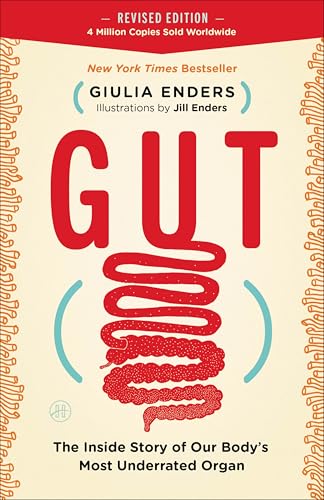
Gut
Giulia Enders
★★★★☆4.2/5
A witty, surprisingly charming tour of the digestive system — from how you swallow to why your microbiome controls your mood, immunity, and weight. German microbiologist Enders makes gastroenterology genuinely entertaining while delivering serious science about the enteric nervous system (your “second brain”), the gut-brain axis, the microbiome, and practical habits for digestive health. The book explains why 90% of serotonin is made in the gut, how antibiotics damage bacterial diversity, and what simple changes can transform your digestion.
Best for: Curious readers who want to understand digestion without a medical textbook, and anyone dealing with digestive issues
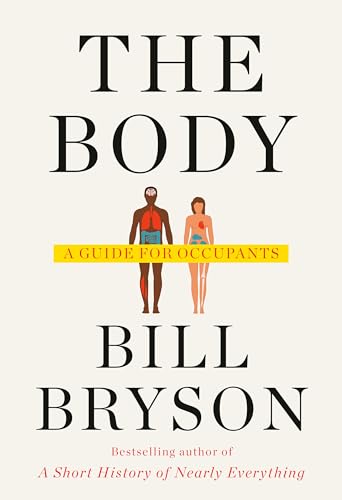
The Body
Bill Bryson
★★★★★4.5/5
A witty, wonder-filled tour of every organ, system, and cell that keeps you alive — written by one of the world’s finest science communicators. Bryson tours the human body system by system — from skin and bones to brain and immune cells — weaving astonishing facts, medical history, and his trademark humour into a narrative that makes you marvel at the improbable machine you inhabit. The 37.2 trillion cells, 100,000 miles of blood vessels, and 3.5 billion heartbeats in a lifetime come alive through Bryson’s gift for making the invisible vivid and the technical entertaining.
Best for: Curious generalists, science enthusiasts, and anyone who wants to appreciate the extraordinary body they take for granted
Keep Sharp
By Sanjay Gupta, MD · ★★★★☆ 4.2/5
A neurosurgeon’s evidence-based guide to protecting your brain at any age. Gupta distills the latest Alzheimer’s and neuroscience research into five actionable pillars — exercise, nutrition, sleep, social connection, and mental challenge — that anyone can implement today. The SHARP diet framework and 12-week program make this one of the most practical brain health books available.
Best for: Anyone over 30 who wants a science-backed blueprint for reducing cognitive decline risk through daily habits.
How we chose these books
Ranked by evidence quality and how completely each book changes daily behavior. Free summaries behind every link — methodology · master list.
Explore More Best-Of Lists
Every health summary
Every health book summary we’ve published, newest first — this list updates automatically as we add books.
 Health
Ultra-Processed People Summary & Review: The Science Behind Food That Isn’t Food
Ultra-Processed People summary by Chris van Tulleken. Learn how UPF hijacks appetite, the NIH Hall study, food industry tactics, and a practical 7-day plan.
Read summary → Health
Exercised Summary & Review: Why Something We Never Evolved to Do Is Essential
Exercised summary by Daniel Lieberman. Evolutionary biology debunks exercise myths. Learn why 10,000 steps is fake, running helps knees, and what really works.
Read summary → Health
The Body Summary & Review: A Guide to the Most Extraordinary Machine in Existence
The Body summary by Bill Bryson. A witty tour of human anatomy covering the brain, heart, immune system, microbiome, and what keeps you alive. Key takeaways.
Read summary → Health
Gut Summary & Review: The Inside Story of Your Most Underrated Organ
Gut summary by Giulia Enders. Learn how your digestive system controls mood, immunity, and weight. Key takeaways on the microbiome and gut-brain axis.
Read summary → Health
The China Study Summary & Review: The Case for Plant-Based Eating
The China Study summary by T. Colin Campbell. Learn how animal protein drives disease, the plant-based solution, and a practical 7-day transition plan.
Read summary → Health
Grain Brain Summary & Review: How Carbs Silently Destroy Your Brain
Grain Brain summary by David Perlmutter. Learn how carbs and gluten drive brain inflammation, the brain-healthy diet, BDNF, and a practical 7-day plan.
Read summary → Health
Born to Run Summary & Review: Why Humans Were Made to Run
Born to Run summary by Christopher McDougall. Discover the Tarahumara tribe, the running shoe paradox, natural running form, and the Power 9 longevity habits.
Read summary → Health
The Blue Zones Summary & Review: 9 Lessons From the World’s Longest-Lived People
The Blue Zones summary by Dan Buettner. Discover the Power 9 longevity habits from Okinawa, Sardinia, Ikaria, Nicoya, and Loma Linda. Key takeaways and 7-day plan.
Read summary → Health
You Are the Placebo Summary & Review: How Your Mind Rewires Your Body
You Are the Placebo summary by Joe Dispenza. Learn how thoughts change brain chemistry, gene expression, and health through meditation. Key takeaways and 7-day plan.
Read summary → Health
In Defense of Food Summary & Review: Eat Food, Not Too Much, Mostly Plants
In Defense of Food summary: Michael Pollan on nutritionism, the Western diet, and his simple 7-word rule for eating real food again.
Read summary → Health
The 4-Hour Body Summary & Review: Minimum Dose, Maximum Results
The 4-Hour Body summary: Tim Ferriss on Slow-Carb Diet, cold exposure, and minimum effective dose. Key takeaways and 7-day plan.
Read summary → Health
Dopamine Nation Summary & Review: Finding Balance in the Age of Indulgence
Dopamine Nation summary: Anna Lembke on the pleasure-pain balance and why a 30-day dopamine fast can restore joy. Key takeaways & 7-day plan.
Read summary → Health
Spark Summary & Review: The Science of Exercise and the Brain
Spark summary with BDNF science, Naperville experiment, exercise for depression and ADHD, optimal exercise protocol, and a 7-day plan for brain health.
Read summary → Health
Glucose Revolution Summary & Review: 10 Simple Hacks to Flatten Your Blood Sugar Curves
Glucose Revolution summary with the 10 glucose hacks, meal order science, vinegar hack, savory breakfast tips, and a 7-day plan to flatten your blood sugar.
Read summary → Health
The Obesity Code Summary & Review: Why Insulin Controls Your Weight, Not Willpower
The Obesity Code summary: how Dr. Jason Fung insulin model explains weight gain, and why intermittent fasting, not calorie counting, fixes it for good.
Read summary → Health
Lifespan Summary & Review: Why Aging Is a Disease We Can Treat
Lifespan summary: David Sinclair's Harvard research says aging is a treatable disease. Get key takeaways, 4 daily longevity levers, and a 7-day plan.
Read summary → Health
How Not to Die Summary & Review: The Daily Dozen That Could Save Your Life
How Not to Die summary by Michael Greger. Daily Dozen checklist, disease prevention with food, key takeaways and 7-day plan. Full review and breakdown.
Read summary → Health
Breath Summary & Review: The Lost Art That Changes Everything
Breath summary by James Nestor. Nose vs mouth breathing science, the Stanford experiment, 5 breathing techniques, and 7-day plan. Full review and breakdown.
Read summary → Health
The Body Keeps the Score Summary & Review: How Trauma Reshapes the Brain and Body
The Body Keeps the Score summary and review. Discover how trauma reshapes the brain and body, plus evidence-based healing approaches including EMDR, yoga, and neurofeedback.
Read summary → Health
Why We Sleep Summary & Review: The New Science of Sleep and Dreams
Why We Sleep summary: neuroscientist Matthew Walker on what sleep does, NREM vs REM, the cost of sleep loss and how to sleep better, with FAQs…
Read summary → Health
Ikigai Summary & Review: The Japanese Secret to a Long and Happy Life
Ikigai summary: the Japanese secret to a long, happy life — purpose, Okinawan longevity, flow and the ikigai Venn, with FAQs and a 7-day plan.
Read summary → Health
Outlive Summary & Review: The Science and Art of Longevity
Outlive summary: Peter Attia on Medicine 3.0, the Four Horsemen, exercise, nutrition and sleep for a longer healthspan, with FAQs and a 7-day plan.
Read summary →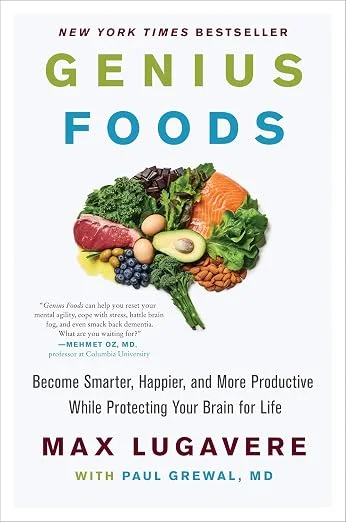 4.0/5
4.0/5Genius Foods by Max Lugavere
Ten brain-boosting foods backed by neuroscience, plus a complete protocol for protecting cognitive function through diet, exercise, sleep, and stress management. Personal, data-driven, and practical.
Read Summary →
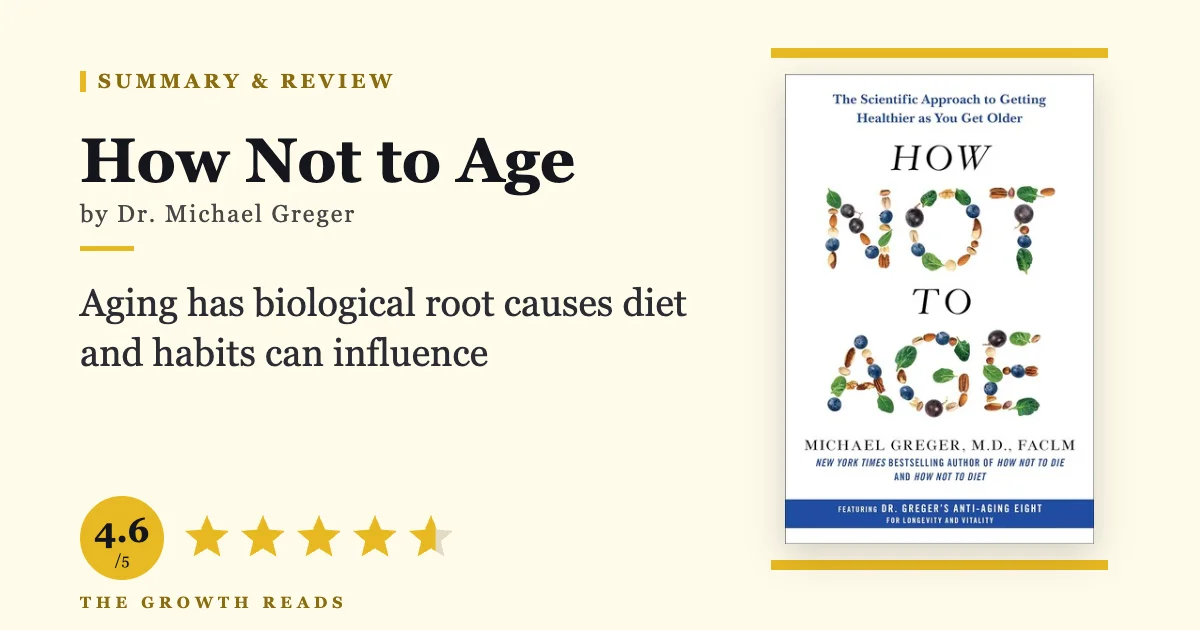 4.6/5
4.6/5How Not to Age Summary & Review: The Science of Living Longer, Better
The hallmarks of biological aging, Dr. Greger’s Anti-Aging Eight foods, and a practical 7-day plan to start slowing the clock today.
Read Summary →
28. Eat to Live by Joel Fuhrman, M.D.
Rating: ⭐ 4.2/5
One-line verdict: A bold, evidence-backed nutritional blueprint built on a single powerful equation — Health = Nutrients ÷ Calories — that can reverse chronic disease and normalise weight without calorie counting.
Fuhrman’s core argument is that most chronic disease is caused by nutrient-poor diets, not genetics. His ANDI scoring system ranks foods by micronutrient content per calorie, revealing that leafy greens score 1000 while chicken scores 27 and white pasta scores 16. The six-week nutritarian plan centres on massive salads, daily beans, and G-BOMBS (Greens, Beans, Onions, Mushrooms, Berries, Seeds) while eliminating processed foods and most animal products. Patients typically lose 15-20 pounds in six weeks while improving blood pressure, blood sugar, and cholesterol.
Best for: Anyone with weight concerns, heart disease risk, type 2 diabetes, or who wants a clear, clinically-tested nutritional protocol rather than vague dietary advice.
Read our full summary · Get it on Amazon
Frequently Asked Questions
What is the best health book of 2026?
Outlive by Peter Attia is the most comprehensive: it covers exercise, nutrition, sleep, and emotional health through the lens of preventing the diseases most likely to kill you, with specific protocols for each.
Is Outlive too technical for beginners?
It’s detailed but readable. If you want the essentials first, our free summary covers Medicine 3.0, the four horsemen, and Attia’s exercise framework in about 15 minutes.
Which book should I read for motivation to get fit?
Can’t Hurt Me. Goggins’ transformation — and the 40% rule — provides the push; pair it with Outlive’s zone 2 and strength protocols for the plan.
What do Okinawans actually do differently (Ikigai)?
Purpose (ikigai), constant light movement instead of intense exercise, eating to 80% full (hara hachi bu), strong social circles (moai), and low chronic stress. Our summary details each with ways to adapt them anywhere.
Are these books a substitute for medical advice?
No — they’re education, not diagnosis. Use them to ask better questions, then work with your doctor on specifics like bloodwork, medications, and screening schedules.
25. The Comfort Crisis — Michael Easter
Verdict: A compelling, research-backed case that modern comfort is slowly destroying our health, and that strategically reintroducing discomfort is the antidote.
Easter blends his own 33-day Arctic hunting expedition with evolutionary biology and cutting-edge research to show that our bodies need physical challenge, cold, hunger, boredom, and wild nature the way muscles need resistance. His practical frameworks — the 20-5-3 nature rule, rucking, the annual Misogi challenge — make the science immediately actionable without requiring extreme lifestyle changes.
Best for: Anyone feeling physically stagnant or emotionally numb despite material comfort.
Read our full summary · Get it on Amazon
26. The Wim Hof Method — Wim Hof
Verdict: A practical, science-backed guide to cold exposure, breathwork, and mindset. The three-pillar system that turned extreme endurance feats into an accessible daily health practice adopted by millions worldwide.
Why it made the list: The 2014 Radboud University study changed what science thought possible: WHM-trained participants voluntarily influenced their innate immune response, reducing inflammation markers by roughly 50%. Beyond the headline science, the method is remarkably accessible — 15 minutes of breathing and 30 seconds of cold water per day is the starting commitment. The combination of immune modulation, cardiovascular strengthening, brown fat activation, and stress resilience training makes this one of the most efficient health interventions available.
Best for: Biohackers, athletes, stress-management seekers, and anyone curious about using breath and cold to boost energy, immunity, and mental resilience.
Read the full summary · Get it on Amazon
27. Can’t Hurt Me by David Goggins
Verdict: ⭐ 4.4/5 — A raw, unflinching memoir that doubles as a manual for developing mental toughness through deliberate suffering and relentless self-accountability.
Goggins grew up in an abusive household, was overweight and directionless — then transformed himself into a Navy SEAL, Army Ranger, and ultramarathon champion. His 40% rule (when your mind says stop, you have 60% left), Cookie Jar method (past victories as present fuel), and Accountability Mirror practice provide a confrontational but effective framework for pushing past perceived limits in any area of life.
Best for: Anyone stuck in comfort who needs a confrontational wake-up call.
Read our full summary · Get it on Amazon
1. Wheat Belly by William Davis
One-line verdict: A cardiologist’s compelling case that modern wheat — not fat — is the primary driver of obesity, diabetes, and chronic inflammation.
William Davis presents clinical evidence from thousands of patients showing that eliminating modern dwarf wheat reverses metabolic syndrome, melts visceral belly fat, clears chronic inflammation, and restores energy and mental clarity within weeks. The book’s glycemic index data is its strongest argument: whole wheat bread spikes blood sugar higher than table sugar. Davis’s wheat-free approach goes beyond conventional gluten-free diets by also eliminating high-glycemic starch substitutes, focusing instead on whole vegetables, healthy fats, nuts, and quality proteins.
Best for: Anyone struggling with stubborn belly fat, blood sugar issues, or unexplained inflammation who wants a science-backed dietary reset.
👉 Read our full Wheat Belly summary · Get it on Amazon
35. Never Finished — David Goggins
Our verdict: A raw, unfiltered sequel that proves Goggins’s toughest battles came after he became famous. Where Can’t Hurt Me showed how to build mental toughness, Never Finished shows how to maintain it when success, comfort, and injury conspire to soften you. The most honest account of post-achievement complacency you’ll find.
Why it earned its spot: Mental toughness books rarely address what happens after you win. Goggins fills that gap with brutal honesty, showing that the 40% rule, accountability mirror, and callousing framework require lifelong maintenance. The mental lab and after-action review are practical tools any reader can adopt immediately.
Best for: Athletes, entrepreneurs, and anyone who has achieved something meaningful and feels themselves starting to coast.
Read our full summary · Get it on Amazon
34. The End of Alzheimer’s by Dr. Dale Bredesen
Verdict: A paradigm-shifting protocol that treats Alzheimer’s as a reversible metabolic disease with 36 identifiable contributors — not a single-cause death sentence.
Bredesen’s ReCODE protocol identifies three subtypes of Alzheimer’s (inflammatory, atrophic, toxic), maps each patient’s specific risk factors through comprehensive testing, and addresses them all simultaneously through diet (KetoFLEX 12/3), exercise, sleep optimization, and targeted supplementation. His published case studies are the first to show measurable cognitive improvement in early-stage decline.
Best for: Anyone with a family history of cognitive decline, health-conscious adults over 40, and practitioners seeking a functional medicine approach to brain health.
Read the full summary · Get it on Amazon
31. The Complete Guide to Fasting — Jason Fung
TGR Verdict: The definitive medical guide to fasting — covering every protocol from 16:8 intermittent to multi-day extended fasts, with the clinical evidence and practical troubleshooting to implement them safely.
Why it made the list: While many books mention fasting, this is the only one written by a practicing physician who has used therapeutic fasting to treat thousands of patients with type 2 diabetes and obesity. Fung explains the insulin hypothesis clearly, presents every fasting protocol with safety guidance, and addresses common concerns about muscle loss, hunger, and re-feeding. It is the practical companion to his earlier work The Obesity Code — that book explains why fasting works, this one tells you exactly how to do it.
Best for: Anyone curious about fasting who wants the complete medical and practical guide from a credentialed physician, especially those interested in metabolic health or type 2 diabetes management.
👉 Read our full summary | Get it on Amazon
33. The Plant Paradox — Steven R. Gundry MD
Our verdict: A provocative, paradigm-challenging guide that argues lectins — proteins in grains, beans, nightshades, and some dairy — damage your gut lining, trigger chronic inflammation, and drive weight gain and autoimmune disease. Backed by Gundry’s clinical experience with thousands of patients.
Whether or not you accept every claim, the book offers a structured 3-phase elimination program that many readers with unexplained health issues have found transformative. Gundry’s nuance about pressure cooking beans and peeling nightshades adds practical depth beyond simple food avoidance. A useful framework for anyone whose “healthy” diet has not produced healthy results.
Best for: Readers with persistent autoimmune issues, unexplained weight gain, or digestive problems who want to explore whether common “healthy” foods might be the hidden culprit.
Read our full summary · Get it on Amazon
34. Good Energy — Casey Means, MD
Rating: ⭐ 4.2/5
One-line verdict: A Stanford surgeon turns the medical system inside out — showing that nearly every chronic disease traces back to broken mitochondria, and that six lifestyle pillars can fix them.
Means explains that 93% of American adults are metabolically unhealthy, and that conditions as diverse as diabetes, depression, cancer, and Alzheimer’s share a common upstream cause: mitochondrial dysfunction. She lays out a six-pillar framework — food, sleep, movement, stress management, light exposure, and toxin avoidance — that addresses the root cause rather than the symptoms. The book combines clinical expertise with a systems-level critique of why the healthcare industry profits from managing disease rather than preventing it.
Best for: Anyone experiencing chronic fatigue, brain fog, or weight resistance who suspects their doctor is treating symptoms instead of root causes.
Read our full summary · Get it on Amazon
Kelly and Juliet Starrett’s 10 vital-sign tests reveal how well your body moves and exactly how to fix what it cannot. Health
Built to Move Summary & Review: The 10-Test System for Pain-Free Living
11. The Longevity Diet by Valter Longo
Verdict: ★★★★☆ (4.2/5) — The most evidence-backed longevity nutrition framework available, built on decades of clinical trials, centenarian studies, and basic aging research.
Biogerontologist Valter Longo synthesized thirty years of aging research into a two-part system: a daily pescatarian diet optimized for low IGF-1 signaling, and periodic 5-day fasting-mimicking cycles that trigger autophagy and stem cell regeneration. His age-adjusted protein strategy — low before 65, higher after — is one of the most nuanced positions in the nutrition literature. Clinical trials demonstrate reduced markers for cancer, diabetes, and cardiovascular disease.
Best for: Health-conscious readers who want a science-backed nutrition framework for longevity, not a quick-fix diet plan.
👉 Read our full summary · Get it on Amazon
42. The Circadian Code — Satchin Panda
Our verdict: A research-backed protocol for optimizing health through circadian alignment — time-restricted eating, consistent sleep, morning sunlight, and strategic exercise timing.
Dr. Panda translates his Salk Institute research into a practical daily framework showing that when you eat, sleep, and move matters as much as what you eat or how much you exercise. His studies on time-restricted eating showed that mice eating identical calories in an 8-hour window gained 28% less weight than those eating around the clock. Applicable to weight management, sleep quality, gut health, and chronic disease prevention.
Best for: Anyone who wants to improve energy, sleep, and metabolism by aligning daily habits with their biological clock.
Read our full summary · Get it on Amazon
43. Brain Food — Lisa Mosconi
Our verdict: A neuroscientist’s evidence-based guide to eating for long-term brain health — from preventing cognitive decline to sharpening daily performance.
Mosconi, associate director of the Alzheimer’s Prevention Clinic at Weill Cornell, uses brain PET imaging to show how specific nutrients protect neurons. She identifies the five brain-essential nutrient categories, explains why the Mediterranean diet reduces Alzheimer’s risk by up to 50%, and reveals the gut-brain axis’s role in cognition. Her key insight: brain health starts decades before symptoms appear.
Best for: Anyone concerned about cognitive decline, dementia prevention, or optimising brain performance through diet — especially people in their 30s–50s.
Read our full summary · Get it on Amazon
44. How to Change Your Mind — Michael Pollan
Our verdict: A rigorously reported journey into the neuroscience and renewed medical promise of psychedelics — from 1950s psychiatry to today’s Johns Hopkins and NYU clinical trials.
Pollan traces psilocybin and LSD from legitimate 1950s psychiatric research through the 1960s countercultural collapse to a 21st-century clinical revival, explaining how these compounds quiet the brain’s Default Mode Network and why guided sessions are producing meaningful relief for cancer-related anxiety, depression, and addiction. Part science journalism, part memoir — Pollan undergoes several supervised sessions himself.
Best for: Readers curious about consciousness, mental health science, and the therapies emerging from the psychedelic renaissance.