
We read and scored 125 of the most popular self-help books. These 20 are the ones that actually change lives. Every book below was ranked with the same transparent 5-point rubric — lasting impact, evidence quality, practical application, writing, and reader consensus — and links to a free in-depth summary with a practical plan to apply it. If you want life-changing books, not shelf decoration, start here.
The 20 Best Self-Help Books, Ranked
The snapshot first — full reviews and rankings below.
| Rank | Book | Best for | Score |
|---|---|---|---|
| #1 | Atomic Habits · James Clear | Anyone building better habits or breaking bad ones | 4.7 |
| #2 | The Psychology of Money · Morgan Housel | Building a calm, long-term relationship with money | 4.6 |
| #3 | Deep Work · Cal Newport | Knowledge workers battling constant distraction | 4.5 |
| #4 | Thinking, Fast and Slow · Daniel Kahneman | Making better decisions and spotting your own biases | 4.3 |
| #5 | How to Win Friends and Influence People · Dale Carnegie | Anyone who wants to be better with people | 4.6 |
| #6 | The 7 Habits of Highly Effective People · Stephen R. Covey | A whole-life framework, not a single fix | 4.5 |
| #7 | Mindset · Carol S. Dweck | Bouncing back from failure and building resilience | 4.4 |
| #8 | Never Split the Difference · Chris Voss | Negotiating salaries, deals, and daily disagreements | 4.5 |
| #9 | Outlive · Peter Attia, MD | Extending health span, not just lifespan | 4.3 |
| #10 | Extreme Ownership · Jocko Willink & Leif Babin | Leaders who want accountability without excuses | 4.3 |
| #11 | The Courage to Be Disliked · Ichiro Kishimi & Fumitake Koga | Approval-seekers and chronic people-pleasers | 4.3 |
| #12 | I Will Teach You to Be Rich · Ramit Sethi | Setting up your financial system once, properly | 4.5 |
| #13 | Grit · Angela Duckworth | Staying with long-term goals after motivation fades | 4.2 |
| #14 | The Power of Habit · Charles Duhigg | Understanding the science underneath your routines | 4.5 |
| #15 | Ego Is the Enemy · Ryan Holiday | Ambitious people who want to stay grounded | 4.3 |
| #16 | Ikigai · Héctor García & Francesc Miralles | Finding purpose and slowing down without guilt | 4.1 |
| #17 | The Let Them Theory · Mel Robbins | Overthinkers who exhaust themselves managing others | 4.2 |
| #18 | Essentialism · Greg McKeown | The overcommitted and perpetually busy | 4.5 |
| #19 | Can’t Hurt Me · David Goggins | Anyone who wants to rebuild their mental limits | 4.5 |
| #20 | Start With Why · Simon Sinek | Founders and leaders clarifying their direction | 4.4 |
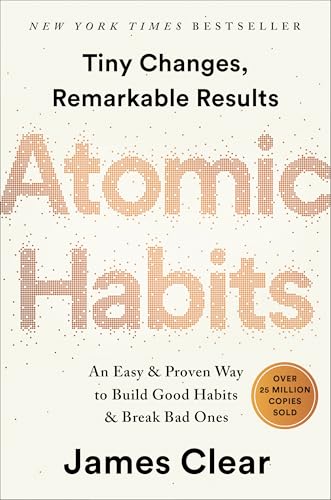
Atomic Habits
James Clear
★★★★★4.7/5
The best habit-building system ever written — four laws that make good habits obvious, attractive, easy, and satisfying.
It tops our ranking because no other book converts behavioral science into a usable system this cleanly. Clear’s four laws — make it obvious, attractive, easy, and satisfying — turn identity change (“become the kind of person who…”) into daily one-percent moves: habit stacking, the two-minute rule, environment design. Years after publication it still dominates reader-impact surveys, and its advice holds up against the habit-formation research. If you apply one book from this list, make it this one.
Best for: Anyone building better habits or breaking bad ones
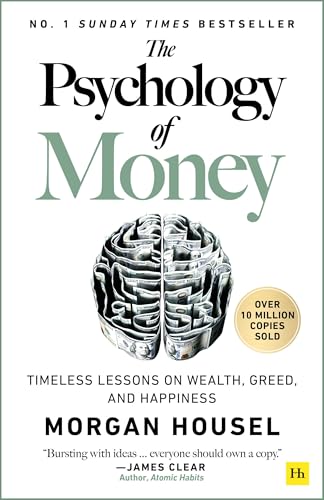
The Psychology of Money
Morgan Housel
★★★★★4.6/5
Financial success is behavior, not brilliance. Nineteen timeless lessons on wealth, greed, and happiness.
Housel’s core claim — doing well with money is about behavior, not intelligence — reframes every financial decision you’ll make. Nineteen short essays cover compounding, tail events, the meaning of “enough,” and the seduction of pessimism, each anchored in unforgettable stories like Ronald Read, the janitor who quietly amassed $8M. It scores near-perfect on writing and lasting impact because the lessons survive every market cycle: they’re about psychology, not tactics.
Best for: Building a calm, long-term relationship with money
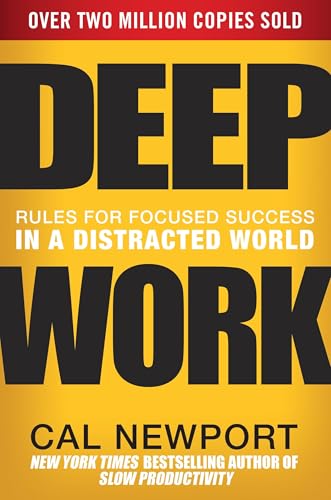
Deep Work
Cal Newport
★★★★★4.5/5
Focus is the career superpower of this century — and it can be trained with Newport’s four-rule framework.
Newport argues that focused work is becoming rarer at exactly the moment it’s becoming more valuable — an economic inversion he backs with cases from academia to software. The four rules (work deeply, embrace boredom, quit social media, drain the shallows) come with concrete scheduling protocols you can run tomorrow. A decade on, in an attention economy that only got louder, the thesis looks prophetic. The highest practical-application score of any productivity book we’ve reviewed.
Best for: Knowledge workers battling constant distraction
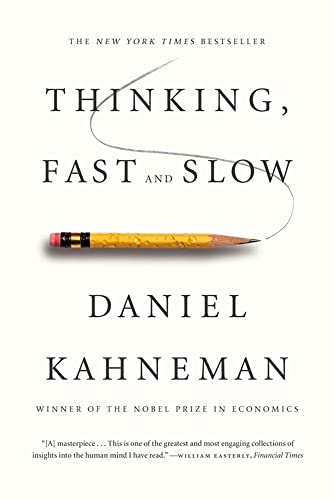
Thinking, Fast and Slow
Daniel Kahneman
★★★★☆4.3/5
The Nobel laureate’s map of how your mind decides — and systematically misleads you.
The best-evidenced book on this list: Kahneman compresses five decades of Nobel-winning research into the System 1 / System 2 model of how we judge and decide. Anchoring, loss aversion, the planning fallacy, regression to the mean — once you can name these patterns in your own thinking, you can’t unsee them. It demands more from the reader than anything else here, and repays every page as the foundation of modern behavioral economics.
Best for: Making better decisions and spotting your own biases
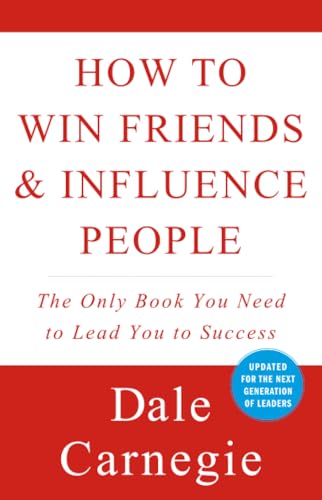
How to Win Friends and Influence People
Dale Carnegie
★★★★★4.6/5
The social-skills classic that still runs the world’s best relationships. Published 1936, still unmatched.
Ninety years old and still the best social-skills manual ever written. Carnegie’s principles — take a genuine interest in people, remember names, avoid arguments, admit fault quickly — read like common sense precisely because they became our culture’s common sense. It ranks top-five on lasting impact alone: virtually every relationships and influence book published since is a footnote to this one.
Best for: Anyone who wants to be better with people
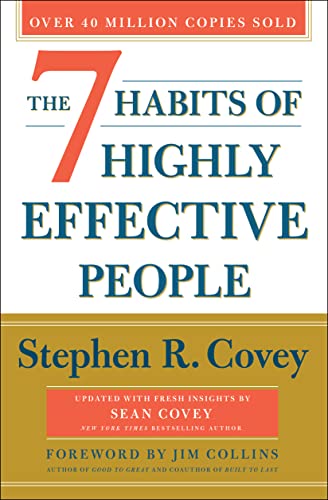
The 7 Habits of Highly Effective People
Stephen R. Covey
★★★★★4.5/5
Principle-centered effectiveness — the whole-life operating system from dependence to interdependence.
Covey’s maturity continuum — from dependence to independence to interdependence — makes this the most complete life operating system in the top 20. Begin With the End in Mind, First Things First, and the urgent/important matrix shaped modern leadership training wholesale. It asks for slower, more reflective reading than newer entries, and rewards it with a scope nothing else here matches.
Best for: A whole-life framework, not a single fix
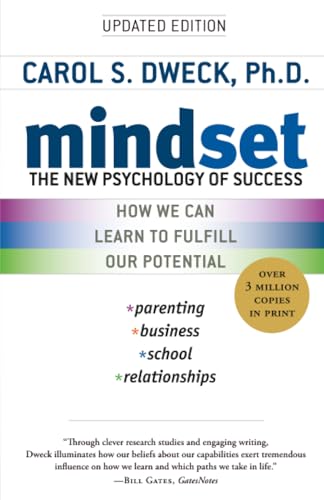
Mindset
Carol S. Dweck
★★★★★4.4/5
Growth vs fixed mindset: the belief that shapes effort, resilience, and ultimately achievement.
Dweck’s growth-versus-fixed distinction is one of psychology’s most influential ideas: ability is built, not fixed, and how you explain your failures quietly determines your trajectory. The habit this book installs — treating failure as information instead of identity — is small to describe and enormous to live. Essential reading for parents, teachers, and anyone rebuilding confidence after a setback.
Best for: Bouncing back from failure and building resilience
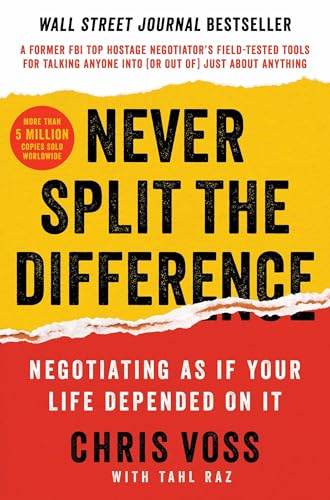
Never Split the Difference
Chris Voss
★★★★★4.5/5
FBI tactical empathy turned into everyday negotiation scripts that actually work.
The rare negotiation book written by someone with life-or-death stakes: Voss led the FBI’s international kidnapping negotiations. Tactical empathy, mirrors, labels, and calibrated questions (“How am I supposed to do that?”) are usable word-for-word in salary talks, sales calls, and family standoffs. The highest immediate-usefulness score in the influence cluster — you can deploy chapter one the same day you read it.
Best for: Negotiating salaries, deals, and daily disagreements
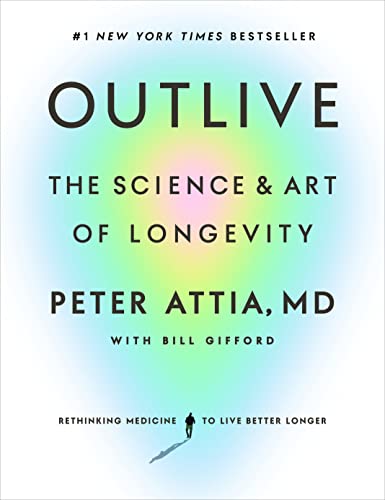
Outlive
Peter Attia, MD
★★★★☆4.3/5
The longevity manual: proactive strategies across exercise, nutrition, sleep, and emotional health.
Attia reframes health as “Medicine 3.0”: attack the four horsemen — heart disease, cancer, neurodegeneration, and metabolic dysfunction — decades before symptoms appear. Training for the “centenarian decathlon,” zone 2 cardio, VO2 max, and stability work turn longevity from an abstraction into a training plan. The most evidence-dense health book we’ve scored; the exercise chapters alone justify its rank.
Best for: Extending health span, not just lifespan
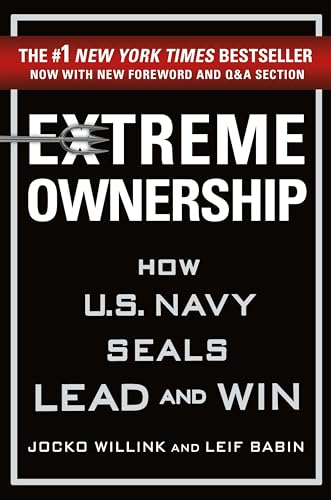
Extreme Ownership
Jocko Willink & Leif Babin
★★★★☆4.3/5
No bad teams, only bad leaders. Navy SEAL leadership translated into personal accountability.
“There are no bad teams, only bad leaders.” Willink and Babin translate SEAL task-unit lessons into a leadership doctrine of total accountability: cover and move, simplify, prioritize and execute, decentralized command. The battlefield-to-boardroom structure repeats its core ideas by design — and that repetition is exactly what makes them stick when you’re under pressure.
Best for: Leaders who want accountability without excuses
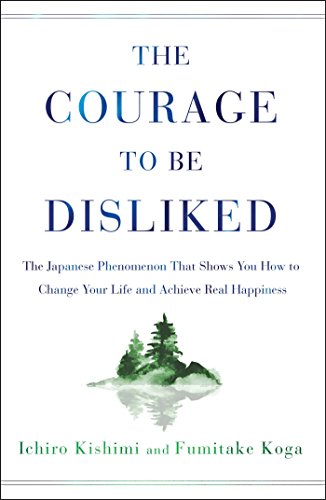
The Courage to Be Disliked
Ichiro Kishimi & Fumitake Koga
★★★★☆4.3/5
Adlerian freedom: your past doesn’t define you, and other people’s approval isn’t required.
A Socratic dialogue that smuggles a century of Adlerian psychology into a page-turner: your past doesn’t determine you, all problems are interpersonal problems, and freedom is being willing to be disliked. The “separation of tasks” — asking whose problem is this, actually? — is worth the price of the book by itself. The most quietly radical entry in the top 20.
Best for: Approval-seekers and chronic people-pleasers

I Will Teach You to Be Rich
Ramit Sethi
★★★★★4.5/5
The 6-week automation system for saving, investing, and guilt-free spending.
The most actionable money book on the list: a literal six-week program — negotiate your cards, optimize accounts, automate investing, then spend guilt-free on what you love. Sethi’s “conscious spending plan” beats budgeting because it requires no ongoing willpower once the automation is set. Maximum score on practical application; pairs perfectly with Housel’s psychology.
Best for: Setting up your financial system once, properly
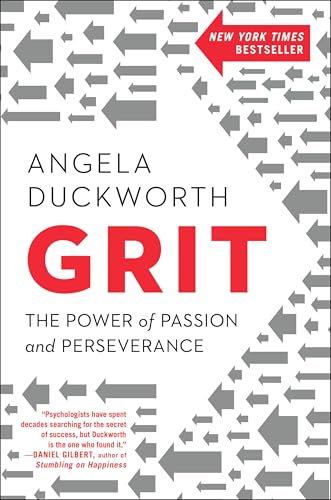
Grit
Angela Duckworth
★★★★☆4.2/5
Effort counts twice: sustained passion and perseverance predict achievement more than talent.
Duckworth’s research argument — sustained passion plus perseverance predicts achievement better than talent, because effort counts twice — comes with the tools to build it: the hard-thing rule, interest development, deliberate practice. It’s the book to read when a goal is years away and motivation has worn off. A natural companion to Mindset, from the researcher Dweck most influenced.
Best for: Staying with long-term goals after motivation fades
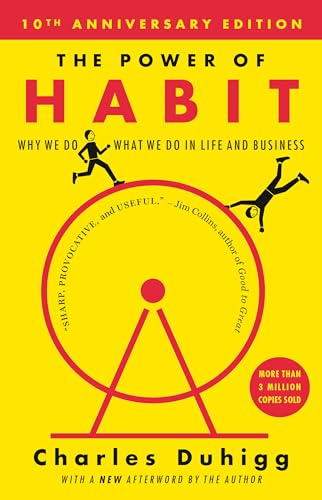
The Power of Habit
Charles Duhigg
★★★★★4.5/5
The cue-routine-reward science underneath every habit you have — and how to change them.
Duhigg’s cue-routine-reward loop made habit science mainstream, and it remains the best narrative treatment of why habits run so much of your life — told through Febreze, Alcoa, and Starbucks. Read it to understand the machinery; read Atomic Habits to operate it. Together they’re the definitive pairing on behavior change.
Best for: Understanding the science underneath your routines
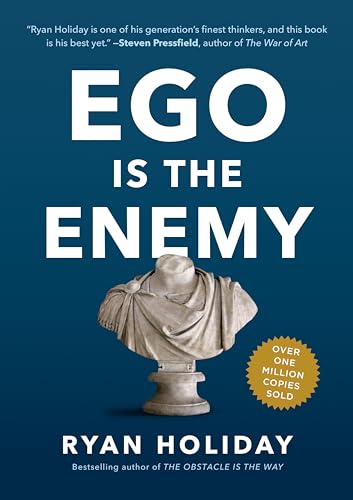
Ego Is the Enemy
Ryan Holiday
★★★★☆4.3/5
Stoic humility as the antidote to ambition’s biggest trap. Stay a student, always.
Holiday’s Stoic case that ego sabotages every phase of a career: aspire with humility, succeed without arrogance, fail without despair. Short chapters built on historical rises and falls make it endlessly re-readable. “Stay a student” is the closest thing ambition has to a vaccine — and the reason this book keeps showing up in athletes’ and founders’ reading lists.
Best for: Ambitious people who want to stay grounded
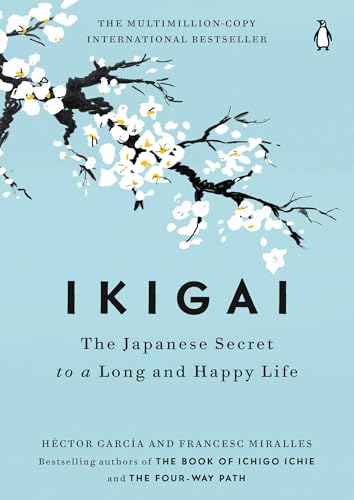
Ikigai
Héctor García & Francesc Miralles
★★★★☆4.1/5
Japan’s blueprint for a long, purposeful life — lessons from Okinawan centenarians.
García and Miralles distill interviews with Okinawan centenarians into a gentle framework for purpose: something you love, something you’re good at, something the world needs, something that sustains you. It’s the calmest book in the top 20 — an antidote to hustle culture that readers return to precisely because it asks for less, not more.
Best for: Finding purpose and slowing down without guilt
The Let Them Theory
Mel Robbins
★★★★☆4.2/5
Two words that end most interpersonal suffering. Release the need to control others.
Robbins’s two-word tool — let them, then let me — operationalizes acceptance psychology for modern life. Stop managing other people’s opinions, moods, and choices; redirect that energy into your own next action. It’s the newest book on the list, and its reader-impact numbers are extraordinary: few frameworks travel from page to daily reflex this fast.
Best for: Overthinkers who exhaust themselves managing others
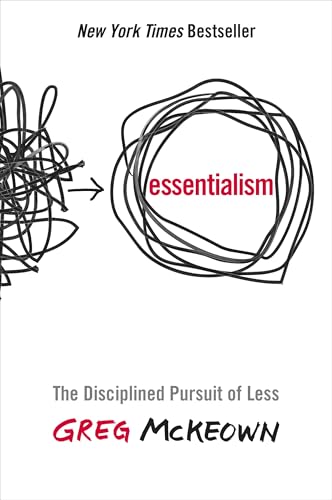
Essentialism
Greg McKeown
★★★★★4.5/5
The disciplined pursuit of less, but better. Almost everything is noise — find the vital few.
McKeown’s disciplined pursuit of less: if it isn’t a clear yes, it’s a no. The 90-percent rule, the graceful no, and building buffers translate the philosophy directly into your calendar. For the chronically overcommitted, this is the book that finally gives permission — and a system — to do fewer things, better.
Best for: The overcommitted and perpetually busy
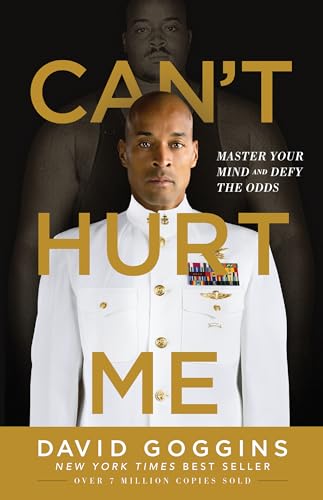
Can’t Hurt Me
David Goggins
★★★★★4.5/5
The 40% rule and the psychology of mental toughness. Extreme, but unforgettable.
Goggins’s memoir doubles as a mental-toughness manual: the 40% rule (when your mind says you’re done, you’re at forty percent), the accountability mirror, the cookie jar of past wins. The intensity is the point — as living proof that perceived limits sit far below real ones, nothing else on this list comes close.
Best for: Anyone who wants to rebuild their mental limits

Start With Why
Simon Sinek
★★★★★4.4/5
People don’t buy what you do — they buy why you do it. Sinek’s Golden Circle framework.
Sinek’s Golden Circle — why, then how, then what — gave a generation of founders and leaders their vocabulary for purpose-driven work. Worked through Apple, Southwest, and the Wright brothers, it’s the book to read when effort is high but direction is fuzzy. More inspiration than instruction manual, which is why it anchors this list rather than leads it.
Best for: Founders and leaders clarifying their direction
How We Rank: The 5-Point Rubric
Most “best of” lists are popularity contests. Ours scores every book against the same five criteria, re-evaluated quarterly:
Lasting Impact
Does it still change behavior years later? Citations, reader surveys, staying power.
Evidence Quality
Replicated research and validated frameworks score high; pure anecdote scores low.
Practical Application
Concrete techniques per hour of reading. Clarity and editorial discipline rewarded.
Writing & Originality
Engaging prose and a genuinely new lens — not repackaged ideas.
External Consensus
Averaged Amazon and Goodreads ratings ground our judgment in reader experience.
Best Self-Help Books by Category
Ready to go deeper on one area? Each category page ranks the best books on that topic — all with free summaries.
Quick Picks by Goal
Best motivational books
The best motivational books on this list are Can’t Hurt Me, Grit, and Extreme Ownership — three flavors of mental toughness: Goggins for raw intensity, Duckworth for the science of perseverance, Willink for disciplined ownership.
Best self-help books for confidence
For confidence, start with The Courage to Be Disliked (stop needing approval), How to Win Friends and Influence People (social ease), and Mindset (believing ability can grow).
Best self-help books for anxiety and overthinking
For everyday worry and overthinking, The Let Them Theory, Essentialism, and The Courage to Be Disliked help you release control, cut noise, and quiet other people’s opinions. For clinical anxiety, a licensed therapist beats any book.
More Top-Rated Books
High-scoring books just outside the top 20 — each links to our full summary and review.
 The Laws of Human Nature
Robert Greene
★★★★☆ 4.3
 Outliers
Malcolm Gladwell
★★★★☆ 4.3
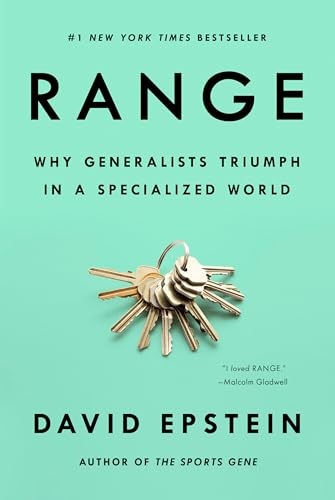 Range
RangeDavid Epstein
★★★★★ 4.4
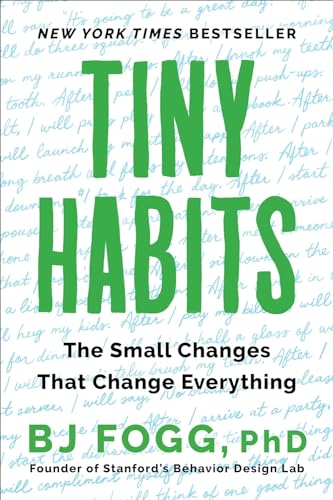 Tiny Habits
BJ Fogg
★★★★★ 4.5
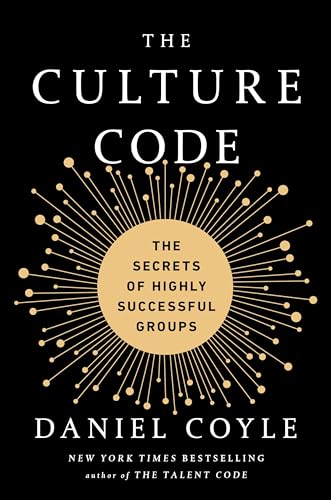 The Culture Code
Daniel Coyle
★★★★★ 4.4
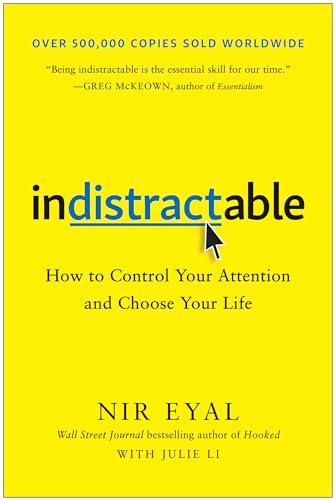 Indistractable
Nir Eyal
★★★★☆ 4.2
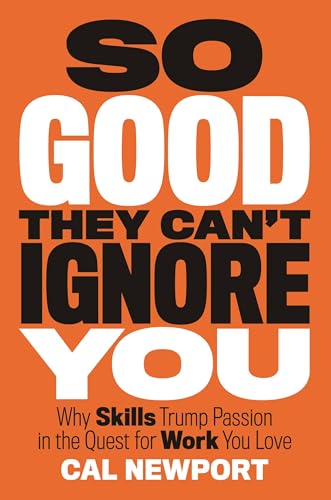 So Good They Can’t Ignore You
Cal Newport
★★★★★ 4.4
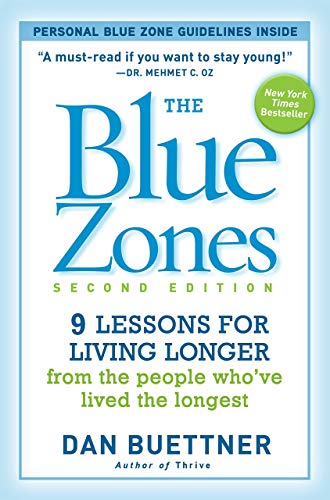 The Blue Zones
Dan Buettner
★★★★★ 4.4
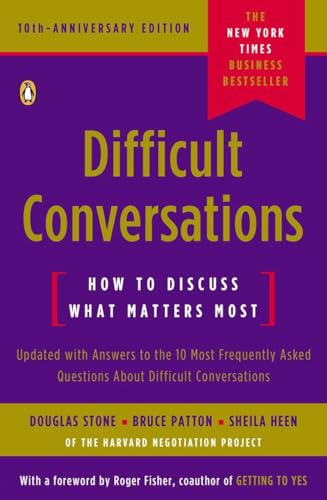 Difficult Conversations
Douglas Stone et al.
★★★★★ 4.5
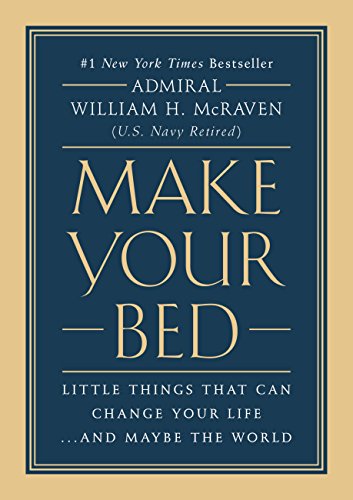 Make Your Bed
Admiral William McRaven
★★★★☆ 4.0
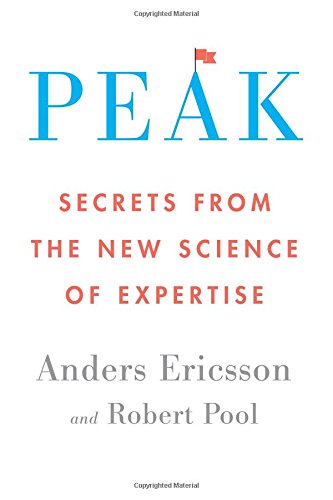 Peak
PeakAnders Ericsson
★★★★☆ 4.3
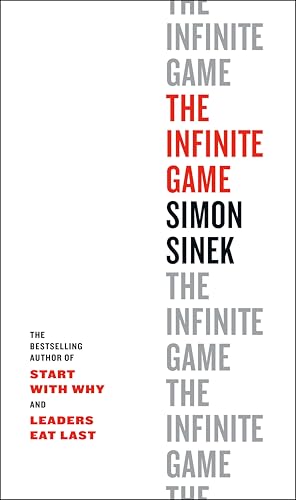 The Infinite Game
Simon Sinek
★★★★☆ 3.5
How to Choose Your First Self-Help Book
Four rules make this list actually work for you. 1. Match the book to your current bottleneck — habits slipping? Start at #1. Money stress? #2 or #12. Can’t focus? #3. People problems? #5 or #8. 2. Prefer evidence over vibes — books built on research (Thinking, Fast and Slow; Mindset; Outlive) give you frameworks that keep working after the motivation wears off. 3. Read one at a time, and apply it for 30 days before starting the next — one book applied beats ten books skimmed. 4. Preview with the free summary first — every book above links to an in-depth summary with a 7-day plan, so you can test-drive the ideas in fifteen minutes before committing to three hundred pages.
Frequently Asked Questions
What is the best self-help book of all time?
Based on our 5-criteria scoring rubric, Atomic Habits by James Clear tops the ranking. Its identity-based habit system, strong evidence base, and extraordinary practical impact make it the highest-scoring self-help book we’ve reviewed.
What are the most life-changing self-help books?
The most life-changing books pair one strong idea with a system you can apply the next morning. From our rankings: Atomic Habits (habits), The Psychology of Money (money behavior), The 7 Habits of Highly Effective People (character and priorities), Mindset (how you respond to failure), and Ikigai (purpose). Each has changed how millions of readers operate day to day — and each links to a free in-depth summary with a 7-day application plan.
What self-help books should a beginner read first?
Start with Atomic Habits for building better daily routines, The Psychology of Money for financial foundations, and How to Win Friends and Influence People for social skills. These three cover the fundamentals of habits, money, and relationships.
Are self-help books actually effective?
The best ones are. Books grounded in peer-reviewed research — like Thinking, Fast and Slow (behavioral economics), Mindset (growth psychology), and Outlive (preventive medicine) — give you validated frameworks. The key is choosing evidence-based books and applying the strategies consistently.
How do you rank self-help books differently from other lists?
We score every book on five criteria: lasting impact, evidence quality, practical application, writing and originality, and external consensus (Amazon + Goodreads averages). Most lists rank by sales or editor opinion — ours uses a transparent, repeatable rubric, re-evaluated quarterly.
What is the best self-help book for productivity?
Deep Work by Cal Newport is our top-rated productivity book. It makes the case that focused, uninterrupted work is increasingly rare and valuable, then provides a four-rule framework to cultivate it. Atomic Habits and Essentialism are close runners-up.
What is the best self-help book for managing money?
The Psychology of Money by Morgan Housel. It reframes money as a behavioral challenge rather than an intellectual one, offering 19 timeless lessons. I Will Teach You to Be Rich by Ramit Sethi is the best pick for a hands-on automation system.
How many self-help books has The Growth Reads reviewed?
We’ve read and scored 125 self-help books and published in-depth summaries across six categories: productivity, psychology, money, leadership, health, and relationships. Each summary includes key takeaways, chapter breakdowns, and a 7-day action plan.
All Psychology Book Summaries on The Growth Reads
61 in-depth summaries & reviews
12 Rules for Life Summary & Review: An Antidote to Chaos
Antifragile Summary & Review: How to Gain From Disorder
Behave Summary & Review: The Biology Behind Every Human Action
Blink Summary & Review: The Power of Thinking Without Thinking
Can’t Hurt Me Summary & Review: David Goggins on Mastering Your Mind
David and Goliath Summary and Review
Emotional Agility Summary & Review: Get Unstuck and Thrive
Emotional Intelligence Summary & Review: Why EQ Can Matter More Than IQ
Feeling Good Summary & Review: Change Your Thoughts, Change Your Mood
Flow Summary & Review: The Science of Losing Yourself in What You Do
Grit Summary & Review: The Power of Passion and Perseverance
Incognito Summary & Review: The Secret Lives of Your Brain
Influence Summary & Review: The Psychology of Persuasion
Lost Connections Summary & Review: Depression Isn’t All in Your Head
Man’s Search for Meaning Summary & Review: Finding Purpose in Any Circumstance
Meditations Summary & Review: Timeless Stoic Wisdom for Modern Life
Mindset Summary & Review: The New Psychology of Success
Noise Summary & Review: The Hidden Flaw in Human Judgment
Nudge Summary & Review: How Small Design Changes Shape Better Decisions
On the Move Summary & Review: A Neurologist’s Extraordinary Life of Curiosity and Courage
Originals Summary & Review: How Non-Conformists Move the World
Outliers Summary & Review: Why Success Is Never a Solo Act
Predictably Irrational Summary & Review: The Hidden Forces Behind Every Decision
Quiet Summary & Review: Why the World Needs Introverts More Than Ever
Radical Acceptance Summary and Review
Sapiens Summary & Review: How Shared Fictions Built the Modern World
Self-Compassion Summary and Review
Stumbling on Happiness Summary & Review: Why Your Brain Lies About the Future
Superforecasting Summary and Review
Switch Summary & Review: The Rider-Elephant-Path Framework for Real Change
Talking to Strangers Summary & Review: Why We Misread Everyone
The 48 Laws of Power Summary & Review: Reading the Hidden Game of Influence
The Anxious Generation Summary & Review: How Phones Rewired Childhood
The Art of Thinking Clearly Summary & Review: 99 Biases That Sabotage Your Decisions
The Chimp Paradox Summary & Review: How to Manage the Brain That Reacts Before You Think
The Confidence Gap Summary and Review
The Courage to Be Disliked Summary & Review: The Adlerian Path to Freedom
The Defining Decade Summary & Review: Why Your Twenties Matter
The Elephant in the Brain Summary and Review
The Gift of Fear Summary & Review: Why Your Instincts Are Your Best Protection
The Gifts of Imperfection Summary & Review: Embrace Who You Are
The Happiness Hypothesis Summary & Review: Finding Modern Truth in Ancient Wisdom
The Happiness Trap Summary & Review: Stop Chasing, Start Living
The Laws of Human Nature Summary & Review: Decode What Drives People
The Molecule of More Summary & Review: Why You Never Feel Satisfied
The Mountain Is You Summary & Review: Stop Being Your Own Obstacle
The Obstacle Is the Way Summary & Review: The Stoic Art of Turning Trials into Triumph
The Paradox of Choice Summary & Review: Why Less Is More for Happiness
The Power of Now Summary & Review: A Guide to Spiritual Enlightenment
The Power of Your Subconscious Mind Summary & Review: Reprogram Your Thinking
The Righteous Mind Summary & Review: Why Good People Disagree
The Scout Mindset Summary & Review: See Reality Clearly
The Subtle Art of Not Giving a F*ck Summary & Review: Choosing What Truly Matters
The Tipping Point Summary & Review: How Little Things Make a Big Difference
The Untethered Soul Summary & Review: The Voice in Your Head Is Not You
The Upside of Stress Summary & Review: Why Feeling Stressed Can Be Good for You
The Willpower Instinct Summary & Review: Train Your Brain for Better Self-Control
Thinking in Bets Summary & Review: Make Smarter Decisions Under Uncertainty
Thinking, Fast and Slow Summary & Review: Master Your Mind’s Hidden Shortcuts
When the Body Says No Summary & Review: How Suppressed Emotion Makes You Sick
Why Has Nobody Told Me This Before? Summary & Review: Your Mental Health Toolkit