
We read and scored the most influential relationship books — these 24 are the ones that actually change how you communicate, argue, and connect. Every title was ranked with the same transparent 5-point rubric: lasting impact, evidence quality, practical application, writing, and reader consensus. Each links to a free in-depth summary with an action plan. These books are education, not therapy or legal advice — for serious relationship distress, a licensed couples therapist can do things a book can’t. Whether you’re picking your first relationship read or hunting the one book you somehow missed, start here.
The 28 Best Relationship Books, Ranked
Counting down from #24 to our #1 pick. Each book links to a free, in-depth summary.
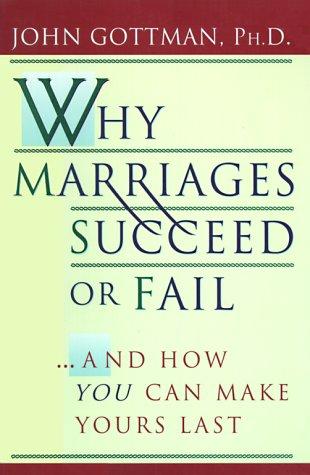
Why Marriages Succeed or Fail
John Gottman
Why Men Love Bitches Summary & Review: Hold Your Own, Stay the Catch
★★★★½4.6/5
Gottman’s original Love Lab research distilled into the four warning signs — and the ratio — that predict whether a marriage lasts.
Long before Gottman’s later books popularized “bids for connection” and “love maps,” this landmark study laid out the hard data: after watching thousands of couples argue in his “Love Lab,” Gottman could predict divorce with over 90% accuracy just by counting four specific behaviors — criticism, contempt, defensiveness, and stonewalling — against how often couples repaired the moment afterward. It reads less like a feelings book than a diagnostic one, built to help you name the exact pattern threatening your relationship and swap it for a specific, teachable alternative.
Best for: Couples who want research-backed diagnostics for exactly what’s going wrong in an argument, not just general advice to “communicate better.”
“Contempt is the single greatest predictor of divorce.”
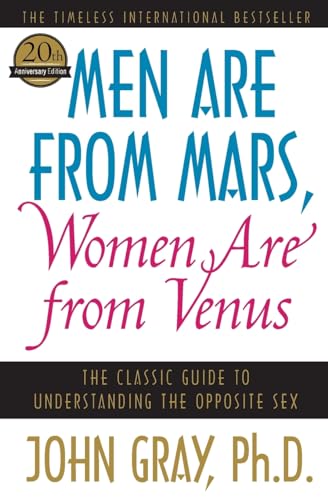
Men Are from Mars, Women Are from Venus
John Gray, PhD
★★★★3.9/5
The best-selling relationship book of all time, arguing that men and women communicate so differently they might as well be from different planets — and that most conflict comes from expecting the other to communicate like you do.
It closes this list rather than opening it because its central metaphor — treating “male” and “female” communication styles as near-universal and near-fixed — hasn’t aged well against modern relationship science, and the gender-essentialist framing draws fair criticism today. Still, its cultural reach is unmatched (tens of millions of copies), and the underlying, more defensible point — that partners often need fundamentally different things in the same moment (space to process vs. talking it through) — is worth knowing even if you reject the planetary framing around it.
Best for: Readers curious about the most culturally influential relationship book of the past 40 years, read critically
“Men are motivated and empowered when they feel needed. Women are motivated and empowered when they feel cherished.”

His Needs, Her Needs
Willard F. Harley Jr., PhD
★★★★4/5
A marriage counselor’s theory that men and women tend to rank their top emotional needs differently, and that affairs happen when those needs go chronically unmet at home.
Its enduring value is the “Love Bank” metaphor — every interaction either deposits or withdraws emotional goodwill — which is an intuitive, low-friction way for couples to track relationship health day to day. The gendered “his needs vs. her needs” framing feels dated and doesn’t hold up as a universal rule the way it did on publication, which is why it ranks lower here despite the Love Bank concept still being widely referenced in marriage counseling.
Best for: Married couples wanting a simple day-to-day mental model for relationship “deposits and withdrawals”
“Love is a state of mind that motivates you to meet the emotional needs of your spouse.”

Getting to Yes
Roger Fisher & William Ury
★★★★½4.3/5
The foundational negotiation text — separate people from the problem, focus on interests not positions, invent options for mutual gain — from the Harvard Negotiation Project.
Like Never Split the Difference, it’s not written as a relationship book, but “positions vs. interests” is one of the more quietly transformative ideas for couples: two people can have incompatible positions (“I want to move,” “I want to stay”) while sharing the same underlying interest (“I want us both to feel secure”). It ranks lower than Voss’s more conversational, emotionally attuned approach because its style is drier and more academic.
Best for: Couples negotiating a genuinely high-stakes decision — a move, a big purchase, a career change
“The best agreement is the wisest agreement, the one that meets the legitimate interests of each side.”

All About Love
bell hooks
★★★★½4.3/5
A cultural critic’s argument that most people were never actually taught a working definition of love, and that treating love as a verb — a set of active choices — changes everything.
hooks pushes back on the idea that love is something that simply happens to you, arguing instead for M. Scott Peck’s definition of love as “the will to extend oneself for the purpose of nurturing one’s own or another’s spiritual growth.” It’s more philosophical and less tactical than most of this list, which is why it sits lower despite its influence — it changes how you think about love more than it gives you a script for Tuesday night’s argument.
Best for: Readers who want to examine their underlying beliefs about love before working on relationship tactics
“Love is an act of will — namely, both an intention and an action.”
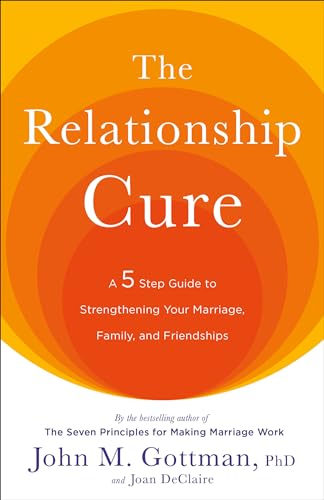
The Relationship Cure
John Gottman, PhD
★★★★4.1/5
Gottman’s framework of “bids for connection” — the small, constant attempts partners make for attention, affection, or support — and how turning toward or away from them predicts relationship health.
The concept of “bids” is genuinely useful and simpler to apply day-to-day than the Four Horsemen framework from Gottman’s more famous book: every “look at this” or sigh is a small bid for connection, and consistently turning away from them erodes trust quietly over years. It ranks below his Seven Principles because it covers similar ground with a narrower, single-concept focus rather than a full system.
Best for: Couples who aren’t fighting, just quietly drifting apart in small daily moments
“Instead of a magical formula, what I found is that happy marriages are based on a deep friendship… this friendship… generates a positive charge.”

Fair Play
Eve Rodsky
★★★★4.2/5
A system — literally a deck of 100 cards — for making invisible domestic labor visible and dividing it so one partner isn’t quietly managing everything.
“Invisible labor” resentment is one of the most common relationship-killers Fair Play names directly: the mental load of remembering, planning, and anticipating that falls disproportionately on one partner even when chores are technically “split.” Rodsky’s card-based system is unusually concrete for a relationship book, turning a vague, recurring fight into an actual negotiated agreement. It ranks here because its scope (domestic partnership specifically) is narrower than the books above it.
Best for: Co-parenting or cohabiting couples stuck in an “I do everything” vs. “I do plenty” standoff
“Time is finite. Time is precious. And how you spend your time defines who you are as a person.”
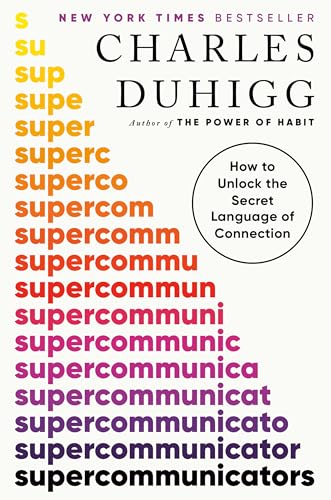
Supercommunicators
Charles Duhigg
★★★★½4.4/5
A deep dive into what people who are unusually good at connecting actually do differently — matching the type of conversation (practical, emotional, or social) the other person is actually having.
Duhigg’s central idea — that most miscommunication happens because two people are having different kinds of conversations at once, like one person wanting to solve a problem while the other just wants to be heard — names something almost every couple has lived through without a word for it. It’s newer and less clinically tested than Gottman or Johnson’s work, which keeps it out of the top ten, but it packages real conversational science into some of the most immediately usable takeaways on this list.
Best for: People whose partner says “I just needed you to listen” after they offered a solution instead
“When we are talking to one another, we are having multiple conversations at once — and we need to figure out, together, which conversation we’re actually having.”
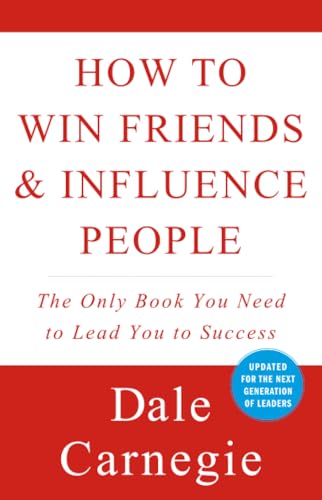
How to Win Friends and Influence People
Dale Carnegie
★★★★½4.6/5
The 1936 original that most modern people-skills books are quietly built on: genuine interest in others, remembering names, avoiding criticism, and letting people save face.
Nearly a century old and still in print for a reason — Carnegie’s core principle, that people care far more about feeling heard and appreciated than about being right, holds up in marriages, friendships, and family as well as it does in business. Some of the language feels of its era, and it’s lighter on emotional depth than the modern research-backed books above it, which is why it lands mid-list rather than higher despite its influence.
Best for: Readers who want the foundational, timeless version of “how to make people feel valued” in any relationship
“You can make more friends in two months by becoming interested in other people than you can in two years by trying to get people interested in you.”
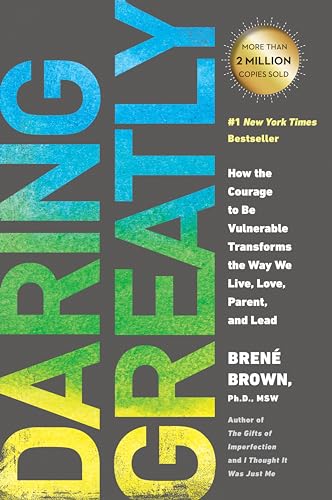
Daring Greatly
Brené Brown, PhD, LMSW
★★★★½4.4/5
A vulnerability researcher’s case that the willingness to be seen — imperfect, uncertain, emotionally exposed — is the foundation of real connection, not a weakness to armor against.
Brown’s research reframes vulnerability from a liability into the actual mechanism of intimacy: you can’t be truly close to someone while simultaneously protecting yourself from being fully known by them. It’s less a tactical relationship manual than the others on this list and more a mindset shift, which is why it sits mid-pack — but that shift underlies why techniques from Gottman, Johnson, and Rosenberg actually work once someone stops performing and starts showing up honestly.
Best for: People who keep relationships at arm’s length to avoid getting hurt, then wonder why they feel lonely
“Vulnerability is not winning or losing; it’s having the courage to show up and be seen when we have no control over the outcome.”
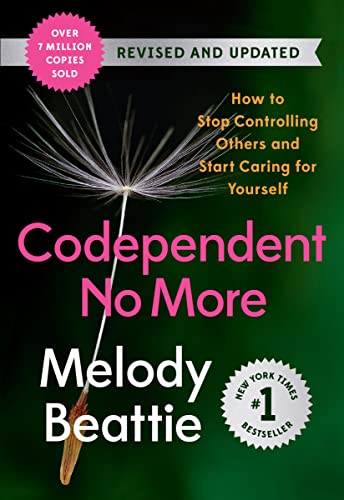
Codependent No More
Melody Beattie
★★★★½4.3/5
The book that put “codependency” into everyday language — how to stop managing, rescuing, and controlling other people’s problems at the cost of your own life.
Beattie was writing about families affected by addiction, but the pattern she names — defining your own worth by how much you fix or manage someone else’s crisis — extends to plenty of relationships with no addiction involved at all. It’s older and less research-driven than the books above it, and some of the language feels dated, but the core diagnosis of codependency remains one of the most-referenced relationship concepts on this entire list decades later.
Best for: People who feel responsible for fixing their partner’s (or family member’s) problems, at their own expense
“I am not responsible for another adult. I am not that powerful.”
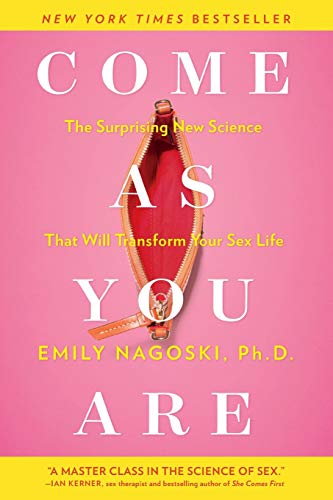
Come As You Are
Emily Nagoski, PhD
★★★★½4.4/5
A sex educator’s science-based explanation of how desire actually works — including the “dual control model” of sexual accelerators and brakes — that debunks a lot of shame-based myths.
Nagoski replaces vague, judgmental advice about libido with an actual model: everyone has an accelerator and brakes for arousal, and mismatched desire is usually a brakes problem (stress, body image, resentment), not a broken relationship. It’s one of the most cited books in modern sex therapy for good reason — it’s rigorous without being clinical, and directly complements Perel’s more philosophical take on desire earlier in this list.
Best for: Anyone who’s been told their sex drive is “wrong” and wants an evidence-based explanation instead
“Context is not the absence of stress or the presence of relaxation, though those help. Context is the presence of the right stimuli — and the absence of the wrong ones.”
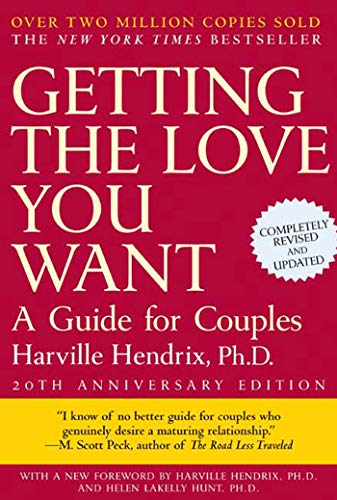
Getting the Love You Want
Harville Hendrix, PhD
★★★★4.2/5
The book that introduced Imago Relationship Therapy — the idea that we unconsciously choose partners who resemble our early caregivers, flaws included, so we can finally heal old childhood wounds.
The “imago match” theory is a genuinely useful lens for why the same argument with a new partner can feel eerily familiar to a childhood pattern, and its structured “Couples Dialogue” exercise (mirror, validate, empathize) is one of the most widely taught listening techniques in couples therapy. It ranks mid-list because the childhood-wound framing won’t resonate with every reader the way Gottman’s or Johnson’s more universally applicable research does.
Best for: Couples who keep noticing an uncomfortable pattern that traces back to how they were raised
“A good marriage is not one where two “perfect” people marry each other, but one in which two imperfect people learn to enjoy their differences.”
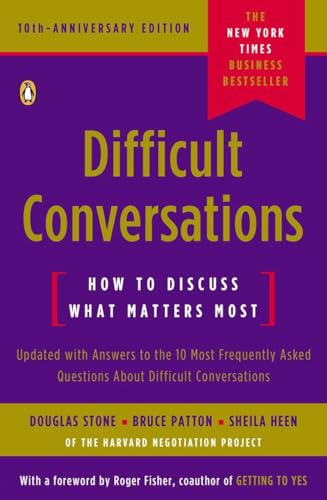
Difficult Conversations
Douglas Stone, Bruce Patton & Sheila Heen
★★★★½4.4/5
From the Harvard Negotiation Project, a framework showing that every hard conversation is really three conversations at once: what happened, feelings, and identity.
Its core move — separating the “facts” argument from the feelings argument from the deeper identity argument (“what does this say about me?”) — explains why couples can argue for hours about a fact (“you were 20 minutes late”) when the real conflict is about respect or reliability. It’s denser and more academic than Crucial Conversations, which is why it sits just below it here, but the “identity conversation” concept is one of the more genuinely original ideas on this entire list.
Best for: Overthinkers who want to understand the layers underneath a fight, not just win it
“The single most important thing you can do is to shift your internal stance from “I understand” to “Help me understand.””

Mating in Captivity
Esther Perel
★★★★½4.3/5
A couples therapist’s exploration of why domestic security and erotic desire pull in opposite directions, and how long-term couples can keep both alive.
Perel is one of the few writers willing to say plainly that the same closeness that makes a relationship feel safe can also make it feel sexually flat, and she treats that as a design problem to solve rather than a failure to feel guilty about. The book is more diagnostic than prescriptive, which is exactly its value — it names a tension almost every long-term couple experiences but rarely discusses honestly. It ranks in the top ten for tackling a subject most relationship books avoid entirely.
Best for: Long-term couples whose relationship feels emotionally close but has gone quiet in the bedroom
“Love rests on two pillars: surrender and autonomy. Our need for togetherness exists alongside our need for separateness.”

Set Boundaries, Find Peace
Nedra Glover Tawwab
★★★★½4.4/5
A licensed therapist’s modern, script-heavy update to boundary-setting, with exact language for family, romantic, friend, and work relationships.
Where the original Boundaries book is more theoretical, Tawwab hands readers literal scripts — “I can’t talk right now, can we pick this up tomorrow?” — that remove the improvisation most people freeze on in the moment. It’s become the go-to modern companion (or alternative) to Cloud & Townsend’s book, especially for readers who want a secular, therapy-informed voice. It ranks just below Boundaries because it builds directly on that book’s ideas rather than introducing a wholly new framework.
Best for: People who understand boundaries in theory but freeze and don’t know what to actually say in the moment
“Boundaries are not meant to punish anyone; they are meant to protect your peace.”
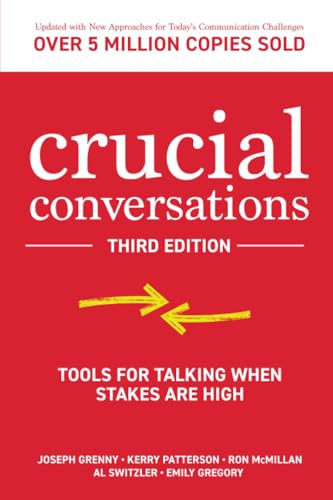
Crucial Conversations
Kerry Patterson, Joseph Grenny, Ron McMillan & Al Switzler
★★★★½4.5/5
A corporate-training classic on how to stay clear-headed and honest in conversations where opinions differ, stakes are high, and emotions run strong — which describes most serious relationship talks.
Originally written for the workplace, its “make it safe” framework and the concept of moving from silence-or-violence into genuine dialogue apply directly to relationship conflict, where the same three failure modes — going silent, going aggressive, or faking agreement — show up constantly. It ranks here because it fills a real gap the more emotion-focused books leave open: a concrete process for the actual five minutes of a hard conversation, not just the mindset going in.
Best for: People who either shut down completely or blow up the moment a conversation gets tense
“The single biggest problem in communication is the illusion that it has taken place.”
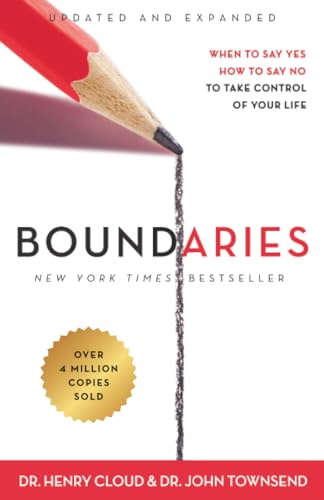
Boundaries
Dr. Henry Cloud & Dr. John Townsend
★★★★½4.5/5
A framework for knowing what you’re responsible for in a relationship (your choices, feelings, behavior) versus what you’re not (someone else’s), and how to say no without guilt.
Boundaries has sold millions of copies because it names a problem most people can feel but can’t articulate: chronic over-responsibility for other people’s emotions. Its Christian-counseling framing won’t land for every reader, but the underlying mechanics — you teach people how to treat you by what you tolerate — hold up regardless of belief system. It ranks in the top ten because “boundaries” as a concept has become foundational vocabulary across nearly every other book on this list.
Best for: People who say yes when they mean no and end up resentful instead of honest
“You cannot love someone you take responsibility for; you can only feel sorry for them.”
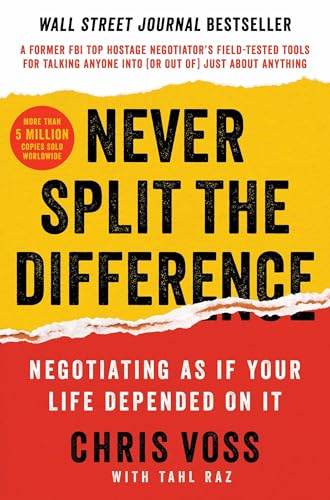
Never Split the Difference
Chris Voss
★★★★½4.6/5
A former FBI hostage negotiator’s field-tested tactics — tactical empathy, mirroring, calibrated questions, the “That’s right” moment — for getting what you need in any high-stakes conversation.
It’s not written as a relationship book, but it belongs on this list because negotiation is what a relationship conversation about money, custody, chores, or boundaries actually is. Voss’s “tactical empathy” — labeling the other person’s emotion before making your case — de-escalates defensiveness faster than almost any technique in the therapy-adjacent books here. It ranks above several purpose-built relationship books because its tools transfer immediately to real disagreements, not just calm conversations.
Best for: Anyone heading into a genuinely hard conversation — a raise, a custody split, a big ask — not just a spat
“No’ is the start of the negotiation, not the end of it.”

The 5 Love Languages
Gary Chapman
★★★★½4.5/5
Chapman’s enduring theory that everyone gives and receives love primarily through one of five channels — words, time, gifts, service, or touch — and most relationship friction is a translation problem.
This is the most-gifted, most-quoted relationship book of the last three decades for a reason: it gives couples an instantly usable vocabulary the very first night they read it. Critics rightly note the five-category model isn’t rigorously validated the way attachment theory is, and it’s not a substitute for real conflict-resolution skills — which is why it sits mid-list here rather than at #1. But as a low-friction entry point that gets partners actually talking about what makes them feel loved, nothing else on this list works faster.
Best for: Couples who love each other but keep missing each other’s gestures of affection
“Love is a choice you make every day.”
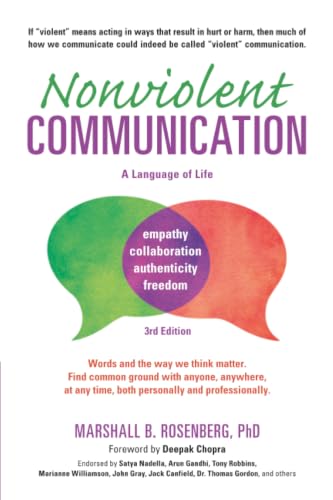
Nonviolent Communication
Marshall B. Rosenberg, PhD
★★★★½4.6/5
A four-step framework — observation, feeling, need, request — for expressing yourself and hearing others without triggering defensiveness, built from Rosenberg’s work in some of the world’s most volatile conflicts.
NVC ranks this high because it’s the single most transferable skill on this list — it works in marriages, with kids, at work, and in the group chat. The “feelings vs. needs” distinction alone quietly fixes a huge share of miscommunication, since most people fight about strategies (who does the dishes) instead of naming the actual need underneath (feeling respected). It can read as clinical at first, but the payoff is a genuinely different way of listening.
Best for: People whose conversations escalate fast and want a repeatable script for staying calm
“All violence is the result of people tricking themselves into believing that their pain derives from other people and that consequently those people deserve to be punished.”
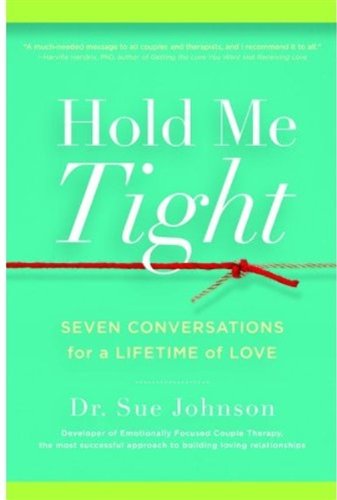
Hold Me Tight
Sue Johnson, EdD
★★★★½4.6/5
The creator of Emotionally Focused Therapy (EFT) walks couples through seven conversations designed to de-escalate the “demon dialogues” that trap partners in cycles of pursuit and withdrawal.
Johnson’s core insight — that most couple conflict is really a protest against emotional disconnection, not the surface argument — reframes fights about dishes or money as attachment bids. EFT has some of the strongest clinical outcome data of any couples therapy model, and this book translates it into exercises real couples can do at home. It sits just behind Gottman because it goes deeper on the emotional “why,” while Gottman is stronger on observable “what.”
Best for: Couples who feel like they’re having the same fight on repeat and can’t figure out what it’s really about
“Emotional responsiveness is the pathway to felt security between partners, and felt security is a primary goal of romantic love.”
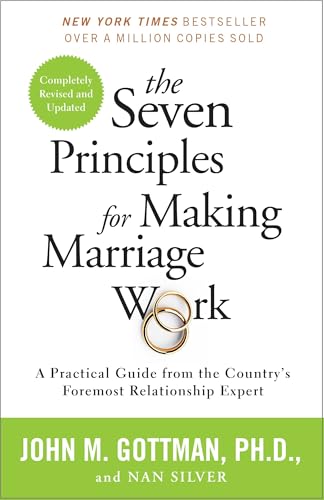
The Seven Principles for Making Marriage Work
John Gottman, PhD & Nan Silver
★★★★½4.7/5
The distilled findings from Gottman’s decades of watching real couples argue in his “Love Lab,” turned into seven concrete practices that predict whether a marriage lasts.
No one has studied actual couples longer or more rigorously than Gottman, and this is the readable version of that research — not a memoir, a manual. The “Four Horsemen” (criticism, contempt, defensiveness, stonewalling) alone are worth the read, giving couples a shared language for the exact behaviors that predict divorce with startling accuracy. It ranks this high because it is the rare relationship book built entirely on observed behavior rather than theory or anecdote.
Best for: Married or long-term couples who want research, not vibes, behind their relationship advice
“Happy marriages are based on a deep friendship. By this I mean a mutual respect for and enjoyment of each other’s company.”
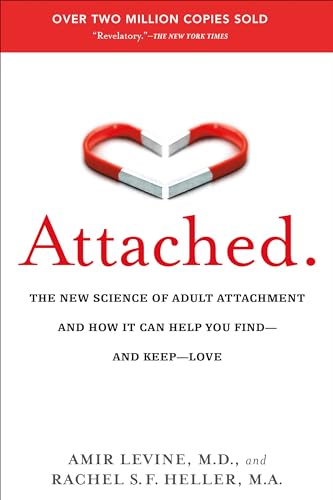
Attached
Amir Levine, M.D. & Rachel S.F. Heller, M.A.
★★★★½4.7/5
A psychiatrist and a psychologist translate decades of attachment research into a simple, testable framework — anxious, avoidant, or secure — for why some couples click and others short-circuit.
Attached earns the top spot because it gives readers something almost no other relationship book does: a diagnosis. Once you can name your attachment style and your partner’s, half the confusing, repetitive fights in a relationship suddenly make sense as a predictable dance between an anxious pursuer and an avoidant distancer. It’s grounded in real attachment science (not pop psychology), yet reads fast and hands you a same-day vocabulary for conversations that used to dead-end in blame.
Best for: Anyone who keeps dating the same “type” and wants to know why, before the next relationship
“The world is full of unhappy couples who have all the ingredients for a happy relationship — except that they don’t feel safe enough with each other to fully relax.”
How to Choose Your First Relationship Book
Not sure where to begin? Match the book to what’s actually happening in your relationship right now — one book applied beats ten books skimmed.
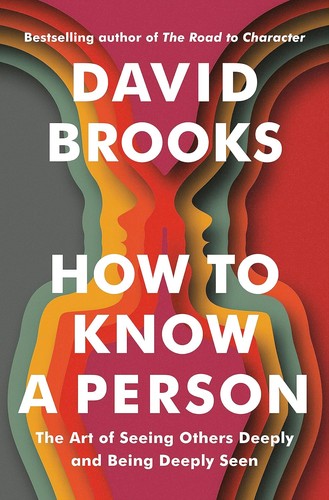
How to Know a Person
David Brooks
4.6/5
A New York Times columnist’s field guide to truly seeing other people — the habits that separate “Illuminators” who make you feel understood from “Diminishers” who don’t.
Why it made the list: Goes beyond scripts and tactics to the underlying posture of attention that makes every other relationship skill work.
Best for: Anyone who wants deeper friendships, a stronger marriage, or to become the person people open up to.
“The biggest gift you can give another person is your attention.”
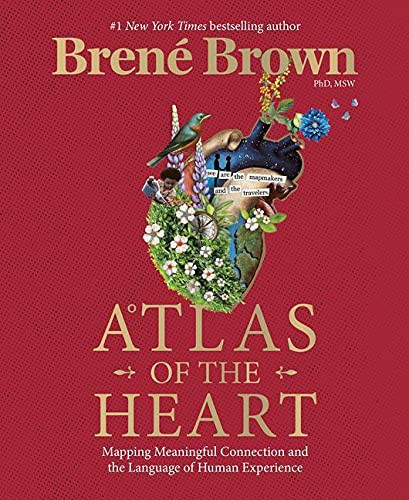
Atlas of the Heart
Brené Brown
4.8/5
A field guide to 87 emotions and experiences, arguing that naming what you feel precisely is the first step toward processing it and connecting with the people around you.
Why it made the list: Gives couples, friends, and families a shared emotional vocabulary — most people can only name three feelings, this book maps 87.
Best for: Anyone who struggles to put feelings into words, and readers of Brown’s earlier books wanting the reference behind them.
“If we don’t have the language, we can’t identify, discuss, or grow through the experience.”
Recommended Reading Paths
Not sure where to start? Pick the path that matches where you are right now.
💍 The Marriage Path
For couples building or repairing a long-term partnership — read these five in order.
💕 The Dating & New Relationship Path
For anyone dating, newly partnered, or trying to break an old pattern.
🗣️ The Communication & Boundaries Path
For anyone whose relationships keep hitting the same wall in conversation.
More Top-Rated Books
High-scoring books just outside the top 23 — each links to our full summary and review.
 The Four Agreements
Don Miguel Ruiz
★★★★½ 4.4
 No More Mr. Nice Guy
Robert A. Glover
★★★★½ 4.3
 Games People Play
Eric Berne, MD
★★★★☆ 4
 Adult Children of Emotionally Immature Parents
Lindsay C. Gibson, PsyD
★★★★½ 4.6
 Untamed
Glennon Doyle
★★★★½ 4.3
 Wired for Love
Stan Tatkin, PsyD
★★★★½ 4.3
 Eight Dates
John Gottman & Julie Schwartz Gottman
★★★★☆ 4.2
 The Course of Love
Alain de Botton
★★★★☆ 4.1
 Big Friendship
Aminatou Sow & Ann Friedman
★★★★☆ 4
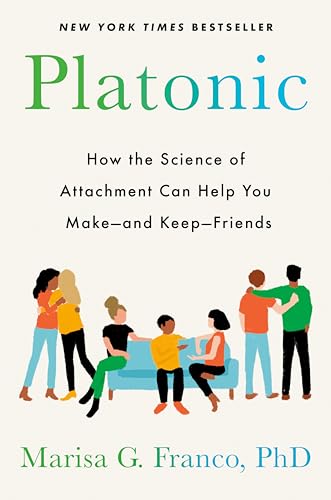 Platonic
Marisa G. Franco, PhD
★★★★☆ 4.2
 I Hear You
Michael S. Sorensen
★★★★½ 4.5
 How to Not Die Alone
Logan Ury
★★★★☆ 4.2
 Modern Romance
Aziz Ansari & Eric Klinenberg
★★★★☆ 4.3
 The Art of Seduction
Robert Greene
★★★★★ 4.7
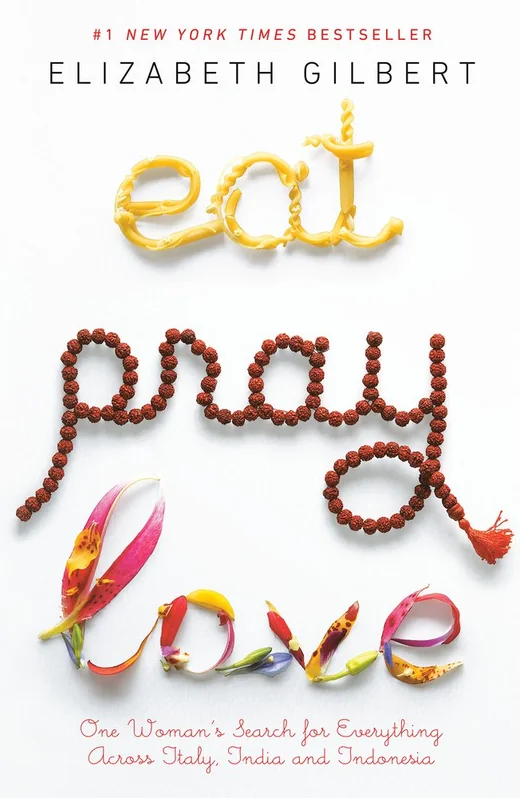 Eat Pray Love
Elizabeth Gilbert
★★★★ 4.4
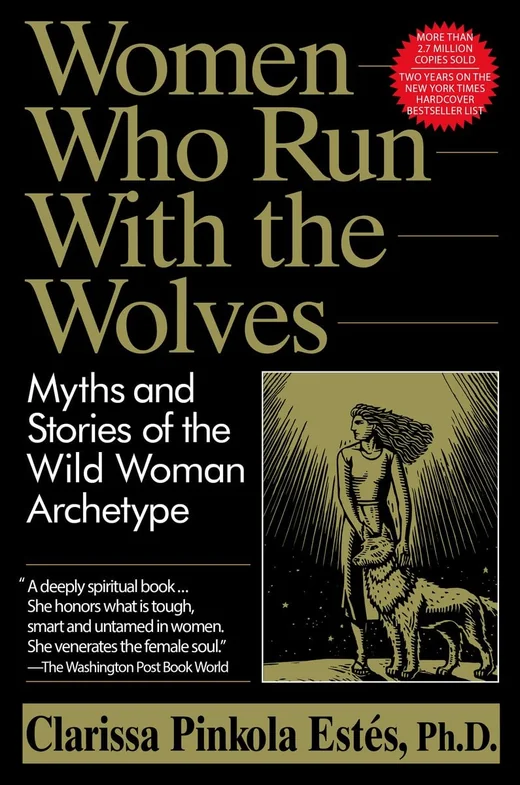 Women Who Run with the Wolves
Clarissa Pinkola Estés
★★★★★ 4.6
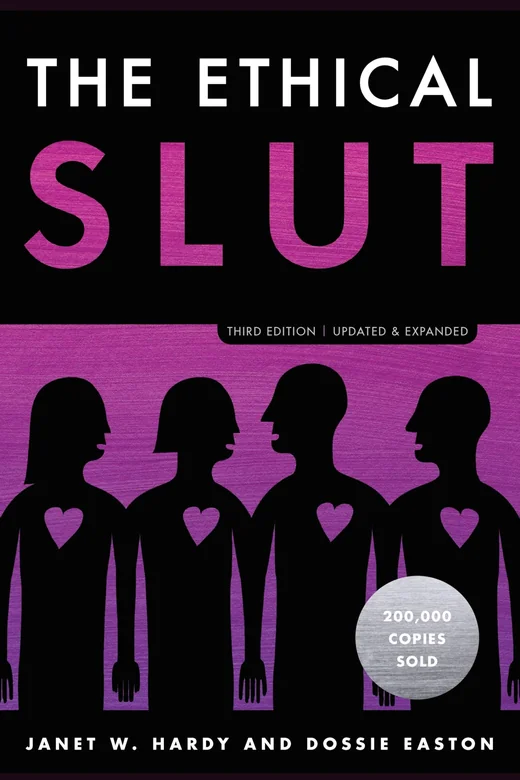 The Ethical Slut
Dossie Easton & Janet Hardy
★★★★★ 4.7
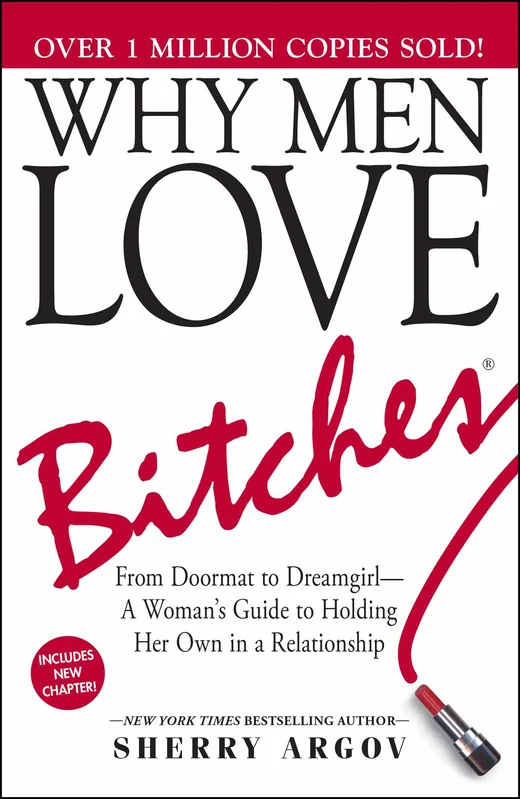 Why Men Love Bitches
Sherry Argov
★★★★★ 4.7
Browse All Relationship Summaries →
The Authors Behind These Books
The therapists, researchers, and journalists who shaped modern relationship science.
Best Books by Category
Ready to go deeper on one area? Each category page ranks the best books on that topic — all with free summaries.
How We Rank: The 5-Point Rubric
Every book on The Growth Reads is evaluated against five weighted criteria. This isn’t a popularity contest — it’s a rubric designed to surface the books that actually change how people communicate, argue, and connect.
Lasting Impact
Does this book change how you actually behave in a relationship months and years later, or just during a motivated week?
Evidence Quality
Is the advice grounded in real relationship science — attachment research, EFT outcome studies, Gottman’s decades of couple observation — or just anecdote and opinion?
Practical Application
Can you use this in tonight’s conversation, or does it require years of therapy first?
Writing & Originality
Is it well-written and engaging, and does it bring a genuinely new framework to the conversation?
External Consensus
How does it hold up against therapist recommendations, Amazon and Goodreads ratings, and citation in later relationship research?
Every book listed here has a free in-depth summary on our site, so you can preview the ideas before committing to the full read. These summaries are educational content, not therapy or legal advice — for serious relationship distress, please consult a licensed couples therapist. Read the full methodology →
Frequently Asked Questions
What is the #1 best relationship book of all time?
Based on our five-criteria rubric — lasting impact, evidence quality, practical application, writing originality, and expert consensus — Attached by Amir Levine, M.D. and Rachel S.F. Heller is the #1 best relationship book on our list. It translates decades of attachment research into a simple, testable framework for why couples repeat the same patterns, and gives readers a shared vocabulary the same day they read it.
What relationship books do therapists and couples counselors actually recommend?
Licensed couples therapists most often point clients toward the research-backed titles on this list: John Gottman’s The Seven Principles for Making Marriage Work, Sue Johnson’s Hold Me Tight (Emotionally Focused Therapy), and Attached for attachment-style work. These three are grounded in clinical research rather than opinion, which is why therapists trust them as homework between sessions.
Is The 5 Love Languages scientifically valid?
The five-category model itself hasn’t held up to rigorous psychometric testing the way attachment theory has, and researchers have found the “one dominant language” framing is oversimplified. That said, the underlying value — getting couples to explicitly discuss what makes each partner feel loved — is genuinely useful even if the five-box model is more of a conversation starter than a scientific instrument.
What is the best relationship book for men specifically?
No More Mr. Nice Guy by Robert A. Glover is the most-recommended book aimed specifically at men who struggle with people-pleasing and suppressing their own needs in relationships. For a research-based option not written specifically for one gender, Attached and Never Split the Difference both test well with male readers who prefer a more analytical framing.
How many relationship books should I actually read?
Three is enough to meaningfully change a relationship if you actually apply them: one on attachment or emotional patterns (Attached or Hold Me Tight), one on communication (Nonviolent Communication or Crucial Conversations), and one specific to your situation (Boundaries, Fair Play, or Mating in Captivity). Reading twenty books with no follow-through changes nothing — implementing three does.
What relationship book should I start with if I’ve never read one?
Start with Attached. It’s the fastest to read, gives you an immediately useful framework (your attachment style), and doesn’t require a partner to also read it for you to benefit. From there, move to a communication-focused book like Nonviolent Communication or Crucial Conversations.
Are relationship books actually worth reading, or is it all common sense?
The best ones aren’t common sense — they’re counterintuitive. Gottman’s finding that most marital arguments are never actually resolved (couples just learn to manage them) contradicts the common assumption that healthy couples fix their disagreements. Perel’s point that emotional safety can suppress desire runs directly against the assumption that closeness always improves a relationship. The value is in the research overturning folk wisdom, not confirming it.
Attached vs. The 5 Love Languages — which should I read first?
Attached first. It explains why you and a partner behave the way you do under stress or distance, which is a deeper, more diagnostic layer. The 5 Love Languages is a faster, lighter follow-up for translating that understanding into specific daily gestures once you already know your patterns.
What relationship books do dating coaches recommend?
Attached is the most frequently recommended title by modern dating coaches for identifying self-defeating patterns before a relationship starts, followed by How to Not Die Alone by Logan Ury (a former Google behavioral scientist) for the practical mechanics of modern dating itself.
What is the best short relationship book for a quick read?
I Hear You by Michael S. Sorensen is one of the shortest, most immediately actionable books on the list — under 100 pages, focused entirely on the single skill of validation. For something short but research-dense, Rosenberg’s Nonviolent Communication can also be read in a single sitting.
How we analyze books: Every book on The Growth Reads is read cover to cover, summarized in 3,000–4,000 words of original analysis, and rated against our five-criteria rubric (lasting impact, evidence quality, practical application, writing & originality, external consensus). Rankings are reviewed annually. We never use AI-generated summaries — every word is human-curated. These pages are educational content, not therapy or legal advice.
Read the full methodology →
All Relationships Book Summaries on The Growth Reads
67 in-depth summaries & reviews
8 Rules of Love Summary & Review: How to Build a Relationship That Lasts
Act Like a Lady, Think Like a Man Summary & Review: Spot a Keeper Before You Get Attached
Adult Children of Emotionally Immature Parents Summary & Review: Why Your Childhood Felt So Lonely
All About Love Summary & Review: Why Love Is a Practice, Not a Feeling
Atlas of the Heart Summary & Review: Name What You Feel
Attached Summary & Review: Decode Your Love Patterns With Science
Big Friendship Summary and Review
Boundaries Summary & Review: When to Say Yes, How to Say No to Take Control of Your Life
Codependent No More Summary & Review: How to Stop Losing Yourself in Others
Come As You Are Summary & Review: The Science of Desire You Were Never Taught
Crucial Conversations Summary & Review: Master High-Stakes Dialogue
Daring Greatly Summary & Review: Why Vulnerability Is the Ultimate Courage
Difficult Conversations Summary & Review: How to Discuss What Matters Most
Eat Pray Love Summary & Review: Pleasure, Prayer, and a Life That Holds Both
Eight Dates Summary & Review: The Research-Backed Conversations That Transform Relationships
Fair Play Summary & Review: A Game-Changing System for Dividing Domestic Life
Games People Play Summary & Review: The Hidden Scripts in Your Relationships
Getting the Love You Want Summary & Review: Why You Chose Your Partner
Getting to Yes Summary & Review: Negotiate Agreement Without Giving In
His Needs, Her Needs Summary & Review: Affair-Proof Your Marriage
Hold Me Tight Summary & Review: Seven Conversations for Love
How to Be an Adult in Relationships Summary & Review: The Five A’s of Mindful Loving
How to Know a Person Summary & Review: The Art of Truly Seeing Others
How to Not Die Alone Summary & Review: The Science of Finding Love
How to Talk So Kids Will Listen Summary & Review: 5 Skills That Transform Parenting
How to Win Friends and Influence People Summary & Review: Carnegie’s Timeless Playbook
How We Love Summary and Review
I Don’t Want to Talk About It Summary and Review
I Hear You Summary & Review: The Validation Skill That Transforms Every Relationship
It’s Not You Summary & Review: How to Heal from a Narcissistic Relationship
Love Sense Summary & Review: The Revolutionary Science of Romantic Love
Loving Bravely Summary and Review
Mating in Captivity Summary & Review: How to Keep Desire Alive in Love
Maybe You Should Talk to Someone Summary & Review: A Therapist’s Guide to Being Human
Men Are from Mars, Women Are from Venus Summary & Review: Why You Keep Misunderstanding Each Other
Modern Romance Summary & Review: Why Endless Choice Makes Dating Harder
Never Split the Difference Summary & Review: FBI Negotiation Tactics for Everyday Life
No More Mr Nice Guy Summary & Review: Why People-Pleasing Backfires
Nonviolent Communication Summary & Review: Replace Blame With Connection
Not Nice Summary & Review: Stop People-Pleasing and Start Being Real
Passionate Marriage Summary and Review
Rising Strong Summary & Review: How to Get Back Up When Vulnerability Knocks You Down
Set Boundaries, Find Peace Summary & Review: Stop Overgiving and Start Living
Supercommunicators Summary & Review: The Secret Language of Connection
Thanks for the Feedback Summary & Review: Master the Art of Receiving
The 5 Love Languages Summary & Review: The Secret to Love That Lasts
The Art of Loving Summary & Review: Love Is a Skill You Practice
The Art of Seduction Summary & Review: How Attraction Is Built
The Course of Love Summary and Review
The Dance of Anger Summary & Review: Turn Anger Into Real Change
The Ethical Slut Summary & Review: Stop Treating Love Like a Pie
The Four Agreements Summary & Review: A Simple Code for Personal Freedom
The Let Them Theory Summary & Review: Mel Robbins on the Power of Letting Go
The Mastery of Love Summary & Review: Build Relationships Without Fear
The New Rules of Marriage Summary and Review
The Relationship Cure Summary & Review: The Science of Turning Toward
The Road Less Traveled Summary & Review: Why Growth Demands Embracing Difficulty
The Seven Principles for Making Marriage Work Summary & Review: Research-Backed Relationship Wisdom
The State of Affairs Summary & Review: Rethinking Infidelity and Modern Love
Toxic Parents Summary & Review: Susan Forward’s Guide to Breaking Free from Hurtful Family Patterns
Untamed Summary & Review: Stop Pleasing and Start Living as Your Truest Self
Why Marriages Succeed or Fail Summary & Review: The Science Behind Lasting Love
Why Won’t You Apologize Summary and Review
Wired for Love Summary & Review: The Neuroscience of Lasting Relationships
Women Who Run with the Wolves Summary & Review: Retrieve the Instinct You Buried