
The Accountability Ladder: Name the Rung, Then Climb
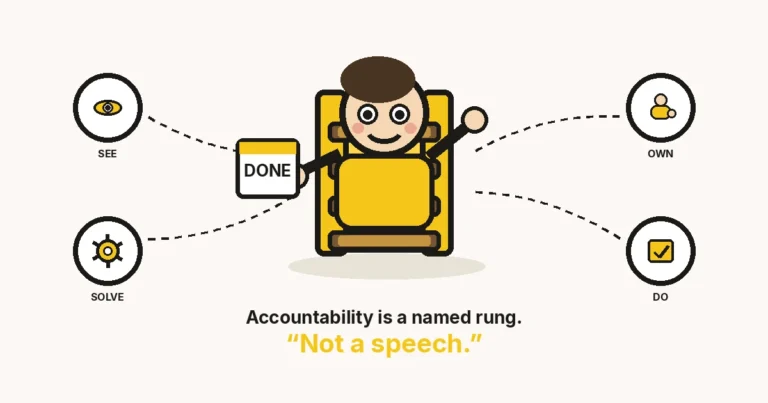
The accountability ladder is a map of stalled work: below the line in blame and wait, or above it in see, own, solve and do. Name the rung, then take the next one.
The accountability ladder is a map of stalled work: below the line in blame and wait, or above it in see, own, solve and do. Name the rung, then take the next one.
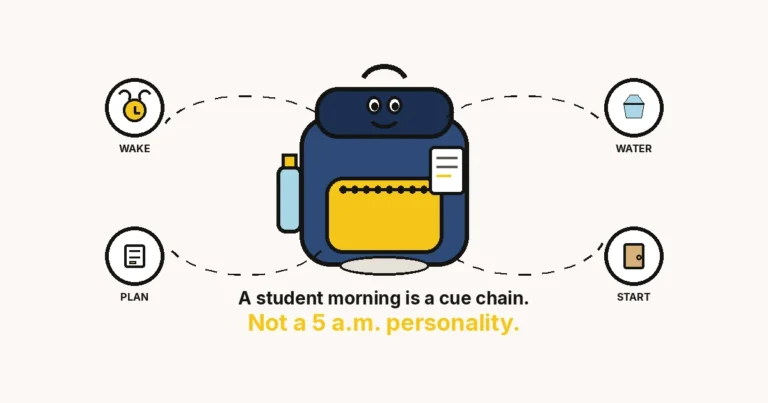
A morning routine for students is a short cue chain that starts the first class or first study block — not a 5 a.m. personality. Pack tonight, body before phone, one first-hour line.
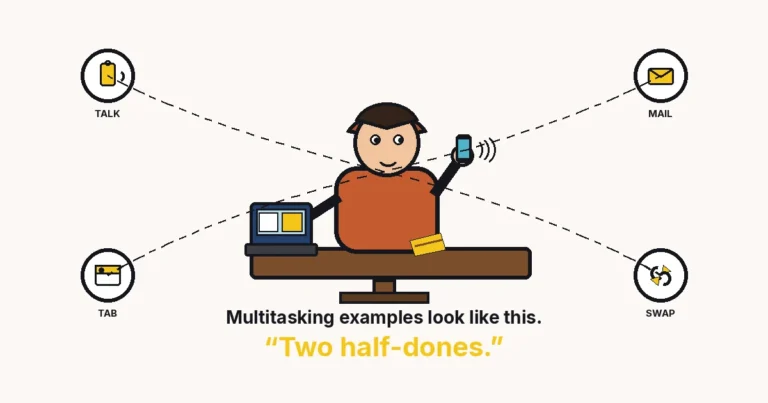
Multitasking examples are two live jobs in one body — a half-heard call, a mid-sentence chat — not background music. Recognition, not a second how-to-stop-multitasking guide.
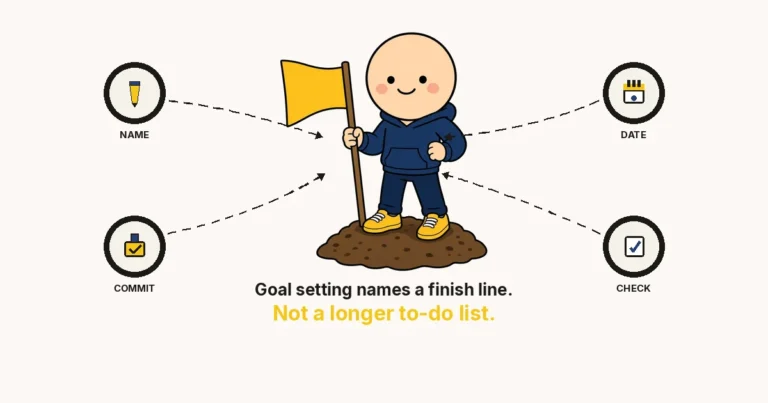
Goal setting is naming a finish line you can test later — not a wish, a task, a habit, or a longer to-do list. Specific hard goals beat do-your-best (Locke).
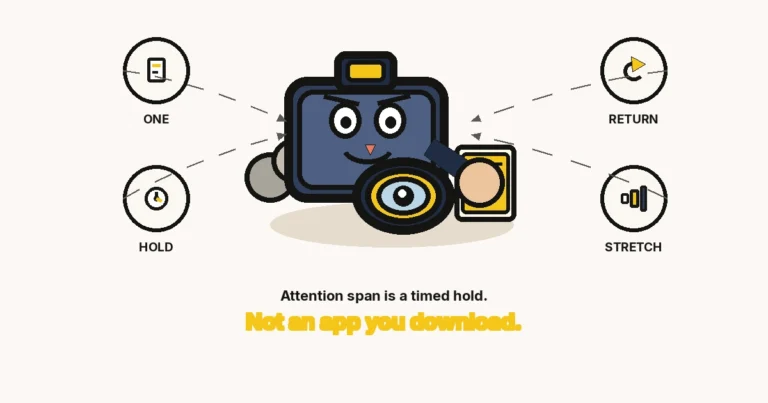
Increase your attention span by parking unfinished work, putting the phone away, running a timed hold, and stretching two minutes — not by downloading a brain-training app.
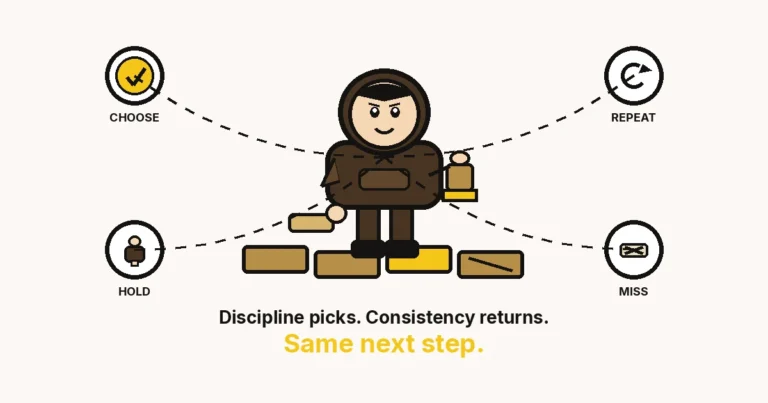
Discipline and consistency are two different work habits: a hold in this block, and a return across days. Not a grit speech.
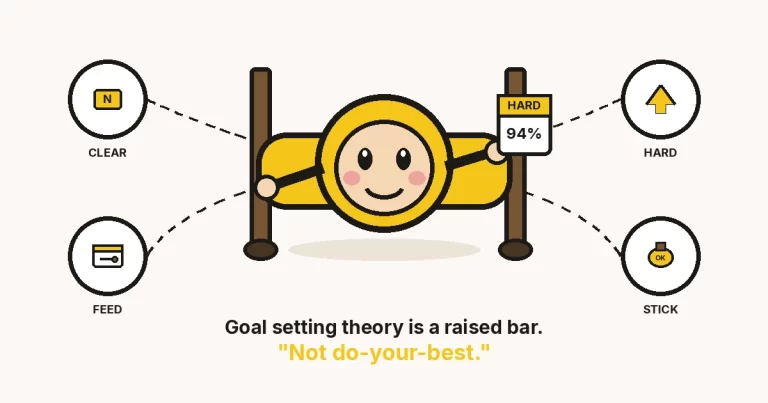
Goal setting theory: a hard, specific target beats do-your-best if you are committed, able, and can see the score. Locke and Latham, not a vision board.
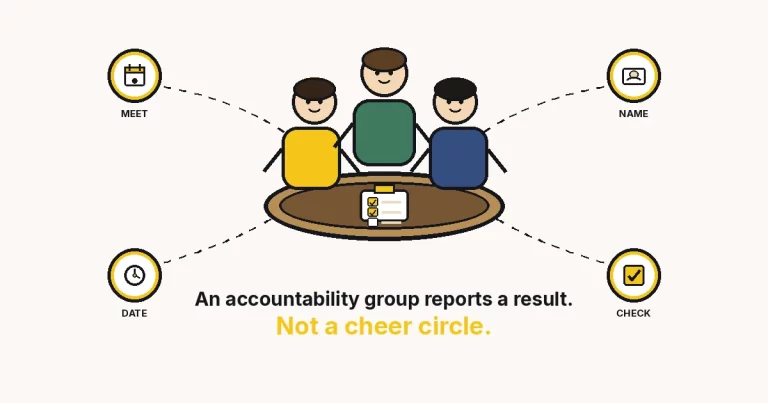
An accountability group is three or more people who meet on a date so each name reports a result, not a mood. Identifiable evaluation, not a cheer circle.
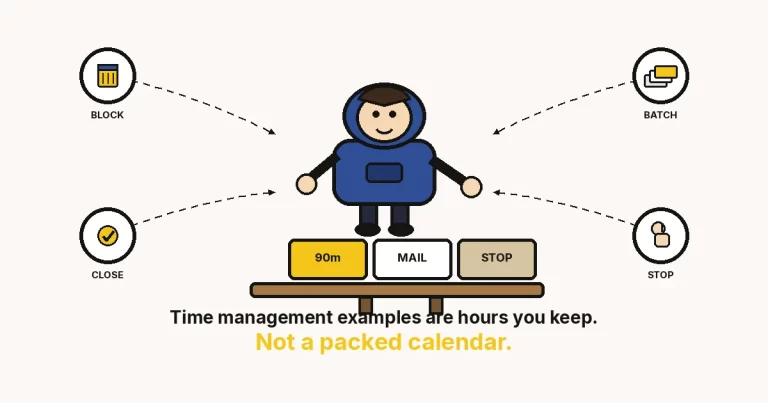
Time management examples are hours you kept — a protected block, a batched inbox, a written no, a timed close — not a packed calendar. What the research treats as a visible behaviour, and what is only busy.
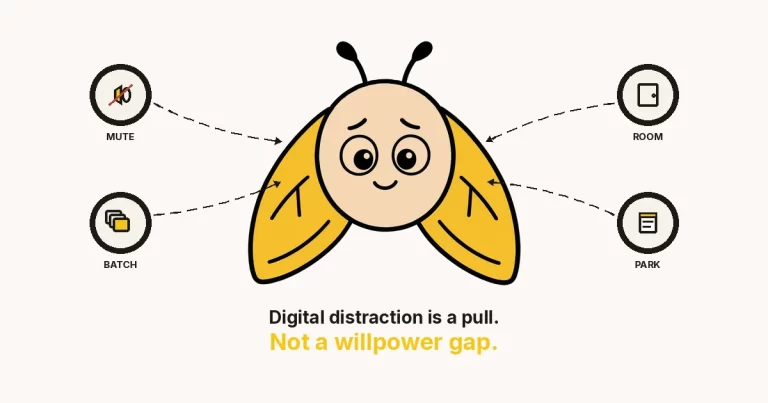
Digital distraction is the attention tax of screens, tabs, and alerts inside the work — not a willpower gap, and not the same problem as a silent phone on the desk.
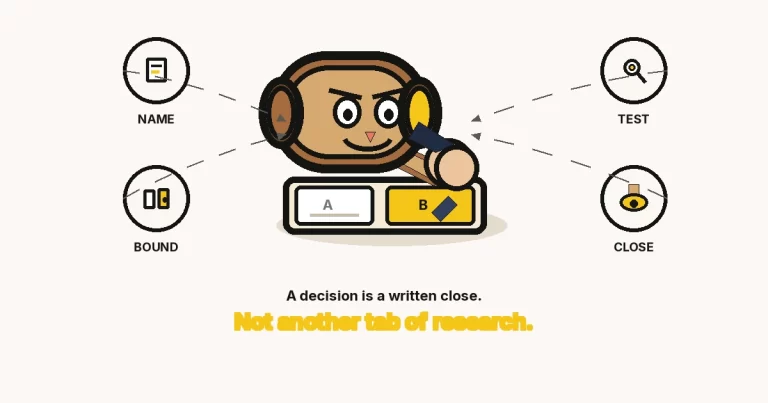
Make a decision by naming the call, bounding the door, running one disconfirming test, and writing the first action — a 6-step close, not another tab of research.
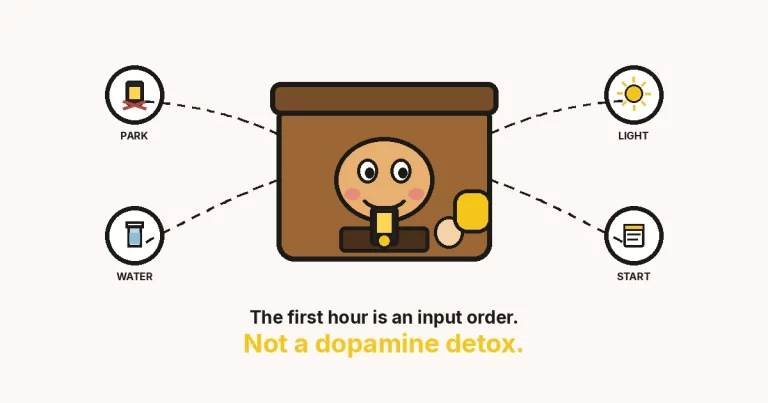
A low-dopamine morning routine is a quieter first hour: delay high-stimulation inputs until after light, water, and one work block. Stimulus order, not a brain hack.