
How to Develop Willpower: Delay the Urge, Don’t Fill a Tank
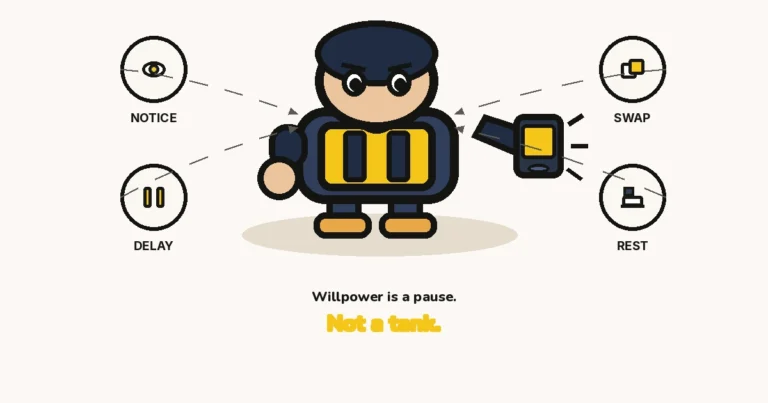
Develop willpower by naming the urge, changing the situation, writing an if-then delay, and swapping a cheaper action — a pause you install, not a tank you fill.
Develop willpower by naming the urge, changing the situation, writing an if-then delay, and swapping a cheaper action — a pause you install, not a tank you fill.
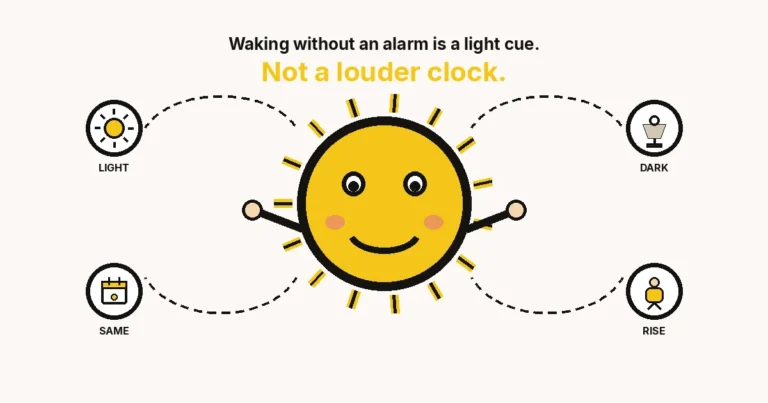
Waking without an alarm is a light-and-regularity cue, not a louder clock. Morning light and a stable sleep window fire before the buzzer — not a sleep-clinic page.
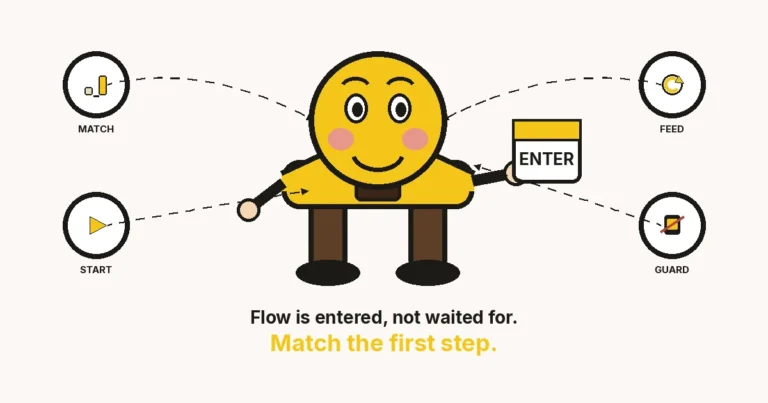
How to enter a flow state is to match the first stretch to today's skill, name one next move, give the work a signal, and protect the block — then start.
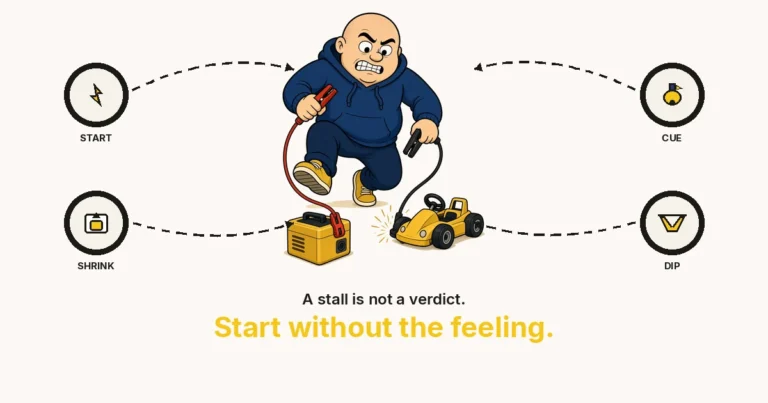
A lack of motivation is a stall before the start, not proof you are lazy. Shrink the first action, restore a need or a cue, and tell a Dip from a dead end.
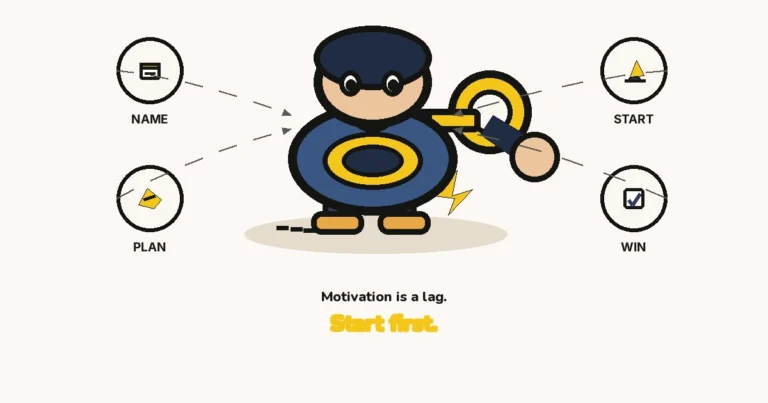
Get motivated by naming the next physical action, attaching an if-then cue, starting smaller than the mood, and logging one visible win — then contrast the obstacle instead of fantasising the finish.
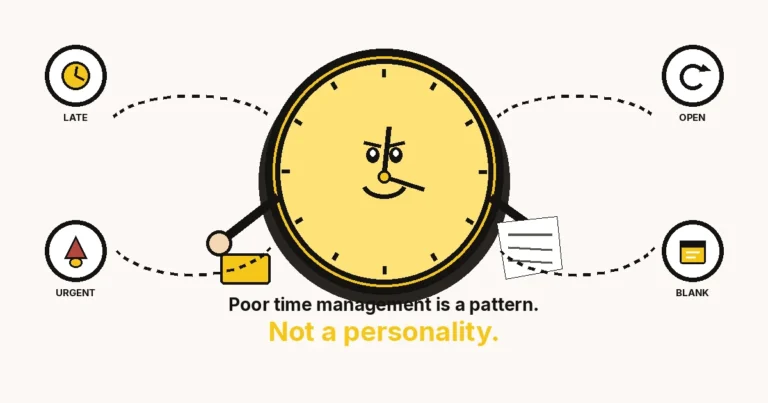
Poor time management is a pattern of calendar choices — late start, open loop, urgent first, blank important — not a personality and not depletion.
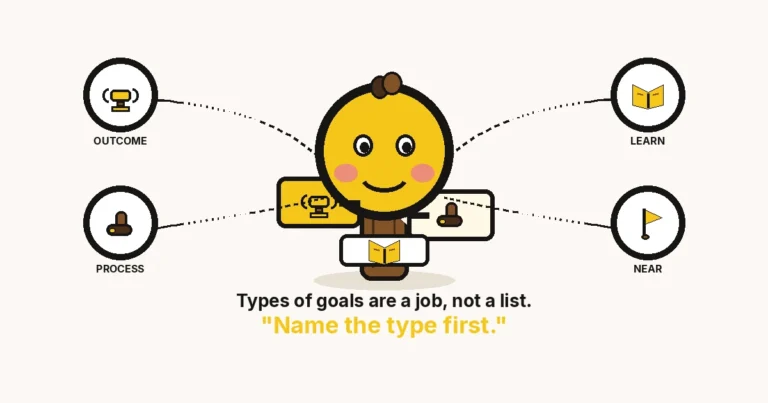
Types of goals name the job a target is doing — outcome, performance, process, or learning — not a five-letter poster. Pick the type before the number.
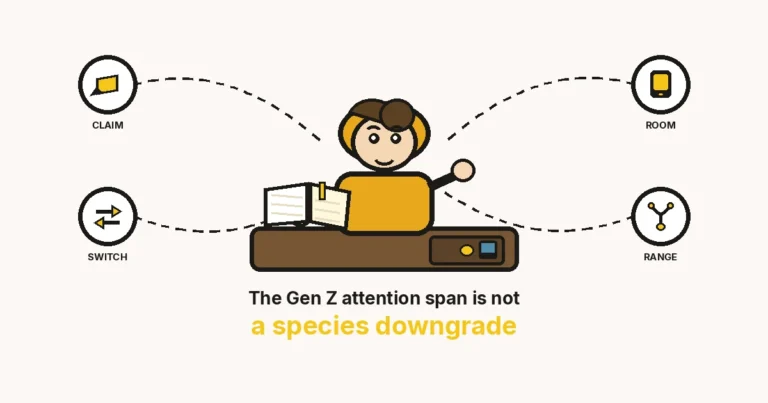
The Gen Z attention span is a cohort slogan, not a lab clock. The goldfish number is a myth. What changed is the room.
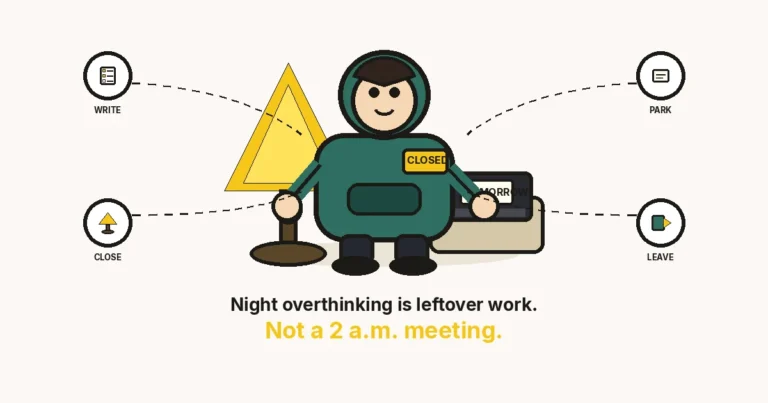
To stop overthinking at night, close leftover daytime decisions before the lights go out. Write the next step, shut the laptop, leave it.
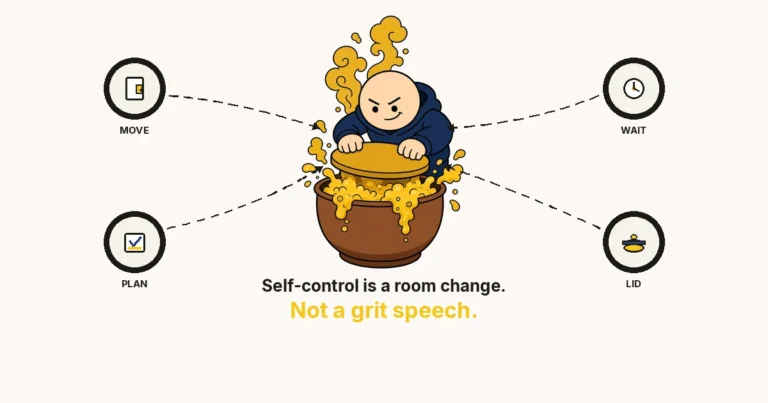
To improve self-control, change the room before the urge peaks. Work-and-habits version only — not a grit speech, not a diagnosis.
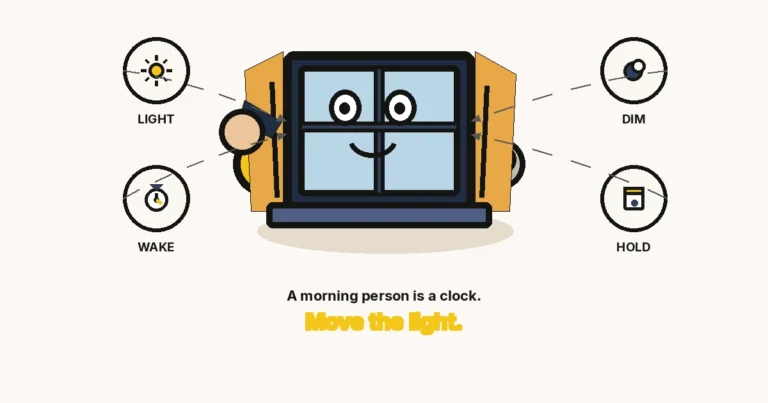
Become a morning person by keeping one wake time seven days, taking outdoor light in the first hour, dimming the evening, and shifting breakfast earlier — then hold that clock for three weeks.
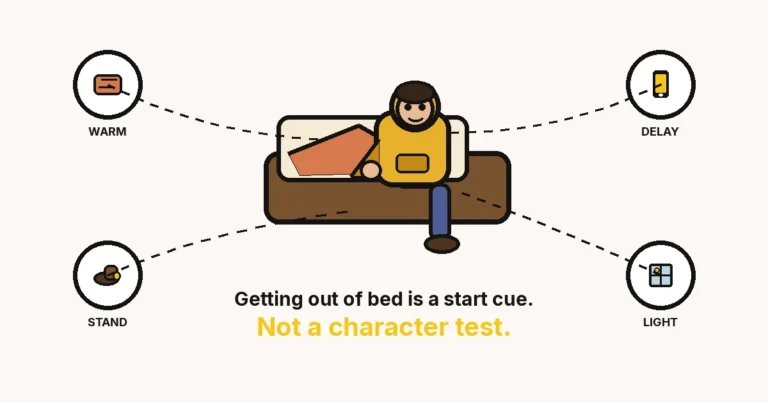
Why it is so hard to get out of bed is a start-cue problem, not a laziness verdict. The first stand is a written if–then, not a character test.