
Why Does My Memory Suck?
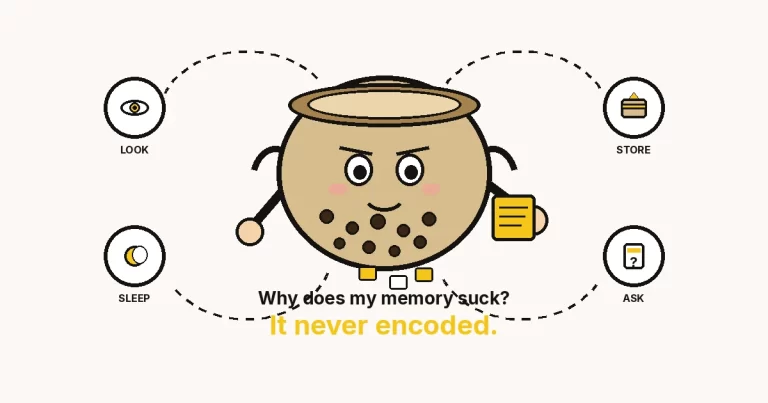
Why does my memory suck is usually a filing problem, not a broken brain. Encode on purpose, then test yourself — rereading is not a store.
Why does my memory suck is usually a filing problem, not a broken brain. Encode on purpose, then test yourself — rereading is not a store.
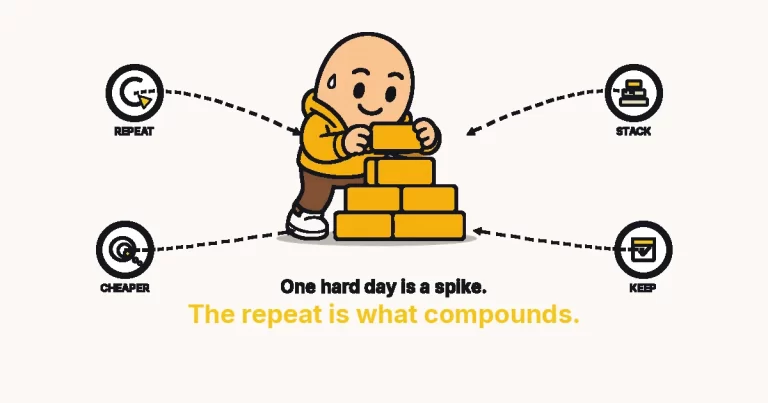
Why is consistency important? A small action, repeated in the same context, is what turns effort into automaticity — a one-off hard day does not. The repeat is the result; the spike is only a demo.
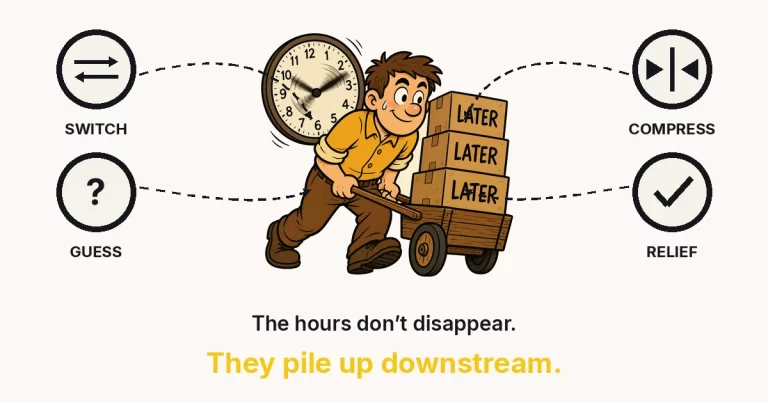
Procrastination affects time management by shrinking slack, not hours. The switching cost, the planning fallacy, and why delay compresses everything scheduled after it.
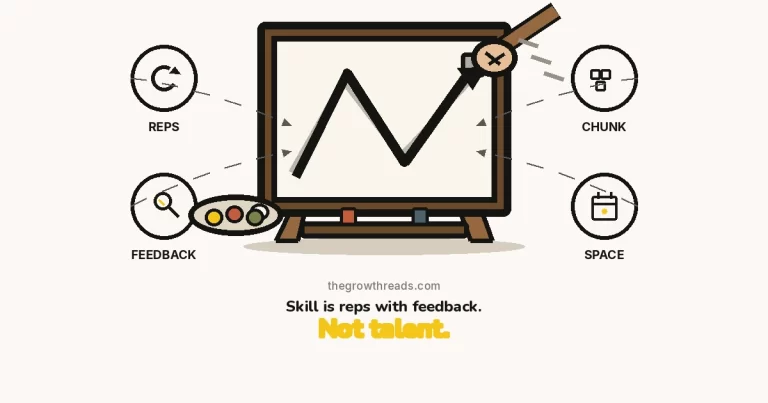
Most repetition plateaus because it's unchunked, unmeasured and never spaced. The 6-step deliberate-practice system — with the honest research on why talent explains less than you'd think.
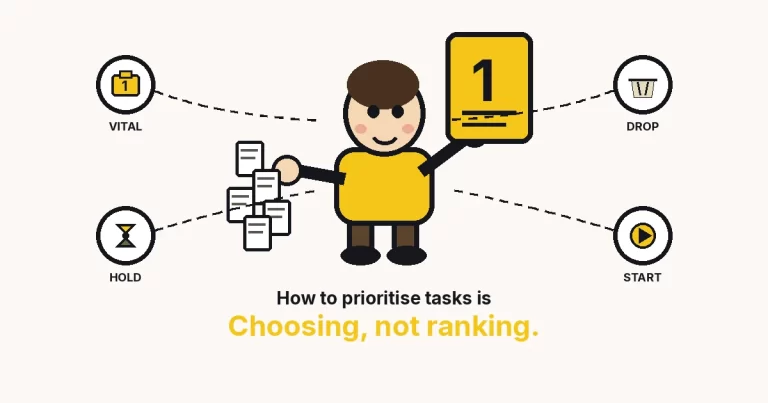
How to prioritise tasks is choosing the vital few that change the week — not ranking every item on a longer list.
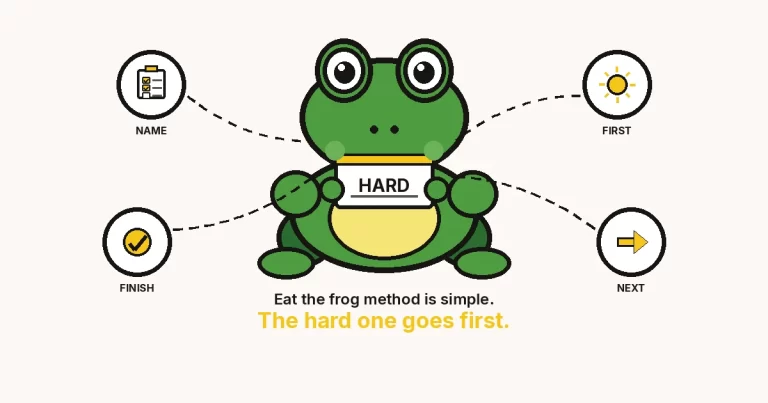
The eat the frog method is doing your hardest, most important task first — before email and before easier work. What the evidence shows, and how to run it without a 5 a.m. ritual.
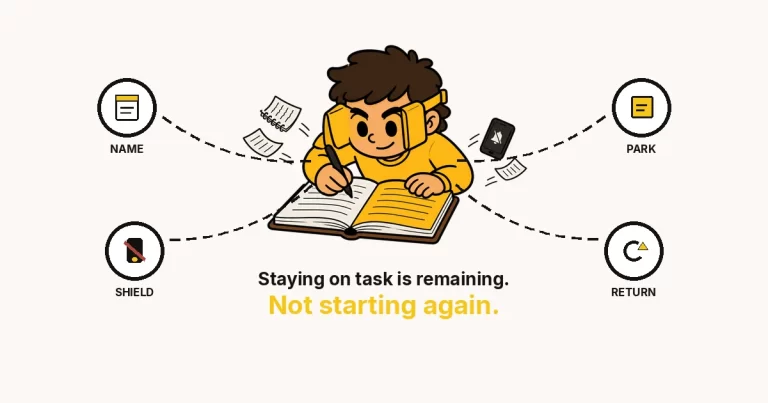
How to stay on task is remaining with one open task until a defined stop, not starting again after every ping. What the switching research actually shows.
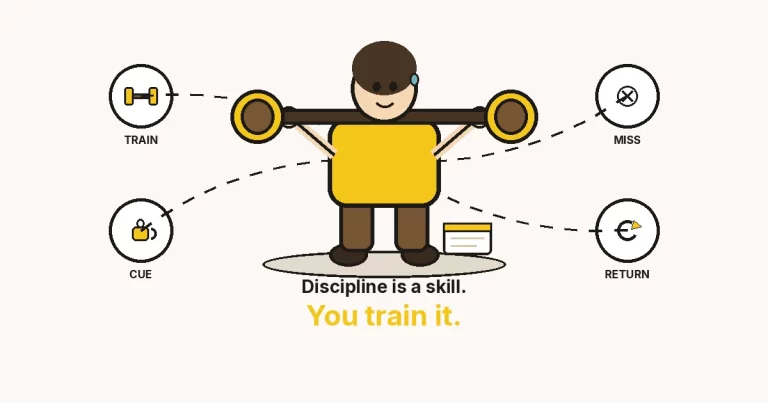
Yes — discipline is a skill: trained moves you can practise, not a personality you inherited and not a willpower tank that empties by lunch.
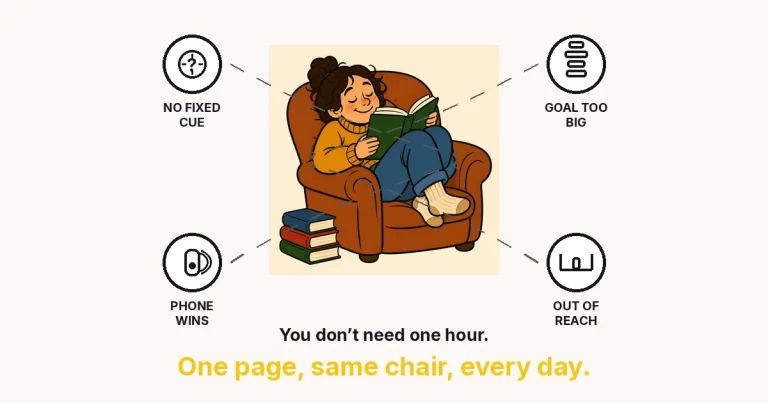
A reading habit sticks when it's tied to a fixed daily cue, not a big goal. What the habit-formation research shows, and how to make the first page automatic.
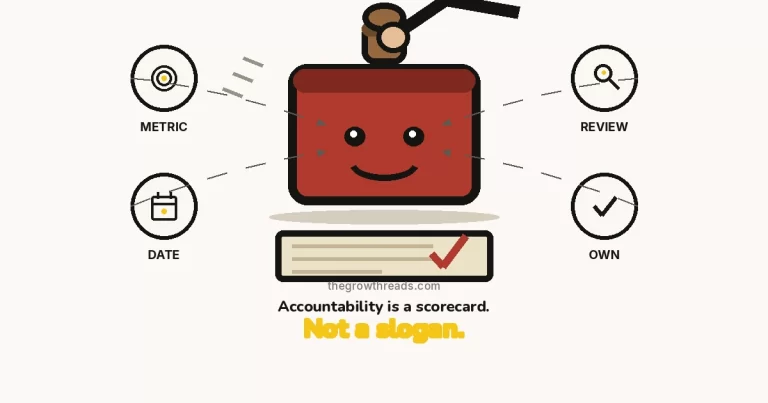
Accountability isn’t an apology reflex — it’s a scorecard: one metric, one date, one review, decided before the work starts. Six evidence-backed steps, including the honest research on when owning a mistake actually helps.
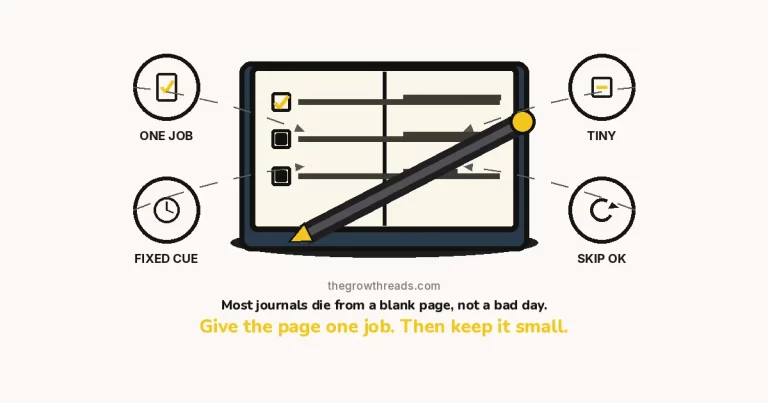
Most journaling attempts die by day four from an undefined page, not a discipline gap. Six evidence-backed steps — one job, a fixed cue, a tiny entry, and a plan on the page instead of a feeling — that actually stick.
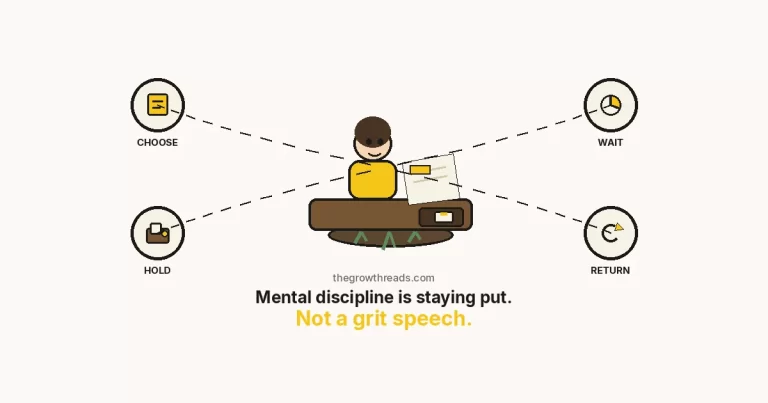
Mental discipline is the work habit of staying with a chosen task when a more comfortable option is available — not a grit speech and not a willpower tank. Choose, hold, return.