
How to Stop Second-Guessing Yourself
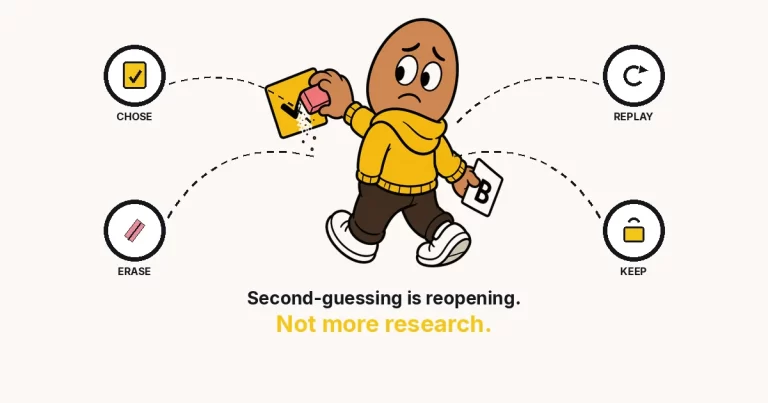
How to stop second-guessing yourself is to stop treating the replay as missing research. The choice is already stamped. A new fact can reopen a call. A feeling of doubt, by itself, usually cannot.
How to stop second-guessing yourself is to stop treating the replay as missing research. The choice is already stamped. A new fact can reopen a call. A feeling of doubt, by itself, usually cannot.
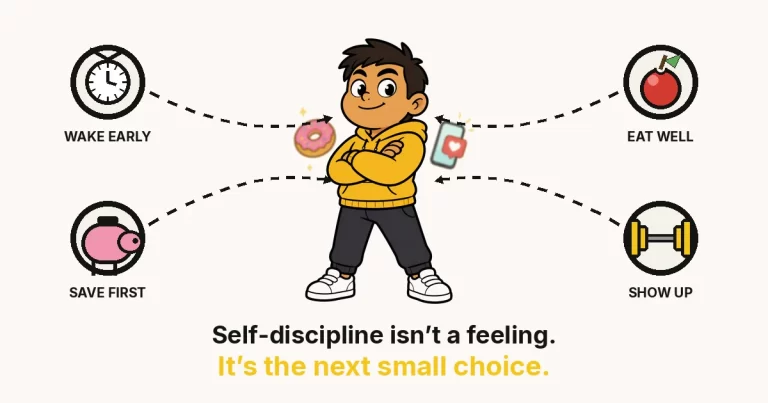
Self-discipline examples are ordinary moments where a choice gets pre-made before the urge to avoid it shows up. Twelve examples and what six peer-reviewed studies actually found.
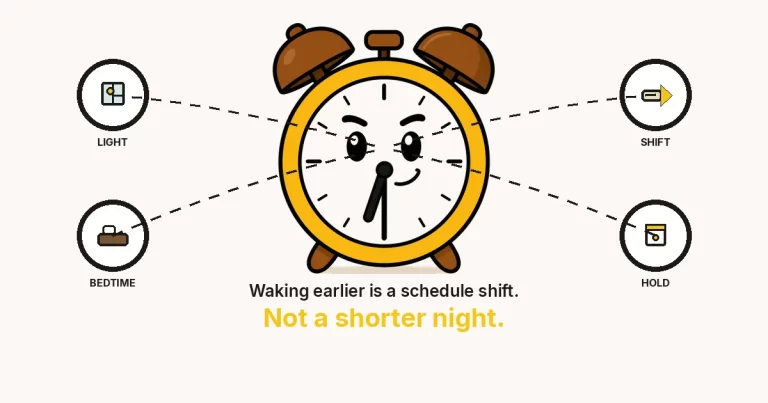
How to wake up early if you sleep late is a schedule shift, not a shorter night. Move bedtime with the alarm, add morning light, and hold the new wake on free days.
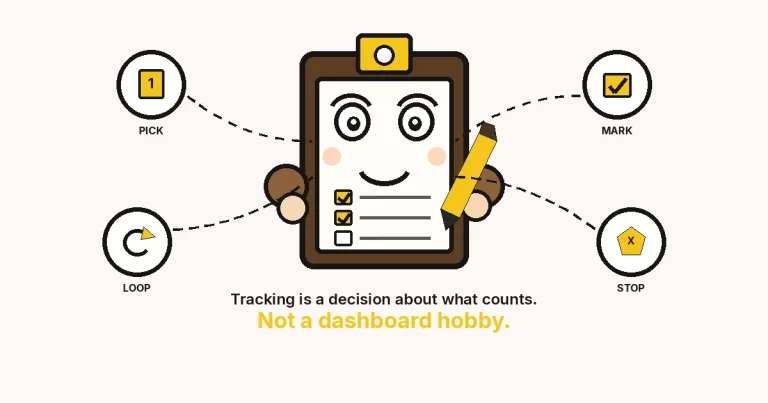
How to track productivity is to name one output that would make today count, write whether it happened, and review that record on a fixed loop — not to log every hour.
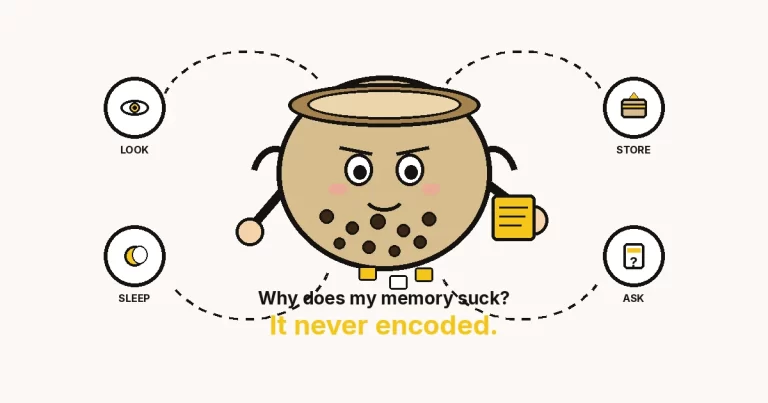
Why does my memory suck is usually a filing problem, not a broken brain. Encode on purpose, then test yourself — rereading is not a store.
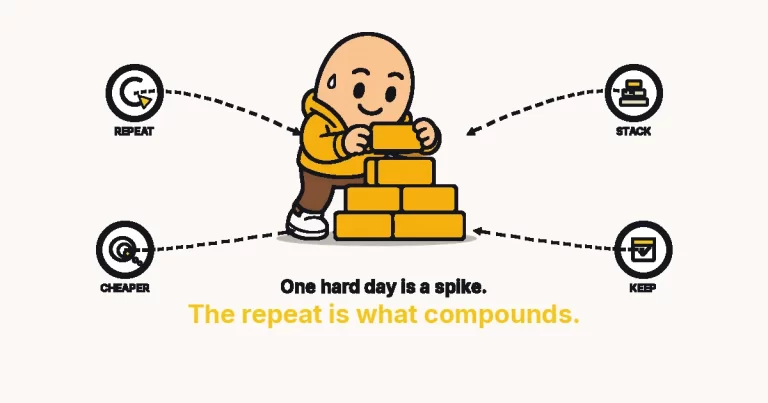
Why is consistency important? A small action, repeated in the same context, is what turns effort into automaticity — a one-off hard day does not. The repeat is the result; the spike is only a demo.
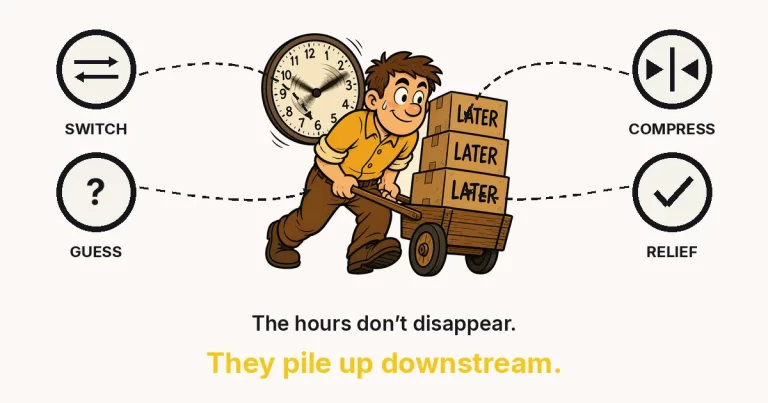
Procrastination affects time management by shrinking slack, not hours. The switching cost, the planning fallacy, and why delay compresses everything scheduled after it.
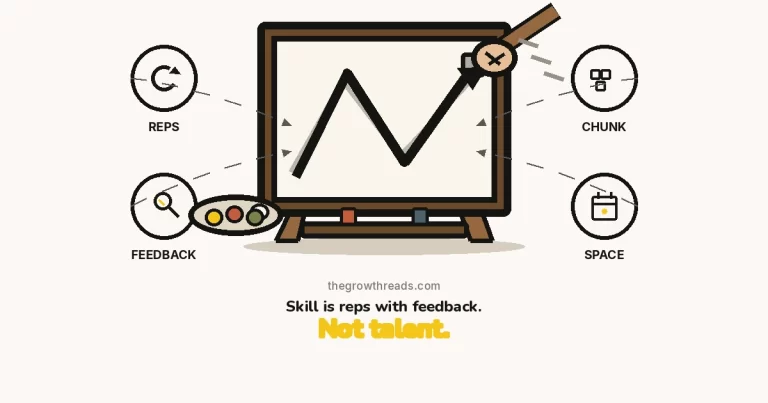
Most repetition plateaus because it's unchunked, unmeasured and never spaced. The 6-step deliberate-practice system — with the honest research on why talent explains less than you'd think.
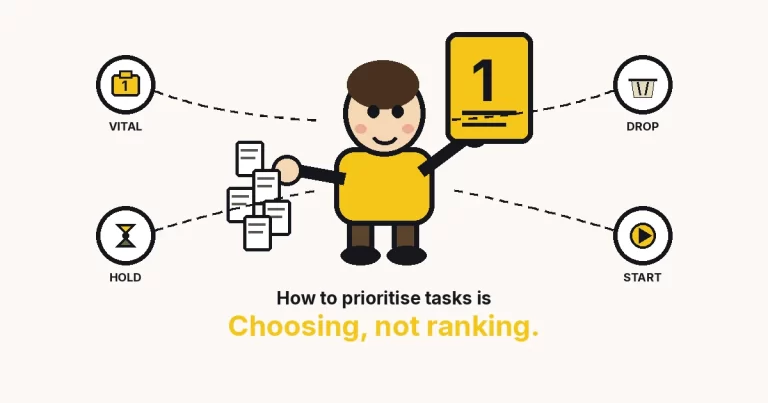
How to prioritise tasks is choosing the vital few that change the week — not ranking every item on a longer list.
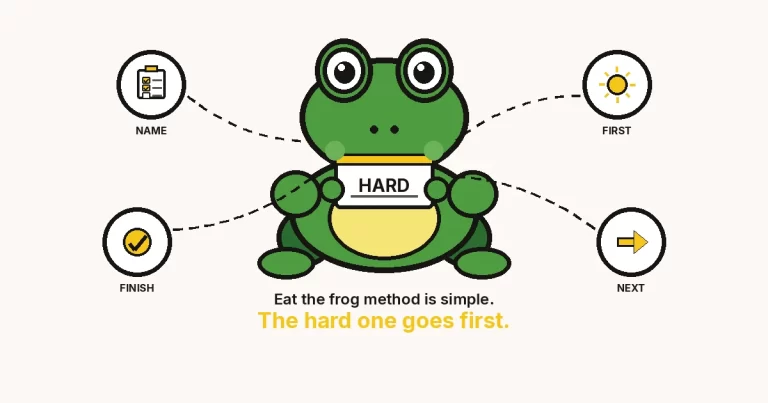
The eat the frog method is doing your hardest, most important task first — before email and before easier work. What the evidence shows, and how to run it without a 5 a.m. ritual.
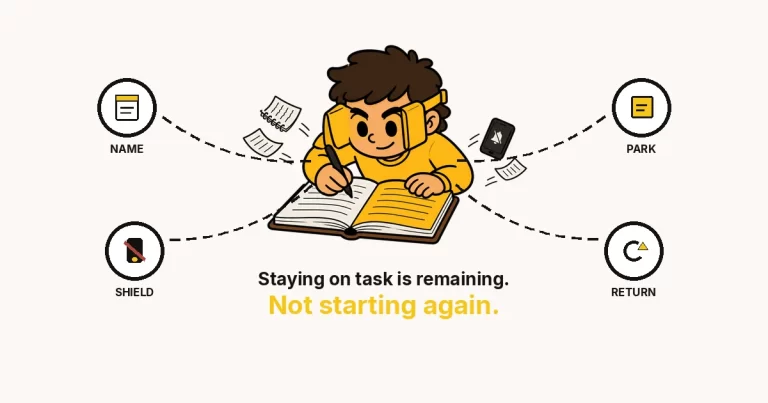
How to stay on task is remaining with one open task until a defined stop, not starting again after every ping. What the switching research actually shows.
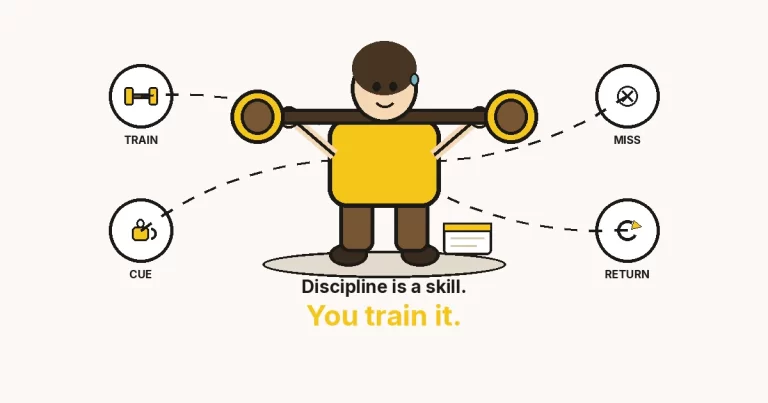
Yes — discipline is a skill: trained moves you can practise, not a personality you inherited and not a willpower tank that empties by lunch.