
What flow state actually is
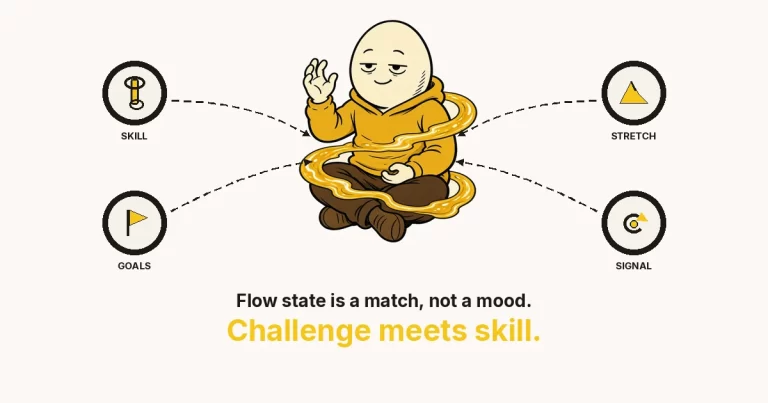
Flow state is the stretch where challenge and skill sit in the same high channel — not a mood. The conditions, the evidence, and how it differs from deep work.
Flow state is the stretch where challenge and skill sit in the same high channel — not a mood. The conditions, the evidence, and how it differs from deep work.
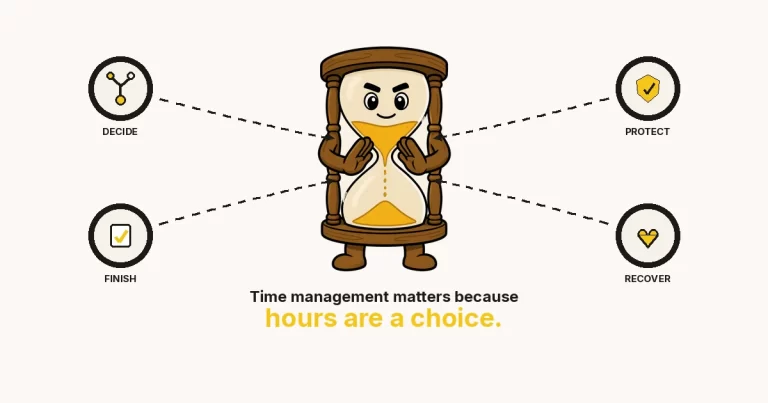
Time management is important because a finite day needs an owner. A 2021 meta-analysis of 158 studies found moderate links with work and grades, and a stronger link with wellbeing.
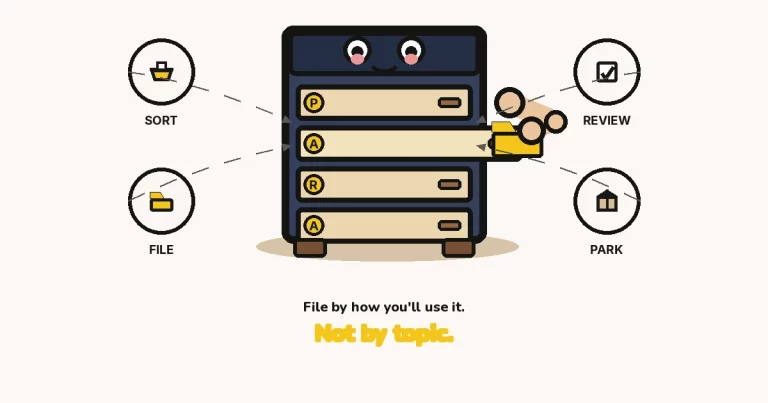
PARA files notes by how you will use them — Projects, Areas, Resources, Archives — not by topic. A 6-step setup, with the research on why piles beat a topic tree.
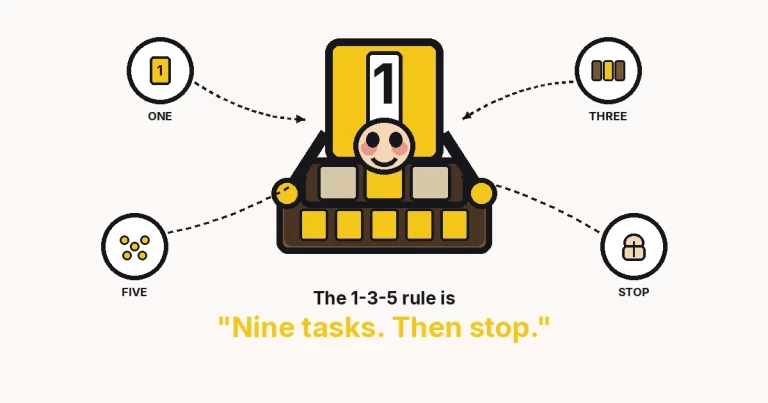
The 1-3-5 rule is a daily list cap: one big task, three medium tasks, and five small ones. Nine items, then stop — a size budget, not a ranking alphabet.
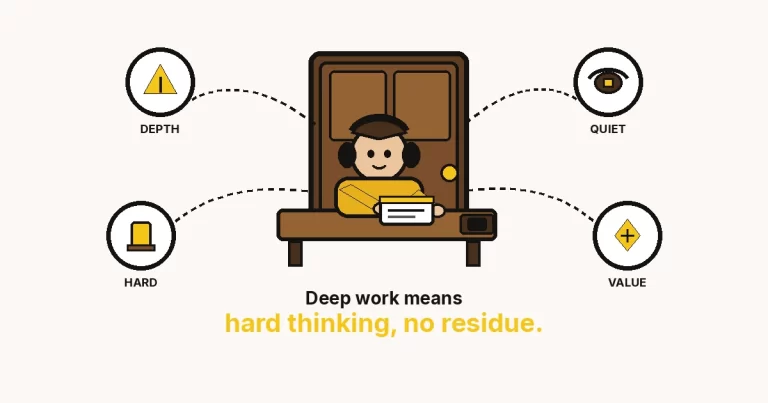
Deep work meaning is distraction-free concentration on a cognitively hard task that creates new value. Not a mood, and not a calendar block with chat open.
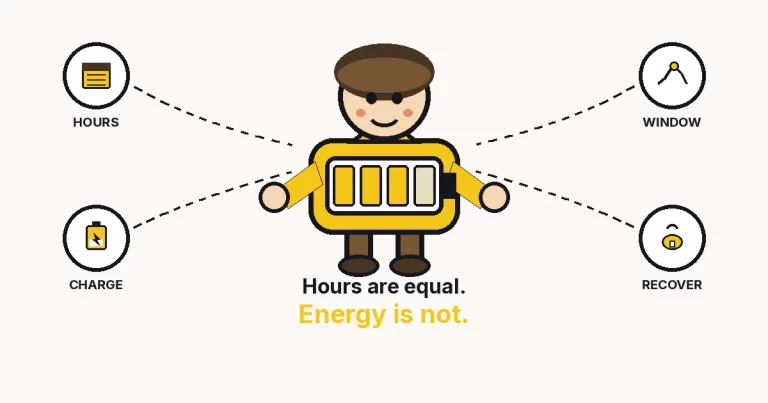
Energy management vs time management compares equal clock hours with uneven charge. A full calendar can still sit on an empty battery.
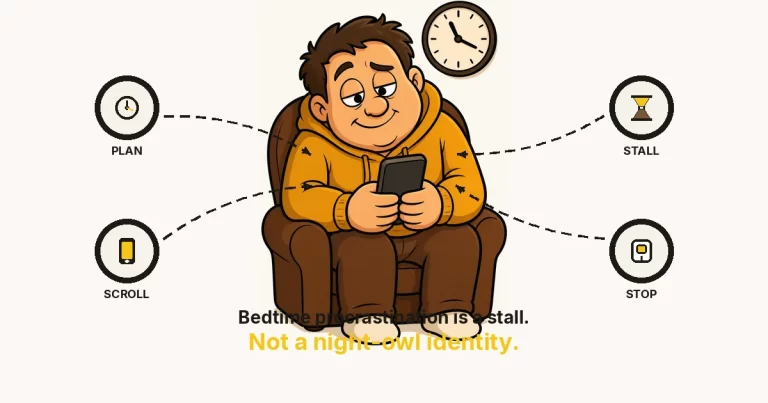
Bedtime procrastination is going to bed later than you intended, with nothing stopping you. Why evenings stall, how that differs from being a night owl, and how to shrink the first shutdown step.
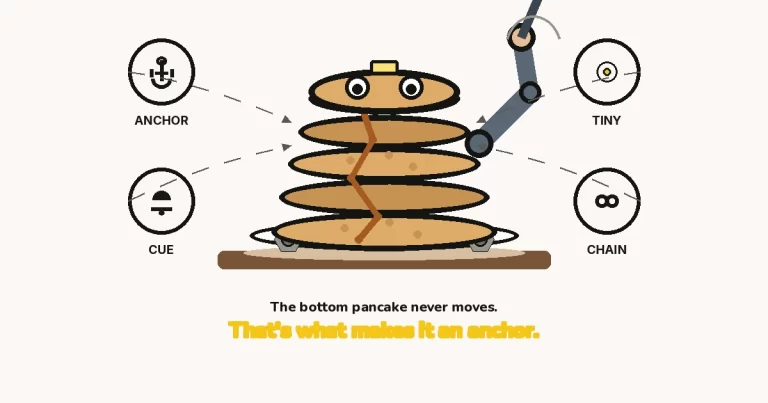
A new habit sticks fastest when it borrows the reliability of one you already do automatically. The 6-step habit-stacking system — with the research on why the anchor does the work, not willpower.
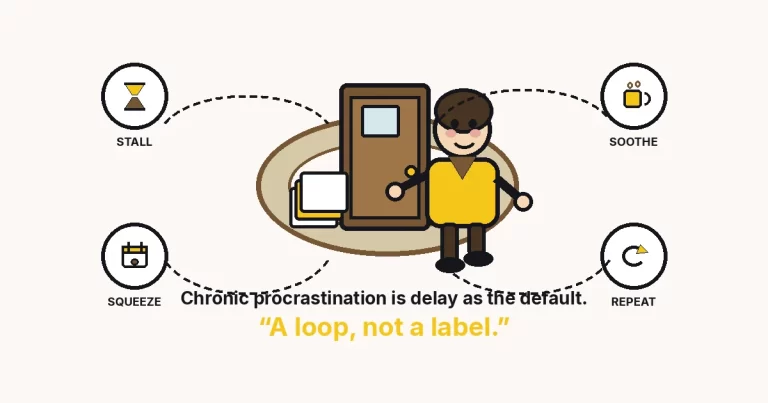
Chronic procrastination is delay that has become the default start at work — a loop, not a label. Not a diagnosis and not a treatment list.
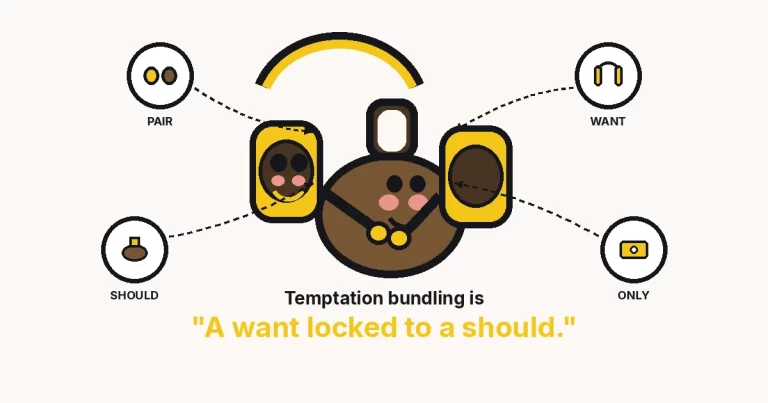
Temptation bundling pairs an instantly gratifying want with a delayed-reward should, and only allows the want during the should. The 2014 gym trial, the lock vs a suggestion, and how to run one pair.
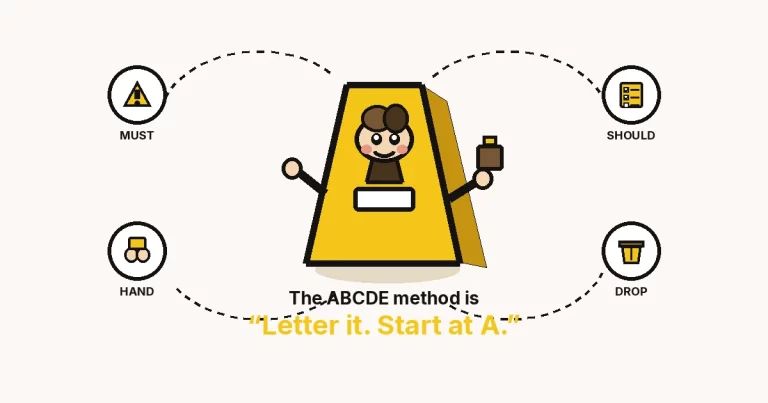
The ABCDE method letters every task A through E by skip-cost, then refuses to start a lower letter while a higher one is still open.
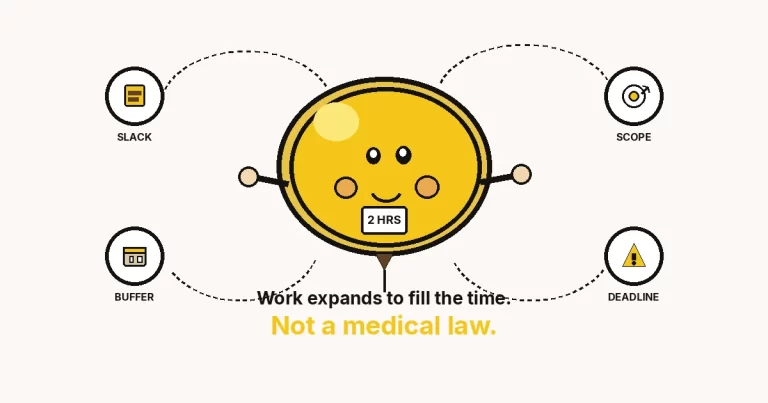
Parkinson's Law says work expands to fill the time available. The 1955 definition, why slack gets spent, and why it is not the disease.