
Task Batching: Group the Same Work, Pay the Switching Cost Once
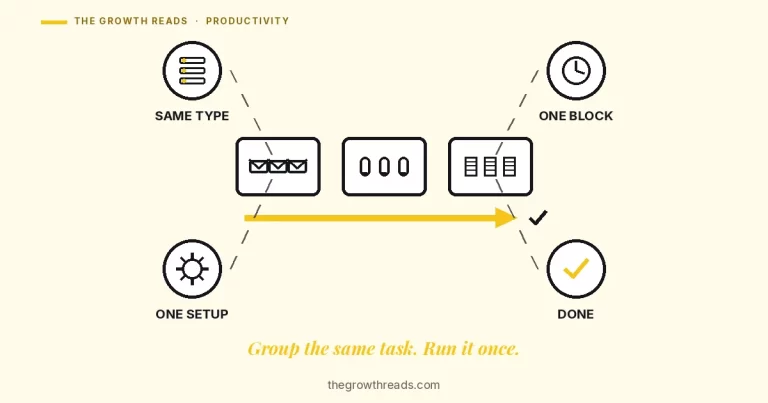
Task batching groups similar tasks into one block instead of switching between task types all day. The switching-cost evidence, how to build a batch, and when it fails.
Task batching groups similar tasks into one block instead of switching between task types all day. The switching-cost evidence, how to build a batch, and when it fails.
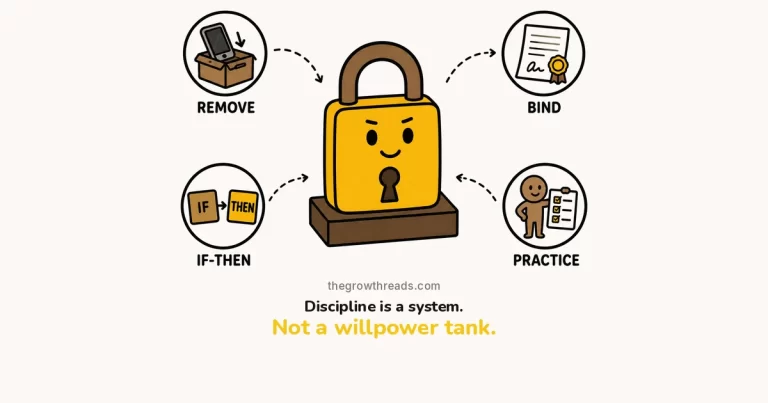
Self-discipline isn’t a willpower tank that runs dry — it’s a designed situation. Ten peer-reviewed studies on why resisting temptation in the moment is the weakest strategy, and the 6-step system that works instead.
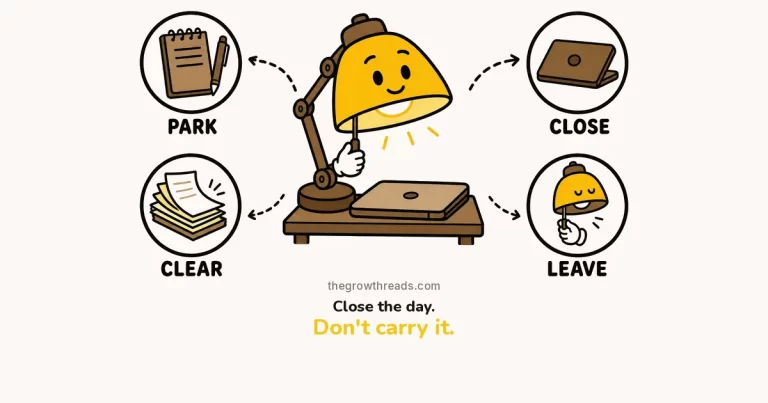
An evening routine is a work-close system: park leftover tasks, clear the desk, and mark shutdown so tomorrow is not carrying today's loops. Not a sleep protocol.
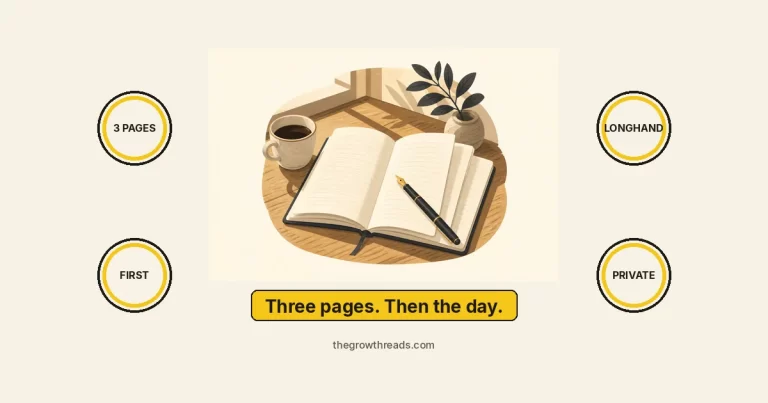
Morning pages are Julia Cameron’s practice of writing three longhand pages first thing, then stopping. Not a 5am club and not a second morning-routine how-to.
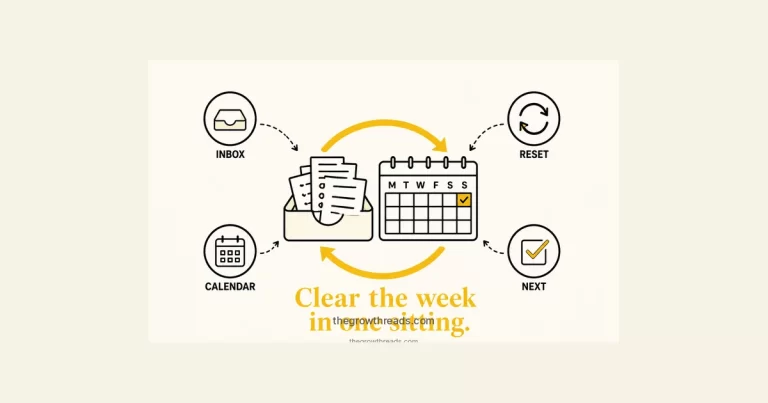
A weekly review is a fixed weekly reset that empties open loops and sets next week’s work. The GTD-style sitting so mornings stay a zero-decision zone.
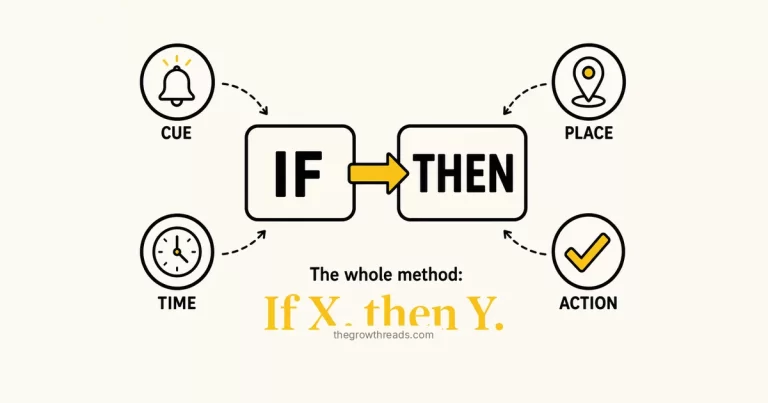
Implementation intentions are if-then plans that name a cue and a response in advance. Why they beat a vague goal, the evidence, and how to write one that actually fires.
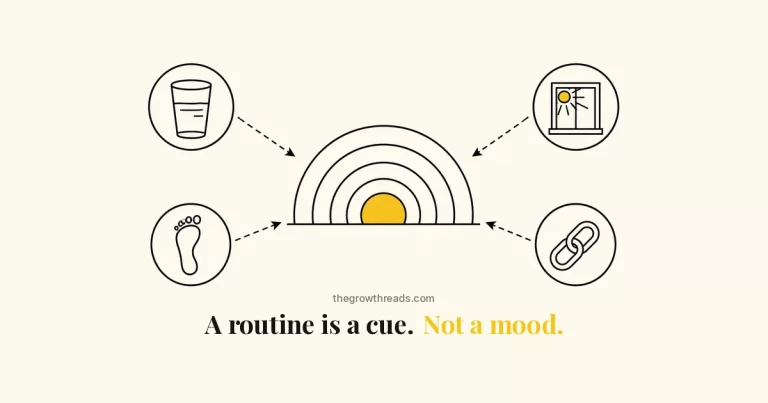
A morning routine isn’t a personality trait — it’s a fixed, repeated cue. Nine peer-reviewed studies on why routines fail, why inconsistency costs more than it feels like, and the 6-step system to build one that actually sticks.
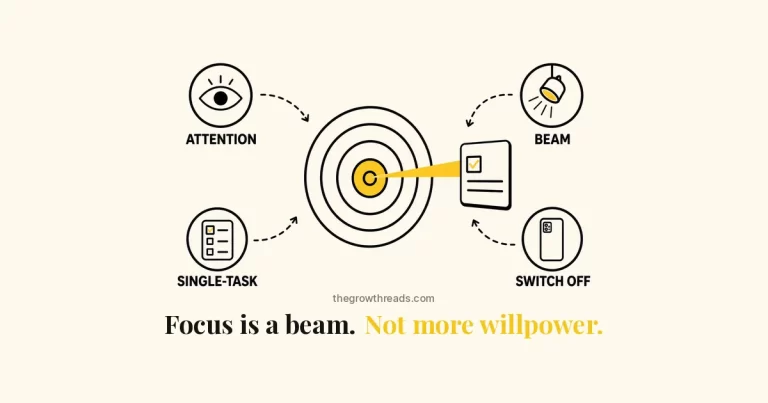
Focus isn’t a personality trait — it’s the near-total absence of task-switching. Eight peer-reviewed studies on what breaks focus, why it costs more than it feels like, and the 6-step system to fix it.
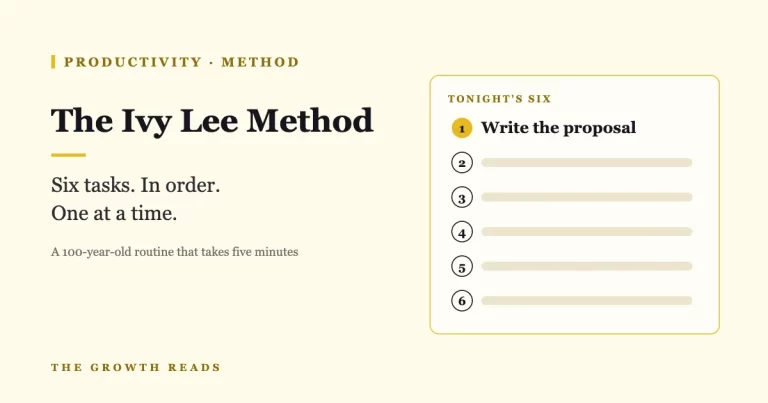
The Ivy Lee method in plain English: six tasks written the night before, ranked, done one at a time. How it works, what's true about the $25,000 story, and when it fails.
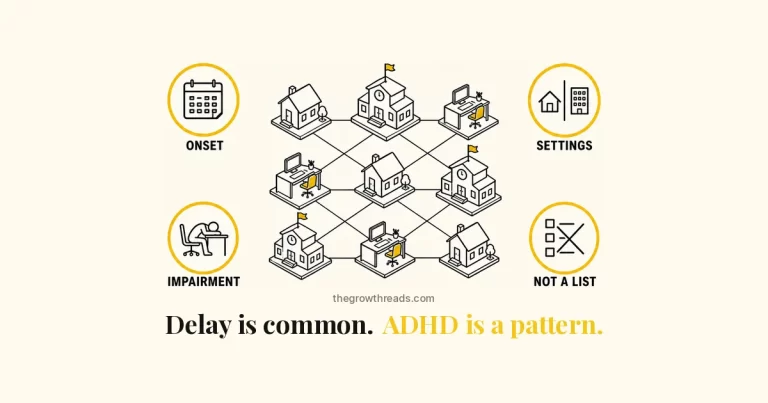
Procrastination is not, on its own, a sign of ADHD. Chronic delay is common; a diagnosis still needs childhood-onset symptoms, more than one setting, and clear impairment.
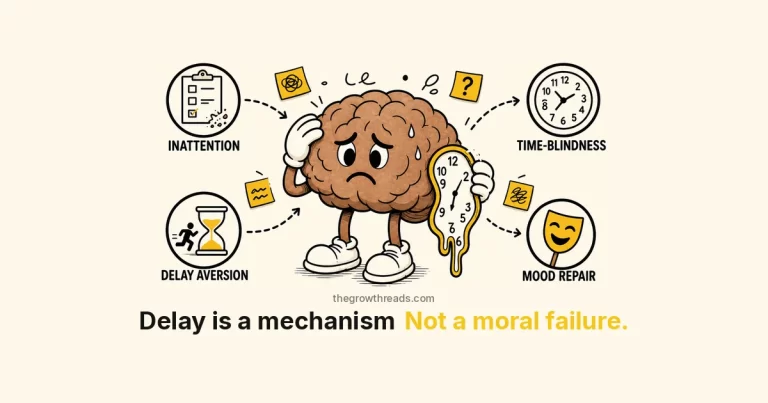
ADHD procrastination is delay driven more by inattention, time-blindness, and mood repair than laziness. Here is what the evidence actually supports — and what helps.
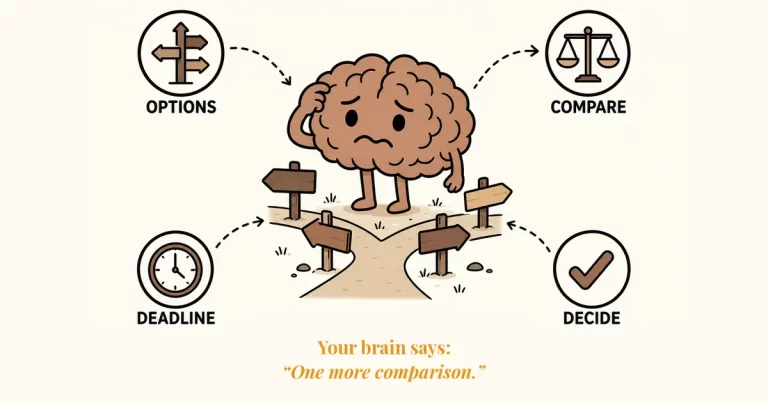
Analysis paralysis is the inability to decide because you keep comparing, not because you lack information. A research-backed 6-step system, five triggers, and what 8 studies actually show.