Leadership
Tribal Leadership Summary & Review: Upgrade Your Team from Stage 3 to Stage 4
Dave Logan's 10-year study reveals five stages of tribal culture and the leverage points to upgrade your team from individual competition to…
Read Summary →"The Google-trained behavioral scientist turned Hinge dating director, decoding why smart people make bad dating choices."
Logan Ury is an American behavioral scientist and dating coach who serves as Director of Relationship Science at the dating app Hinge, where she applies research from psychology and behavioral economics to help people find lasting relationships. Trained at Harvard and previously a decision-making researcher at Google, Ury became fascinated with why smart, capable people so often make poor choices in dating, leading her to write "How to Not Die Alone: The Surprising Science That Will Help You Find Love." The book identifies common dating patterns—like the "Monet Effect," where a blurry first impression gets optimistically filled in by the imagination—and offers a research-backed, action-oriented framework for approaching dating more intentionally.
Our in-depth summaries and reviews of his work
Dave Logan's 10-year study reveals five stages of tribal culture and the leverage points to upgrade your team from individual competition to…
Read Summary →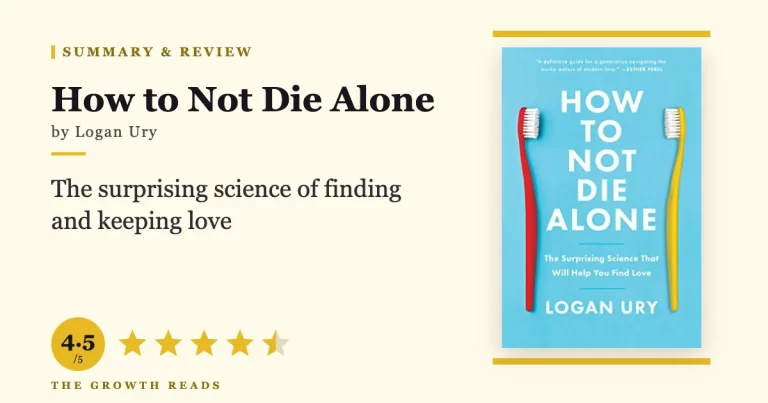
Logan Ury's behavioural science playbook for overcoming dating blind spots. Three tendencies, the spark myth, and a 7-day intentional love plan.
Read Summary →Ury pushes back on the idea of a single perfect match, arguing that lasting relationships are created through effort and choice rather than simply discovered.
People who believe relationships require ongoing effort tend to fare better than those who expect love to simply happen to them without active investment.
Ury describes how a vague first impression of someone gets optimistically filled in by our imagination, only to become disappointing once we see them more clearly up close.
"Great relationships are created, not discovered."— How to Not Die Alone
"Most of us have no idea what kind of partner will fulfill us long term."— How to Not Die Alone
"Look for someone who's there for you whether you've won an industry award or are stuck in the cancer ward."— How to Not Die Alone
"I call this error in judgment the Monet Effect. When we have only a rough perception of someone, our brain, hoping for a great outcome, fills in all the gaps optimistically."— How to Not Die Alone
Dave Logan's 10-year study reveals five stages of tribal culture and the leverage points to upgrade your team from individual competition to collective greatness.
Logan Ury's behavioural science playbook for overcoming dating blind spots. Three tendencies, the spark myth, and a 7-day intentional love plan.