
Great at Work Summary & Review: The Hidden Habits of Top Performers

Morten Hansen's five-year study of 5,000+ workers reveals the 7 practices that explain 66% of the performance gap between top performers and everyone else.

Morten Hansen's five-year study of 5,000+ workers reveals the 7 practices that explain 66% of the performance gap between top performers and everyone else.

Laura Vanderkam's data-driven case that most people have more free time than they think — the 168-hour reframe, the time log, and finding your core competencies.

Neil Fiore's psychological case that procrastination is fear, not laziness — the Unschedule, the three fears behind avoidance, and the five self-talk shifts that make starting feel safe.

FranklinCovey's field-tested system for protecting a team's most important goal from the daily whirlwind: WIGs, lead measures, a visible scoreboard, and a weekly accountability session.

Michael Moss's investigative deep-dive into how the food industry engineers salt, sugar, and fat to maximize craving — the bliss point, the heavy user economy, and what a shopper can actually do about it.

John Maxwell's 5 Levels of Leadership breaks influence into Position, Permission, Production, People Development, and Pinnacle — with a 7-day plan to start climbing.

Dr. David Burns's Feeling Good distills cognitive therapy into pen-and-paper tools that identify distorted thinking and lift depression and anxiety without medication.
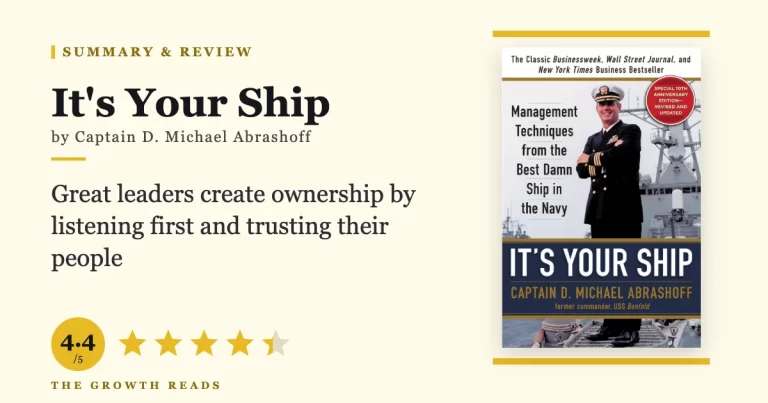
★★★★☆ (4.4/5) — A Navy captain took over the worst-performing ship in the fleet and turned it into the best, using nothing but ownership, trust, and listening. Best for: Managers and team leads who want a practical, story-driven playbook for…

★★★★★ (4.5/5) — A chess prodigy turned martial arts champion distills two decades of competing at the highest level into a genuinely transferable theory of mastery. Best for: Anyone pursuing deep skill in a competitive or high-pressure domain — sport,…

★★★★★ (4.6/5) — Nassim Taleb names a category we didn’t have a word for: things that don’t just survive disorder, they need it to grow. Best for: Readers who want a rigorous, contrarian framework for building resilience into their finances,…
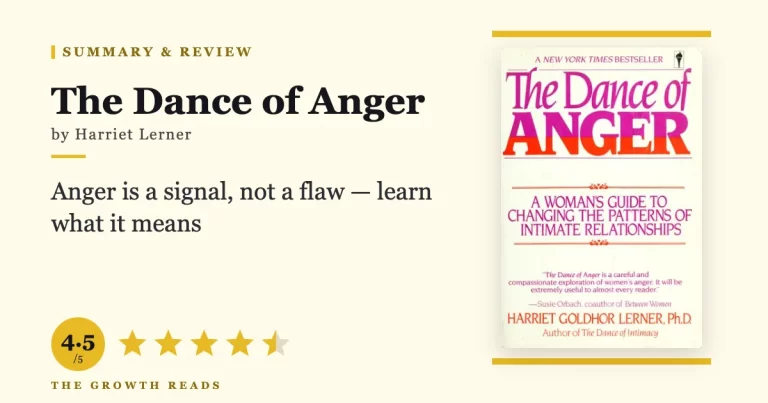
Harriet Lerner shows why swallowing or venting anger keeps relationship patterns stuck, and how a calm "I position" actually changes them.
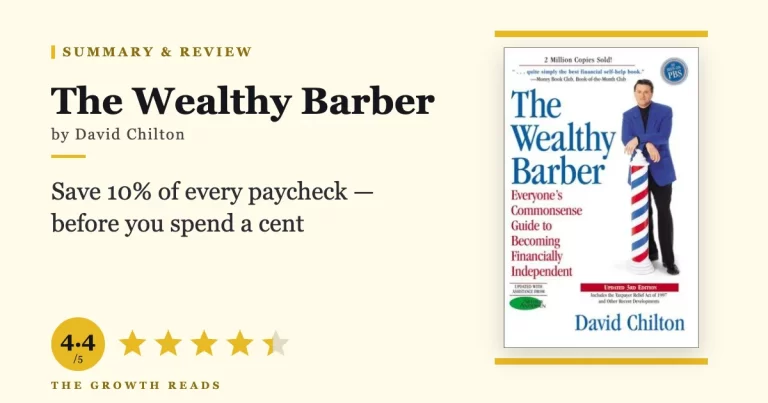
David Chilton's barbershop parable on saving 10% automatically, buying proper insurance, writing a will, and letting compound growth do the rest.