

TGR Verdict: ★★★★☆ 4.3/5
A candid, reported memoir that treats platonic friendship with the same seriousness we usually reserve for marriage — arguing convincingly that a “Big Friendship” takes real, ongoing work to survive.
Big Friendship in one minute
Aminatou Sow and Ann Friedman, co-hosts of the podcast Call Your Girlfriend, spent over a decade building one of the most publicly discussed friendships in modern media — and nearly lost it. Big Friendship interweaves their own story, including a multi-year period of strain they call “the Stretch” and the friendship therapy they eventually sought, with reporting on why adult friendship gets so little of the intentionality we grant romantic relationships. Their core argument: a “Big Friendship” — a bond of great strength that transcends life phases, geography, and emotional shifts — doesn’t run on autopilot. It has to be maintained, negotiated, and sometimes professionally repaired, just like a marriage.
Key takeaways
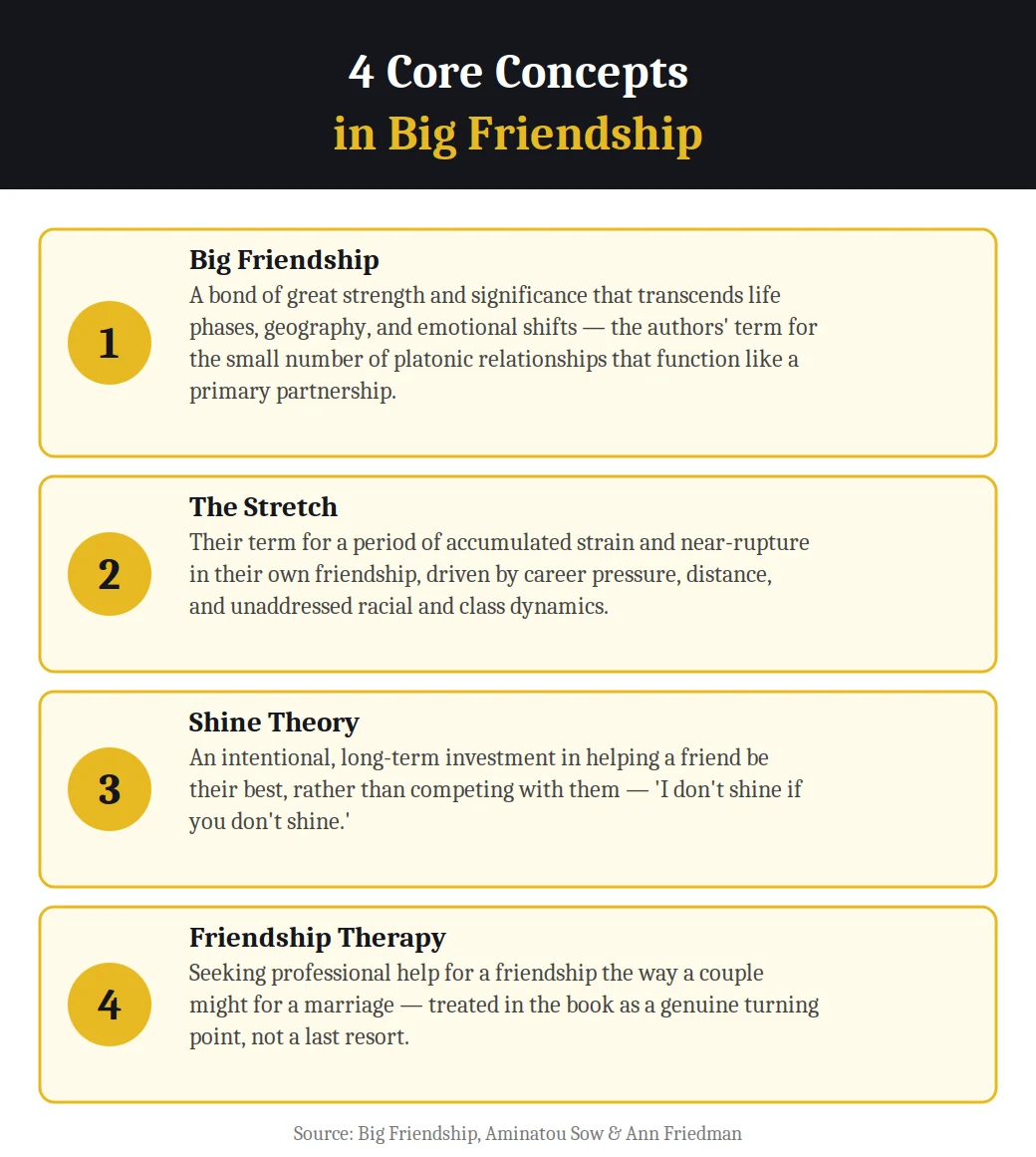
- A “Big Friendship” is a bond of great strength and significance that transcends life phases, geography, and emotional shifts — not every friendship reaches this level, and that’s fine.
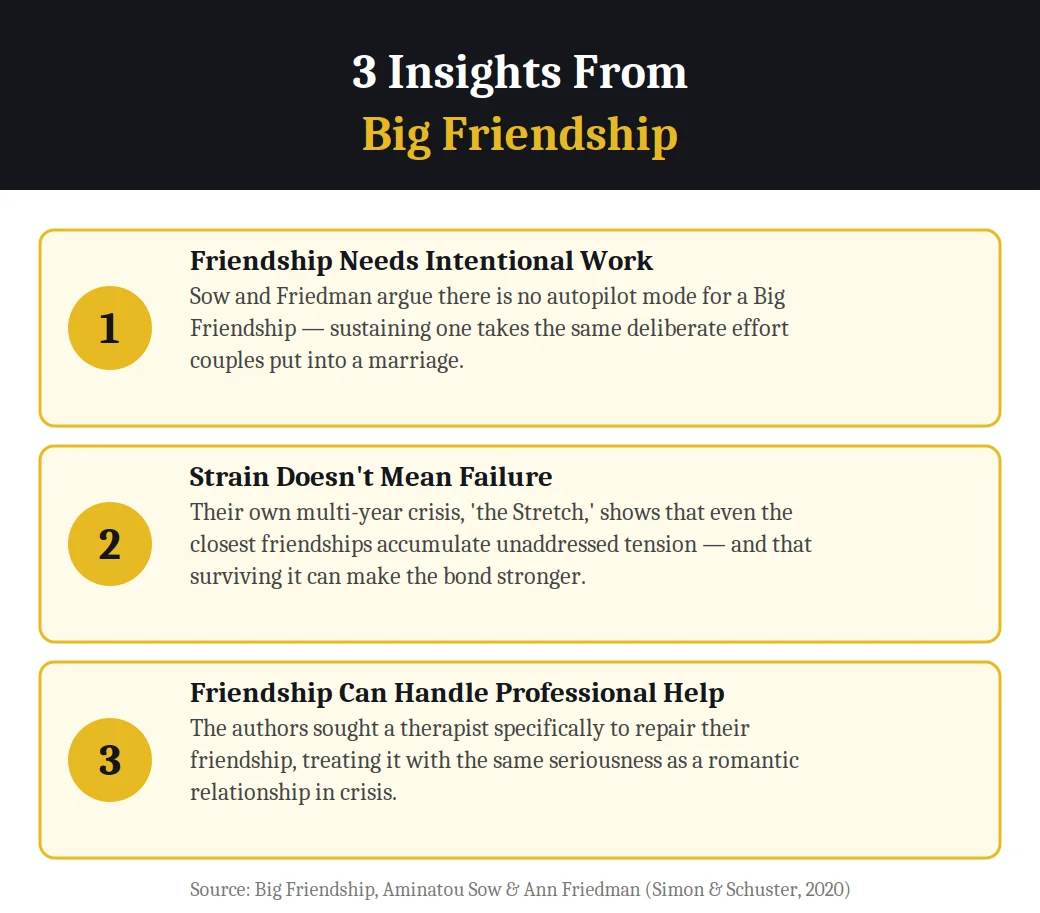
- Friendship has no autopilot mode; sustaining a Big Friendship requires the same deliberate effort couples put into a marriage.
- Strain doesn’t mean failure — Sow and Friedman’s own multi-year crisis, “the Stretch,” shows that even close friendships accumulate unaddressed tension.
- Friendship can handle professional help; the authors sought a therapist specifically to repair their bond, treating it as seriously as a romantic relationship in crisis.
- “Shine Theory” reframes friendship as investment rather than competition — “I don’t shine if you don’t shine.”
- Cross-racial and cross-class friendships carry distinct emotional labor that often goes unnamed; the book directly addresses the asymmetry between Sow (Black, Muslim, immigrant background) and Friedman (white, Midwestern).
- Pop culture’s “squad goals” branding trivializes friendship by treating it as an accessory rather than a primary relationship worth real investment.
- Naming a conflict directly, rather than avoiding it, is what allows a friendship to survive its hardest stretch.
- Big Friendships are rare by design — most people only have room for a small number of relationships at this level of intensity and investment.
What is Big Friendship about?
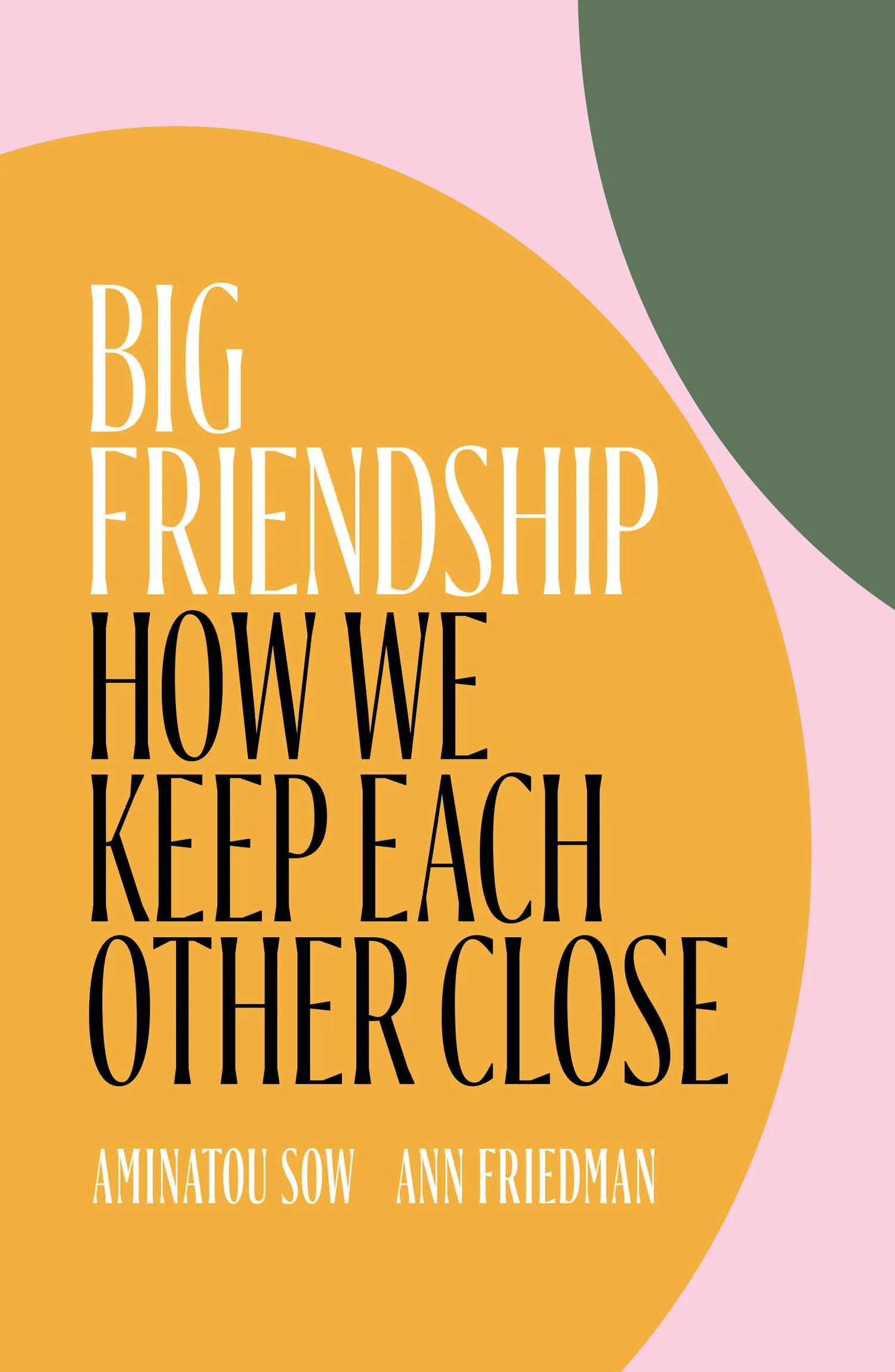
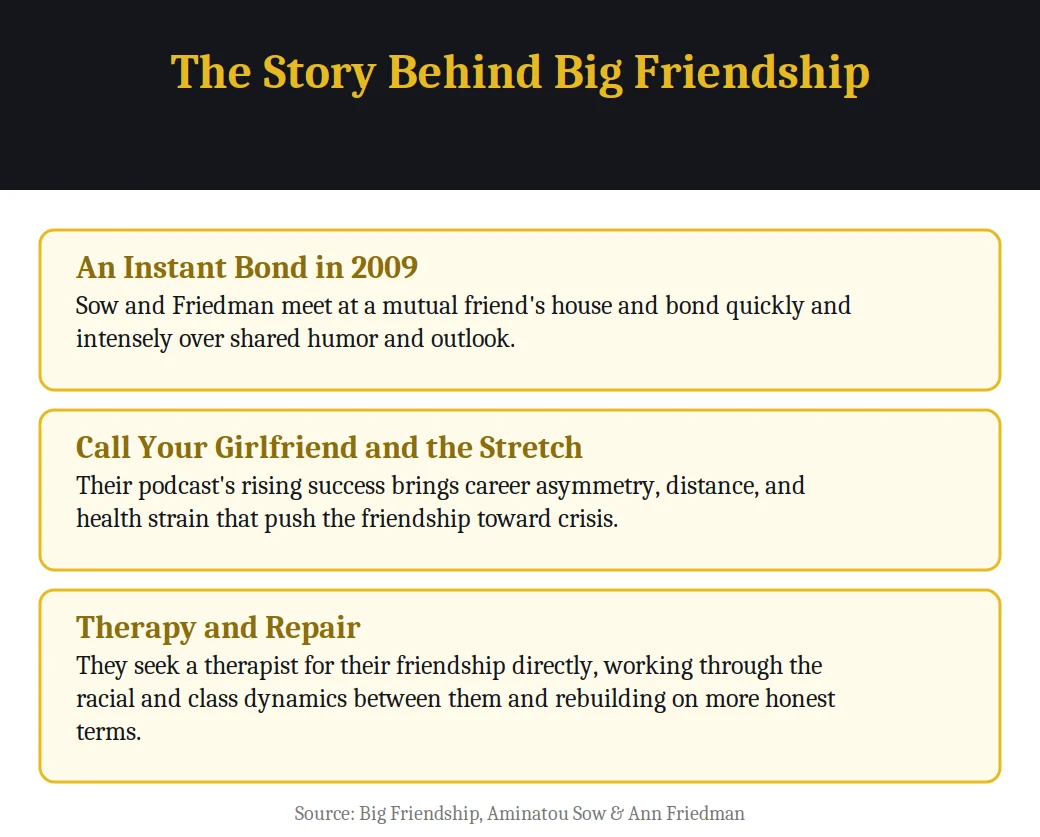
Big Friendship is a hybrid memoir and reported-nonfiction book by Aminatou Sow and Ann Friedman, co-hosts of the podcast Call Your Girlfriend. The two met in 2009 at a mutual friend’s house and bonded quickly and intensely. As their podcast grew in popularity starting in 2014, the pressures of career asymmetry, geographic distance, health strain, and unaddressed racial and class dynamics accumulated into what they call “the Stretch” — a period of real crisis in their friendship. Rather than let the bond quietly fade, as many friendships do under strain, they sought out a therapist specifically to work on the friendship, the way a couple might. The book alternates between this personal narrative and broader reported material: interviews with friendship researchers, profiles of other people’s long-term close friendships, and cultural criticism of how platonic bonds are undervalued relative to romantic and family relationships.
About the author
Aminatou Sow is a Black, Muslim writer and technologist with family roots in Guinea and Nigeria. Ann Friedman is a white journalist from Iowa. The two met in 2009 and co-founded the podcast Call Your Girlfriend in 2014, which ran until 2022 and made their friendship one of the most publicly documented platonic bonds in modern media. Sow previously originated the concept of “Shine Theory” — the idea of intentionally championing rather than competing with friends — before it became a central concept in Big Friendship, their joint book. Explore all Aminatou Sow & Ann Friedman book summaries →
Key concepts at a glance
| Concept | What it means |
|---|---|
| Big Friendship | A bond of great strength and significance that transcends life phases, geography, and emotional shifts. |
| The Stretch | A period of accumulated strain and near-rupture in their own friendship, driven by career pressure, distance, and racial/class dynamics. |
| Shine Theory | An intentional, long-term investment in helping a friend be their best, rather than competing with them. |
| Friendship Therapy | Seeking professional help for a friendship the way a couple might for a marriage. |
| Squad Goals Critique | Their term for the pop-culture trivialization of friendship as an accessory rather than a primary relationship. |
Part 1: The making of a Big Friendship
The book opens by defining its central term: a Big Friendship is “a bond of great strength, force, and significance that transcends life phases, geography, and emotional shifts.” Sow and Friedman trace their own origin story — meeting in 2009, bonding almost instantly over shared humor and outlook — and argue that this intensity is exactly what makes a Big Friendship both valuable and vulnerable. Because so few relationships reach this level of closeness, losing one carries a particular kind of grief that culture doesn’t have good language for. The authors deliberately reject the “effortless” framing that movies and social media apply to female friendship, insisting instead that the friendships worth keeping require the same conscious investment as any other significant relationship.
TGR Note: This idea that close relationships need deliberate maintenance rather than assumed permanence echoes Marisa Franco’s argument in our Platonic summary, which applies attachment theory to why adult friendships require effort most people were never taught to make.
Part 2: The Stretch and what strain reveals
As Call Your Girlfriend grew more successful starting in 2014, Sow and Friedman’s friendship entered what they call “the Stretch” — a multi-year period of accumulated tension. Career asymmetry, physical distance, health crises, and long-unspoken racial and class dynamics (Sow is Black, Muslim, and from an immigrant family; Friedman is white and from Iowa) all contributed to a slow erosion of trust. The book doesn’t shy away from describing real friction, including a specific incident around an all-white social gathering that forced a direct conversation about the emotional labor Sow had been carrying in the friendship. Rather than treating this strain as evidence the friendship had failed, the authors reframe it as the natural cost of real intimacy — the price of a bond significant enough to matter.
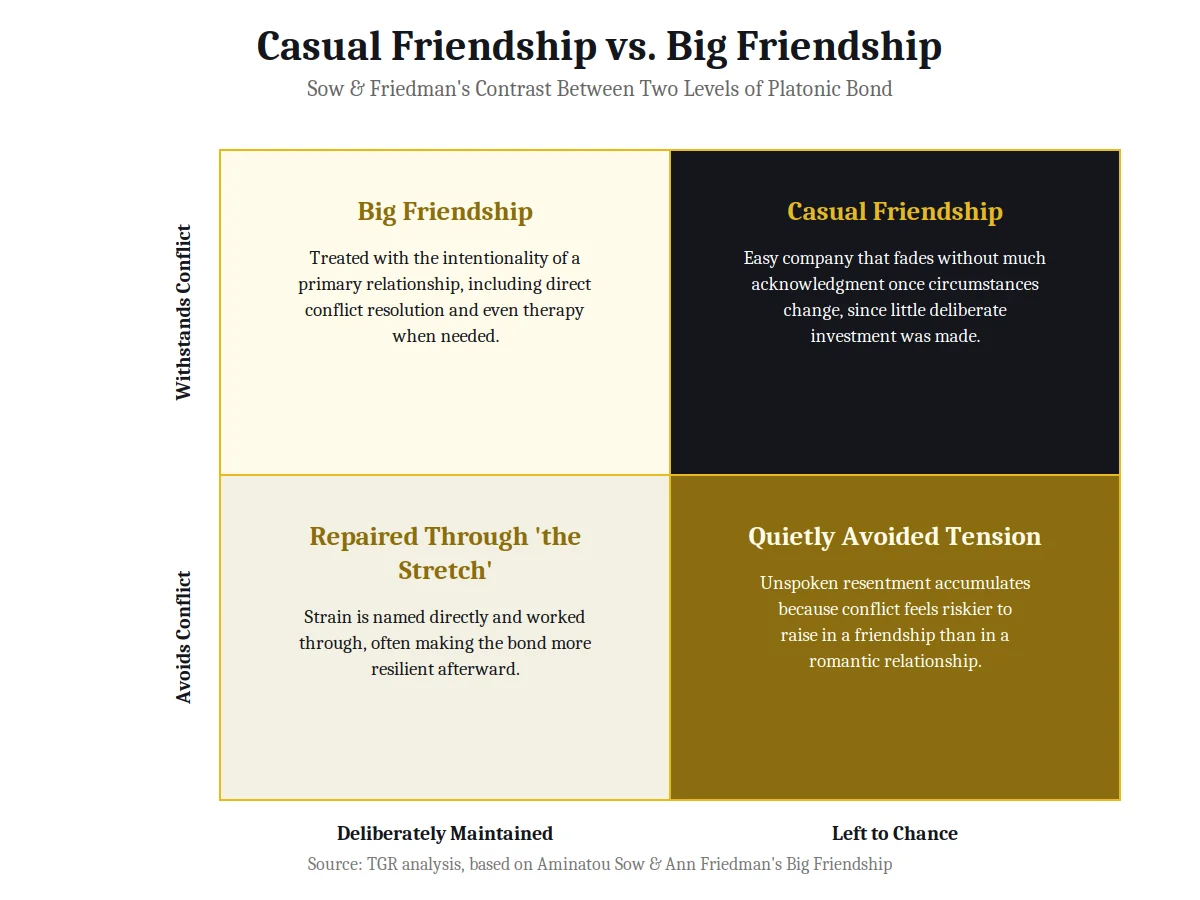
TGR Note: The idea that avoided conflict quietly erodes a relationship while named conflict can strengthen it is central to Harriet Lerner’s The Dance of Anger, which reframes anger as information about what needs to change rather than something to suppress.
Part 3: Repair, therapy, and what comes after
The turning point in Big Friendship comes when Sow and Friedman decide to see a therapist specifically to work on their friendship — a step most people never consider, since therapy is culturally coded for romantic and family relationships. The process forces both of them to name grievances directly, sit with discomfort, and rebuild trust on more honest terms rather than papering over the strain. The book is careful not to present this repair as a tidy, complete resolution; reviewers have noted the authors maintain some emotional distance from readers even as they describe the process. But the throughline is clear: friendship can survive real rupture if both people are willing to treat it as worth the same deliberate repair work as a marriage.
Who is Big Friendship best for?
This book is best for anyone who has a friendship they consider load-bearing — a relationship that functions less like a casual companion and more like a primary source of support — and who wants language and a framework for maintaining it deliberately rather than hoping it survives on its own. It’s especially useful for readers navigating their own version of “the Stretch”: a close friendship under strain from distance, career change, or unspoken resentment.
Readers processing friendship dynamics involving race, class, or other real differences in life experience will find the book’s direct treatment of that friction unusually candid. Anyone who enjoyed the intentionality-focused argument in our Platonic summary will find Big Friendship a natural next read, since both books push back against the idea that adult friendship should be effortless.
Questions to reflect on
- Which of your friendships would you call a “Big Friendship” — a bond that transcends life phases, geography, and emotional shifts?
- Is there a “Stretch” happening in one of your friendships right now that you’ve been avoiding naming directly?
- Do you invest as much deliberate effort in your closest friendships as you do in romantic relationships?
- Have unspoken dynamics around identity, class, or life circumstance ever created friction in a friendship you didn’t fully address?
- What would it look like to practice “Shine Theory” more intentionally with a friend this week?
How to apply Big Friendship (7-day plan)
- Day 1: Identify one friendship in your life that qualifies as a “Big Friendship” — a bond that has survived life phases, geography, or major emotional shifts.
- Day 2: Write down one piece of unspoken strain or resentment in that friendship that you’ve been avoiding naming.
- Day 3: Reach out to that friend with a specific, low-stakes check-in rather than waiting for a “big talk” moment.
- Day 4: Practice one act of Shine Theory — actively champion that friend’s work or goals to someone else, or directly to them.
- Day 5: Schedule real, undistracted time together (in person or a real call), treating it with the same priority as a work meeting.
- Day 6: If there’s real strain, consider naming it directly in conversation, using “I” language rather than accusation.
- Day 7: Reflect on what deliberate maintenance would look like for this friendship going forward, and put one recurring habit in place (a standing call, an annual trip, a regular check-in).
Frequently asked questions
What is a “Big Friendship” according to Aminatou Sow and Ann Friedman?
A Big Friendship is their term for a bond of great strength, force, and significance that transcends life phases, geography, and emotional shifts — a platonic relationship that functions like a primary partnership rather than a casual companionship.
What is “the Stretch” in Big Friendship?
The Stretch is the authors’ term for a multi-year period of accumulated strain in their own friendship, driven by career pressure from their podcast’s growing success, geographic distance, health issues, and unaddressed racial and class dynamics between them.
What is Shine Theory?
Shine Theory, a concept Aminatou Sow originated before the book, is an intentional, long-term investment in helping a friend be their best rather than competing with them — summarized as “I don’t shine if you don’t shine.”
Did Aminatou Sow and Ann Friedman really go to therapy for their friendship?
Yes — a central turning point in the book is their decision to see a therapist specifically to work on their friendship, treating it with the same seriousness as couples therapy for a romantic relationship.
Is Big Friendship a memoir or a self-help book?
It’s a hybrid: personal memoir chapters about Sow and Friedman’s own friendship are interwoven with reported material, including interviews with friendship researchers and sociological and psychological research on adult friendship.
What is Call Your Girlfriend?
Call Your Girlfriend is the podcast Aminatou Sow and Ann Friedman co-hosted from 2014 to 2022, which both amplified their friendship’s public profile and contributed to the career pressures that led to “the Stretch.”
Is Big Friendship worth reading if I’m not in a media or creative career?
Some reviewers have noted the book’s world (podcasting, media, coastal cities) can feel specific to that milieu, but its core arguments about intentional friendship maintenance, naming conflict, and treating platonic bonds seriously apply broadly regardless of industry.
Related summaries
If you found Big Friendship valuable, read our Platonic summary for more on the psychology of adult friendship, or explore our full list of best relationship books.
Our methodology: TGR book summaries are researched using the original text, publisher materials, author interviews, and critical reception, then structured to give you the core arguments, practical applications, and an honest verdict on who the book is best for.
Related Relationships Summaries
Getting to Yes Summary & Review: Negotiate Agreement Without Giving In
How We Love Summary and Review
Thanks for the Feedback Summary & Review: Master the Art of Receiving
The Course of Love Summary and Review
The State of Affairs Summary & Review: Rethinking Infidelity and Modern Love