

★★★★☆ 3.8/5
One-liner: Your chronic fatigue is not an energy problem — it is a gut problem, and fixing your microbiome is the key to restoring the vitality you have lost.
Best for: People struggling with persistent tiredness, brain fog, or low energy who suspect diet and gut health may be the root cause. This is educational content, not medical advice.
Reading time: ~6 hours (336 pages)
Difficulty to apply: Moderate — requires significant dietary changes and patience while the gut heals.
The Energy Paradox in One Minute
You are not tired because you lack willpower — you are tired because your gut is at war with your body. Dr. Steven Gundry, a former heart surgeon turned nutrition researcher, argues that the modern epidemic of chronic fatigue has a root cause that most doctors miss: a damaged gut lining that allows bacterial toxins to leak into the bloodstream, triggering chronic inflammation that overwhelms the mitochondria and drains cellular energy production. The paradox is that the foods people eat for energy — grains, sugar, processed carbs — are the same foods that damage the gut and perpetuate the cycle. Gundry presents a program built on healing the gut lining, feeding beneficial bacteria, timing meals through intermittent fasting, supporting mitochondrial function, and managing light exposure to restore the sustained energy that modern life has stolen.
Key Takeaways
- Fatigue is a gut-inflammation problem: Chronic tiredness results from a damaged gut lining allowing toxins into the bloodstream, triggering inflammation that drains mitochondrial energy production.
- Lectins damage the gut lining: Gundry argues that certain plant proteins called lectins — found in grains, beans, nightshades, and some seeds — damage the intestinal barrier, contributing to leaky gut.
- Your microbiome controls your energy: The bacteria in your gut determine how efficiently you extract energy from food and whether your immune system is in a state of calm or chronic alarm.
- Mitochondria are the energy bottleneck: When mitochondria are overwhelmed by inflammation and toxins, they produce less ATP — the cellular fuel that powers everything you do.
- Intermittent fasting activates repair: Fasting periods trigger autophagy, reduce inflammation, and give the gut lining time to heal without the constant burden of digesting food.
- Prebiotic fiber feeds good bacteria: The beneficial bacteria in your gut feed on fiber from specific plants. Feeding them well produces short-chain fatty acids that heal the gut and fuel the body.
- Light exposure controls energy rhythms: Morning sunlight and evening darkness regulate circadian rhythms that control energy production, hormone cycles, and repair processes.
- Chronic cardio can worsen fatigue: Long, moderate-intensity exercise increases cortisol and inflammation. Short, intense bursts plus daily walking are more effective for energy restoration.
What Is The Energy Paradox About?
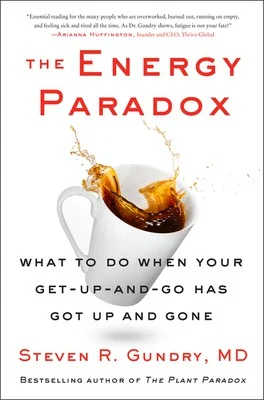
The Energy Paradox reveals that chronic fatigue is rooted in gut dysfunction and inflammation, not simply lack of sleep or willpower. Dr. Gundry presents a six-pillar program — gut healing, microbiome feeding, meal timing, mitochondrial support, strategic exercise, and light management — for restoring sustained energy from the cellular level up.
About the Author
Dr. Steven R. Gundry is a cardiothoracic surgeon, medical researcher, and the founder of the International Heart and Lung Institute and the Center for Restorative Medicine in Palm Springs, California. After a distinguished career in heart surgery, Gundry shifted his focus to nutrition-based medicine after his own health transformation through dietary changes. He is the author of several bestsellers including The Plant Paradox and The Longevity Paradox. His approach to lectins and gut health is controversial among mainstream nutritionists but has built a large following of patients and readers who report significant improvements in energy and chronic conditions. Explore all Steven R. Gundry book summaries →
Key Concepts at a Glance
| Concept | What It Means | Use It When |
|---|---|---|
| Leaky Gut | A damaged intestinal lining that allows toxins into the bloodstream | You have persistent fatigue, brain fog, or digestive issues |
| Lectins | Plant proteins that can damage the gut lining in susceptible people | You want to understand which foods might be contributing to gut issues |
| Mitochondrial Dysfunction | Cellular power plants overwhelmed by inflammation, producing less energy | You feel physically exhausted despite adequate sleep |
| Microbiome | The community of gut bacteria that controls digestion, immunity, and energy | You want to feed the bacteria that produce energy rather than steal it |
| Autophagy | Cellular cleanup process activated by fasting that removes damaged components | You want to activate your body’s built-in repair mechanisms |
| Chrono-Nutrition | Timing food intake to align with circadian rhythms for optimal energy | You want to eat in a way that supports your natural energy cycles |
Part 1: Why You Are Exhausted
Gundry opens with the paradox that gives the book its name: modern humans have access to more food, more calories, and more stimulants than any previous generation, yet chronic fatigue is epidemic. Something is fundamentally wrong with how we fuel our bodies. The answer, Gundry argues, lies in the gut.
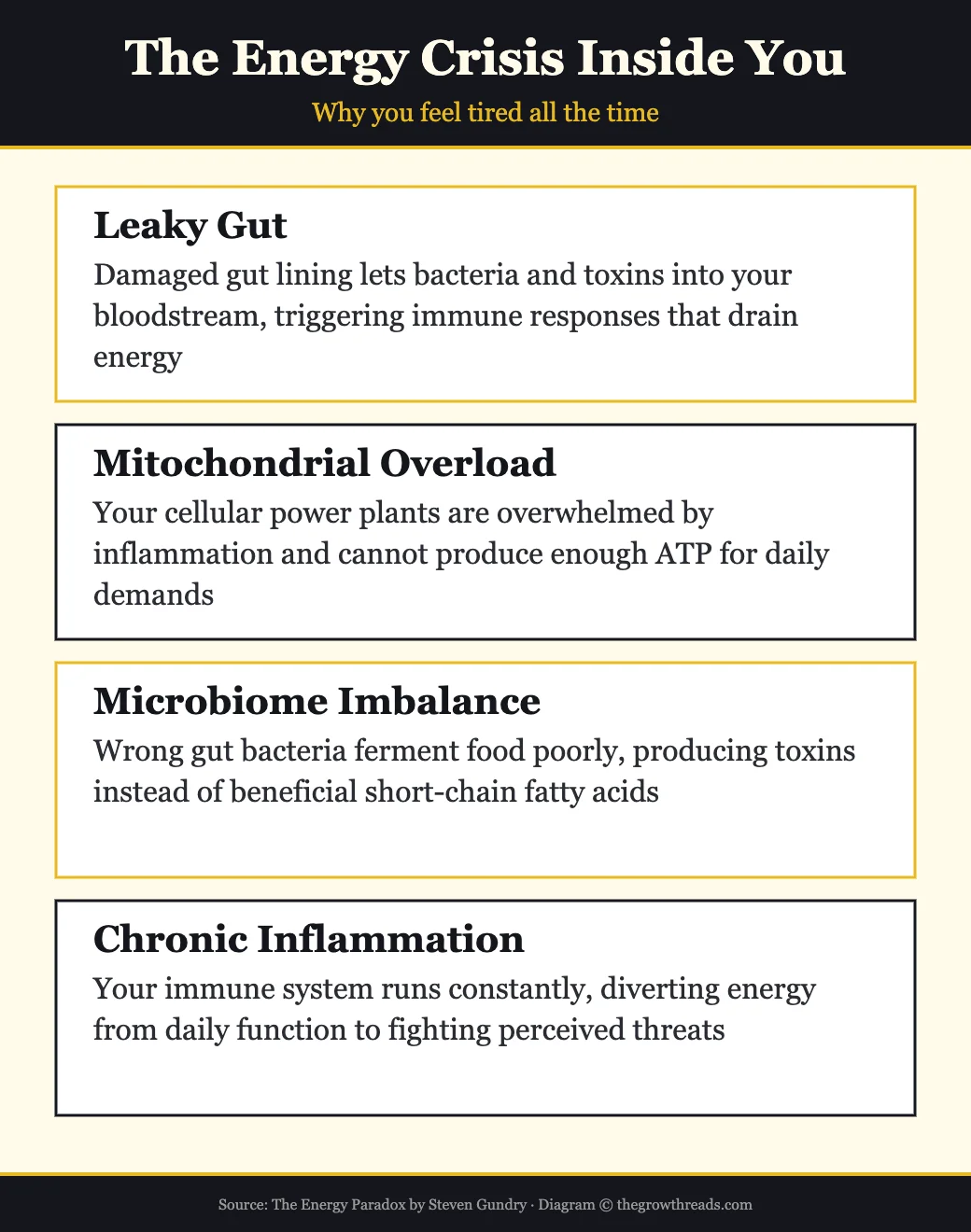
The modern diet — rich in processed grains, sugar, industrial seed oils, and lectin-containing foods — progressively damages the intestinal lining. When this barrier breaks down, bacterial fragments called lipopolysaccharides leak into the bloodstream. The immune system recognizes these as invaders and launches an inflammatory response. This chronic, low-grade inflammation diverts enormous amounts of energy away from normal function and toward immune defense. Your mitochondria, already stressed by nutrient-poor food and environmental toxins, cannot keep up with the demand. The result is the pervasive tiredness that millions of people accept as normal.
Gundry also implicates the microbiome — the community of bacteria in the gut. When fed poorly (sugar, refined carbs, insufficient fiber), the wrong bacteria proliferate, producing metabolic waste products that further stress the system. When fed well (prebiotic fiber, polyphenols, fermented foods), beneficial bacteria produce short-chain fatty acids that heal the gut lining, reduce inflammation, and directly fuel cellular energy production.
Part 2: The Six-Pillar Energy Restoration Program
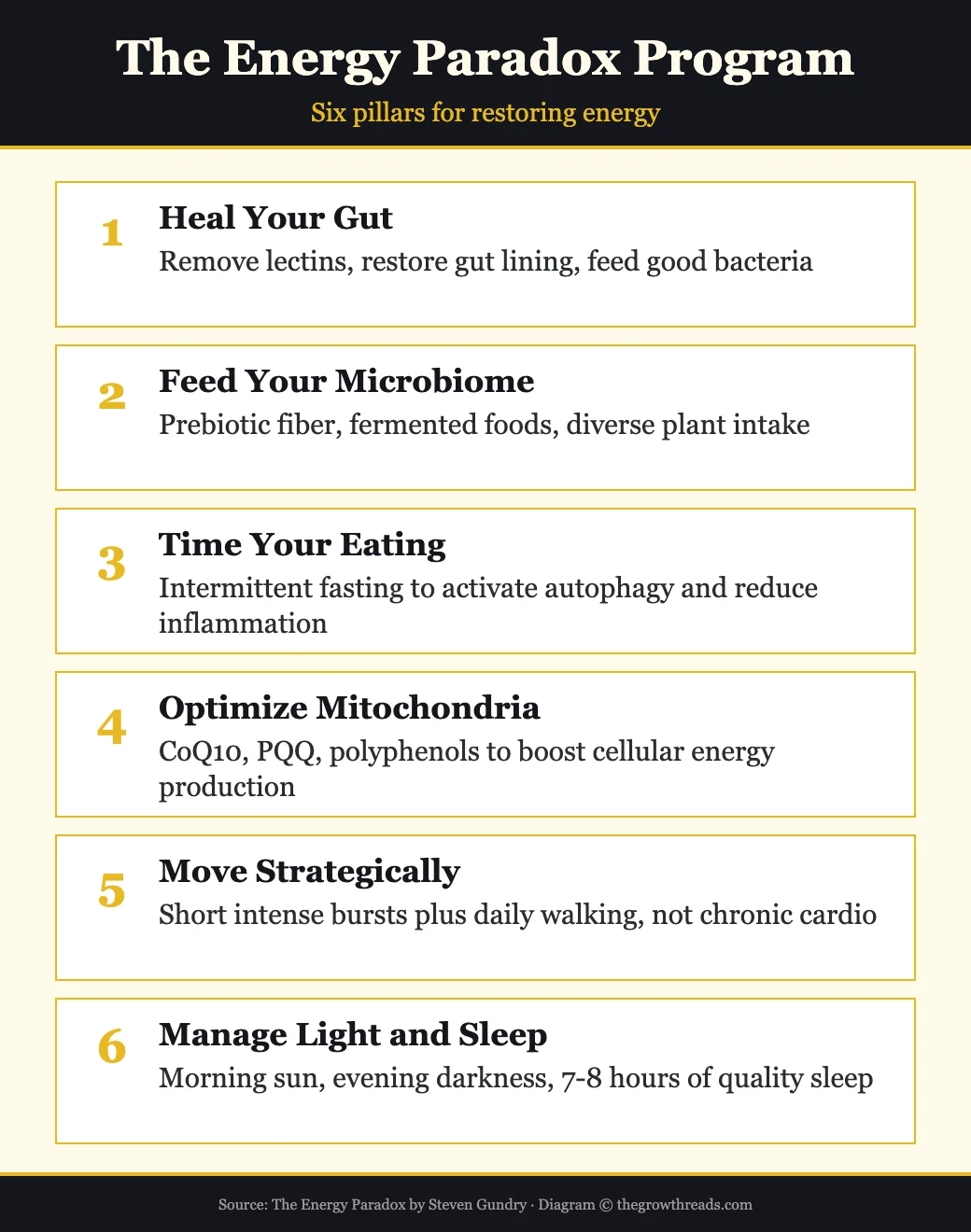
The solution is Gundry’s six-pillar program. Pillar one is healing the gut by removing lectin-heavy foods (certain grains, beans, and nightshades) and adding gut-healing nutrients. Pillar two is feeding the microbiome with prebiotic fiber from foods like artichokes, leeks, garlic, onions, and chicory root. Pillar three is timing meals through intermittent fasting — Gundry recommends a daily eating window of six to eight hours to activate autophagy and give the gut time to heal.
Pillar four targets mitochondrial optimization through specific nutrients including CoQ10, PQQ, and polyphenol-rich foods that support cellular energy production. Pillar five addresses exercise — Gundry recommends short, intense bursts of activity plus daily walking, arguing that chronic moderate-intensity cardio can actually increase inflammation and cortisol, worsening fatigue rather than improving it.
Pillar six is light and sleep management. Morning sunlight exposure sets the circadian clock that governs energy cycles throughout the day. Evening darkness and blue-light avoidance allow melatonin production to begin on schedule, ensuring quality sleep that enables overnight repair and energy restoration.
Part 3: The Energy Paradox Diet in Practice
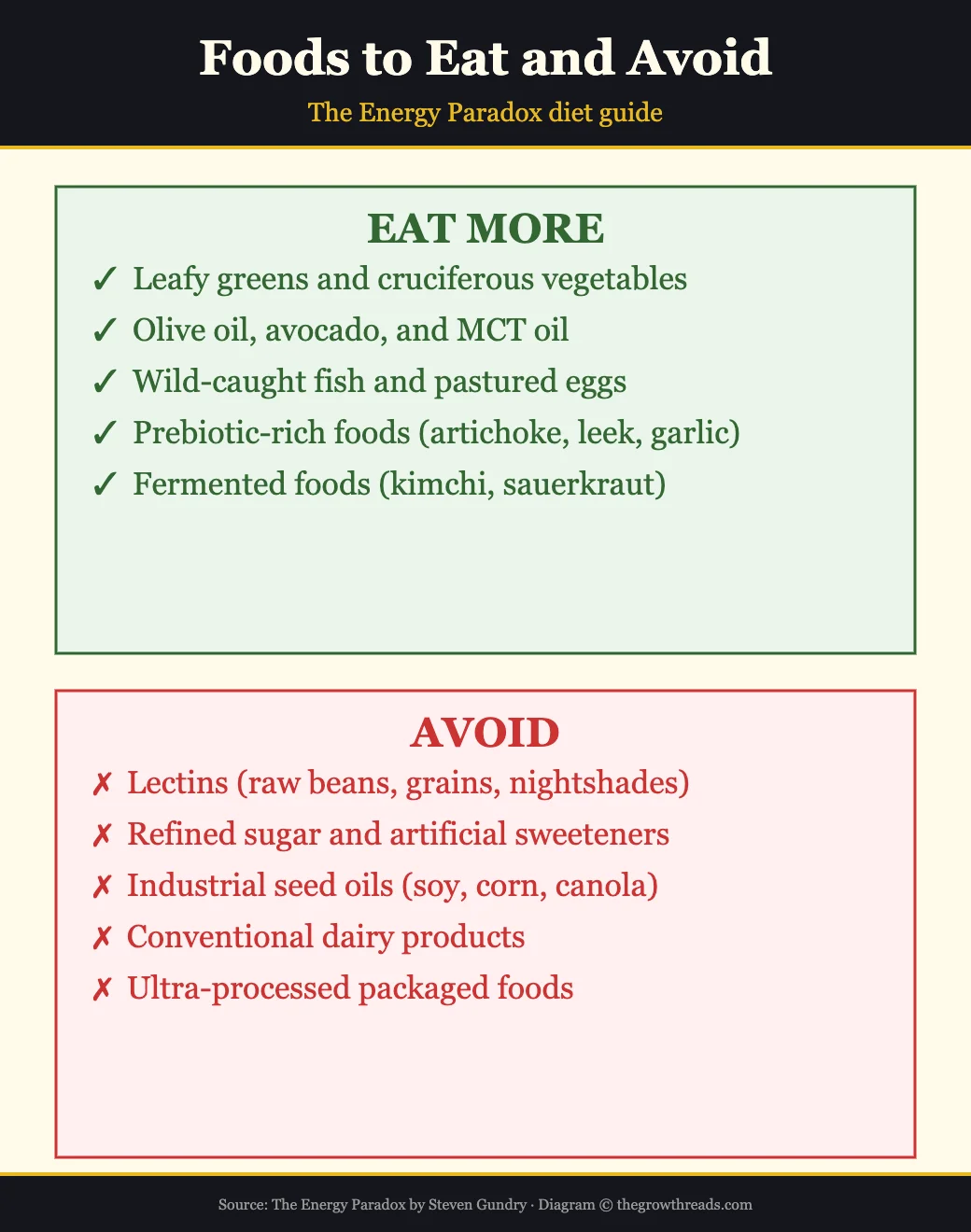
The final section provides practical meal plans, food lists, and recipes. Gundry divides foods into three categories: foods to eat abundantly (leafy greens, cruciferous vegetables, olive oil, avocado, wild-caught fish, pastured eggs, prebiotic-rich vegetables), foods to eat in moderation (certain fruits, dark chocolate, resistant starches), and foods to avoid or minimize (grains, most legumes, nightshade vegetables, conventional dairy, sugar, and all ultra-processed products).
The lectin-avoidance aspect is the most controversial element of Gundry’s approach. Mainstream nutrition generally considers whole grains and legumes healthy. Gundry argues that for people with compromised gut health, these foods perpetuate the damage. He recommends an elimination period followed by careful reintroduction to identify which lectin-containing foods an individual can tolerate.
Who Is The Energy Paradox Best For — and Who Should Read Something Else First?
The Energy Paradox is ideal for people who have tried everything for their fatigue — more sleep, more exercise, more coffee — and nothing has worked. If you suspect your tiredness has a gut or dietary component, Gundry’s framework provides a comprehensive investigation path.
If you want a more mainstream approach to energy and health, Outlive by Peter Attia provides evidence-based longevity medicine without the lectin controversy. If your energy issues are more related to sleep, Why We Sleep by Matthew Walker is the definitive resource. Always consult a healthcare provider before making significant dietary changes.
Questions to Reflect On
- How would you describe your energy levels — and have they declined gradually over years in a way you have accepted as normal?
- What does your gut tell you (literally) — do you experience bloating, gas, or digestive discomfort regularly?
- How many of the “foods to avoid” are currently staples in your diet?
- Have you ever tried an elimination diet to see which foods affect your energy and digestion?
- What is your current eating window — and could you experiment with a shorter one?
🔥 Ready to Solve Your Energy Crisis?
Discover why your fatigue is a gut problem and the six-pillar program for restoring sustained energy from the inside out.
How to Apply The Energy Paradox (7-Day Plan)
- Day 1 — Energy audit: Rate your energy at 8 AM, noon, 4 PM, and 8 PM. Note what you ate before each low point. Look for patterns.
- Day 2 — Remove one inflammatory food: Cut out one food Gundry identifies as problematic — refined sugar, bread, or a nightshade vegetable. Notice any changes.
- Day 3 — Add prebiotic fiber: Include one prebiotic-rich food at lunch — artichoke, garlic, onion, leek, or asparagus. You are feeding your good bacteria.
- Day 4 — Try time-restricted eating: Eat all meals within an 10-hour window. No snacking outside that window. Notice morning energy levels the next day.
- Day 5 — Morning sunlight: Within 30 minutes of waking, spend 10 minutes in direct sunlight without sunglasses. This sets your circadian clock for the day.
- Day 6 — Swap your cooking oil: Replace any industrial seed oil (canola, soy, corn) with extra virgin olive oil or avocado oil for all cooking.
- Day 7 — Assess and plan: Compare your energy ratings today to Day 1. If improved, continue the changes. If not, consider a more comprehensive elimination protocol under medical guidance.
Frequently Asked Questions
What is the energy paradox?
The paradox is that modern humans have access to more food and calories than ever, yet chronic fatigue is epidemic. Gundry argues this happens because the foods we eat for energy — processed grains, sugar, and inflammatory oils — are the same foods that damage the gut lining, trigger chronic inflammation, and overwhelm the mitochondria, creating a self-reinforcing cycle of increasing tiredness.
What are lectins and why does Gundry avoid them?
Lectins are proteins found in many plants — especially grains, legumes, and nightshade vegetables — that Gundry argues can damage the intestinal lining in susceptible people. This is the most controversial aspect of his approach. Mainstream nutrition generally considers whole grains and legumes healthy. Gundry recommends an elimination period to test individual sensitivity. Cooking methods like pressure cooking can reduce lectin content significantly.
Is the lectin theory scientifically proven?
The lectin hypothesis is supported by some research but remains controversial among mainstream nutritionists. There is strong evidence that certain lectins can damage gut cells in laboratory settings, but the clinical evidence for broad lectin avoidance in humans is limited. Many people report significant improvements from lectin-free diets, but this could also be explained by the broader removal of processed foods and grains. Consult a healthcare provider before making major dietary changes.
How long does it take to restore energy?
Gundry reports that most patients begin noticing energy improvements within two to three weeks of following the program, with significant changes by six to eight weeks. Full gut healing can take three to six months. The timeline varies based on the severity of gut damage, adherence to the program, and individual health factors. Some people experience a temporary worsening in the first week as the gut microbiome shifts.
How does this compare to other gut health books?
The Energy Paradox is more comprehensive and prescriptive than most gut health books. It connects gut dysfunction specifically to energy and fatigue, rather than treating gut health as a standalone topic. Compared to The Plant Paradox (Gundry’s earlier book), it is more focused on energy restoration and includes updated research. Compared to mainstream gut health books, it is more restrictive in its food recommendations.
Do I have to give up all grains and beans?
Not necessarily permanently. Gundry recommends an initial elimination period of at least six weeks, followed by careful, one-at-a-time reintroduction of lectin-containing foods to identify which ones you can tolerate. Pressure cooking significantly reduces lectin content in beans. Some people find they can reintroduce properly prepared legumes without issues, while others do better avoiding them long-term.
Is intermittent fasting safe?
For most healthy adults, intermittent fasting with a daily eating window of eight to ten hours is well-tolerated and supported by research. However, it is not appropriate for pregnant or breastfeeding women, people with eating disorders, children, or those with certain medical conditions. Gundry recommends starting gradually — shortening your eating window by one hour per week — rather than jumping directly to a six-hour window. Consult a healthcare provider, especially if you take medications.
Related Summaries
- The Obesity Code by Dr. Jason Fung — the metabolic science behind diet-related disease.
- Why We Sleep by Matthew Walker — why quality sleep is the foundation of energy and health.
- Outlive by Peter Attia — evidence-based longevity medicine.
- Best Health Books — our complete guide to the top books on health and wellness.
Related Health Summaries
How Not to Die Summary & Review: The Daily Dozen That Could Save Your Life
Outlive Summary & Review: The Science and Art of Longevity
The China Study Summary & Review: The Case for Plant-Based Eating
The End of Alzheimer’s Summary & Review: The First Protocol to Prevent and Reverse Cognitive Decline
The Obesity Code Summary & Review: Why Insulin Controls Your Weight, Not Willpower