Technology
AI 2041 Summary & Review: Ten Visions for Our Future
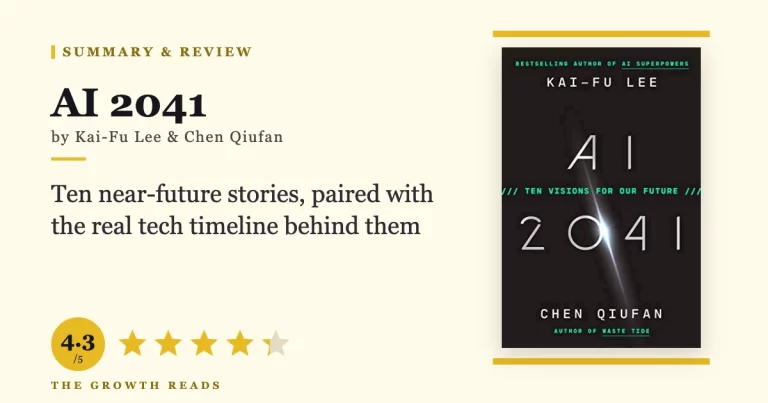
AI 2041 pairs ten near-future stories by Chen Qiufan with technical essays by Kai-Fu Lee, grounding twenty years of AI speculation in…
Read Summary →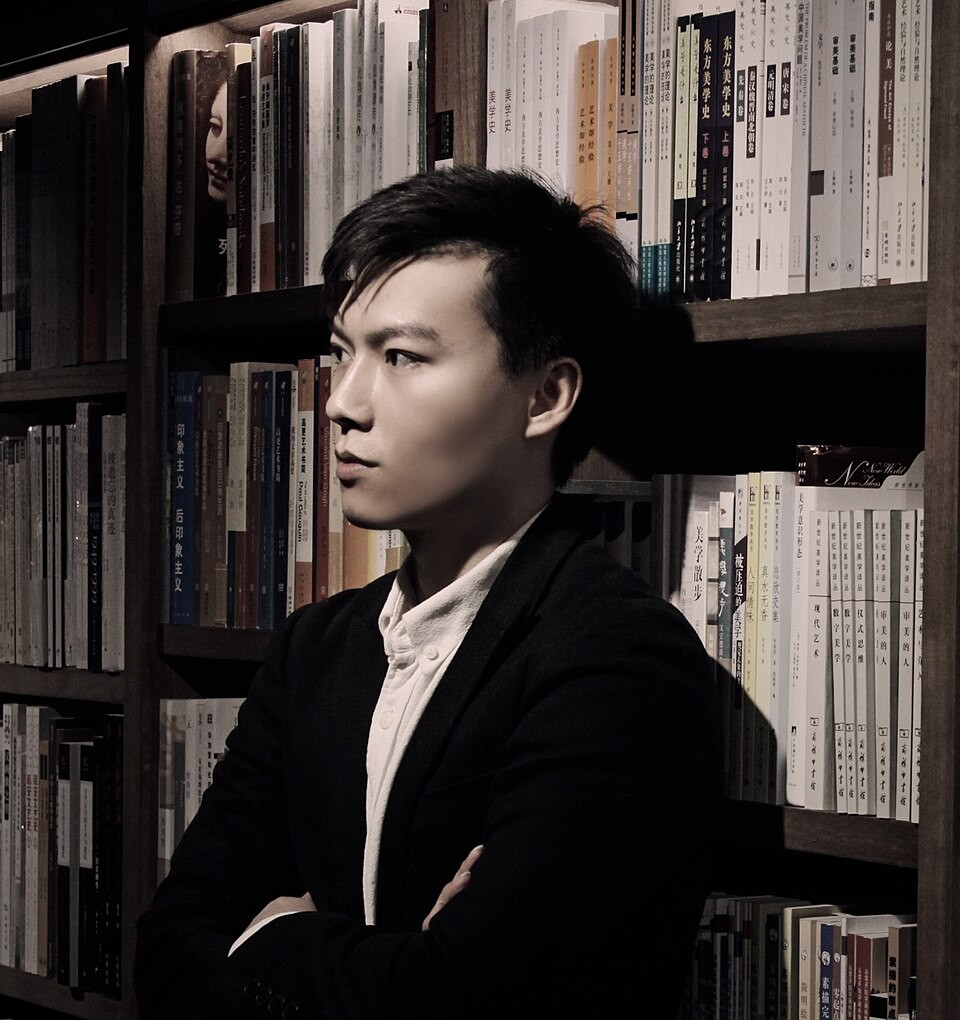
"Award-winning science-fiction author turning near-future AI trends into vivid, human stories."
Chen Qiufan is an award-winning Chinese science-fiction author and one of the leading voices in contemporary Chinese speculative fiction. His debut novel Waste Tide, translated into English by Ken Liu, won wide international acclaim for its unflinching look at technology, labor, and environmental cost. Qiufan's fiction consistently uses near-future speculation to dramatize how new technology reshapes ordinary lives — often unevenly, and often in places far from Silicon Valley. In AI 2041, co-written with AI researcher Kai-Fu Lee, Qiufan supplies ten short stories set in the year 2041, each one grounding a specific AI technology in vivid, human-scale detail before Lee's accompanying essay explains the real science behind it.
Our in-depth summaries and reviews of his work
AI 2041 pairs ten near-future stories by Chen Qiufan with technical essays by Kai-Fu Lee, grounding twenty years of AI speculation in…
Read Summary →Qiufan uses short stories to make abstract AI trends emotionally real, following specific characters through specific technologies rather than describing trends in the abstract.
His fiction consistently centers how new technology lands differently depending on class, geography, and power — a throughline from Waste Tide to AI 2041.
AI 2041's ten stories span multiple countries and cultures, reflecting Qiufan's consistent interest in AI's impact well beyond any single tech hub.
"The future doesn't arrive evenly — it lands on some lives long before others, and fiction is one of the few tools that can show that gap honestly."— AI 2041
"A story can make a statistic feel like a decision you have to make yourself."— AI 2041
AI 2041 pairs ten near-future stories by Chen Qiufan with technical essays by Kai-Fu Lee, grounding twenty years of AI speculation in real trends — from deepfakes to quantum computing.