Productivity
Give and Take Summary & Review: Why Helping Others Wins
Give and Take summary: Adam Grant’s three reciprocity styles, why givers finish last and first, and a 7-day plan to stay otherish…
Read Summary →
"If knowledge is power, knowing what we don't know is wisdom."
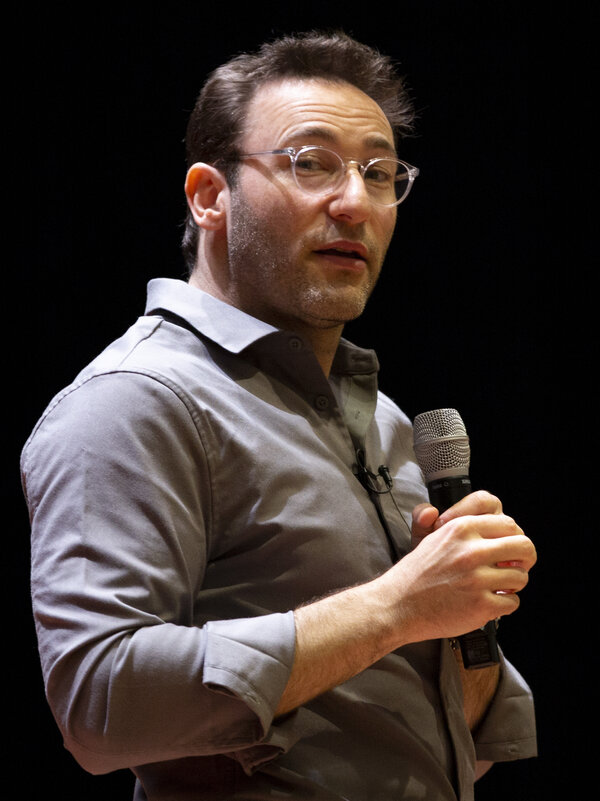
Adam Grant is an organizational psychologist and Wharton's top-rated professor, where he studies motivation, generosity, and original thinking. He has written five bestselling books, including Give and Take, Originals, and Think Again, and hosts the chart-topping podcast WorkLife. His TED talks are among the most-watched in the platform's history.
Our in-depth summaries and reviews of his work
Give and Take summary: Adam Grant’s three reciprocity styles, why givers finish last and first, and a 7-day plan to stay otherish…
Read Summary →
Hidden Potential summary and review: Adam Grant’s case that character skills beat raw talent — distance traveled, the sponge loop, and a…
Read Summary →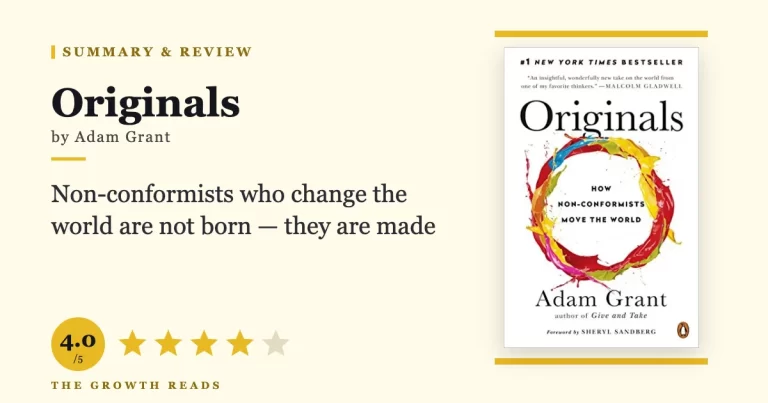
Originals by Adam Grant — full summary and review. Learn why successful non-conformists hedge their bets, produce more ideas, and build cultures…
Read Summary →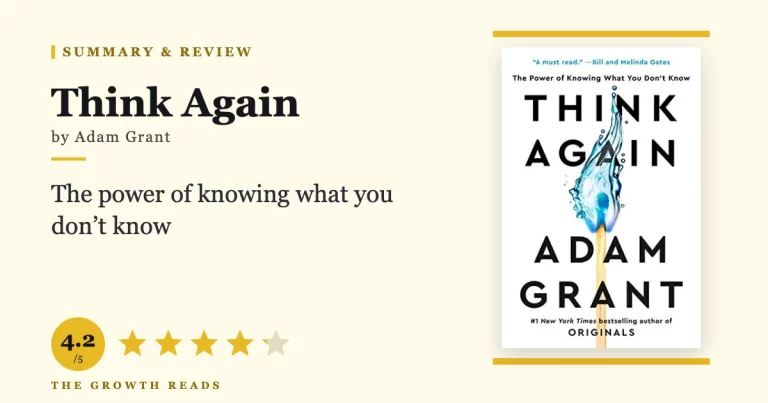
Adam Grant reveals why the best thinkers know what they don’t know — and how to use the rethinking cycle, motivational interviewing,…
Read Summary →Treat your opinions as hypotheses to test, not treasures to defend. The best thinkers actively search for reasons they might be wrong instead of reasons they must be right.
Productive disagreement argues about ideas, not people. Teams that debate like scientists — challenging the argument, not the person — make better decisions than teams that avoid conflict altogether.
Real confidence comes from trusting your capacity to grow, not from certainty that your current beliefs are correct. It lets you hold strong opinions, loosely.
We drift between confident and humble, doubtful and curious. Lifelong learners deliberately reintroduce doubt into their thinking even after they've found an answer that works.
Potential is not the height of the peak you occupy. It is how far you have already climbed, and how steep the next stretch still is.
Help others and still protect your own aims. Selfless givers land at the bottom; otherish givers land at the top.
Small, repeatable help — an intro, a note, a door — compounds without turning you into unpaid staff.
"We learn more from people who challenge our thought process than those who affirm our conclusions. Strong leaders engage their critics and make themselves stronger. Weak leaders silence their critics and make themselves weaker."— Think Again
"We listen to views that make us feel good, instead of ideas that make us think hard."— Think Again
"A mark of lifelong learners is recognizing that they can learn something from everyone they meet."— Think Again
"Thinking like a scientist involves more than just reacting with an open mind. It means being actively open-minded. It requires searching for reasons why we might be wrong — not for reasons why we must be right — and revising our views based on what we learn."— Think Again
"How do you know? It's a question we need to ask more often, both of ourselves and of others."— Think Again
"The true measure of your potential is not the height of the peak you’ve reached, but how far you’ve climbed to get there."— Hidden Potential
"The most meaningful way to succeed is to help others succeed."— Give and Take
Give and Take summary: Adam Grant’s three reciprocity styles, why givers finish last and first, and a 7-day plan to stay otherish without burning out.
Hidden Potential summary and review: Adam Grant’s case that character skills beat raw talent — distance traveled, the sponge loop, and a 7-day plan this week.
Originals by Adam Grant — full summary and review. Learn why successful non-conformists hedge their bets, produce more ideas, and build cultures of dissent. Key frameworks and 7-day action plan.
Adam Grant reveals why the best thinkers know what they don’t know — and how to use the rethinking cycle, motivational interviewing, and challenge networks to make smarter decisions.