
Your Brain at Work Summary & Review: Work With Your Brain, Not Against It
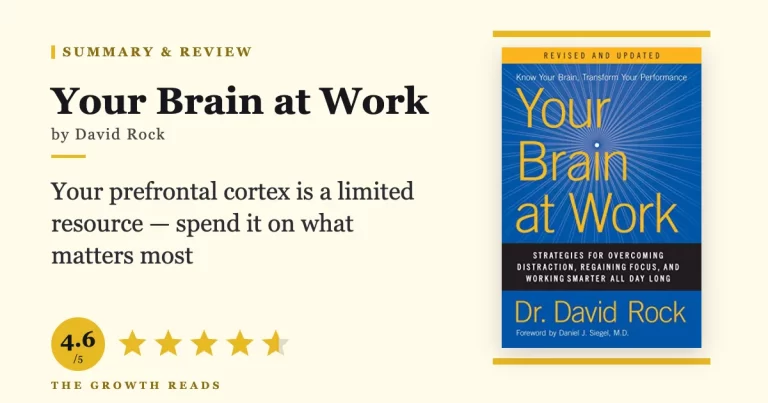
Your Brain at Work distills the neuroscience of focus, decision-making, and social threat responses into practical techniques for a better workday.

Your Brain at Work distills the neuroscience of focus, decision-making, and social threat responses into practical techniques for a better workday.
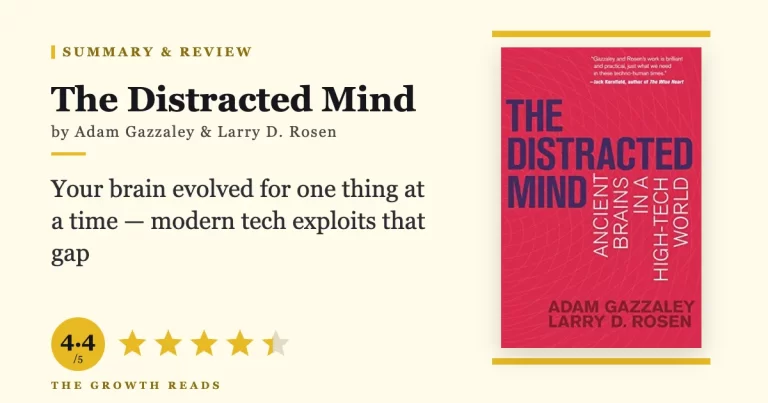
The Distracted Mind explains the neuroscience of digital distraction — why your brain struggles with modern tech, and what actually helps rebuild focus.
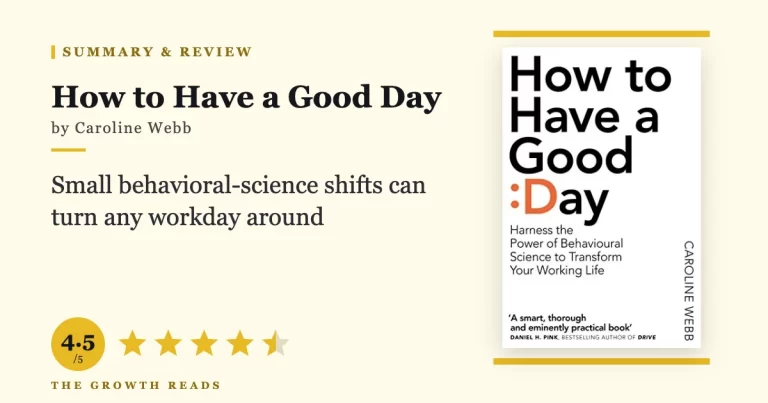
Caroline Webb translates behavioral science and neuroscience into moment-by-moment tactics for a better workday — mental contrasting, when-then plans, and shifting out of defensive mode.

Jason Fried and David Heinemeier Hansson show how Basecamp built a calm, sustainable company — reasonable hours, protected focus time, minimal meetings, and time off that's policy, not a perk.

Gary Taubes' Why We Get Fat argues it's not gluttony or laziness — it's insulin and refined carbs. The science, the myths debunked, and a practical 7-day plan.
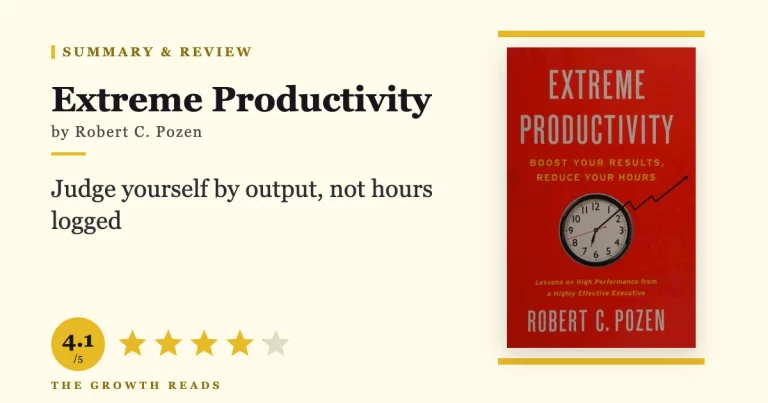
Robert Pozen's Extreme Productivity distills the habits behind three demanding careers at once: a goal cascade, faster reading and writing, whole-task delegation, and tighter meetings and email.
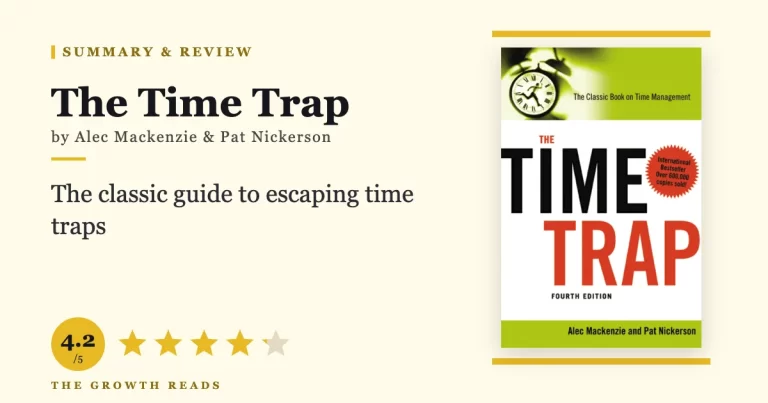
A summary of The Time Trap by Alec Mackenzie & Pat Nickerson: self-generated vs. environmental time traps, drop-in visitors, delegation, and urgency vs. validity.
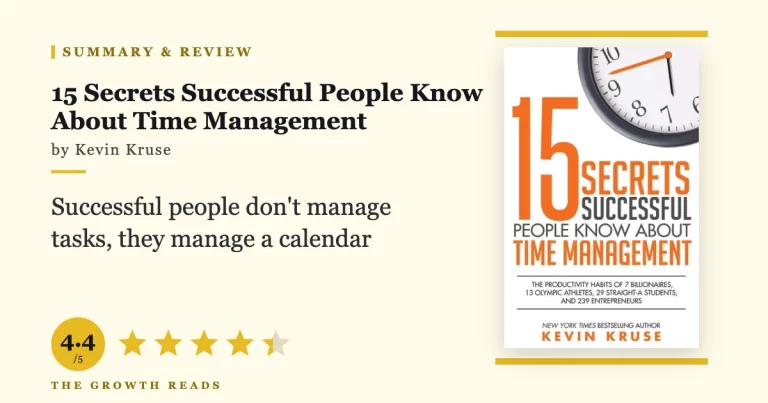
A summary of 15 Secrets Successful People Know About Time Management by Kevin Kruse: calendar-blocking, the Most Important Task, the 1,440-minute budget, and touching it once.
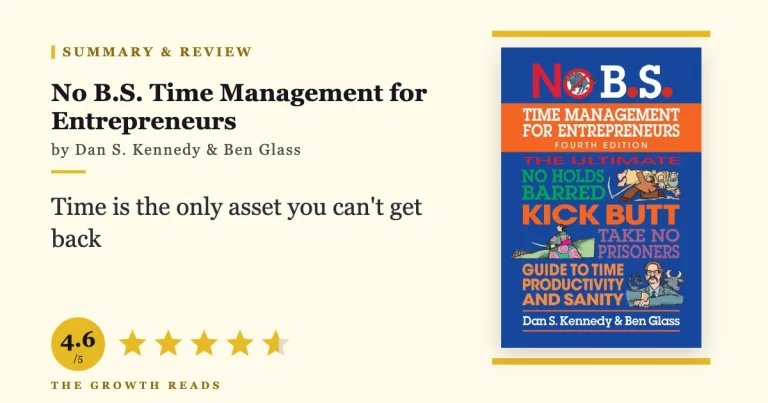
A summary of No B.S. Time Management for Entrepreneurs by Dan S. Kennedy & Ben Glass: time vampires, pricing your own hour, and the discipline of saying no without apology.
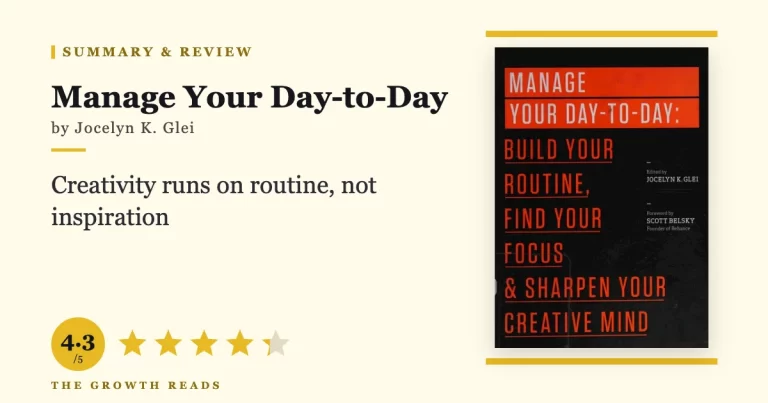
A summary of Manage Your Day-to-Day, edited by Jocelyn K. Glei: ultradian rhythms, attentional residue, and conscious computing — how to build a routine that protects creative focus.

A summary of Rory Vaden's Procrastinate on Purpose: the Focus Funnel, the 30x Rule, and why deliberately delaying low-value tasks is what makes real focus possible.

Laura Vanderkam's data-driven study of 143 six-figure-earning mothers challenges the "having it all" myth — the real tradeoff was personal time, not family time.