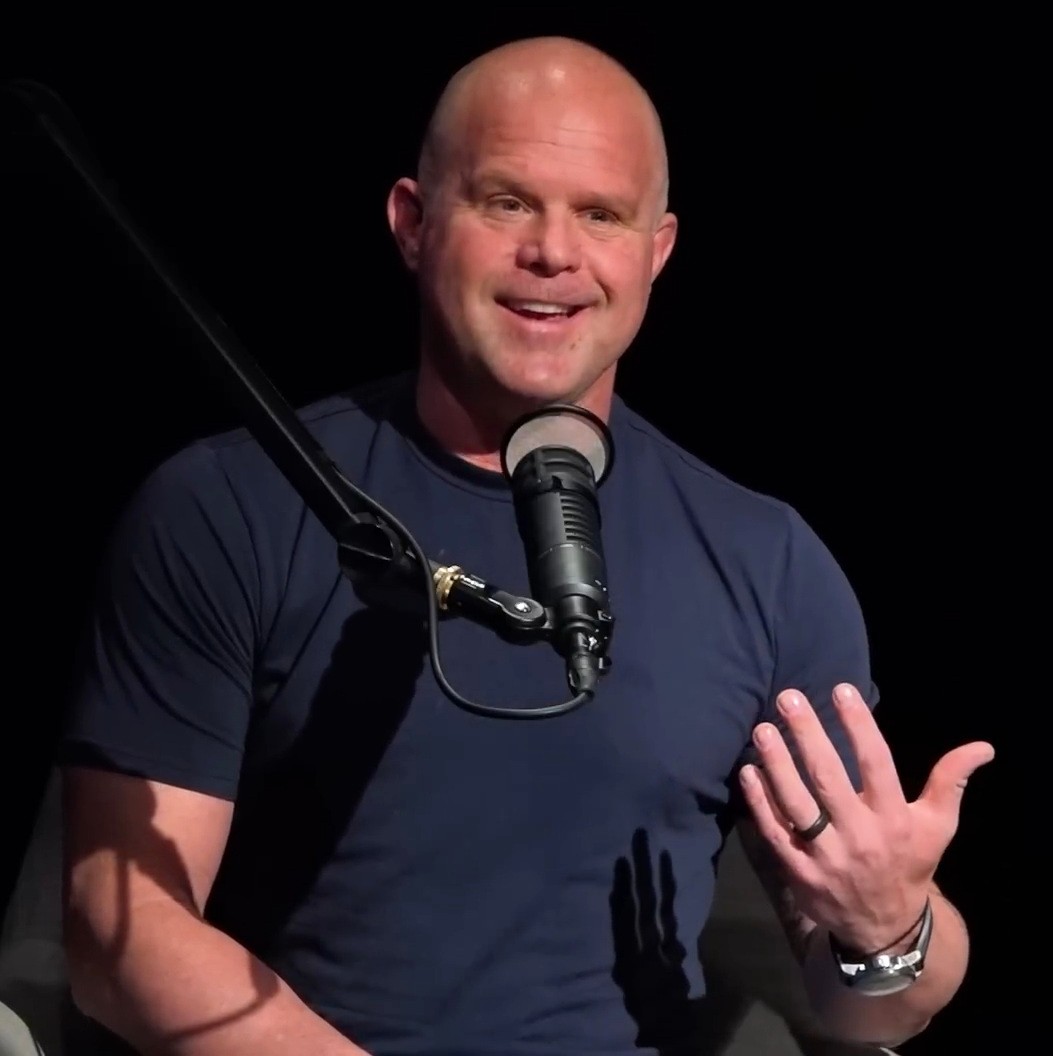
Michael Easter

"The journalist who spent 33 days in the Alaskan wilderness — and sat down with slot-machine designers — to show how both comfort and scarcity quietly reshape human behavior."

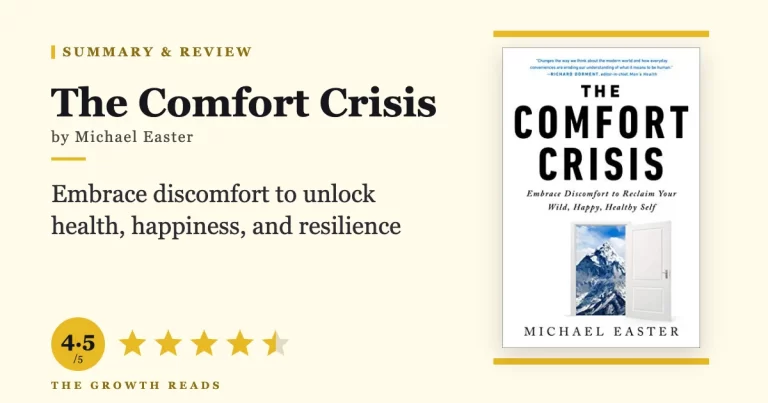
Michael Easter is an American journalist and professor at the University of Nevada, Las Vegas whose book "The Comfort Crisis" argues that modern life's relentless convenience has quietly made people physically weaker and psychologically more fragile. To research the book, Easter joined a 33-day hunting expedition deep in the Alaskan wilderness, deliberately exposing himself to hunger, physical exhaustion, and boredom to test how discomfort affects the body and mind. Drawing on evolutionary biology and behavioral research alongside his own extreme experiences, Easter makes the case that intentionally seeking out manageable discomfort—cold, hunger, physical exertion, boredom—can rebuild the resilience that a hyper-comfortable modern environment has eroded. In his follow-up book, Scarcity Brain, Easter turns to the psychological wiring behind compulsive habits — why an evolutionary drive built for genuine scarcity now gets hijacked by an abundant, engineered world of slot machines, infinite scrolls, and junk food. True to his immersive style, he sat down with slot-machine designers and food scientists and spent time with a hunter-gatherer community in the Bolivian Amazon to trace how the same "scarcity loop" that once helped humans survive now drives shopping sprees, doomscrolling, and hoarding — and how understanding it can help readers reclaim their time, attention, and habits.

2 books featured·Professor, University of Nevada, Las Vegas·Researched Scarcity Brain by embedding with slot-machine designers, and The Comfort Crisis during a 33-day Alaskan hunting expedition

Books by Michael Easter

Our in-depth summaries and reviews of his work

Key Ideas & Recurring Themes

Discomfort makes us stronger, not just tougher

Easter cites research showing that people who deliberately expose themselves to manageable discomfort become physically harder, mentally tougher, and psychologically sounder.

Modern life is dangerously over-sheltered

Easter argues that a sterile, temperature-controlled, overfed, underchallenged lifestyle has stripped away the natural stressors humans evolved to handle.

Novelty slows down our perception of time

Easter connects new, unfamiliar experiences to heightened presence and focus, explaining why time felt slower in childhood when everything was new.

Compulsion follows a predictable loop

Easter identifies a three-step "scarcity loop" — opportunity, unpredictable reward, quick repeatability — behind everything from slot machines to social feeds to junk food.

Abundance can be as destabilizing as scarcity

An evolutionary drive built for genuine scarcity gets hijacked by an engineered world of infinite choice, driving compulsive shopping, eating, and scrolling.

Friction beats willpower

Adding a small delay or extra step between urge and action reliably breaks automatic habit loops, while strict abstinence often backfires.

Notable Quotes

"But a radical new body of evidence shows that people are at their best—physically harder, mentally tougher, and spiritually sounder—after experiencing the same discomforts our early ancestors were exposed to every day."
— The Comfort Crisis
"We are living progressively sheltered, sterile, temperature-controlled, overfed, underchallenged, safety-netted lives."
— The Comfort Crisis
"In newness we are forced into presence and focus. Newness can even slow down our sense of time."
— The Comfort Crisis
"Ask any SF guy: Doing physically hard things is an enormous life hack. Do hard things and the rest of life gets easier and you appreciate it all the more."
— The Comfort Crisis
"The world has changed, but our brains have not — we're still wired for scarcity in an age of abundance."
— Scarcity Brain

New to Michael Easter?

Start with our most popular summary of their work.

Read the Summary

Book Author Michael Easter