Productivity
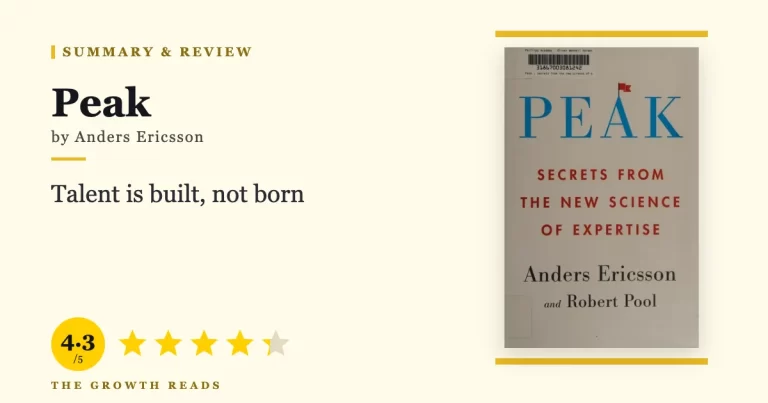
Peak Summary & Review: The Science of Building Genuine Expertise
Anders Ericsson spent 30 years studying what separates world-class performers from everyone else. His answer — deliberate practice — is more actionable…
Read Summary →"The psychologist whose research on deliberate practice became the science behind the '10,000 hours' idea."
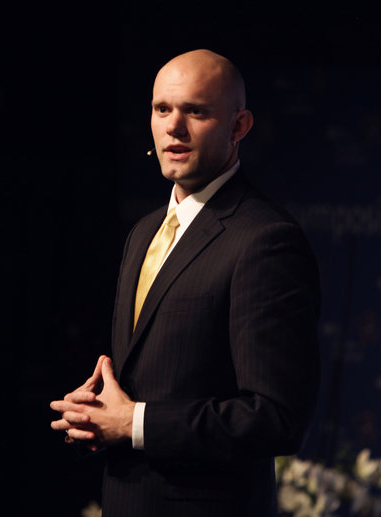
K. Anders Ericsson was a Swedish psychologist and professor at Florida State University whose decades of research into expert performance became the scientific foundation for the popular "10,000 hours" idea, though his own work was considerably more nuanced. His book "Peak: Secrets from the New Science of Expertise," co-written with science writer Robert Pool, argued that raw talent matters far less than most people assume, and that what actually separates experts from amateurs is a specific kind of "deliberate practice"—focused, goal-directed, and continuously pushing just beyond one's current ability. Ericsson's research spanned chess grandmasters, musicians, athletes, and memory champions, and "Peak" became the definitive account of how expertise is actually built rather than simply inherited.
Our in-depth summaries and reviews of his work
Anders Ericsson spent 30 years studying what separates world-class performers from everyone else. His answer — deliberate practice — is more actionable…
Read Summary →Ericsson's research found that focused, goal-directed practice that pushes just past your current ability—not innate gifts—is what separates experts from amateurs.
Purposeful practice requires clear goals, a structured plan for reaching them, and a way to track progress, not just repetition for its own sake.
Without ongoing, escalating challenge, performance plateaus at whatever level the body or mind settles into, a state Ericsson calls homeostasis.
"This is a fundamental truth about any sort of practice: If you never push yourself beyond your comfort zone, you will never improve."— Peak
"Learning isn't a way of reaching one's potential but rather a way of developing it."— Peak
"So here we have purposeful practice in a nutshell: Get outside your comfort zone but do it in a focused way, with clear goals, a plan for reaching those goals, and a way to monitor your progress."— Peak
Anders Ericsson spent 30 years studying what separates world-class performers from everyone else. His answer — deliberate practice — is more actionable than talent, and this summary shows you how to use it.